
Iran Weighs Retaliation Options After US Airstrikes on Nuclear Sites
In This Article
HIGHLIGHTS
- Iran has vowed "everlasting consequences" following US airstrikes on its nuclear sites, escalating tensions in the Middle East.
- US President Donald Trump insists the strikes were aimed at Iran's nuclear program, not the country itself, to delay nuclear weapon development.
- Iran's potential retaliation could involve targeting US bases in the region or using proxies in Iraq and Syria.
- Iran's President Masoud Pezeshkian and Foreign Minister Abbas Araghchi have emphasized the need for a response to US aggression.
- The international community, including Russia, warns of the broader implications of the US's actions, suggesting a potential for prolonged conflict.
In the wake of US airstrikes on Iranian nuclear facilities, Tehran has issued a stern warning of "everlasting consequences," signaling a potential escalation in the already tense Middle East. The strikes, ordered by US President Donald Trump, targeted three key nuclear sites in Iran, with the stated aim of delaying Iran's nuclear weapon development. Trump emphasized that the US is "not at war with Iran" but is focused on its nuclear program.
Iran's Response and Strategic Options
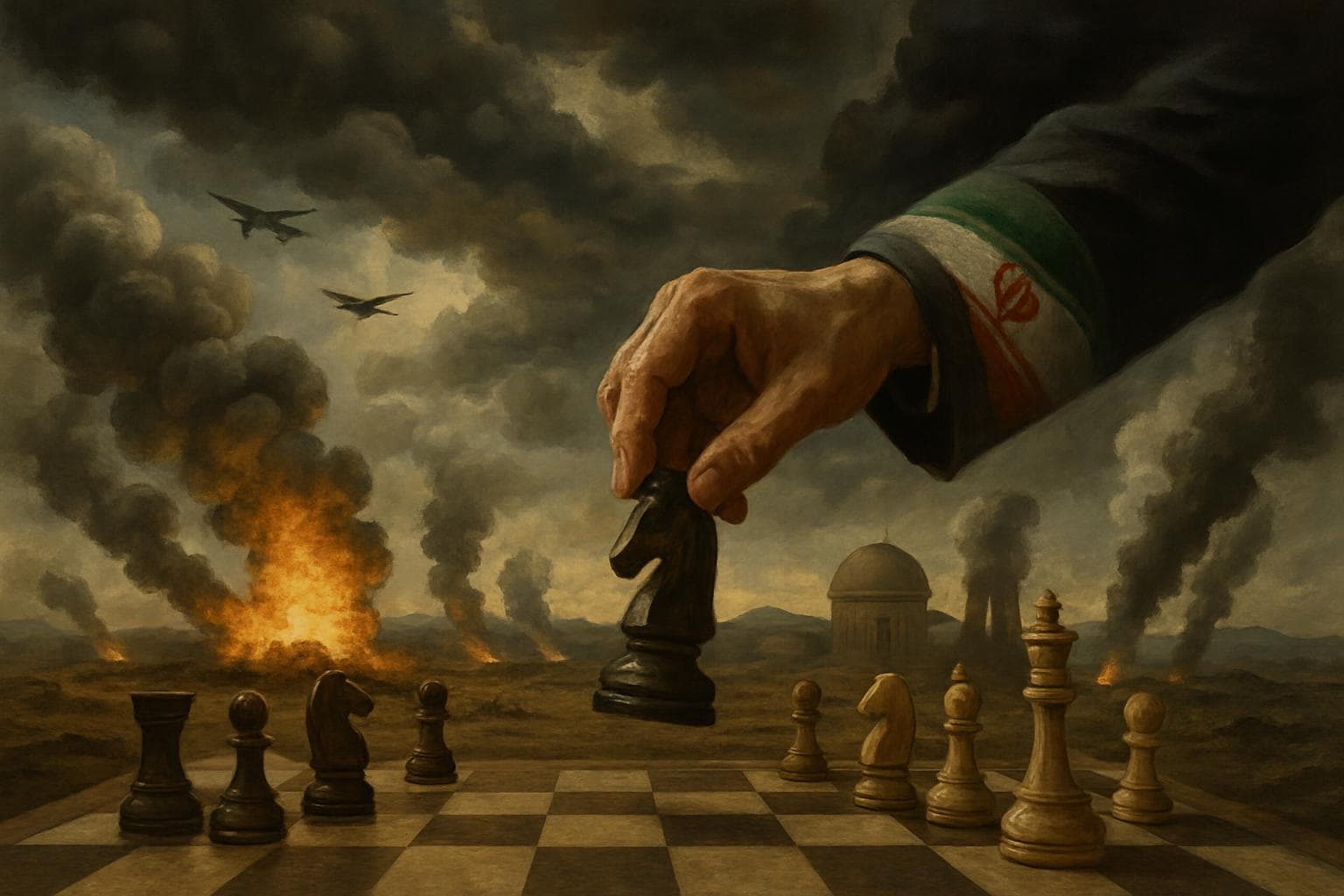
Iran's leadership, including President Masoud Pezeshkian and Foreign Minister Abbas Araghchi, has made it clear that a response to what they describe as US aggression is inevitable. The Iranian government is currently deliberating its next steps, which could include direct attacks on US military bases in the region or leveraging proxies in Iraq and Syria. Iran's history of using such tactics, as seen in the aftermath of Qassim Suleimani's assassination in 2020, suggests a calculated approach to avoid full-scale war while demonstrating military capability.
International Reactions and Implications
The international community has expressed concern over the potential for a broader conflict. Russia's UN ambassador, Vassily Nebenzia, warned that the US has "opened a Pandora's box," with unpredictable consequences. Meanwhile, Iran's UN ambassador, Amir Saeid Iravani, condemned the strikes as a violation of international law, accusing the US of being manipulated into conflict by Israel.
Military and Political Calculations
Despite the US's claims of significant damage to Iran's nuclear capabilities, satellite images and reports suggest that the impact may not be as extensive as initially stated. Vice President JD Vance acknowledged that while the strikes have "substantially delayed" Iran's nuclear program, the sites were not completely destroyed. This ambiguity leaves room for Iran to potentially accelerate its nuclear ambitions, further complicating diplomatic efforts.
WHAT THIS MIGHT MEAN
As Iran contemplates its response, the region braces for potential repercussions. A direct military confrontation with the US could destabilize the Middle East, affecting global oil markets and international relations. Experts suggest that Iran might opt for asymmetric warfare tactics, such as cyberattacks or targeting US allies, to avoid direct confrontation while still asserting its power.
The US's actions have also strained its relations with other global powers, particularly Russia and China, who may seek to leverage the situation to their advantage. The possibility of a diplomatic resolution remains uncertain, with both sides entrenched in their positions. As the situation unfolds, the international community will be watching closely, hoping to avert a prolonged and costly conflict.
Related Articles

UK Faces Dilemmas Amid Iran Conflict and China Spying Allegations
Intensified US-Israel Strikes on Iran Spark Global Outcry
Senate Blocks Resolution to Limit Trump's Military Actions in Iran
US and Israel Intensify Military Campaign as Iran's Capabilities Dwindle

UK-Iran Tensions: Starmer Defends Cautious Approach Amid Trump Criticism

China Sets Lowest GDP Growth Target in Decades Amid Economic Challenges
Iran Weighs Retaliation Options After US Airstrikes on Nuclear Sites
In This Article
 Ethan Brooks| Published
 HIGHLIGHTS
- Iran has vowed "everlasting consequences" following US airstrikes on its nuclear sites, escalating tensions in the Middle East.
- US President Donald Trump insists the strikes were aimed at Iran's nuclear program, not the country itself, to delay nuclear weapon development.
- Iran's potential retaliation could involve targeting US bases in the region or using proxies in Iraq and Syria.
- Iran's President Masoud Pezeshkian and Foreign Minister Abbas Araghchi have emphasized the need for a response to US aggression.
- The international community, including Russia, warns of the broader implications of the US's actions, suggesting a potential for prolonged conflict.
In the wake of US airstrikes on Iranian nuclear facilities, Tehran has issued a stern warning of "everlasting consequences," signaling a potential escalation in the already tense Middle East. The strikes, ordered by US President Donald Trump, targeted three key nuclear sites in Iran, with the stated aim of delaying Iran's nuclear weapon development. Trump emphasized that the US is "not at war with Iran" but is focused on its nuclear program.
Iran's Response and Strategic Options
Iran's leadership, including President Masoud Pezeshkian and Foreign Minister Abbas Araghchi, has made it clear that a response to what they describe as US aggression is inevitable. The Iranian government is currently deliberating its next steps, which could include direct attacks on US military bases in the region or leveraging proxies in Iraq and Syria. Iran's history of using such tactics, as seen in the aftermath of Qassim Suleimani's assassination in 2020, suggests a calculated approach to avoid full-scale war while demonstrating military capability.
International Reactions and Implications
The international community has expressed concern over the potential for a broader conflict. Russia's UN ambassador, Vassily Nebenzia, warned that the US has "opened a Pandora's box," with unpredictable consequences. Meanwhile, Iran's UN ambassador, Amir Saeid Iravani, condemned the strikes as a violation of international law, accusing the US of being manipulated into conflict by Israel.
Military and Political Calculations
Despite the US's claims of significant damage to Iran's nuclear capabilities, satellite images and reports suggest that the impact may not be as extensive as initially stated. Vice President JD Vance acknowledged that while the strikes have "substantially delayed" Iran's nuclear program, the sites were not completely destroyed. This ambiguity leaves room for Iran to potentially accelerate its nuclear ambitions, further complicating diplomatic efforts.
WHAT THIS MIGHT MEAN
As Iran contemplates its response, the region braces for potential repercussions. A direct military confrontation with the US could destabilize the Middle East, affecting global oil markets and international relations. Experts suggest that Iran might opt for asymmetric warfare tactics, such as cyberattacks or targeting US allies, to avoid direct confrontation while still asserting its power.
The US's actions have also strained its relations with other global powers, particularly Russia and China, who may seek to leverage the situation to their advantage. The possibility of a diplomatic resolution remains uncertain, with both sides entrenched in their positions. As the situation unfolds, the international community will be watching closely, hoping to avert a prolonged and costly conflict.
Related Articles
UK Faces Dilemmas Amid Iran Conflict and China Spying Allegations
Intensified US-Israel Strikes on Iran Spark Global Outcry
Senate Blocks Resolution to Limit Trump's Military Actions in Iran
US and Israel Intensify Military Campaign as Iran's Capabilities Dwindle
UK-Iran Tensions: Starmer Defends Cautious Approach Amid Trump Criticism
China Sets Lowest GDP Growth Target in Decades Amid Economic Challenges