
Iran's Internet Blackout Eases Amid Mounting Costs and Protests
In This Article
HIGHLIGHTS
- Iran's internet shutdown, initiated on January 8, has been partially lifted, but access remains inconsistent and controlled.
- The blackout was a response to anti-government protests, with authorities citing "terrorist operations" as justification.
- Internet access varies by region, with some users able to connect intermittently, while many platforms remain blocked.
- The economic impact of the shutdown is significant, costing Iran up to $36 million daily in lost output.
- Human rights organizations report thousands of protester deaths, with internet restrictions limiting information flow.
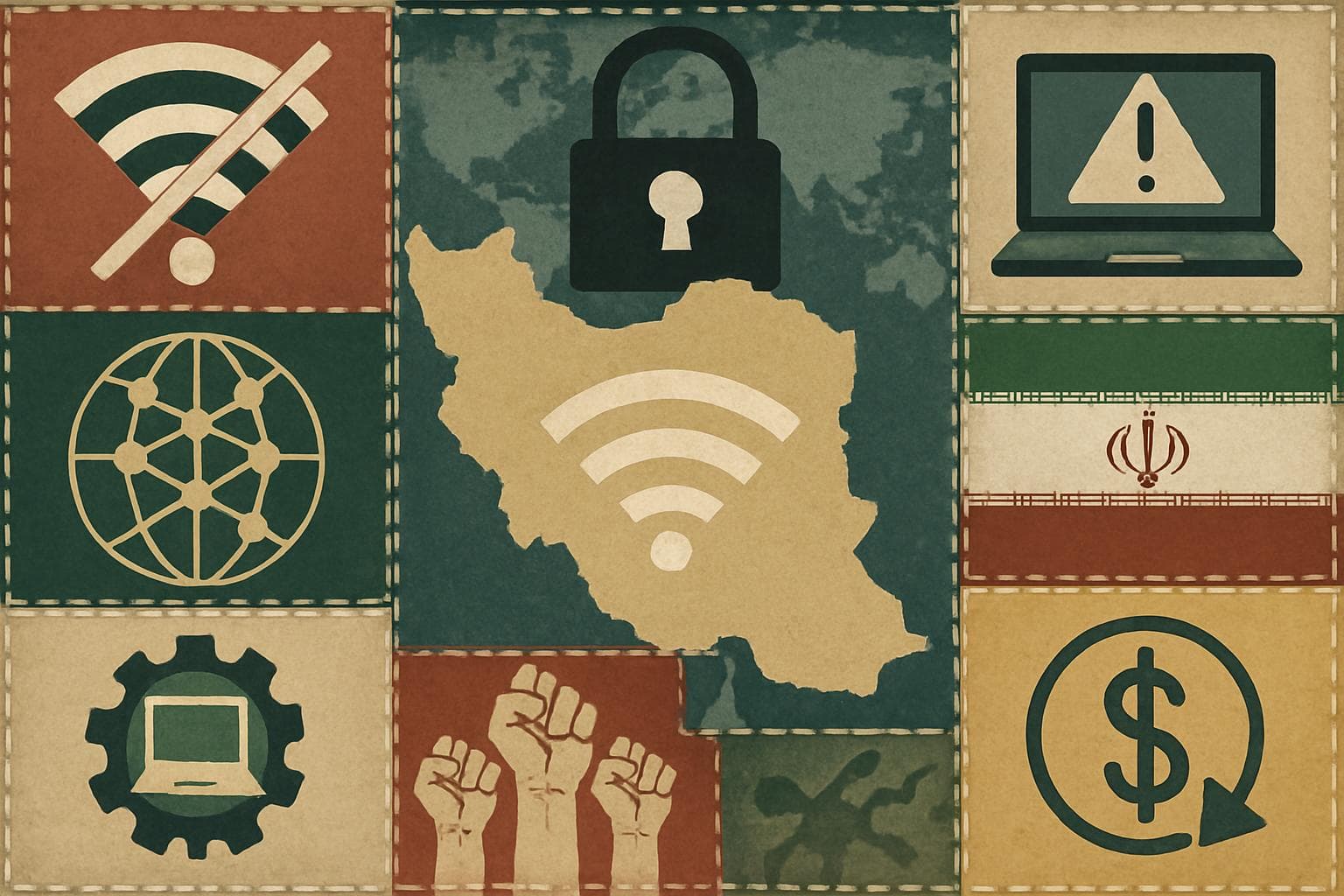
Nearly three weeks after Iran imposed one of the most severe internet blackouts in its history, some citizens are regaining limited online access. The shutdown, which began on January 8, was a government response to escalating anti-government protests, with officials citing "terrorist operations" as the rationale. However, the restoration of internet services remains uneven and heavily controlled.
Partial Restoration and Controlled Access
Reports indicate that while some Iranians can now access the internet, connectivity is inconsistent and varies significantly across regions. According to Doug Madory, director of internet analysis at Kentik, the current state of internet access resembles a "patchwork of connectivity," with authorities seemingly experimenting with content blocking systems. Independent monitoring groups like NetBlocks and Filterwatch have observed similar patterns, noting that major platforms are intermittently available.
Economic and Human Rights Impact
The internet blackout has not only obscured the extent of the government's crackdown on protesters but has also inflicted substantial economic damage. Iranian authorities estimate the shutdown costs the country up to $36 million daily in lost economic output. Meanwhile, human rights organizations, such as the Human Rights Activists News Agency (HRANA), report thousands of protester deaths, with the true toll potentially much higher.
Government Strategy and Future Implications
Despite some relaxation of restrictions, the Iranian government continues to maintain tight control over internet access. Foreign messaging apps like WhatsApp remain restricted, and local platforms raise security concerns. The regime's efforts to whitelist certain websites and fine-tune the blockade suggest a long-term strategy to tighten digital control. As the Persian new year, Nowruz, approaches on March 20, authorities have hinted that restrictions may persist until then.
WHAT THIS MIGHT MEAN
The partial restoration of internet access in Iran could signal a strategic shift by the government to balance control with economic necessity. However, the ongoing restrictions highlight the regime's intent to maintain a firm grip on digital communication. If the economic costs continue to mount, authorities may face increased pressure to ease restrictions further. International scrutiny and human rights advocacy could also play a role in shaping Iran's digital policies. As the situation evolves, the global community will be watching closely to see how Iran navigates the complex interplay of economic, political, and human rights considerations.
Related Articles

US and Israel Intensify Military Campaign as Iran's Capabilities Dwindle
Intensified US-Israel Strikes on Iran Spark Global Outcry
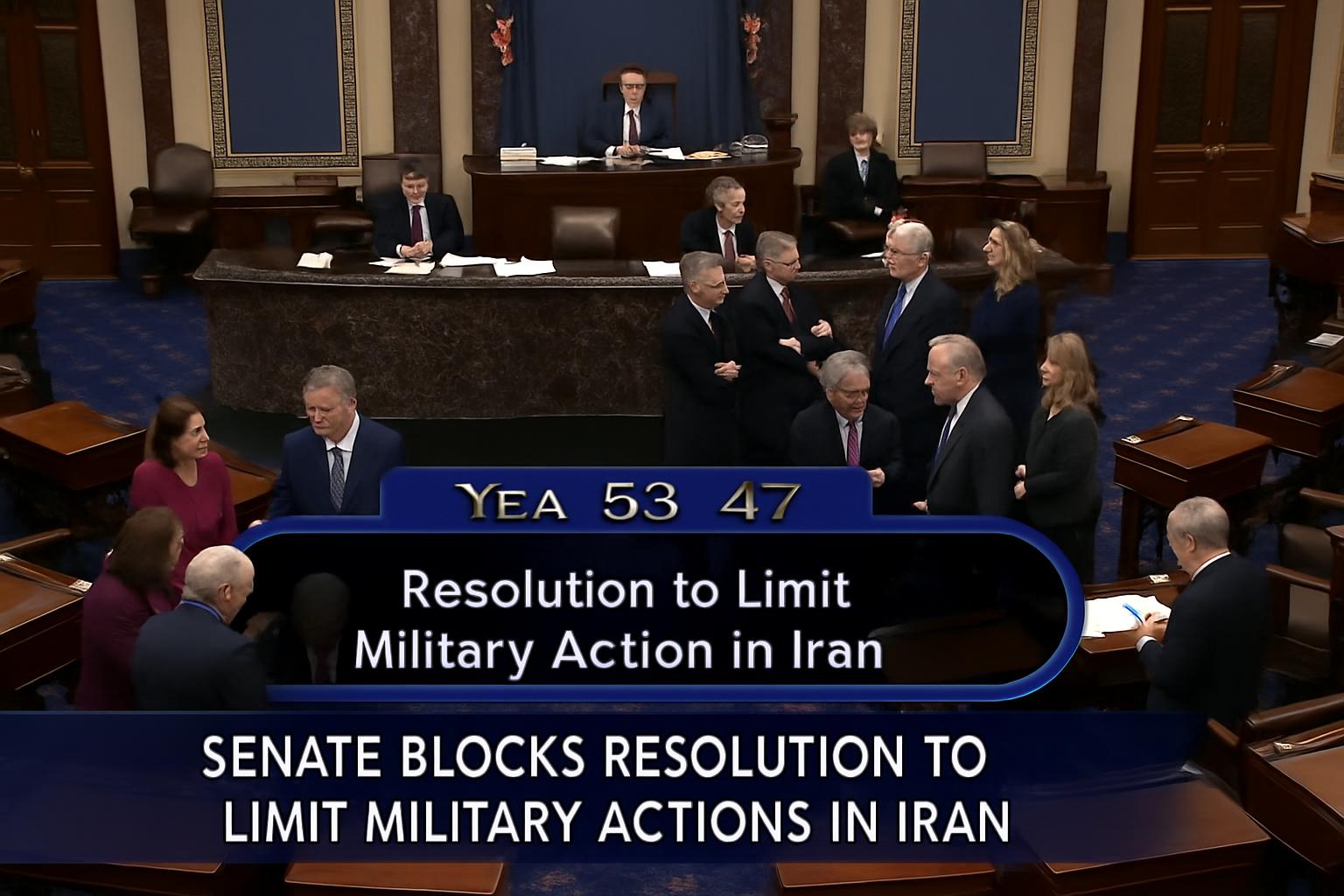
Senate Blocks Resolution to Limit Trump's Military Actions in Iran

Spain's Sánchez Stands Firm Against Trump's Trade Threat Over Iran Stance
Iran Postpones Khamenei Funeral Amid Escalating US-Israeli Strikes

US-Iran Tensions Escalate Amid Renewed Nuclear Talks and Protests
Iran's Internet Blackout Eases Amid Mounting Costs and Protests
In This Article
 Ethan Brooks| Published
 HIGHLIGHTS
- Iran's internet shutdown, initiated on January 8, has been partially lifted, but access remains inconsistent and controlled.
- The blackout was a response to anti-government protests, with authorities citing "terrorist operations" as justification.
- Internet access varies by region, with some users able to connect intermittently, while many platforms remain blocked.
- The economic impact of the shutdown is significant, costing Iran up to $36 million daily in lost output.
- Human rights organizations report thousands of protester deaths, with internet restrictions limiting information flow.
Nearly three weeks after Iran imposed one of the most severe internet blackouts in its history, some citizens are regaining limited online access. The shutdown, which began on January 8, was a government response to escalating anti-government protests, with officials citing "terrorist operations" as the rationale. However, the restoration of internet services remains uneven and heavily controlled.
Partial Restoration and Controlled Access
Reports indicate that while some Iranians can now access the internet, connectivity is inconsistent and varies significantly across regions. According to Doug Madory, director of internet analysis at Kentik, the current state of internet access resembles a "patchwork of connectivity," with authorities seemingly experimenting with content blocking systems. Independent monitoring groups like NetBlocks and Filterwatch have observed similar patterns, noting that major platforms are intermittently available.
Economic and Human Rights Impact
The internet blackout has not only obscured the extent of the government's crackdown on protesters but has also inflicted substantial economic damage. Iranian authorities estimate the shutdown costs the country up to $36 million daily in lost economic output. Meanwhile, human rights organizations, such as the Human Rights Activists News Agency (HRANA), report thousands of protester deaths, with the true toll potentially much higher.
Government Strategy and Future Implications
Despite some relaxation of restrictions, the Iranian government continues to maintain tight control over internet access. Foreign messaging apps like WhatsApp remain restricted, and local platforms raise security concerns. The regime's efforts to whitelist certain websites and fine-tune the blockade suggest a long-term strategy to tighten digital control. As the Persian new year, Nowruz, approaches on March 20, authorities have hinted that restrictions may persist until then.
WHAT THIS MIGHT MEAN
The partial restoration of internet access in Iran could signal a strategic shift by the government to balance control with economic necessity. However, the ongoing restrictions highlight the regime's intent to maintain a firm grip on digital communication. If the economic costs continue to mount, authorities may face increased pressure to ease restrictions further. International scrutiny and human rights advocacy could also play a role in shaping Iran's digital policies. As the situation evolves, the global community will be watching closely to see how Iran navigates the complex interplay of economic, political, and human rights considerations.
Related Articles
US and Israel Intensify Military Campaign as Iran's Capabilities Dwindle
Intensified US-Israel Strikes on Iran Spark Global Outcry
Senate Blocks Resolution to Limit Trump's Military Actions in Iran
Spain's Sánchez Stands Firm Against Trump's Trade Threat Over Iran Stance
Iran Postpones Khamenei Funeral Amid Escalating US-Israeli Strikes
US-Iran Tensions Escalate Amid Renewed Nuclear Talks and Protests