
Iran Executes Six Amidst Sweeping Security Crackdown Post-Israel Conflict
In This Article
HIGHLIGHTS
- Iran has executed six individuals accused of espionage for Israel following a recent conflict, raising human rights concerns.
- Over 700 people have been arrested on suspicion of spying for Israel, with many fearing forced confessions and unfair trials.
- Iranian authorities have intensified security measures, particularly in Kurdish regions, deploying military units and setting up checkpoints.
- Human rights groups warn that the crackdown may be used to suppress dissent and target ethnic minorities.
- Iranian journalists and their families face increased threats, with authorities using intimidation tactics to silence media coverage.
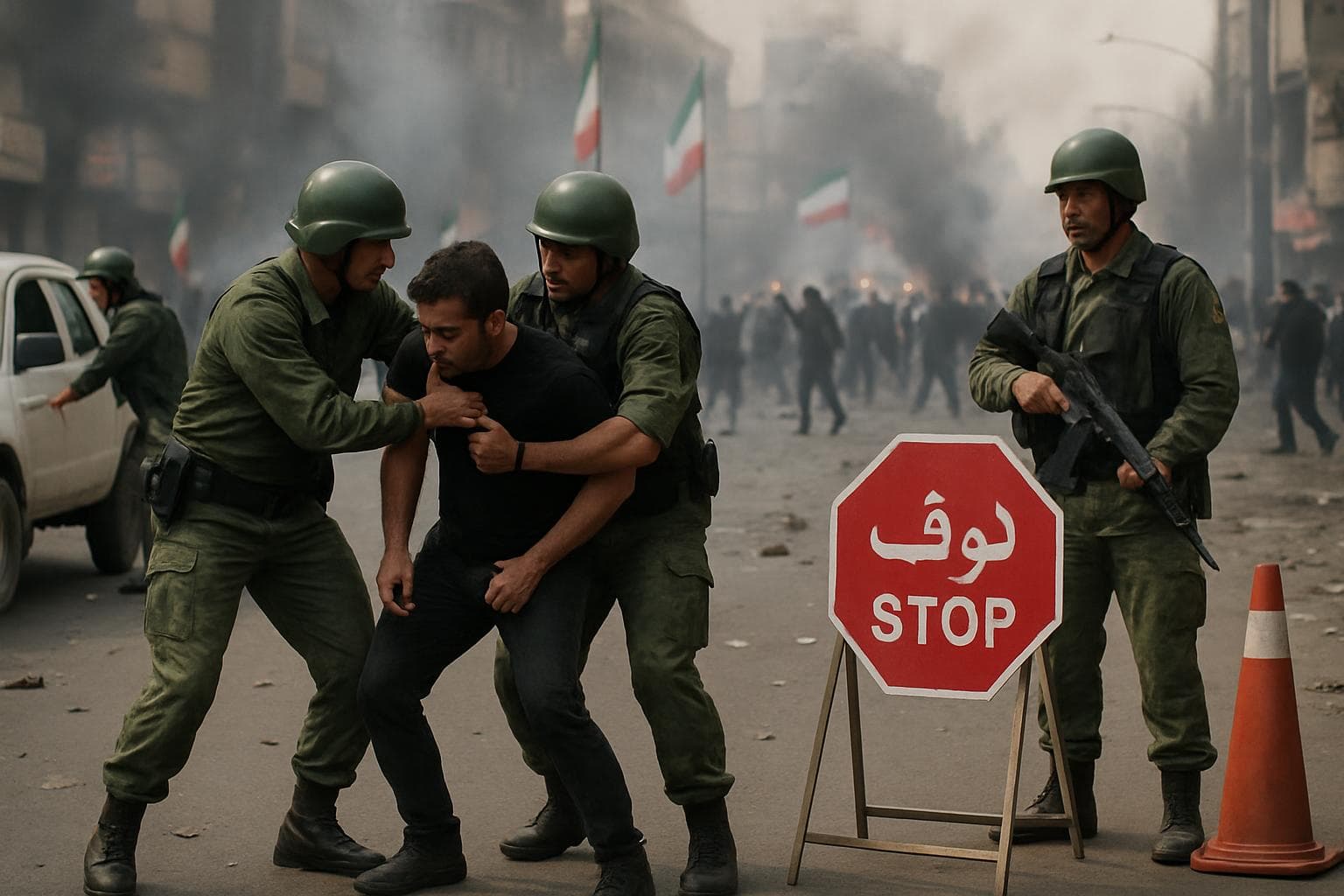
In the aftermath of a recent conflict with Israel, Iran has embarked on a stringent internal security crackdown, marked by a series of executions and mass arrests. The Iranian government has executed six individuals accused of espionage for Israel, a move that has drawn sharp criticism from human rights organizations concerned about the fairness of the trials and the potential for forced confessions.
Intensified Security Measures
Since the onset of hostilities on June 13, Iranian authorities have arrested over 700 individuals suspected of collaborating with Israeli intelligence. This wave of arrests is part of a broader strategy to fortify national security, with a particular focus on the restive Kurdish regions. Revolutionary Guard and Basij paramilitary units have been deployed, and checkpoints have been established to prevent any potential unrest.
The Iranian Ministry of Intelligence has described these actions as a "relentless battle" against Western and Israeli intelligence networks, including Mossad and the CIA. However, activists and human rights groups fear that these measures are being used to stifle dissent and target ethnic minorities, such as the Kurdish and Baluch populations, who have historically opposed the central government.
Human Rights Concerns
Human rights organizations have expressed alarm over the recent executions and the potential for further punitive actions. The Iranian-Kurdish rights group Hengaw reported that three of the executed individuals were Kurdish, highlighting the ethnic dimension of the crackdown. The Human Rights Activists News Agency (HRNA) has documented the arrests of 705 people on political or security charges since the conflict began.
Iranian state media has aired alleged confessions from detainees, raising concerns about the use of coercion. The international community has called for transparency and adherence to fair trial standards, emphasizing the need for Iran to respect human rights obligations.
Pressure on Journalists
The crackdown has also extended to the media, with Iranian journalists and their families facing increased threats. Security forces have reportedly detained relatives of journalists working for Persian-language media outlets abroad, such as BBC Persian and Iran International, to pressure them into resigning or altering their coverage of the conflict.
One journalist's family was detained in Tehran, and she received a call from her father, under duress from security agents, urging her to quit her job. This tactic of intimidation underscores the broader strategy to control the narrative and suppress dissenting voices.
WHAT THIS MIGHT MEAN
The current security measures in Iran could have significant implications for both domestic stability and international relations. The intensified crackdown may lead to further unrest, particularly in regions with strong ethnic minority populations. The international community, including human rights organizations, is likely to increase pressure on Iran to adhere to international human rights standards.
Politically, the Iranian government's actions could strain relations with Western countries, especially if evidence of human rights abuses emerges. The situation also poses a challenge for Iranian authorities, who must balance national security concerns with the risk of exacerbating internal dissent and international condemnation.
As the situation evolves, the potential for further conflict or diplomatic engagement remains uncertain. The Iranian government's next steps will be crucial in determining the country's trajectory in the wake of this security crackdown.
Related Articles
US-Iran Tensions Escalate Amid Renewed Nuclear Talks and Protests
Iranian Students Lead Major Protests Amid Rising US-Iran Tensions
Middle East Conflict Drives UK Energy Prices to New Highs
US and Israel Intensify Military Campaign as Iran's Capabilities Dwindle
Intensified US-Israel Strikes on Iran Spark Global Outcry
US Ambassador's Biblical Land Remarks Spark Outcry from Arab Nations
Iran Executes Six Amidst Sweeping Security Crackdown Post-Israel Conflict
In This Article
 James Okoro| Published
 HIGHLIGHTS
- Iran has executed six individuals accused of espionage for Israel following a recent conflict, raising human rights concerns.
- Over 700 people have been arrested on suspicion of spying for Israel, with many fearing forced confessions and unfair trials.
- Iranian authorities have intensified security measures, particularly in Kurdish regions, deploying military units and setting up checkpoints.
- Human rights groups warn that the crackdown may be used to suppress dissent and target ethnic minorities.
- Iranian journalists and their families face increased threats, with authorities using intimidation tactics to silence media coverage.
In the aftermath of a recent conflict with Israel, Iran has embarked on a stringent internal security crackdown, marked by a series of executions and mass arrests. The Iranian government has executed six individuals accused of espionage for Israel, a move that has drawn sharp criticism from human rights organizations concerned about the fairness of the trials and the potential for forced confessions.
Intensified Security Measures
Since the onset of hostilities on June 13, Iranian authorities have arrested over 700 individuals suspected of collaborating with Israeli intelligence. This wave of arrests is part of a broader strategy to fortify national security, with a particular focus on the restive Kurdish regions. Revolutionary Guard and Basij paramilitary units have been deployed, and checkpoints have been established to prevent any potential unrest.
The Iranian Ministry of Intelligence has described these actions as a "relentless battle" against Western and Israeli intelligence networks, including Mossad and the CIA. However, activists and human rights groups fear that these measures are being used to stifle dissent and target ethnic minorities, such as the Kurdish and Baluch populations, who have historically opposed the central government.
Human Rights Concerns
Human rights organizations have expressed alarm over the recent executions and the potential for further punitive actions. The Iranian-Kurdish rights group Hengaw reported that three of the executed individuals were Kurdish, highlighting the ethnic dimension of the crackdown. The Human Rights Activists News Agency (HRNA) has documented the arrests of 705 people on political or security charges since the conflict began.
Iranian state media has aired alleged confessions from detainees, raising concerns about the use of coercion. The international community has called for transparency and adherence to fair trial standards, emphasizing the need for Iran to respect human rights obligations.
Pressure on Journalists
The crackdown has also extended to the media, with Iranian journalists and their families facing increased threats. Security forces have reportedly detained relatives of journalists working for Persian-language media outlets abroad, such as BBC Persian and Iran International, to pressure them into resigning or altering their coverage of the conflict.
One journalist's family was detained in Tehran, and she received a call from her father, under duress from security agents, urging her to quit her job. This tactic of intimidation underscores the broader strategy to control the narrative and suppress dissenting voices.
WHAT THIS MIGHT MEAN
The current security measures in Iran could have significant implications for both domestic stability and international relations. The intensified crackdown may lead to further unrest, particularly in regions with strong ethnic minority populations. The international community, including human rights organizations, is likely to increase pressure on Iran to adhere to international human rights standards.
Politically, the Iranian government's actions could strain relations with Western countries, especially if evidence of human rights abuses emerges. The situation also poses a challenge for Iranian authorities, who must balance national security concerns with the risk of exacerbating internal dissent and international condemnation.
As the situation evolves, the potential for further conflict or diplomatic engagement remains uncertain. The Iranian government's next steps will be crucial in determining the country's trajectory in the wake of this security crackdown.
Related Articles
US-Iran Tensions Escalate Amid Renewed Nuclear Talks and Protests
Iranian Students Lead Major Protests Amid Rising US-Iran Tensions
Middle East Conflict Drives UK Energy Prices to New Highs
US and Israel Intensify Military Campaign as Iran's Capabilities Dwindle
Intensified US-Israel Strikes on Iran Spark Global Outcry
US Ambassador's Biblical Land Remarks Spark Outcry from Arab Nations