
Iran Faces Widespread Protests Amidst Economic Turmoil and Currency Collapse
In This Article
HIGHLIGHTS
- Protests erupted in Iran following a sharp depreciation of the Iranian rial, reaching 1.42 million to the US dollar.
- Demonstrations have spread from Tehran to other cities, with students and shopkeepers leading the charge.
- The Iranian government declared a bank holiday, ostensibly to save energy, but many see it as a move to quell unrest.
- The protests are the largest since the 2022 demonstrations sparked by Mahsa Amini's death, though not as widespread.
- President Masoud Pezeshkian has expressed willingness to address protesters' demands, while the prosecutor general warns of a "decisive response" to instability.
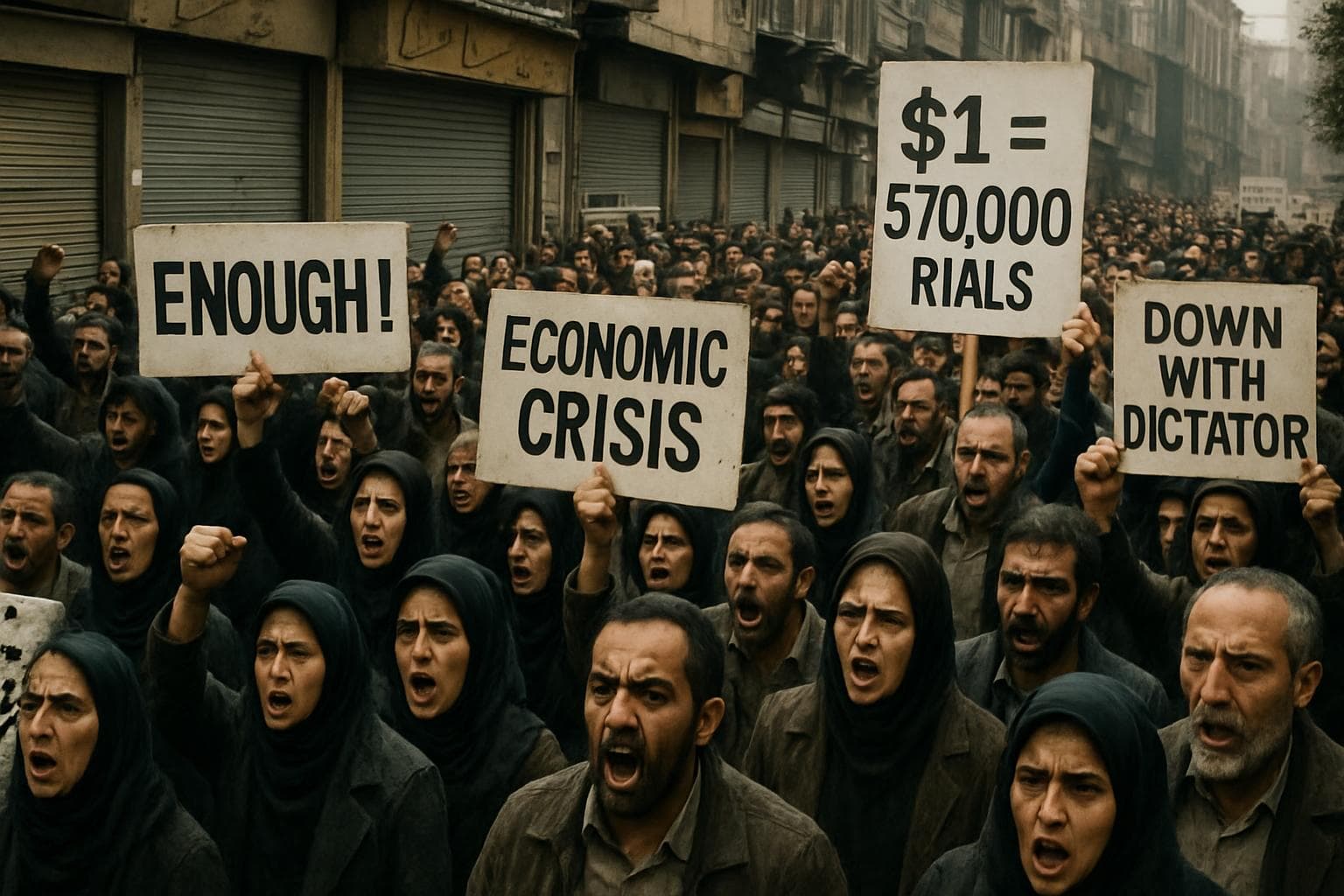
Iran is witnessing its most significant wave of protests since 2022, as citizens take to the streets in response to a severe economic crisis marked by the dramatic depreciation of the national currency. The Iranian rial plummeted to a historic low of 1.42 million against the US dollar, exacerbating inflation and causing widespread discontent.
Protests Spread Across the Nation
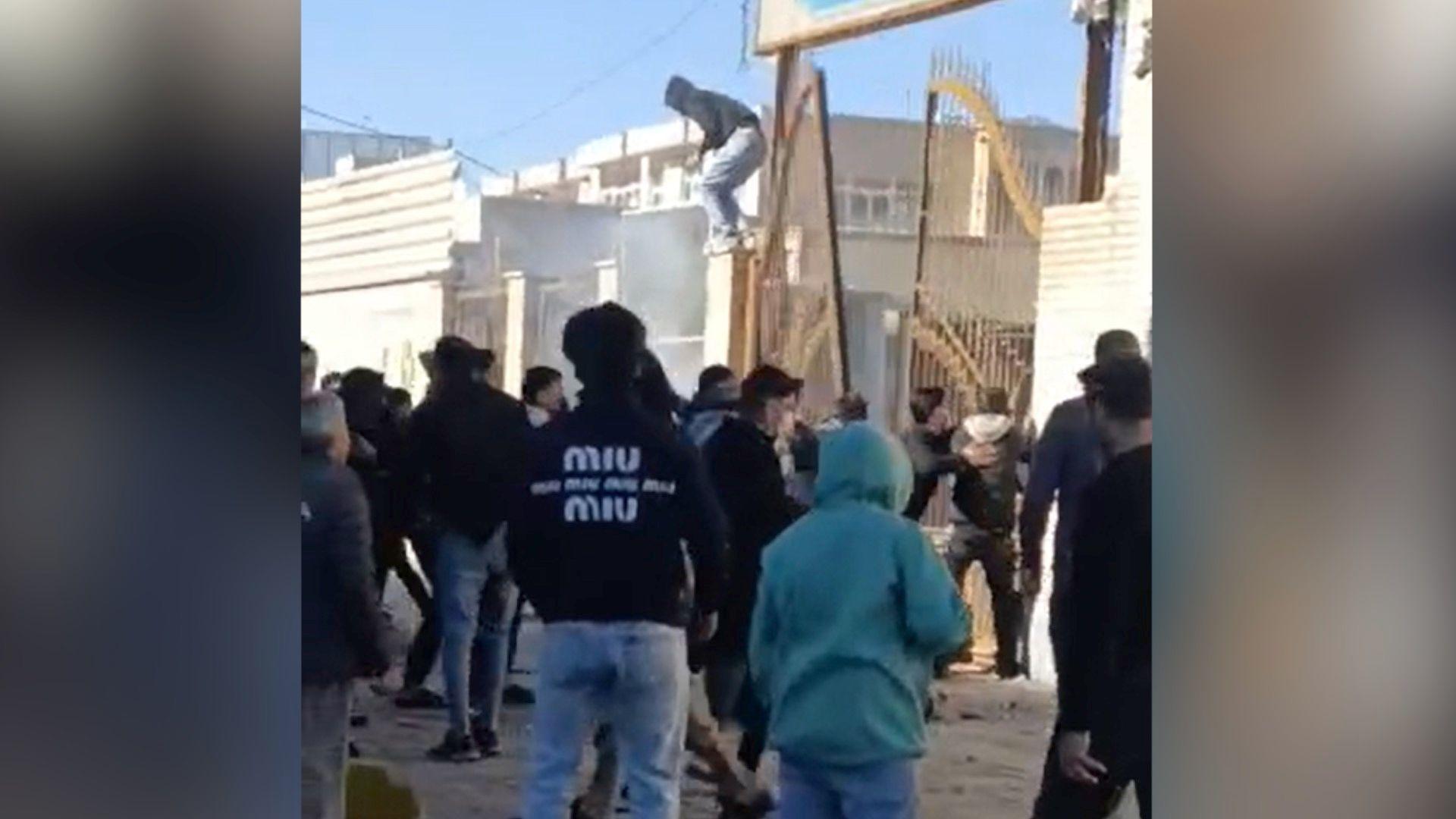
The unrest began in Tehran and quickly spread to other cities, including Isfahan, Fasa, and Hamedan. Shopkeepers, like Alborz, a textile merchant from Isfahan, have shuttered their stores, while university students have taken over campuses, demanding change. "What will my children eat?" Alborz lamented, highlighting the dire economic conditions that have driven many to protest despite the risks.
Government Response and Public Reaction
In an attempt to manage the situation, the Iranian government declared a bank holiday, citing energy conservation due to cold weather. However, many Iranians view this as a tactic to suppress the growing unrest. President Masoud Pezeshkian has stated his administration's willingness to listen to the "legitimate demands" of the protesters, yet the prosecutor general, Mohammad Movahedi-Azad, has issued a stern warning against any attempts to destabilize the country.
Historical Context and Current Demands
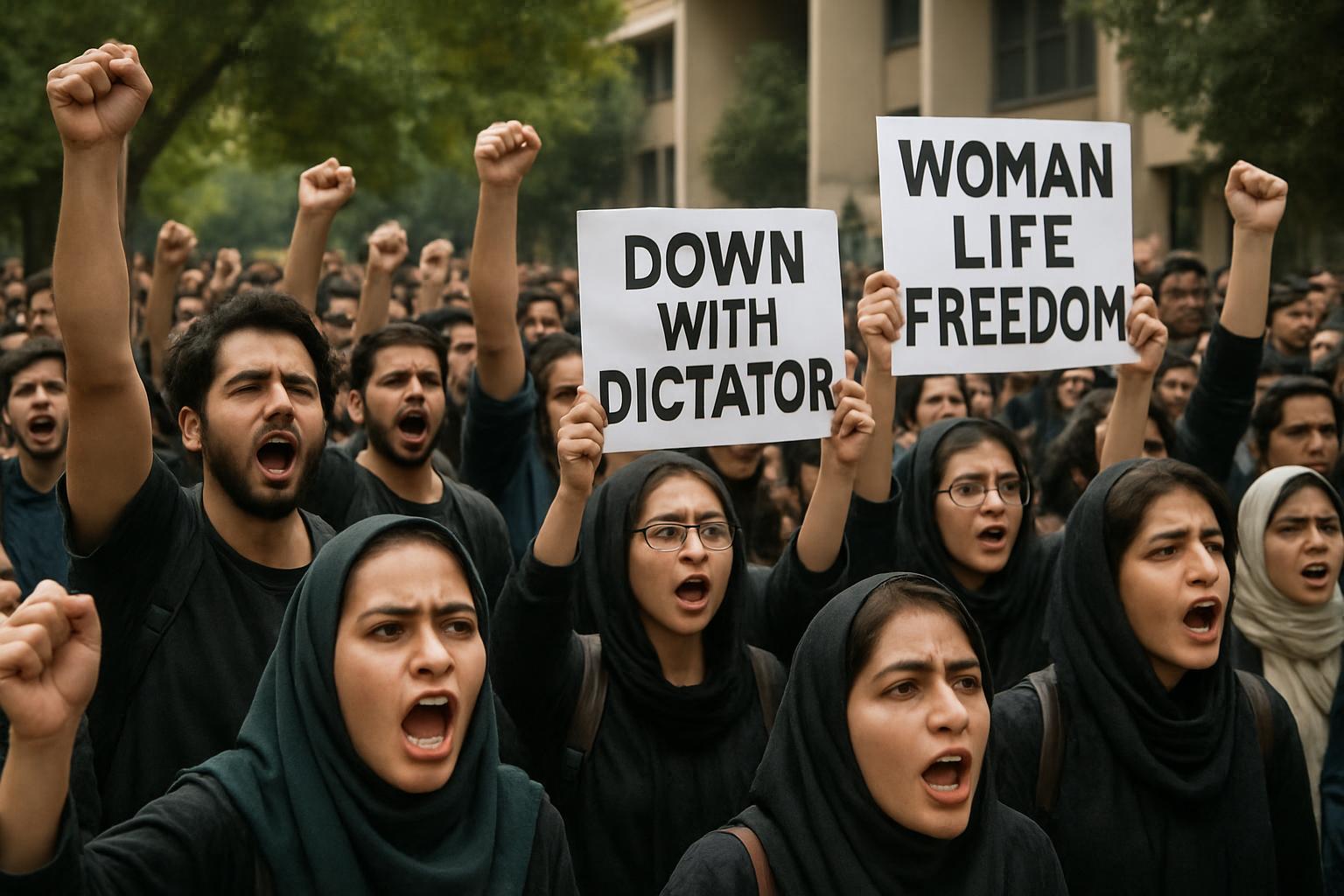
The current protests echo the 2022 demonstrations following the death of Mahsa Amini, a young woman who died in police custody. While those protests were violently suppressed, the current movement has seen participants chanting slogans like "death to the dictator" and "woman, life, freedom," indicating broader grievances with the Iranian regime.
WHAT THIS MIGHT MEAN
The ongoing protests in Iran could lead to significant political and social changes, depending on how the government chooses to respond. If authorities opt for dialogue and address the economic grievances, it might ease tensions temporarily. However, a heavy-handed approach could escalate the situation, potentially leading to more widespread unrest.
Economically, the depreciation of the rial and soaring inflation are likely to continue unless there is a significant policy shift or relief from international sanctions. The Iranian government's ability to navigate these challenges will be crucial in determining the country's stability in the coming months.
Images from the Web
Related Articles

US-Iran Tensions Escalate Amid Renewed Nuclear Talks and Protests
Intensified US-Israel Strikes on Iran Spark Global Outcry
Iranian Students Lead Major Protests Amid Rising US-Iran Tensions
Canada and Australia Forge Strategic Partnership Amid Global Uncertainty
Middle East Conflict Drives UK Energy Prices to New Highs

UK Faces Dilemmas Amid Iran Conflict and China Spying Allegations
Iran Faces Widespread Protests Amidst Economic Turmoil and Currency Collapse
In This Article
 Daniel Rivera| Published
 HIGHLIGHTS
- Protests erupted in Iran following a sharp depreciation of the Iranian rial, reaching 1.42 million to the US dollar.
- Demonstrations have spread from Tehran to other cities, with students and shopkeepers leading the charge.
- The Iranian government declared a bank holiday, ostensibly to save energy, but many see it as a move to quell unrest.
- The protests are the largest since the 2022 demonstrations sparked by Mahsa Amini's death, though not as widespread.
- President Masoud Pezeshkian has expressed willingness to address protesters' demands, while the prosecutor general warns of a "decisive response" to instability.
Iran is witnessing its most significant wave of protests since 2022, as citizens take to the streets in response to a severe economic crisis marked by the dramatic depreciation of the national currency. The Iranian rial plummeted to a historic low of 1.42 million against the US dollar, exacerbating inflation and causing widespread discontent.
Protests Spread Across the Nation
The unrest began in Tehran and quickly spread to other cities, including Isfahan, Fasa, and Hamedan. Shopkeepers, like Alborz, a textile merchant from Isfahan, have shuttered their stores, while university students have taken over campuses, demanding change. "What will my children eat?" Alborz lamented, highlighting the dire economic conditions that have driven many to protest despite the risks.
Government Response and Public Reaction
In an attempt to manage the situation, the Iranian government declared a bank holiday, citing energy conservation due to cold weather. However, many Iranians view this as a tactic to suppress the growing unrest. President Masoud Pezeshkian has stated his administration's willingness to listen to the "legitimate demands" of the protesters, yet the prosecutor general, Mohammad Movahedi-Azad, has issued a stern warning against any attempts to destabilize the country.
Historical Context and Current Demands
The current protests echo the 2022 demonstrations following the death of Mahsa Amini, a young woman who died in police custody. While those protests were violently suppressed, the current movement has seen participants chanting slogans like "death to the dictator" and "woman, life, freedom," indicating broader grievances with the Iranian regime.
WHAT THIS MIGHT MEAN
The ongoing protests in Iran could lead to significant political and social changes, depending on how the government chooses to respond. If authorities opt for dialogue and address the economic grievances, it might ease tensions temporarily. However, a heavy-handed approach could escalate the situation, potentially leading to more widespread unrest.
Economically, the depreciation of the rial and soaring inflation are likely to continue unless there is a significant policy shift or relief from international sanctions. The Iranian government's ability to navigate these challenges will be crucial in determining the country's stability in the coming months.
Images from the Web
Related Articles
US-Iran Tensions Escalate Amid Renewed Nuclear Talks and Protests
Intensified US-Israel Strikes on Iran Spark Global Outcry
Iranian Students Lead Major Protests Amid Rising US-Iran Tensions
Canada and Australia Forge Strategic Partnership Amid Global Uncertainty
Middle East Conflict Drives UK Energy Prices to New Highs
UK Faces Dilemmas Amid Iran Conflict and China Spying Allegations