
Iran's Protests: Verified Videos Reveal Grim Reality Amidst Internet Blackout
In This Article
HIGHLIGHTS
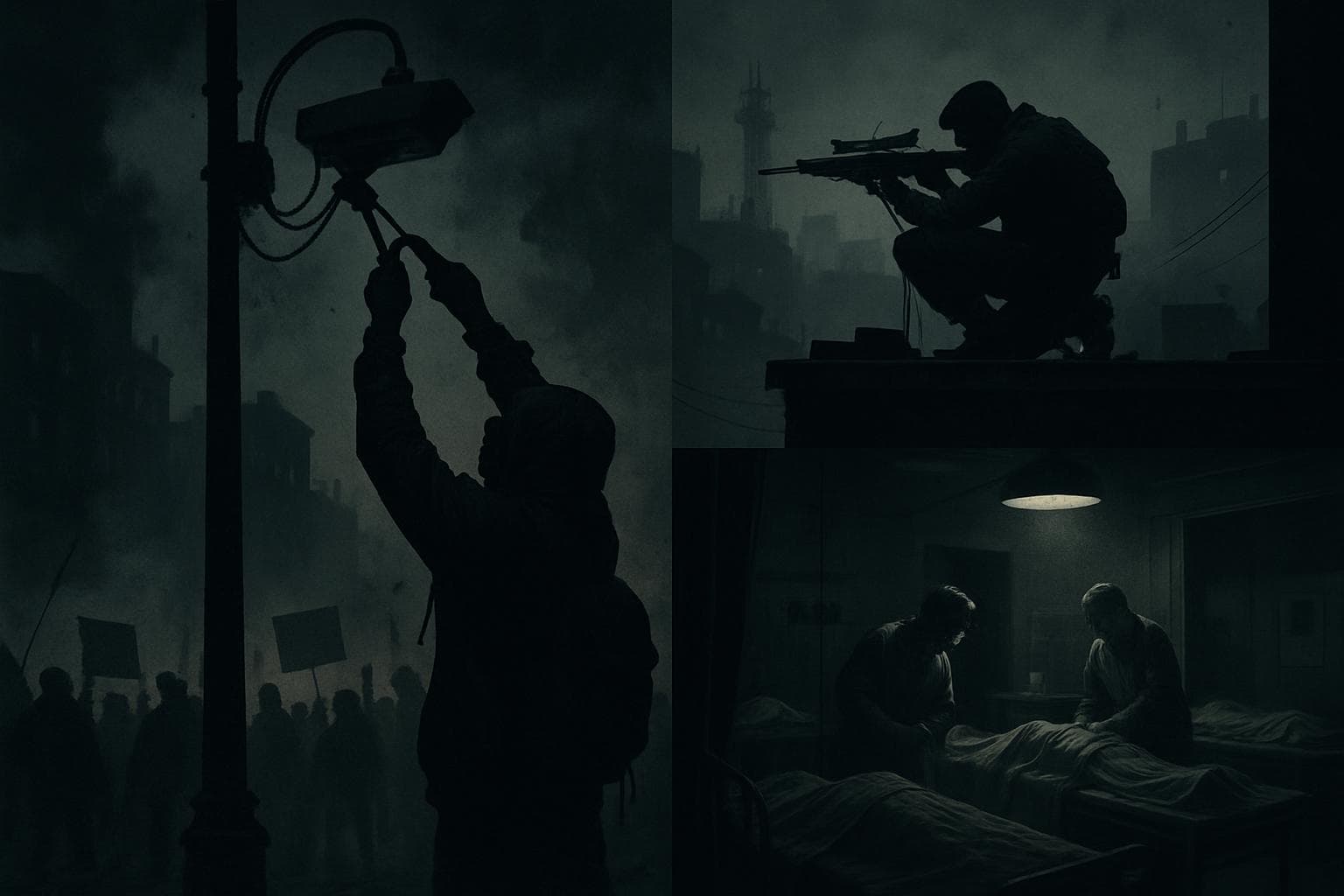
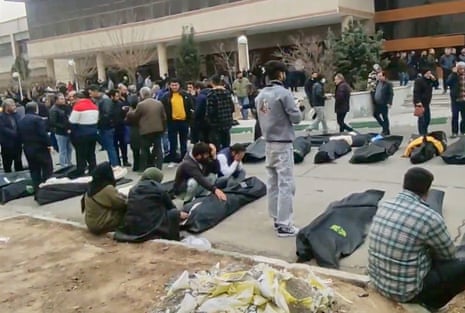
- Verified videos from Iran reveal severe state crackdowns on protests, with bodies seen piled in hospitals and snipers on rooftops.
- Human Rights Activists News Agency (HRANA) confirms nearly 6,000 deaths, while Iran Human Rights (IHR) warns the toll could exceed 25,000.
- Iranian authorities report over 3,100 deaths, claiming most were security personnel or bystanders attacked by "rioters."
- Dr. Ahmadi and colleagues estimate the death toll could surpass 30,000, citing underreported fatalities due to internet blackouts.
- Protesters are disabling CCTV cameras to evade surveillance, as demonstrations spread across 71 towns and cities in Iran.
Recent videos emerging from Iran have shed light on the brutal state crackdown on protests that erupted in late December. Verified footage shows bodies piled in hospitals, snipers positioned on rooftops, and protesters disabling CCTV cameras to evade surveillance. The protests, which have spread across 71 towns and cities, were sparked by a call for nationwide demonstrations from Reza Pahlavi, the exiled son of the late Shah.
Rising Death Toll Amidst Internet Blackout
The US-based Human Rights Activists News Agency (HRANA) has confirmed nearly 6,000 deaths, including 5,633 protesters. However, the Norway-based Iran Human Rights (IHR) warns that the final toll could exceed 25,000. The Iranian government acknowledges over 3,100 deaths, attributing most to security personnel or bystanders attacked by "rioters."
First-Hand Accounts of Violence
Dr. Ahmadi, an anonymous medical professional, has been treating injured protesters outside the government hospital system. He reports a significant increase in severe injuries, including close-range gunshots and stab wounds. Ahmadi and his network of over 80 medical professionals estimate the death toll could surpass 30,000, citing underreported fatalities due to the ongoing internet blackout.
Efforts to Evade Surveillance
Protesters have been seen disabling CCTV cameras to avoid detection by Iran's heavy surveillance infrastructure. Verified footage shows individuals climbing posts to damage cameras, with crowds cheering as the devices are rendered inoperative. This tactic highlights the lengths to which demonstrators are going to protect their identities amidst the crackdown.
WHAT THIS MIGHT MEAN
The situation in Iran remains volatile, with the potential for further escalation as protests continue. The international community may increase pressure on the Iranian government to address human rights violations and provide transparency regarding the death toll. If the internet blackout persists, it will remain challenging to verify the full extent of the violence and fatalities. Experts suggest that without significant intervention, the unrest could lead to further instability in the region, potentially impacting international relations and prompting global calls for accountability.
Images from the Web
Related Articles
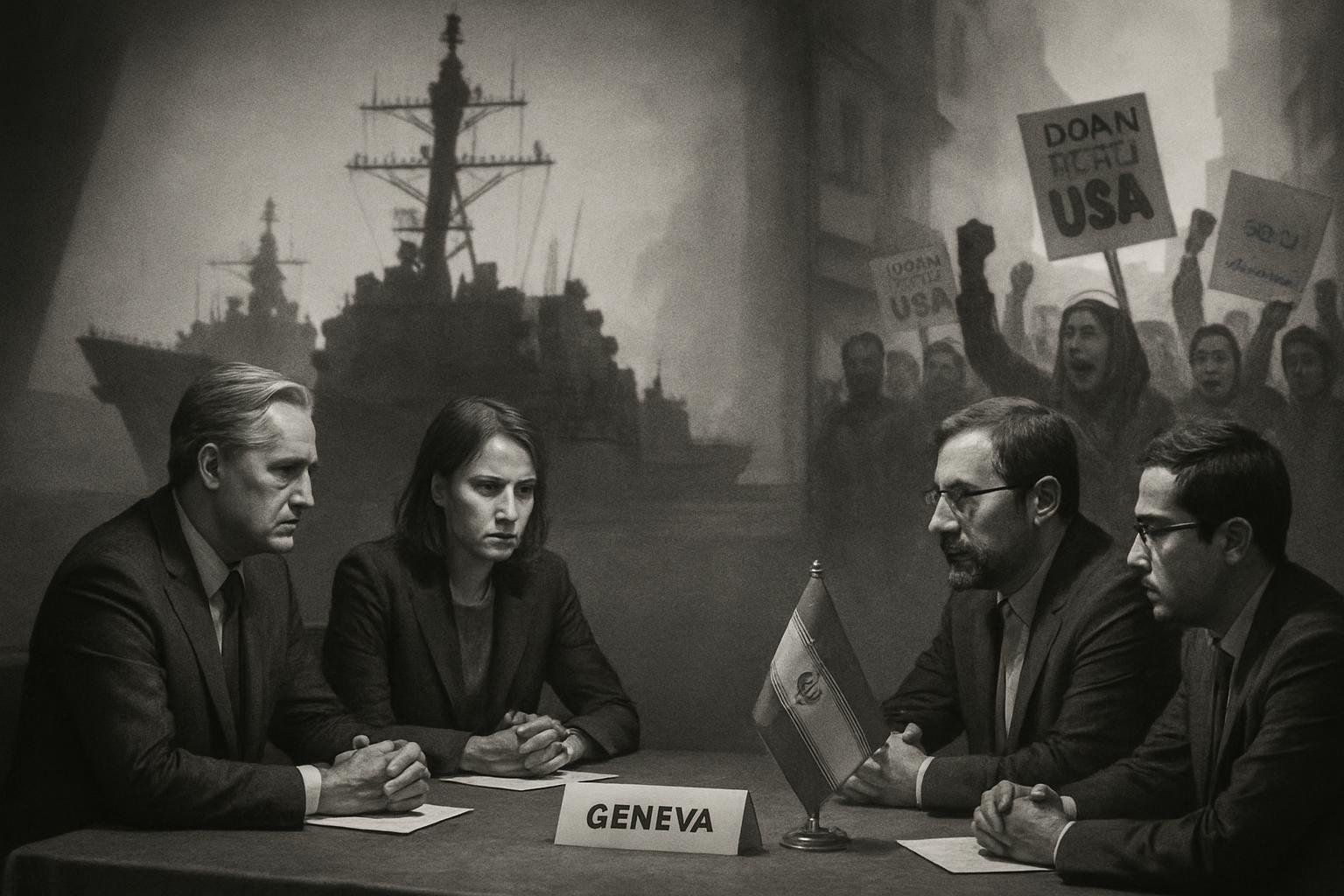
US-Iran Tensions Escalate Amid Renewed Nuclear Talks and Protests
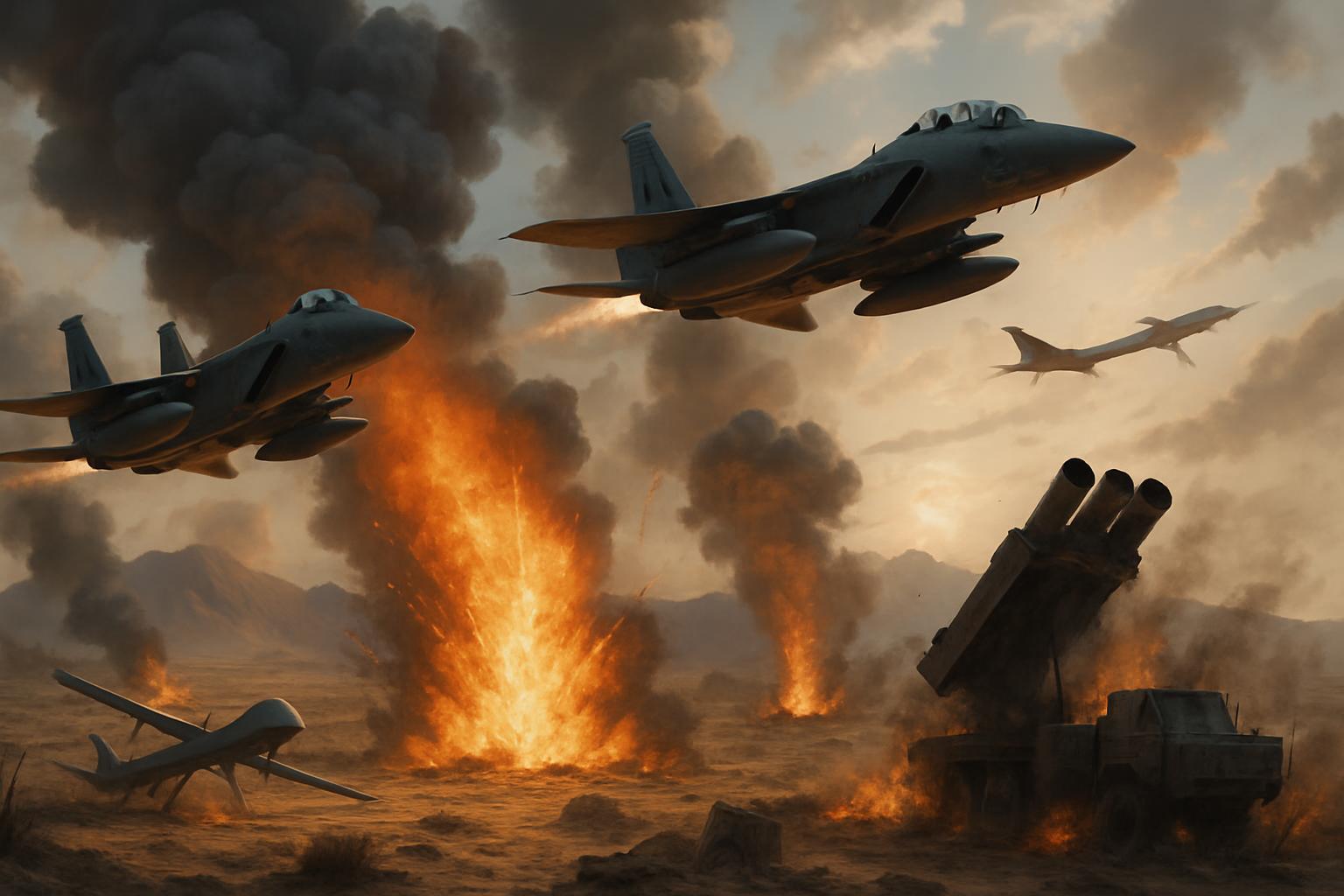
US and Israel Intensify Military Campaign as Iran's Capabilities Dwindle
Intensified US-Israel Strikes on Iran Spark Global Outcry
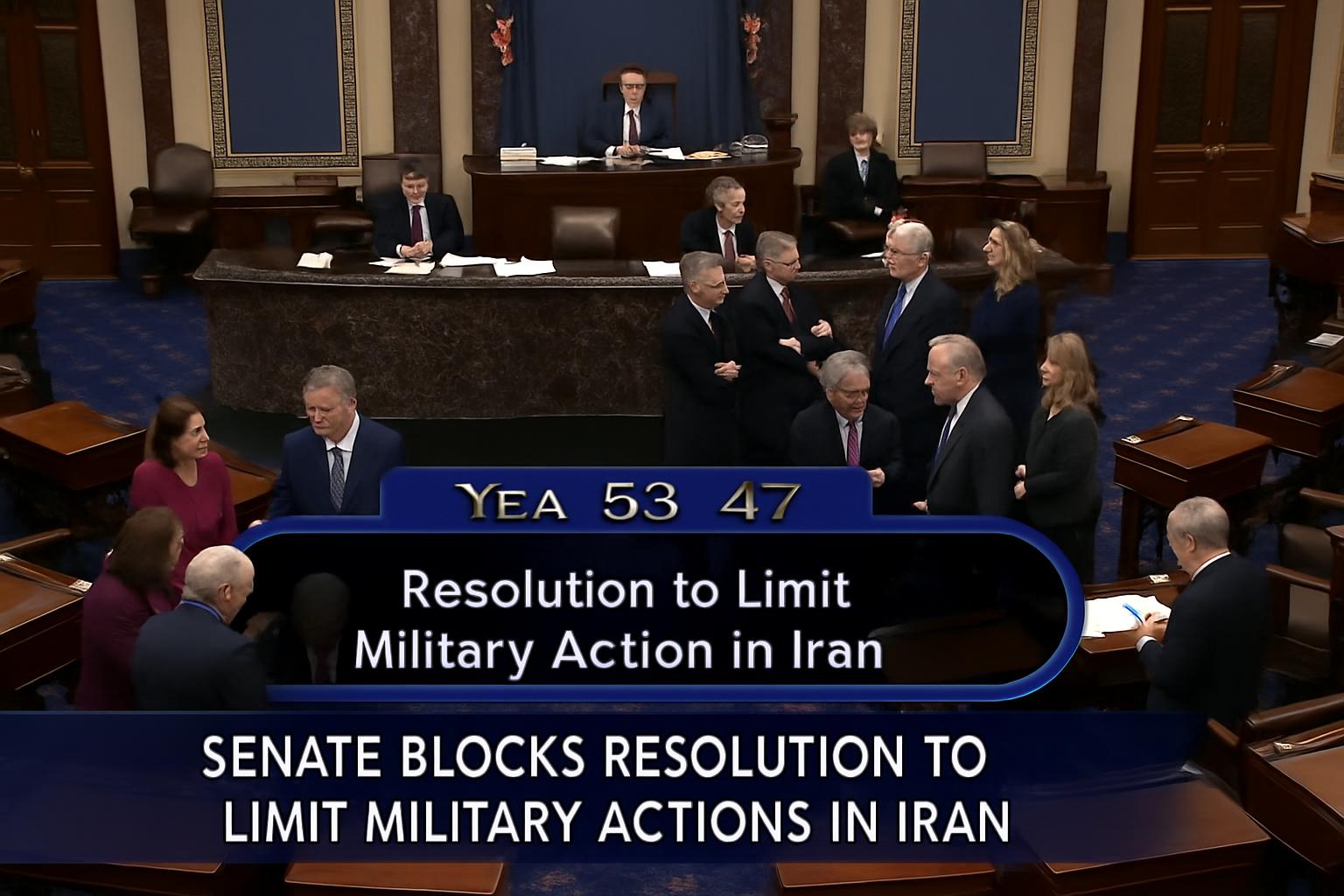
Senate Blocks Resolution to Limit Trump's Military Actions in Iran
Spain's Sánchez Stands Firm Against Trump's Trade Threat Over Iran Stance
Iran Postpones Khamenei Funeral Amid Escalating US-Israeli Strikes
Iran's Protests: Verified Videos Reveal Grim Reality Amidst Internet Blackout
In This Article
 Ethan Brooks| Published
 HIGHLIGHTS
- Verified videos from Iran reveal severe state crackdowns on protests, with bodies seen piled in hospitals and snipers on rooftops.
- Human Rights Activists News Agency (HRANA) confirms nearly 6,000 deaths, while Iran Human Rights (IHR) warns the toll could exceed 25,000.
- Iranian authorities report over 3,100 deaths, claiming most were security personnel or bystanders attacked by "rioters."
- Dr. Ahmadi and colleagues estimate the death toll could surpass 30,000, citing underreported fatalities due to internet blackouts.
- Protesters are disabling CCTV cameras to evade surveillance, as demonstrations spread across 71 towns and cities in Iran.
Recent videos emerging from Iran have shed light on the brutal state crackdown on protests that erupted in late December. Verified footage shows bodies piled in hospitals, snipers positioned on rooftops, and protesters disabling CCTV cameras to evade surveillance. The protests, which have spread across 71 towns and cities, were sparked by a call for nationwide demonstrations from Reza Pahlavi, the exiled son of the late Shah.
Rising Death Toll Amidst Internet Blackout
The US-based Human Rights Activists News Agency (HRANA) has confirmed nearly 6,000 deaths, including 5,633 protesters. However, the Norway-based Iran Human Rights (IHR) warns that the final toll could exceed 25,000. The Iranian government acknowledges over 3,100 deaths, attributing most to security personnel or bystanders attacked by "rioters."
First-Hand Accounts of Violence
Dr. Ahmadi, an anonymous medical professional, has been treating injured protesters outside the government hospital system. He reports a significant increase in severe injuries, including close-range gunshots and stab wounds. Ahmadi and his network of over 80 medical professionals estimate the death toll could surpass 30,000, citing underreported fatalities due to the ongoing internet blackout.
Efforts to Evade Surveillance
Protesters have been seen disabling CCTV cameras to avoid detection by Iran's heavy surveillance infrastructure. Verified footage shows individuals climbing posts to damage cameras, with crowds cheering as the devices are rendered inoperative. This tactic highlights the lengths to which demonstrators are going to protect their identities amidst the crackdown.
WHAT THIS MIGHT MEAN
The situation in Iran remains volatile, with the potential for further escalation as protests continue. The international community may increase pressure on the Iranian government to address human rights violations and provide transparency regarding the death toll. If the internet blackout persists, it will remain challenging to verify the full extent of the violence and fatalities. Experts suggest that without significant intervention, the unrest could lead to further instability in the region, potentially impacting international relations and prompting global calls for accountability.
Images from the Web
Related Articles
US-Iran Tensions Escalate Amid Renewed Nuclear Talks and Protests
US and Israel Intensify Military Campaign as Iran's Capabilities Dwindle
Intensified US-Israel Strikes on Iran Spark Global Outcry
Senate Blocks Resolution to Limit Trump's Military Actions in Iran
Spain's Sánchez Stands Firm Against Trump's Trade Threat Over Iran Stance
Iran Postpones Khamenei Funeral Amid Escalating US-Israeli Strikes