
Iran's Nuclear Ambitions and Regional Tensions: A Complex Web of Conflict
In This Article
HIGHLIGHTS
- Iran could resume uranium enrichment for a potential nuclear weapon within months, according to the UN nuclear chief.
- Recent US and Israeli strikes on Iranian nuclear sites have only temporarily set back Iran's nuclear capabilities.
- A ceasefire has been agreed upon between Iran and Israel, but tensions remain high with potential for further conflict.
- An Israeli airstrike on Tehran's Evin prison resulted in at least 71 deaths, raising international concerns.
- Former US President Donald Trump has called for a ceasefire between Israel and Hamas and criticized Netanyahu's ongoing corruption trial.
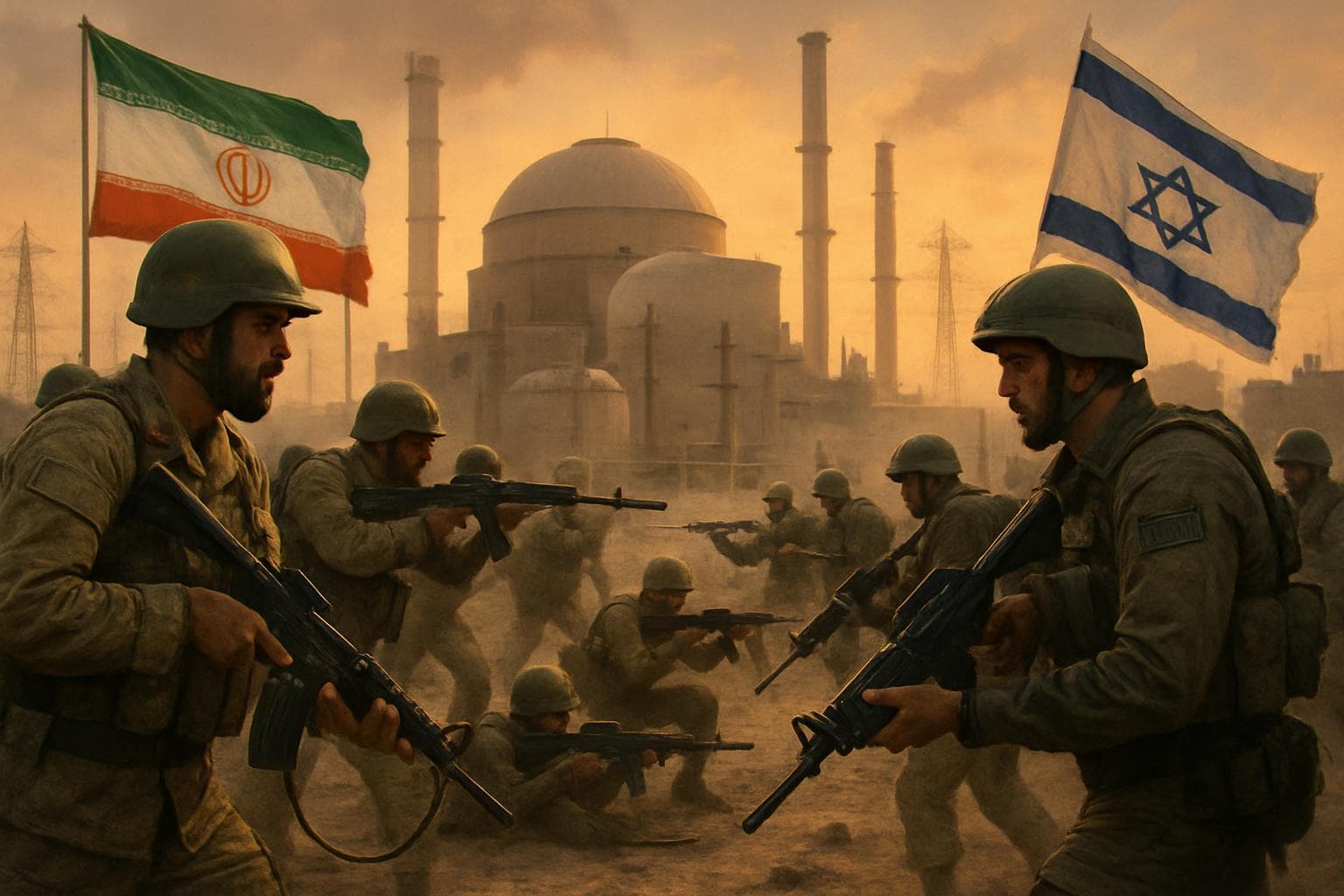
Iran's potential to resume uranium enrichment for a nuclear weapon within months has reignited global concerns, as stated by Rafael Grossi, head of the International Atomic Energy Agency (IAEA). Despite recent US and Israeli military strikes on Iranian nuclear facilities, Grossi emphasized that Iran retains the capability to restart its nuclear program swiftly. "They still possess the industrial and technological capacities," Grossi noted, suggesting that Iran could soon have centrifuges spinning to produce enriched uranium.
The strikes, which targeted key sites such as Fordo, Natanz, and Isfahan, were intended to thwart Iran's nuclear ambitions. However, a Pentagon intelligence assessment revealed that these actions only delayed Iran's progress by a few months. Former US President Donald Trump, who authorized the strikes, claimed the facilities were "completely destroyed," a statement contradicted by Grossi's assessment.
Ceasefire Amidst Ongoing Tensions
A ceasefire between Iran and Israel has temporarily halted hostilities, but the situation remains volatile. The conflict, which saw Israeli airstrikes killing at least 627 civilians in Iran, was justified by Israel as a preemptive measure against Iran's nuclear threat. Iran, however, insists its nuclear program is for peaceful purposes.
The ceasefire was marred by an Israeli airstrike on Tehran's Evin prison, resulting in at least 71 deaths, including staff, soldiers, and visiting family members. This attack drew international condemnation, with France's foreign minister labeling it "unacceptable."
Political Ramifications and International Reactions
In the political arena, Donald Trump has reiterated calls for a ceasefire between Israel and Hamas, while also criticizing the ongoing corruption trial of Israeli Prime Minister Benjamin Netanyahu. Trump expressed discontent over the prosecution, highlighting the US's significant financial support for Israel.
Netanyahu's trial, involving charges of bribery, fraud, and breach of trust, continues to unfold amidst these regional tensions. He denies the allegations, claiming they are politically motivated.
WHAT THIS MIGHT MEAN
The potential resumption of Iran's uranium enrichment could escalate tensions in the Middle East, prompting further military actions from Israel or the US. Diplomatic efforts, led by the IAEA, may seek to negotiate a long-term solution to prevent nuclear proliferation. Meanwhile, the ceasefire between Iran and Israel remains fragile, with the possibility of renewed hostilities if diplomatic channels fail. The international community will likely continue to monitor the situation closely, balancing the need for regional stability with the enforcement of non-proliferation agreements.
Related Articles

UK Faces Dilemmas Amid Iran Conflict and China Spying Allegations
US and Israel Intensify Military Campaign as Iran's Capabilities Dwindle
Middle East Conflict Drives UK Energy Prices to New Highs
Intensified US-Israel Strikes on Iran Spark Global Outcry
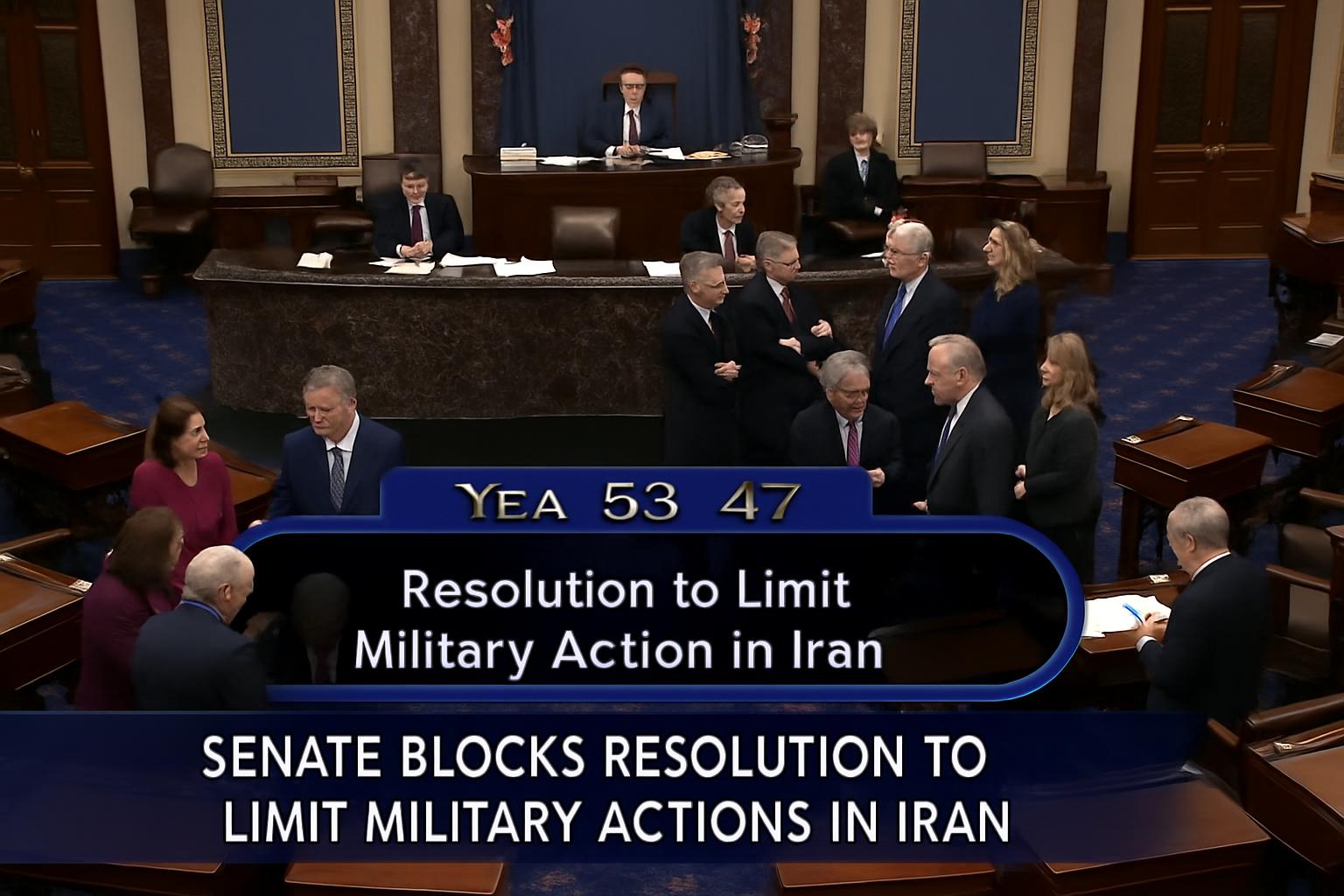
Senate Blocks Resolution to Limit Trump's Military Actions in Iran
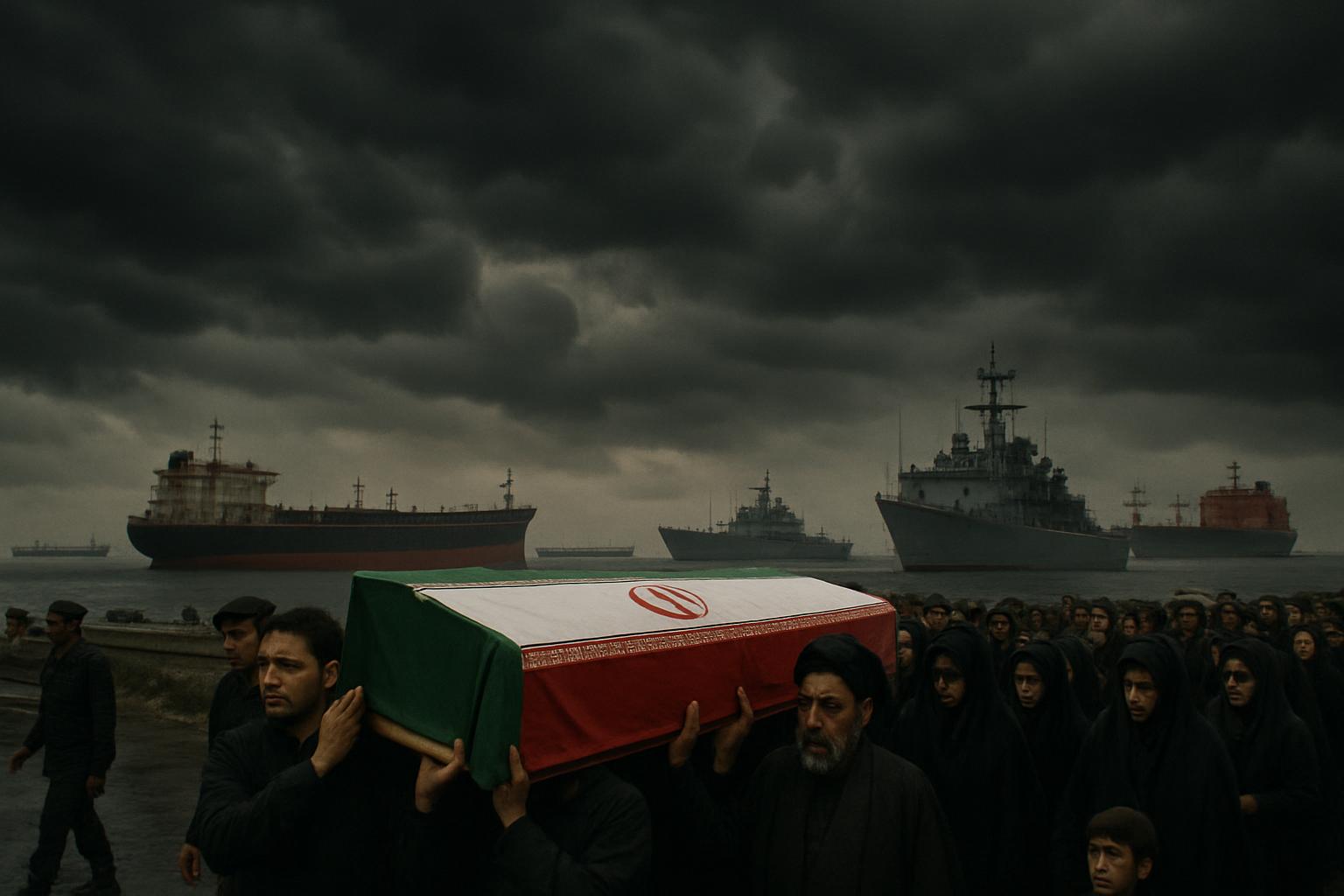
Iran Postpones Khamenei Funeral Amid Escalating US-Israeli Strikes
Iran's Nuclear Ambitions and Regional Tensions: A Complex Web of Conflict
In This Article
 James Okoro| Published
 HIGHLIGHTS
- Iran could resume uranium enrichment for a potential nuclear weapon within months, according to the UN nuclear chief.
- Recent US and Israeli strikes on Iranian nuclear sites have only temporarily set back Iran's nuclear capabilities.
- A ceasefire has been agreed upon between Iran and Israel, but tensions remain high with potential for further conflict.
- An Israeli airstrike on Tehran's Evin prison resulted in at least 71 deaths, raising international concerns.
- Former US President Donald Trump has called for a ceasefire between Israel and Hamas and criticized Netanyahu's ongoing corruption trial.
Iran's potential to resume uranium enrichment for a nuclear weapon within months has reignited global concerns, as stated by Rafael Grossi, head of the International Atomic Energy Agency (IAEA). Despite recent US and Israeli military strikes on Iranian nuclear facilities, Grossi emphasized that Iran retains the capability to restart its nuclear program swiftly. "They still possess the industrial and technological capacities," Grossi noted, suggesting that Iran could soon have centrifuges spinning to produce enriched uranium.
The strikes, which targeted key sites such as Fordo, Natanz, and Isfahan, were intended to thwart Iran's nuclear ambitions. However, a Pentagon intelligence assessment revealed that these actions only delayed Iran's progress by a few months. Former US President Donald Trump, who authorized the strikes, claimed the facilities were "completely destroyed," a statement contradicted by Grossi's assessment.
Ceasefire Amidst Ongoing Tensions
A ceasefire between Iran and Israel has temporarily halted hostilities, but the situation remains volatile. The conflict, which saw Israeli airstrikes killing at least 627 civilians in Iran, was justified by Israel as a preemptive measure against Iran's nuclear threat. Iran, however, insists its nuclear program is for peaceful purposes.
The ceasefire was marred by an Israeli airstrike on Tehran's Evin prison, resulting in at least 71 deaths, including staff, soldiers, and visiting family members. This attack drew international condemnation, with France's foreign minister labeling it "unacceptable."
Political Ramifications and International Reactions
In the political arena, Donald Trump has reiterated calls for a ceasefire between Israel and Hamas, while also criticizing the ongoing corruption trial of Israeli Prime Minister Benjamin Netanyahu. Trump expressed discontent over the prosecution, highlighting the US's significant financial support for Israel.
Netanyahu's trial, involving charges of bribery, fraud, and breach of trust, continues to unfold amidst these regional tensions. He denies the allegations, claiming they are politically motivated.
WHAT THIS MIGHT MEAN
The potential resumption of Iran's uranium enrichment could escalate tensions in the Middle East, prompting further military actions from Israel or the US. Diplomatic efforts, led by the IAEA, may seek to negotiate a long-term solution to prevent nuclear proliferation. Meanwhile, the ceasefire between Iran and Israel remains fragile, with the possibility of renewed hostilities if diplomatic channels fail. The international community will likely continue to monitor the situation closely, balancing the need for regional stability with the enforcement of non-proliferation agreements.
Related Articles
UK Faces Dilemmas Amid Iran Conflict and China Spying Allegations
US and Israel Intensify Military Campaign as Iran's Capabilities Dwindle
Middle East Conflict Drives UK Energy Prices to New Highs
Intensified US-Israel Strikes on Iran Spark Global Outcry
Senate Blocks Resolution to Limit Trump's Military Actions in Iran
Iran Postpones Khamenei Funeral Amid Escalating US-Israeli Strikes