
Iran Faces Severe Water Crisis as Drought Intensifies
In This Article
HIGHLIGHTS
- Iran is experiencing a severe drought, with Tehran and Mashhad facing critical water shortages.
- Tehran's water reservoirs are at record lows, with some dams holding less than 10% of their capacity.
- Mashhad's dam reservoirs have plunged below 3%, prompting urgent calls for water conservation.
- President Masoud Pezeshkian has warned of potential water rationing or even evacuation if the situation doesn't improve.
- Officials blame outdated infrastructure and recent conflicts for exacerbating the water crisis.
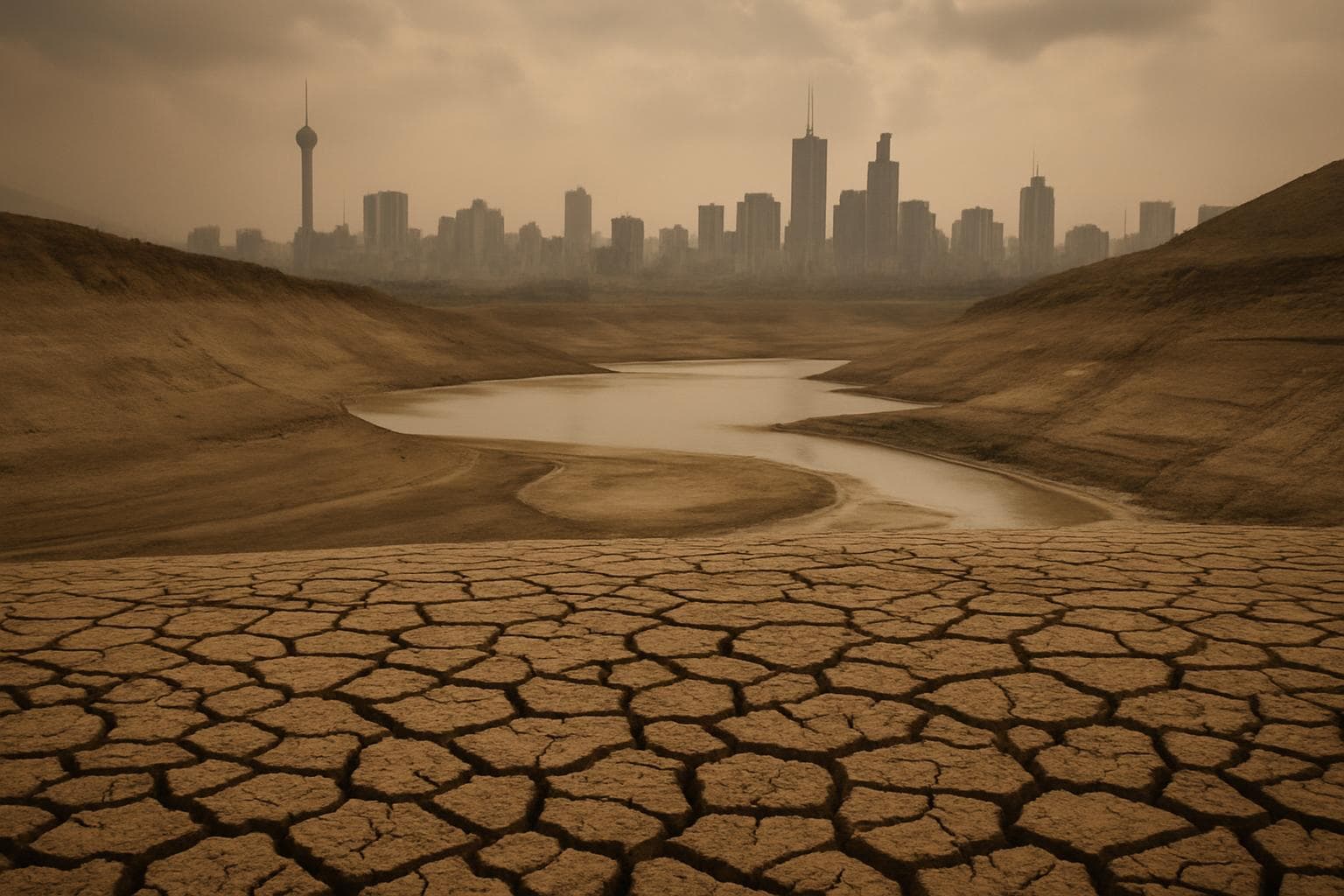
Iran is grappling with an unprecedented water crisis, as severe drought conditions threaten the water supply in major cities like Tehran and Mashhad. The situation has reached a critical point, with officials warning of potential water rationing and even evacuation if conditions do not improve.
Tehran's Water Woes
In Tehran, the capital city, water levels in key reservoirs have plummeted to alarming lows. The Latian Dam, a primary water source for the city, is operating at less than 10% capacity. Similarly, the Karaj Dam, which serves both Tehran and Alborz provinces, is in dire straits, holding only 8% of its capacity. President Masoud Pezeshkian has cautioned that without significant rainfall, the city may face water rationing, and in a worst-case scenario, evacuation. "If rationing doesn't work, we may have to evacuate Tehran," Pezeshkian stated, sparking criticism from former officials and the public.
Mashhad's Dire Situation
The crisis extends beyond Tehran. In Mashhad, Iran's second-largest city, water levels in dam reservoirs have dropped below 3%. Hossein Esmaeilian, the chief executive of the local water company, emphasized the necessity of managing water consumption, as the city relies heavily on its dwindling dam reserves. Authorities have urged residents to reduce water usage by 20% to avoid severe rationing.
Broader Implications and Causes
Nationwide, 19 major dams have effectively run dry, exacerbating the crisis. The Iranian government attributes the water shortages not only to the lack of rainfall but also to outdated infrastructure and recent conflicts. The 12-day conflict with Israel, which included strikes on Tehran's northern neighborhoods, has been cited as a contributing factor. Additionally, the politicization of environmental management and the appointment of unqualified officials have been criticized by local media as exacerbating the crisis.
WHAT THIS MIGHT MEAN
The ongoing water crisis in Iran poses significant challenges for the government and its citizens. If the drought persists, Tehran and other major cities may face severe water rationing or even evacuation, leading to potential social and economic disruptions. Experts suggest that urgent infrastructure upgrades and effective water management policies are crucial to mitigating the crisis. Additionally, international cooperation and climate adaptation strategies may be necessary to address the long-term impacts of climate change on Iran's water resources. As the situation unfolds, the Iranian government will need to balance immediate relief efforts with sustainable solutions to ensure water security for its population.
Related Articles
Iranian Students Lead Major Protests Amid Rising US-Iran Tensions

US-Iran Tensions Escalate Amid Renewed Nuclear Talks and Protests
Israeli Airstrikes in Lebanon's Bekaa Valley Leave 10 Dead Amid Rising Tensions
Middle East Conflict Drives UK Energy Prices to New Highs
US and Israel Intensify Military Campaign as Iran's Capabilities Dwindle
Intensified US-Israel Strikes on Iran Spark Global Outcry
Iran Faces Severe Water Crisis as Drought Intensifies
In This Article
 James Okoro| Published
 HIGHLIGHTS
- Iran is experiencing a severe drought, with Tehran and Mashhad facing critical water shortages.
- Tehran's water reservoirs are at record lows, with some dams holding less than 10% of their capacity.
- Mashhad's dam reservoirs have plunged below 3%, prompting urgent calls for water conservation.
- President Masoud Pezeshkian has warned of potential water rationing or even evacuation if the situation doesn't improve.
- Officials blame outdated infrastructure and recent conflicts for exacerbating the water crisis.
Iran is grappling with an unprecedented water crisis, as severe drought conditions threaten the water supply in major cities like Tehran and Mashhad. The situation has reached a critical point, with officials warning of potential water rationing and even evacuation if conditions do not improve.
Tehran's Water Woes
In Tehran, the capital city, water levels in key reservoirs have plummeted to alarming lows. The Latian Dam, a primary water source for the city, is operating at less than 10% capacity. Similarly, the Karaj Dam, which serves both Tehran and Alborz provinces, is in dire straits, holding only 8% of its capacity. President Masoud Pezeshkian has cautioned that without significant rainfall, the city may face water rationing, and in a worst-case scenario, evacuation. "If rationing doesn't work, we may have to evacuate Tehran," Pezeshkian stated, sparking criticism from former officials and the public.
Mashhad's Dire Situation
The crisis extends beyond Tehran. In Mashhad, Iran's second-largest city, water levels in dam reservoirs have dropped below 3%. Hossein Esmaeilian, the chief executive of the local water company, emphasized the necessity of managing water consumption, as the city relies heavily on its dwindling dam reserves. Authorities have urged residents to reduce water usage by 20% to avoid severe rationing.
Broader Implications and Causes
Nationwide, 19 major dams have effectively run dry, exacerbating the crisis. The Iranian government attributes the water shortages not only to the lack of rainfall but also to outdated infrastructure and recent conflicts. The 12-day conflict with Israel, which included strikes on Tehran's northern neighborhoods, has been cited as a contributing factor. Additionally, the politicization of environmental management and the appointment of unqualified officials have been criticized by local media as exacerbating the crisis.
WHAT THIS MIGHT MEAN
The ongoing water crisis in Iran poses significant challenges for the government and its citizens. If the drought persists, Tehran and other major cities may face severe water rationing or even evacuation, leading to potential social and economic disruptions. Experts suggest that urgent infrastructure upgrades and effective water management policies are crucial to mitigating the crisis. Additionally, international cooperation and climate adaptation strategies may be necessary to address the long-term impacts of climate change on Iran's water resources. As the situation unfolds, the Iranian government will need to balance immediate relief efforts with sustainable solutions to ensure water security for its population.
Related Articles
Iranian Students Lead Major Protests Amid Rising US-Iran Tensions
US-Iran Tensions Escalate Amid Renewed Nuclear Talks and Protests
Israeli Airstrikes in Lebanon's Bekaa Valley Leave 10 Dead Amid Rising Tensions
Middle East Conflict Drives UK Energy Prices to New Highs
US and Israel Intensify Military Campaign as Iran's Capabilities Dwindle
Intensified US-Israel Strikes on Iran Spark Global Outcry