
Escalating Israel-Iran Conflict Raises Global Concerns Over Nuclear Threats and Regional Stability
In This Article
HIGHLIGHTS
- Israel and Iran are engaged in escalating military strikes, with Israel citing Iran's potential nuclear threat as justification.
- US President Donald Trump has not yet decided on US involvement, though he claims Iran is close to developing a nuclear weapon.
- European leaders are advocating for diplomatic talks, with a meeting scheduled in Geneva to address the conflict.
- The conflict has resulted in significant casualties, with over 224 deaths in Iran and more than 24 in Israel.
- Iran's Supreme Leader Ayatollah Ali Khamenei has warned the US against military intervention, citing potential "irreparable damage."
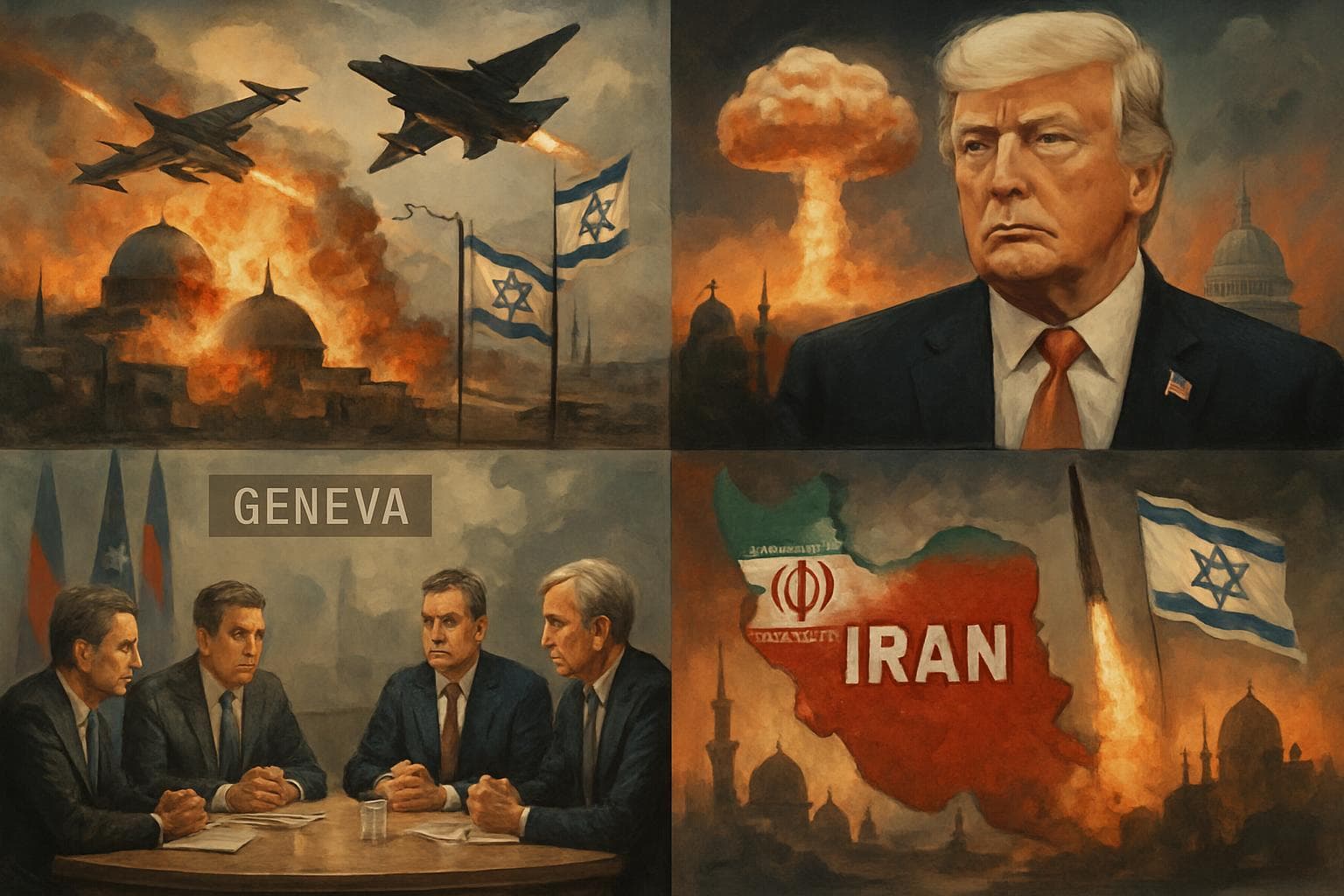
The ongoing conflict between Israel and Iran has intensified, with both nations exchanging military strikes amid growing international concern. Israel has justified its actions by claiming that Iran is on the verge of developing a nuclear weapon, a claim not fully supported by US intelligence or the International Atomic Energy Agency. The situation has prompted US President Donald Trump to consider military intervention, although he has yet to make a definitive decision.
Rising Tensions and Military Strikes
The conflict has seen a series of tit-for-tat strikes, with Israel targeting key Iranian nuclear sites, including the Natanz enrichment facility and Isfahan's nuclear site. In response, Iran has launched long-range missiles at Israeli targets. The violence has led to significant casualties, with reports indicating over 224 deaths in Iran and more than 24 in Israel. Rights groups suggest the Iranian death toll could be as high as 600.
Diplomatic Efforts and International Reactions
Amidst the escalating violence, European leaders are pushing for diplomatic negotiations. A meeting in Geneva is set to include foreign ministers from Germany, France, and Britain, alongside EU foreign policy chief Kaja Kallas, to discuss potential resolutions. French President Emmanuel Macron has expressed concern over the increasing civilian casualties resulting from Israeli strikes.
US Involvement and Political Implications
President Trump's stance remains uncertain, as he has yet to authorize military action against Iran despite approving preliminary plans. His comments about Iran's nuclear capabilities have sparked debate within the US, with some allies urging caution. Former Trump advisor Steve Bannon and Senator Rand Paul have voiced opposition to US military involvement without congressional approval.
Regional Impact and Security Concerns
The conflict has further destabilized the Middle East, with Israel's actions potentially aimed at weakening Iran's regional influence. Iran's Supreme Leader Ayatollah Ali Khamenei has warned the US against intervention, stating it would lead to "irreparable damage." The situation remains volatile, with the potential for broader regional implications if the conflict continues to escalate.
WHAT THIS MIGHT MEAN
The unfolding situation between Israel and Iran presents several potential outcomes. If diplomatic efforts in Geneva succeed, there may be a de-escalation of military actions and a renewed focus on negotiations regarding Iran's nuclear program. However, if the US decides to intervene militarily, it could lead to a broader regional conflict, drawing in other Middle Eastern nations and further destabilizing the area.
Experts suggest that Israel's strategy may be aimed at not only curbing Iran's nuclear ambitions but also diminishing its regional influence. The outcome of this conflict could significantly impact regional security dynamics and the balance of power in the Middle East. As the situation develops, international pressure for a peaceful resolution will likely intensify, with global leaders seeking to prevent further escalation and potential humanitarian crises.
Images from the Web
Related Articles
Middle East Conflict Drives UK Energy Prices to New Highs
Intensified US-Israel Strikes on Iran Spark Global Outcry
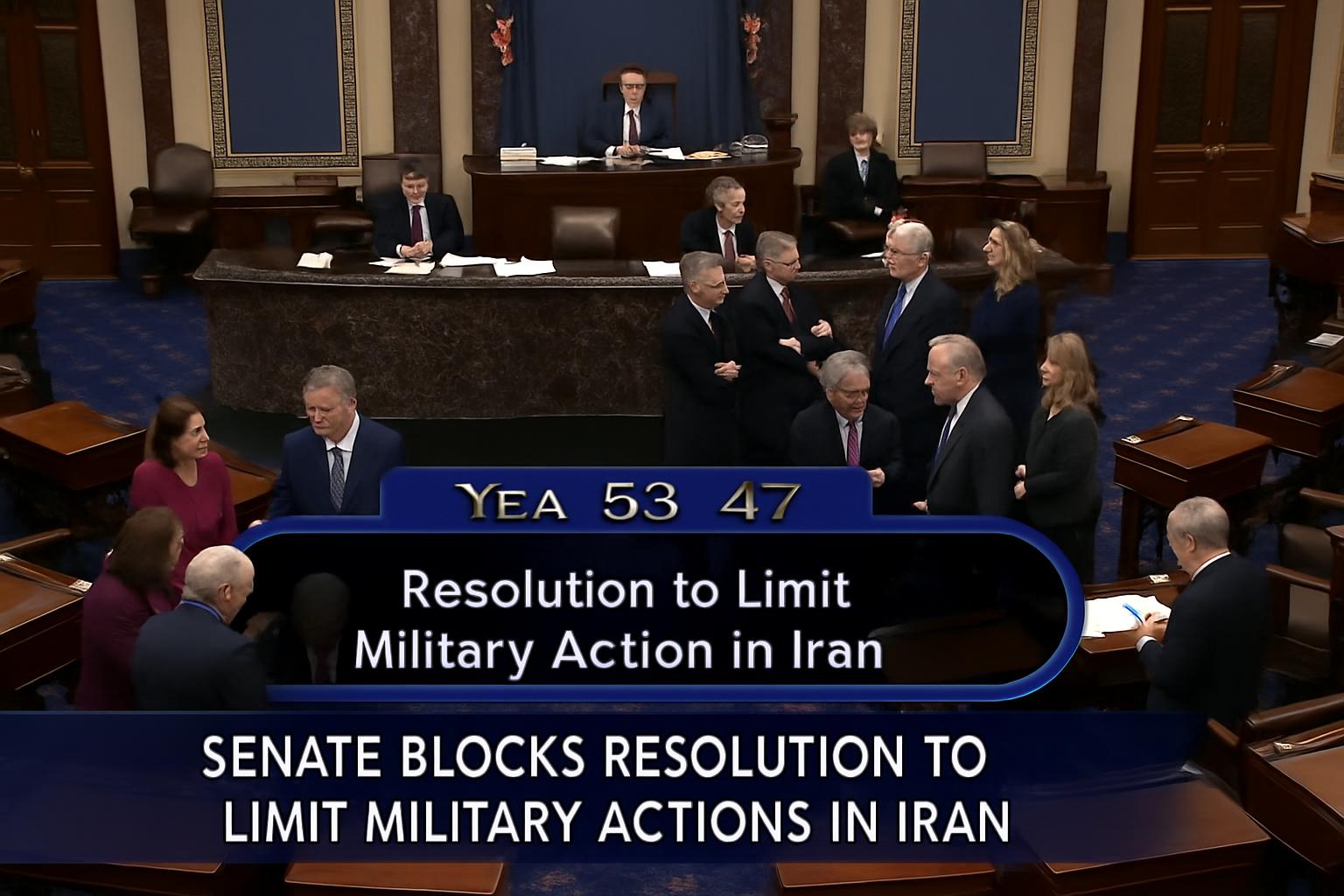
Senate Blocks Resolution to Limit Trump's Military Actions in Iran
US and Israel Intensify Military Campaign as Iran's Capabilities Dwindle
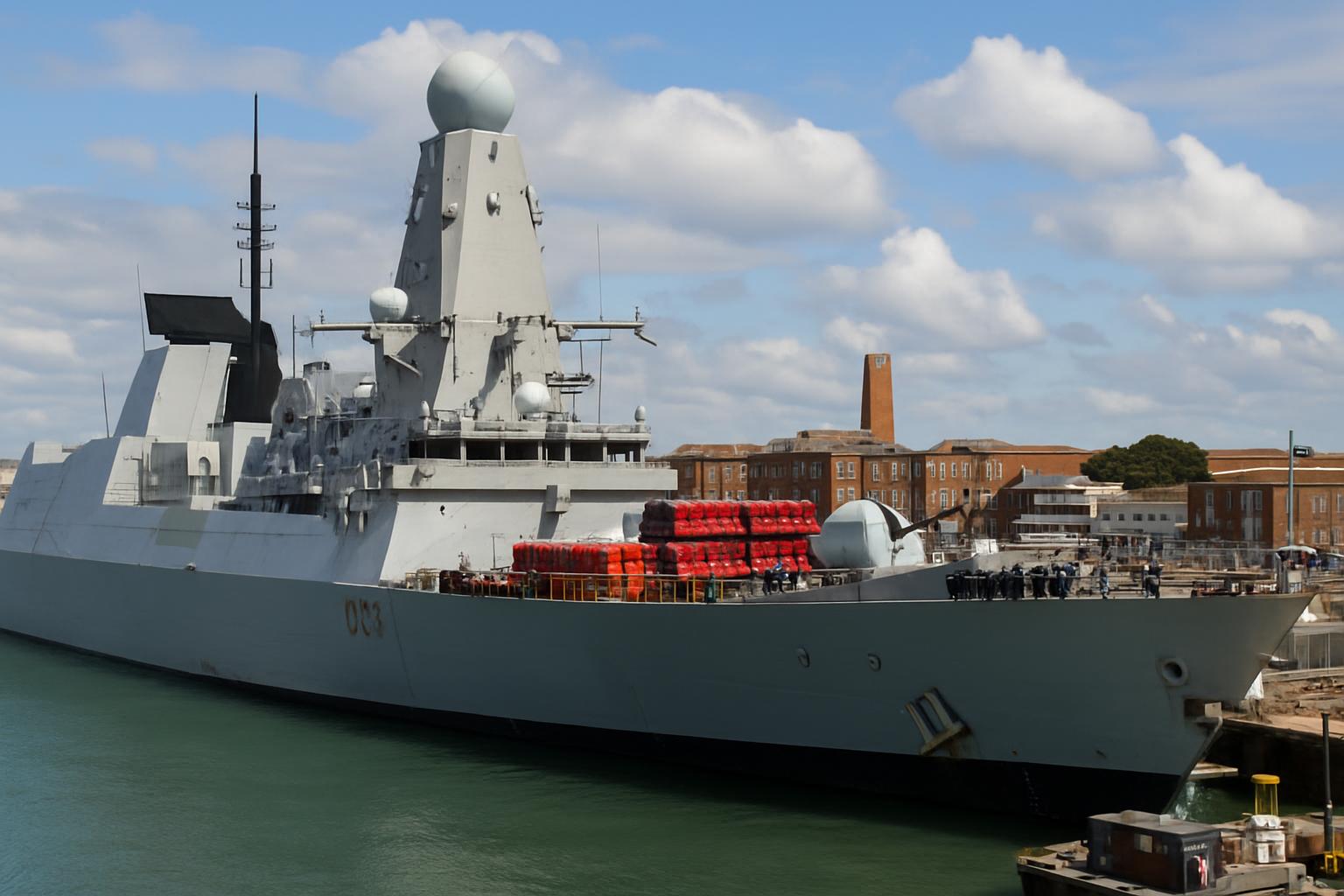
UK Reinforces Military Presence in Cyprus Amid Middle East Tensions
UK-Iran Tensions: Starmer Defends Cautious Approach Amid Trump Criticism
Escalating Israel-Iran Conflict Raises Global Concerns Over Nuclear Threats and Regional Stability
In This Article
 James Okoro| Published
 HIGHLIGHTS
- Israel and Iran are engaged in escalating military strikes, with Israel citing Iran's potential nuclear threat as justification.
- US President Donald Trump has not yet decided on US involvement, though he claims Iran is close to developing a nuclear weapon.
- European leaders are advocating for diplomatic talks, with a meeting scheduled in Geneva to address the conflict.
- The conflict has resulted in significant casualties, with over 224 deaths in Iran and more than 24 in Israel.
- Iran's Supreme Leader Ayatollah Ali Khamenei has warned the US against military intervention, citing potential "irreparable damage."
The ongoing conflict between Israel and Iran has intensified, with both nations exchanging military strikes amid growing international concern. Israel has justified its actions by claiming that Iran is on the verge of developing a nuclear weapon, a claim not fully supported by US intelligence or the International Atomic Energy Agency. The situation has prompted US President Donald Trump to consider military intervention, although he has yet to make a definitive decision.
Rising Tensions and Military Strikes
The conflict has seen a series of tit-for-tat strikes, with Israel targeting key Iranian nuclear sites, including the Natanz enrichment facility and Isfahan's nuclear site. In response, Iran has launched long-range missiles at Israeli targets. The violence has led to significant casualties, with reports indicating over 224 deaths in Iran and more than 24 in Israel. Rights groups suggest the Iranian death toll could be as high as 600.
Diplomatic Efforts and International Reactions
Amidst the escalating violence, European leaders are pushing for diplomatic negotiations. A meeting in Geneva is set to include foreign ministers from Germany, France, and Britain, alongside EU foreign policy chief Kaja Kallas, to discuss potential resolutions. French President Emmanuel Macron has expressed concern over the increasing civilian casualties resulting from Israeli strikes.
US Involvement and Political Implications
President Trump's stance remains uncertain, as he has yet to authorize military action against Iran despite approving preliminary plans. His comments about Iran's nuclear capabilities have sparked debate within the US, with some allies urging caution. Former Trump advisor Steve Bannon and Senator Rand Paul have voiced opposition to US military involvement without congressional approval.
Regional Impact and Security Concerns
The conflict has further destabilized the Middle East, with Israel's actions potentially aimed at weakening Iran's regional influence. Iran's Supreme Leader Ayatollah Ali Khamenei has warned the US against intervention, stating it would lead to "irreparable damage." The situation remains volatile, with the potential for broader regional implications if the conflict continues to escalate.
WHAT THIS MIGHT MEAN
The unfolding situation between Israel and Iran presents several potential outcomes. If diplomatic efforts in Geneva succeed, there may be a de-escalation of military actions and a renewed focus on negotiations regarding Iran's nuclear program. However, if the US decides to intervene militarily, it could lead to a broader regional conflict, drawing in other Middle Eastern nations and further destabilizing the area.
Experts suggest that Israel's strategy may be aimed at not only curbing Iran's nuclear ambitions but also diminishing its regional influence. The outcome of this conflict could significantly impact regional security dynamics and the balance of power in the Middle East. As the situation develops, international pressure for a peaceful resolution will likely intensify, with global leaders seeking to prevent further escalation and potential humanitarian crises.
Images from the Web
Related Articles
Middle East Conflict Drives UK Energy Prices to New Highs
Intensified US-Israel Strikes on Iran Spark Global Outcry
Senate Blocks Resolution to Limit Trump's Military Actions in Iran
US and Israel Intensify Military Campaign as Iran's Capabilities Dwindle
UK Reinforces Military Presence in Cyprus Amid Middle East Tensions
UK-Iran Tensions: Starmer Defends Cautious Approach Amid Trump Criticism