
Escalating Israel-Iran Conflict Sparks Fears of Wider Regional War
In This Article
HIGHLIGHTS
- Israel and Iran have engaged in escalating military strikes, with significant casualties reported on both sides.
- Israeli airstrikes have targeted over 100 sites in Iran, including nuclear facilities and military installations.
- Iran has retaliated with missile attacks on Israeli cities, causing civilian casualties and infrastructure damage.
- Key Iranian military leaders, including the head of the Revolutionary Guards, have been killed in the strikes.
- The conflict has raised concerns of a broader regional war, with international diplomatic efforts ongoing.
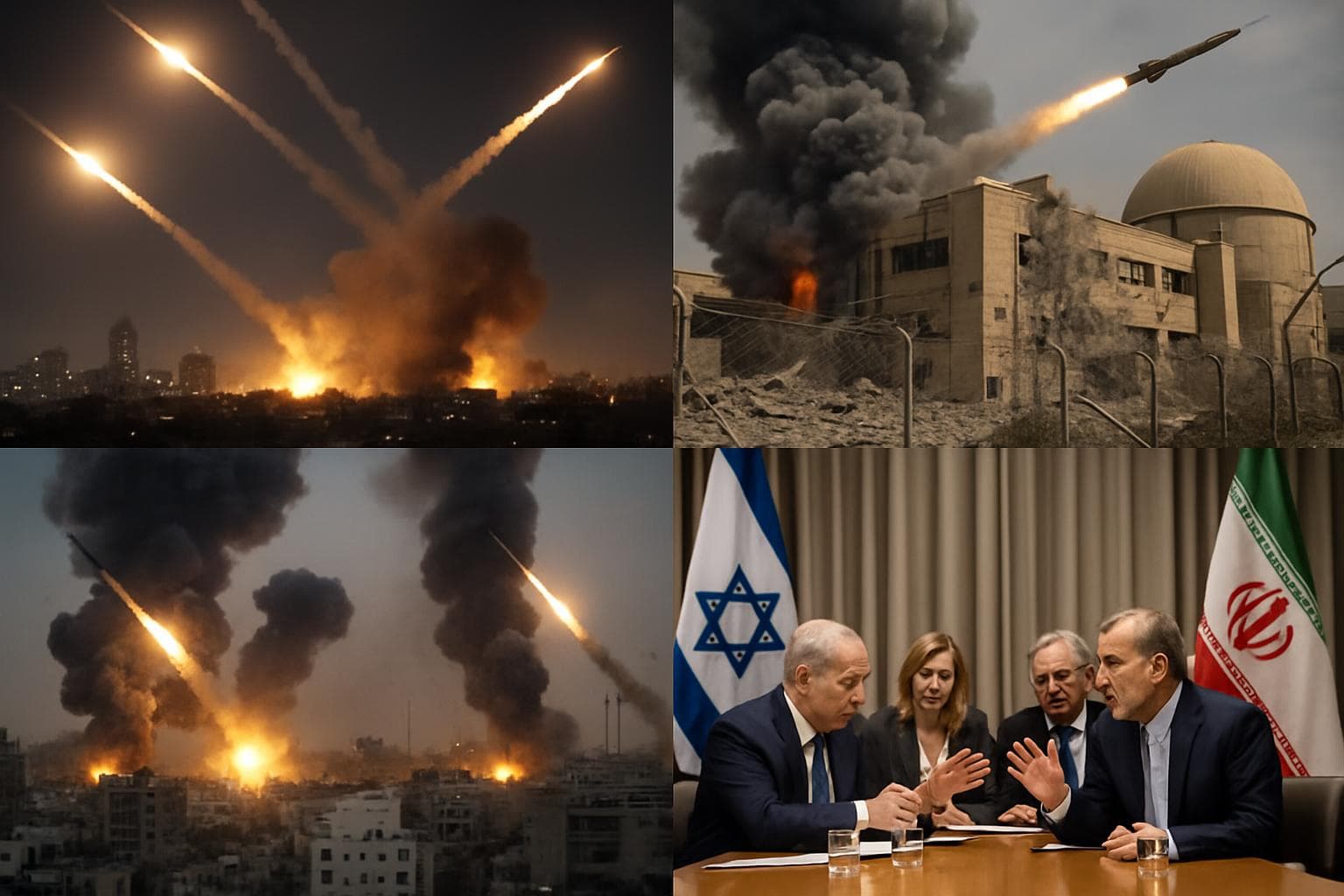
The ongoing conflict between Israel and Iran has intensified, with both nations launching a series of retaliatory strikes that have resulted in significant casualties and damage. The hostilities, now entering their fourth day, have seen Israel targeting over 100 sites in Iran, including key nuclear facilities and military installations. In response, Iran has launched missile attacks on Israeli cities, including Tel Aviv and Haifa, leading to civilian casualties and widespread damage.
Intensified Strikes and Casualties
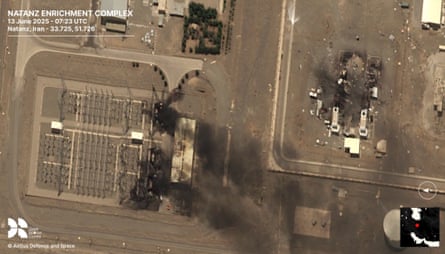
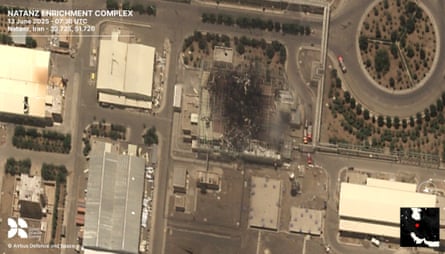
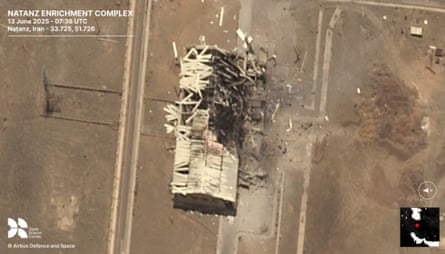
Israeli airstrikes have focused on Iran's nuclear infrastructure, with significant damage reported at the Natanz and Isfahan facilities. The strikes have also claimed the lives of senior Iranian military figures, including the head of the Revolutionary Guards, Mohammad Kazemi. Iran's health ministry reports 224 fatalities, with 90% being civilians, highlighting the severe impact on residential areas.
Iranian Retaliation and Civilian Impact
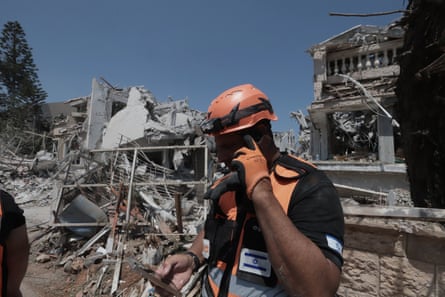
Iran's response has been swift, with missile strikes targeting Israeli cities. The attacks have resulted in at least 14 Israeli deaths and hundreds of injuries. In Bat Yam, near Tel Aviv, a missile strike on a residential building killed six people, including two children. Israeli Prime Minister Benjamin Netanyahu has vowed that Iran will "pay a very heavy price" for these attacks.
International Reactions and Diplomatic Efforts
The escalating conflict has drawn international attention, with US President Donald Trump expressing optimism for a potential peace deal. However, diplomatic efforts have been complicated by the ongoing military actions. The UK has moved military assets to the Middle East, and US defense systems have reportedly assisted in intercepting some Iranian missiles.
Strategic Implications and Military Developments
Israel claims to have gained air superiority over Tehran, a development that could further escalate the conflict. Israeli Defense Minister Israel Katz warned that "Tehran will burn" if further missiles are fired at Israel. Meanwhile, Iran has threatened to target military bases of Israeli allies, raising the stakes in this volatile situation.
WHAT THIS MIGHT MEAN
The ongoing conflict between Israel and Iran poses significant risks of a broader regional war. The involvement of international powers, such as the US and UK, could either help mediate a ceasefire or further complicate the situation. Experts suggest that continued military actions may lead to increased instability in the Middle East, potentially drawing in neighboring countries. The international community will need to navigate this complex geopolitical landscape carefully to prevent further escalation and work towards a sustainable resolution.
Images from the Web
Related Articles

UK Faces Dilemmas Amid Iran Conflict and China Spying Allegations

Middle East Conflict Drives UK Energy Prices to New Highs
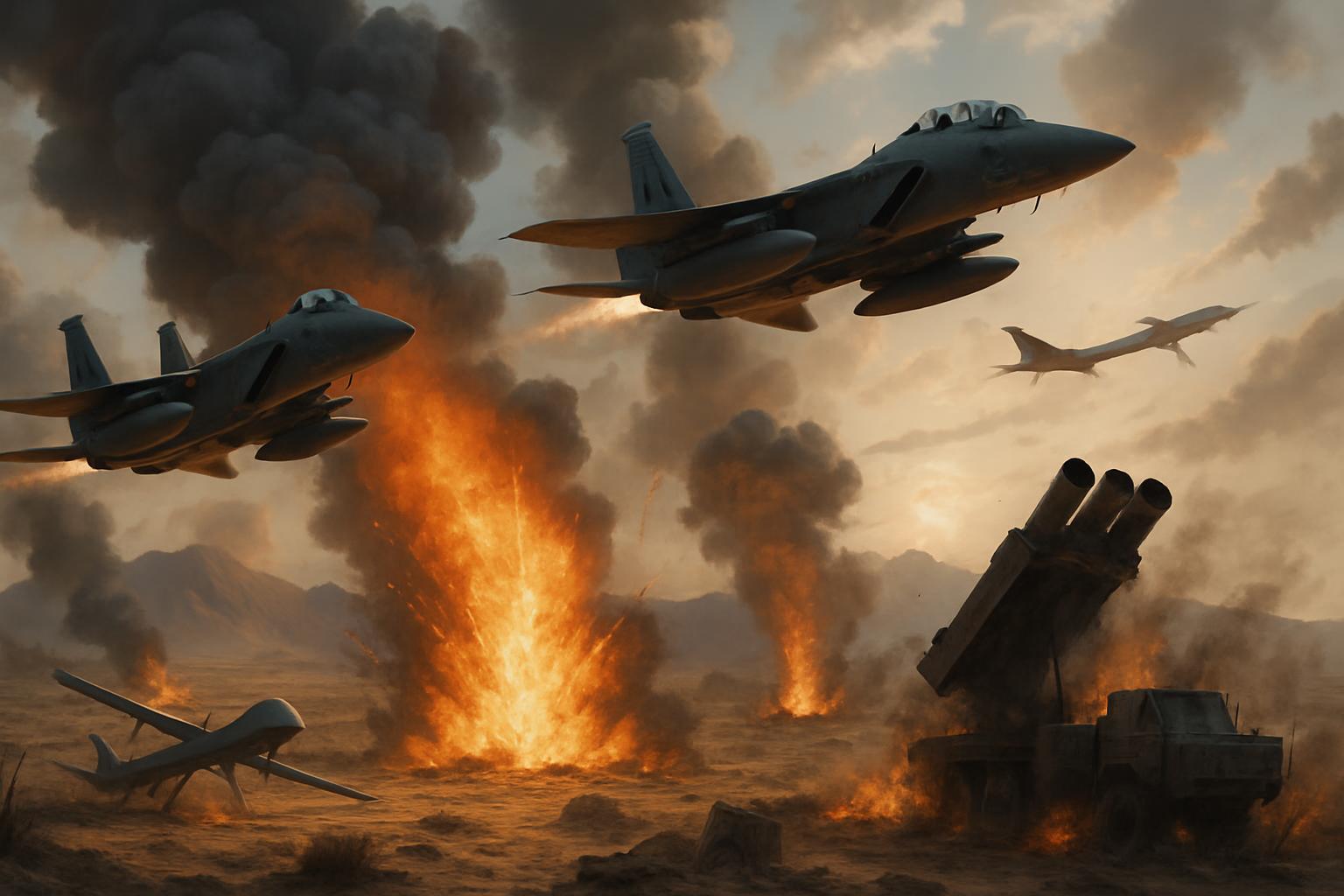
US and Israel Intensify Military Campaign as Iran's Capabilities Dwindle
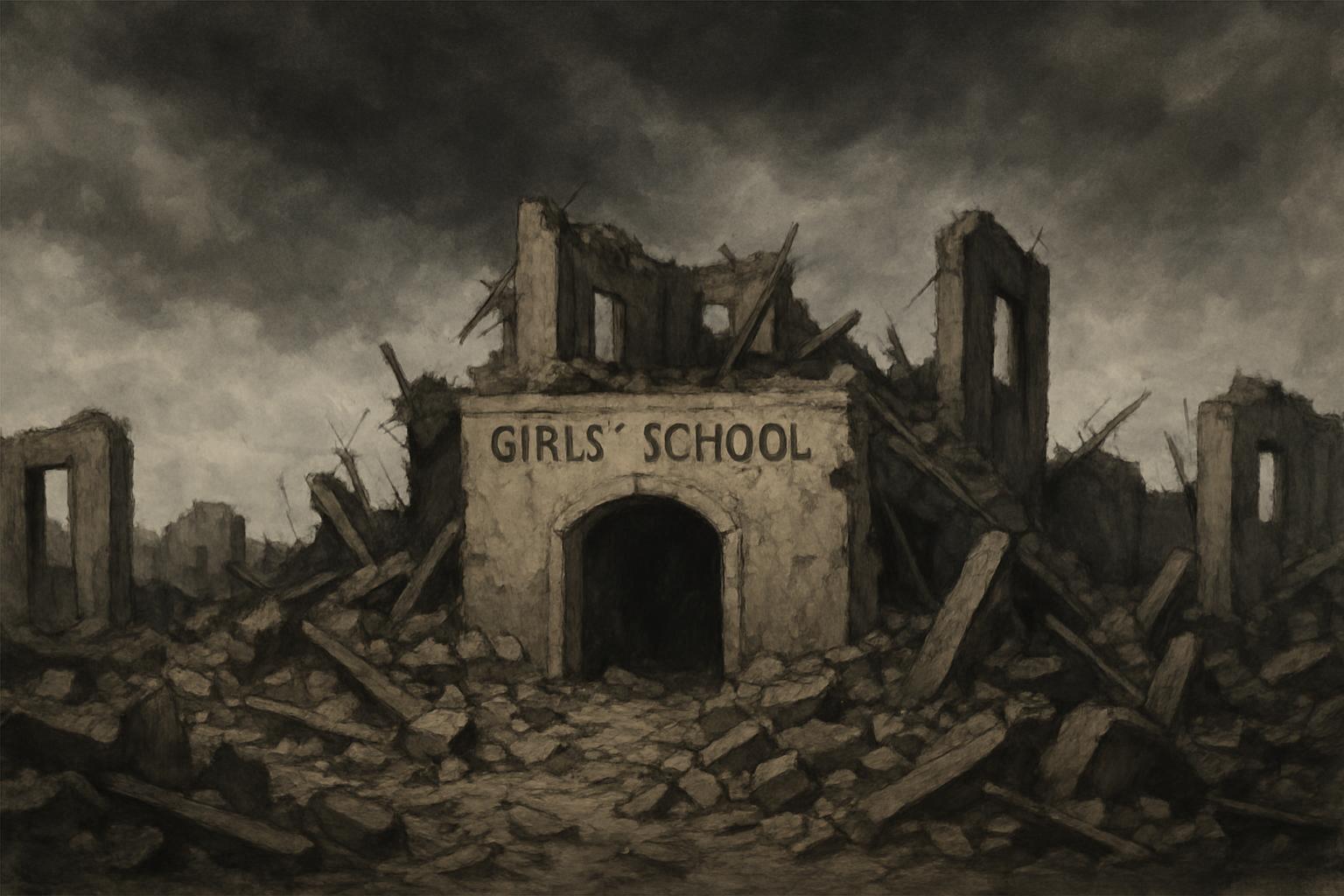
Intensified US-Israel Strikes on Iran Spark Global Outcry

Senate Blocks Resolution to Limit Trump's Military Actions in Iran
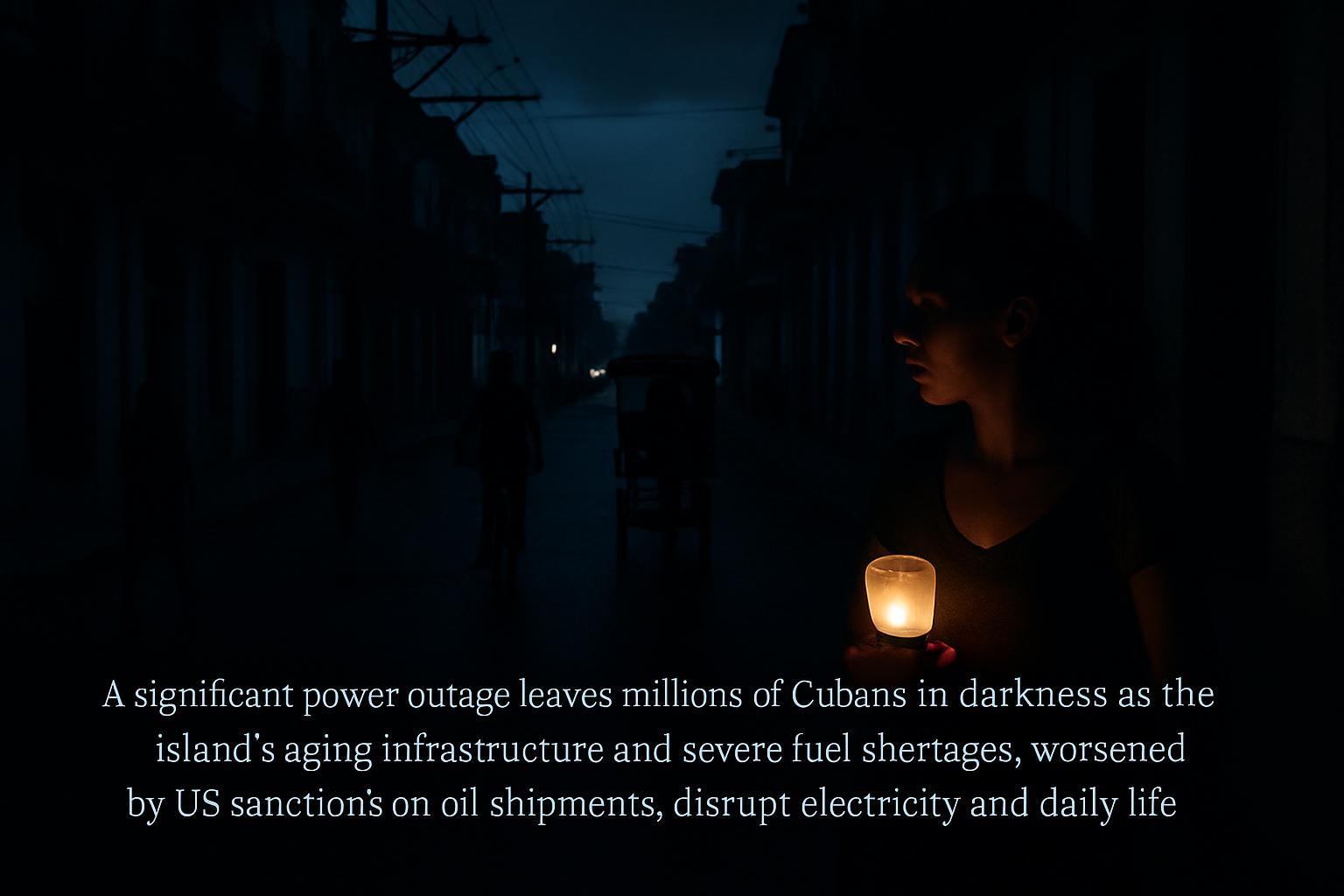
Cuba Faces Widespread Blackout Amid Deepening Fuel Crisis
Escalating Israel-Iran Conflict Sparks Fears of Wider Regional War
In This Article
 James Okoro| Published
 HIGHLIGHTS
- Israel and Iran have engaged in escalating military strikes, with significant casualties reported on both sides.
- Israeli airstrikes have targeted over 100 sites in Iran, including nuclear facilities and military installations.
- Iran has retaliated with missile attacks on Israeli cities, causing civilian casualties and infrastructure damage.
- Key Iranian military leaders, including the head of the Revolutionary Guards, have been killed in the strikes.
- The conflict has raised concerns of a broader regional war, with international diplomatic efforts ongoing.
The ongoing conflict between Israel and Iran has intensified, with both nations launching a series of retaliatory strikes that have resulted in significant casualties and damage. The hostilities, now entering their fourth day, have seen Israel targeting over 100 sites in Iran, including key nuclear facilities and military installations. In response, Iran has launched missile attacks on Israeli cities, including Tel Aviv and Haifa, leading to civilian casualties and widespread damage.
Intensified Strikes and Casualties
Israeli airstrikes have focused on Iran's nuclear infrastructure, with significant damage reported at the Natanz and Isfahan facilities. The strikes have also claimed the lives of senior Iranian military figures, including the head of the Revolutionary Guards, Mohammad Kazemi. Iran's health ministry reports 224 fatalities, with 90% being civilians, highlighting the severe impact on residential areas.
Iranian Retaliation and Civilian Impact
Iran's response has been swift, with missile strikes targeting Israeli cities. The attacks have resulted in at least 14 Israeli deaths and hundreds of injuries. In Bat Yam, near Tel Aviv, a missile strike on a residential building killed six people, including two children. Israeli Prime Minister Benjamin Netanyahu has vowed that Iran will "pay a very heavy price" for these attacks.
International Reactions and Diplomatic Efforts
The escalating conflict has drawn international attention, with US President Donald Trump expressing optimism for a potential peace deal. However, diplomatic efforts have been complicated by the ongoing military actions. The UK has moved military assets to the Middle East, and US defense systems have reportedly assisted in intercepting some Iranian missiles.
Strategic Implications and Military Developments
Israel claims to have gained air superiority over Tehran, a development that could further escalate the conflict. Israeli Defense Minister Israel Katz warned that "Tehran will burn" if further missiles are fired at Israel. Meanwhile, Iran has threatened to target military bases of Israeli allies, raising the stakes in this volatile situation.
WHAT THIS MIGHT MEAN
The ongoing conflict between Israel and Iran poses significant risks of a broader regional war. The involvement of international powers, such as the US and UK, could either help mediate a ceasefire or further complicate the situation. Experts suggest that continued military actions may lead to increased instability in the Middle East, potentially drawing in neighboring countries. The international community will need to navigate this complex geopolitical landscape carefully to prevent further escalation and work towards a sustainable resolution.
Images from the Web
Related Articles
UK Faces Dilemmas Amid Iran Conflict and China Spying Allegations
Middle East Conflict Drives UK Energy Prices to New Highs
US and Israel Intensify Military Campaign as Iran's Capabilities Dwindle
Intensified US-Israel Strikes on Iran Spark Global Outcry
Senate Blocks Resolution to Limit Trump's Military Actions in Iran
Cuba Faces Widespread Blackout Amid Deepening Fuel Crisis