
Global Outcry as Israeli Airstrike Kills Five Al Jazeera Journalists in Gaza
In This Article
HIGHLIGHTS
- An Israeli airstrike killed five Al Jazeera journalists, including Anas al-Sharif, in Gaza City, sparking global condemnation.
- Israel claims Sharif was a Hamas operative, but has provided limited evidence; media groups reject these allegations.
- The UN and media rights organizations have called for an independent investigation into the attack, citing breaches of international law.
- The incident highlights ongoing concerns about press freedom and the safety of journalists in conflict zones like Gaza.
- The attack has intensified scrutiny on Israel's military actions and its narrative control efforts in the Gaza conflict.
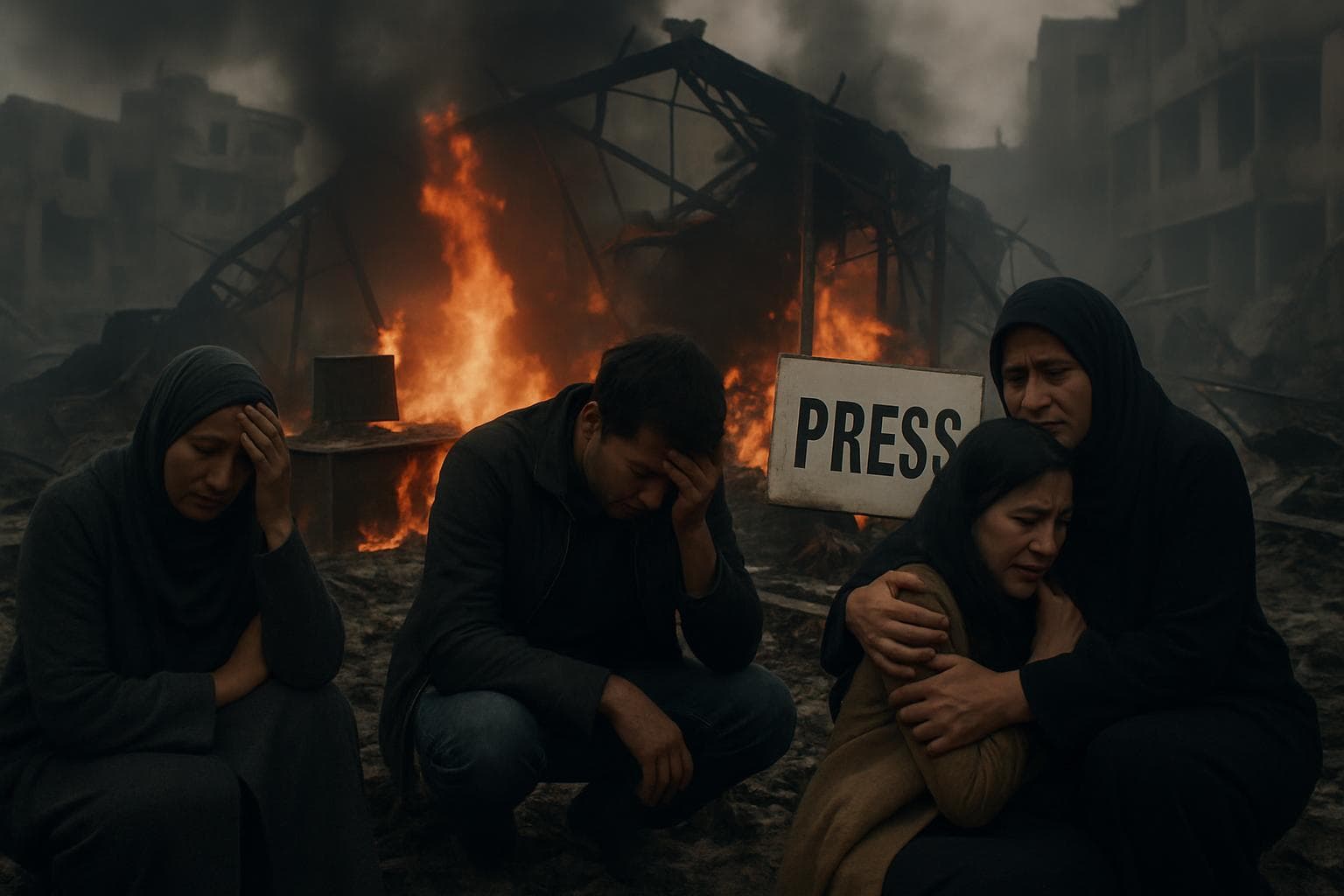
The international community has reacted with outrage following an Israeli airstrike that killed five Al Jazeera journalists in Gaza City, including the prominent correspondent Anas al-Sharif. The attack, which occurred on Sunday night outside al-Shifa hospital, has been widely condemned as a grave breach of international law.
Journalists Targeted in Conflict Zone
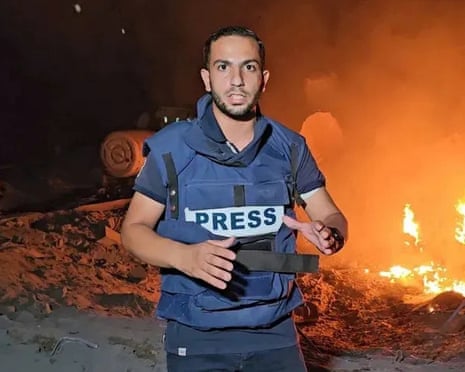
The strike claimed the lives of Anas al-Sharif, Mohammed Qreiqeh, and cameramen Ibrahim Zaher, Mohammed Noufal, and Moamen Aliwa. Two others, including freelance journalist Mohammed al-Khaldi, were also killed. The journalists were reportedly inside a tent used as a makeshift newsroom when the missile struck.
Israel's military has justified the attack by alleging that Sharif was the head of a Hamas terrorist cell, a claim that has been met with skepticism. Media rights groups, including the Committee to Protect Journalists (CPJ), have dismissed the allegations, citing a lack of credible evidence. "International law is very clear that only active combatants are legitimate targets during war," said CPJ CEO Jodie Ginsberg.
Calls for Investigation and Accountability
The United Nations and media freedom organizations have called for an independent investigation into the killings. UN Secretary-General Antonio Guterres emphasized the need for accountability, while the Foreign Press Association expressed outrage over the targeting of journalists, highlighting Israel's pattern of labeling journalists as militants without verifiable evidence.
The attack has intensified concerns about press freedom in Gaza, where over 180 journalists have been killed since the conflict began. The Israeli government has restricted international media access to the region, further complicating independent reporting efforts.
Personal Stories and Impact
Anas al-Sharif, a household name in Gaza, had been a prominent voice reporting on the conflict. Known for his fearless coverage, Sharif had previously reported on the deaths of his colleagues and the dire humanitarian situation in Gaza. He leaves behind a wife and two young children.
Wadi Abu al-Saud, a fellow journalist who witnessed the attack, described the harrowing scene: "I looked back and saw people burning in flames. Anas and the others had died instantly from the strike."
WHAT THIS MIGHT MEAN
The killing of Anas al-Sharif and his colleagues could lead to increased international pressure on Israel to allow independent investigations and ensure the safety of journalists in conflict zones. The incident may also prompt discussions on the need for stronger protections for journalists under international law.
Politically, the attack could strain Israel's diplomatic relations, particularly with countries advocating for press freedom and human rights. As global scrutiny mounts, Israel may face calls to provide more substantial evidence to support its claims against Sharif and address concerns about its military tactics in Gaza.
Moving forward, the international community may push for renewed dialogue on the broader implications of media suppression in conflict areas, emphasizing the critical role of journalists in documenting and reporting on humanitarian crises.
Images from the Web

Related Articles
Trump's Board of Peace Pledges $7 Billion for Gaza Amidst International Skepticism
Intensified US-Israel Strikes on Iran Spark Global Outcry
Palestinian-American Teen Killed by Israeli Settlers in West Bank Sparks Calls for Accountability
US-Iran Tensions Escalate Amid Military Buildup and Diplomatic Deadlock
US and Israel Intensify Military Campaign as Iran's Capabilities Dwindle
Senate Blocks Resolution to Limit Trump's Military Actions in Iran
Global Outcry as Israeli Airstrike Kills Five Al Jazeera Journalists in Gaza
In This Article
 Ethan Brooks| Published
 HIGHLIGHTS
- An Israeli airstrike killed five Al Jazeera journalists, including Anas al-Sharif, in Gaza City, sparking global condemnation.
- Israel claims Sharif was a Hamas operative, but has provided limited evidence; media groups reject these allegations.
- The UN and media rights organizations have called for an independent investigation into the attack, citing breaches of international law.
- The incident highlights ongoing concerns about press freedom and the safety of journalists in conflict zones like Gaza.
- The attack has intensified scrutiny on Israel's military actions and its narrative control efforts in the Gaza conflict.
The international community has reacted with outrage following an Israeli airstrike that killed five Al Jazeera journalists in Gaza City, including the prominent correspondent Anas al-Sharif. The attack, which occurred on Sunday night outside al-Shifa hospital, has been widely condemned as a grave breach of international law.
Journalists Targeted in Conflict Zone
The strike claimed the lives of Anas al-Sharif, Mohammed Qreiqeh, and cameramen Ibrahim Zaher, Mohammed Noufal, and Moamen Aliwa. Two others, including freelance journalist Mohammed al-Khaldi, were also killed. The journalists were reportedly inside a tent used as a makeshift newsroom when the missile struck.
Israel's military has justified the attack by alleging that Sharif was the head of a Hamas terrorist cell, a claim that has been met with skepticism. Media rights groups, including the Committee to Protect Journalists (CPJ), have dismissed the allegations, citing a lack of credible evidence. "International law is very clear that only active combatants are legitimate targets during war," said CPJ CEO Jodie Ginsberg.
Calls for Investigation and Accountability
The United Nations and media freedom organizations have called for an independent investigation into the killings. UN Secretary-General Antonio Guterres emphasized the need for accountability, while the Foreign Press Association expressed outrage over the targeting of journalists, highlighting Israel's pattern of labeling journalists as militants without verifiable evidence.
The attack has intensified concerns about press freedom in Gaza, where over 180 journalists have been killed since the conflict began. The Israeli government has restricted international media access to the region, further complicating independent reporting efforts.
Personal Stories and Impact
Anas al-Sharif, a household name in Gaza, had been a prominent voice reporting on the conflict. Known for his fearless coverage, Sharif had previously reported on the deaths of his colleagues and the dire humanitarian situation in Gaza. He leaves behind a wife and two young children.
Wadi Abu al-Saud, a fellow journalist who witnessed the attack, described the harrowing scene: "I looked back and saw people burning in flames. Anas and the others had died instantly from the strike."
WHAT THIS MIGHT MEAN
The killing of Anas al-Sharif and his colleagues could lead to increased international pressure on Israel to allow independent investigations and ensure the safety of journalists in conflict zones. The incident may also prompt discussions on the need for stronger protections for journalists under international law.
Politically, the attack could strain Israel's diplomatic relations, particularly with countries advocating for press freedom and human rights. As global scrutiny mounts, Israel may face calls to provide more substantial evidence to support its claims against Sharif and address concerns about its military tactics in Gaza.
Moving forward, the international community may push for renewed dialogue on the broader implications of media suppression in conflict areas, emphasizing the critical role of journalists in documenting and reporting on humanitarian crises.
Images from the Web
Related Articles
Trump's Board of Peace Pledges $7 Billion for Gaza Amidst International Skepticism
Intensified US-Israel Strikes on Iran Spark Global Outcry
Palestinian-American Teen Killed by Israeli Settlers in West Bank Sparks Calls for Accountability
US-Iran Tensions Escalate Amid Military Buildup and Diplomatic Deadlock
US and Israel Intensify Military Campaign as Iran's Capabilities Dwindle
Senate Blocks Resolution to Limit Trump's Military Actions in Iran