
International Outcry as Israeli Airstrikes Hit Gaza Hospital, Killing Journalists
In This Article
HIGHLIGHTS
- A double Israeli airstrike on Gaza's Nasser hospital killed 20 people, including five journalists, on Monday.
- The attack drew international condemnation, with calls for a ceasefire from global leaders.
- Israeli Prime Minister Netanyahu described the incident as a "tragic mishap" and announced an investigation.
- The World Health Organization reported significant damage to the hospital's emergency and surgical units.
- The Committee to Protect Journalists condemned the attack, highlighting the ongoing danger to media personnel in Gaza.
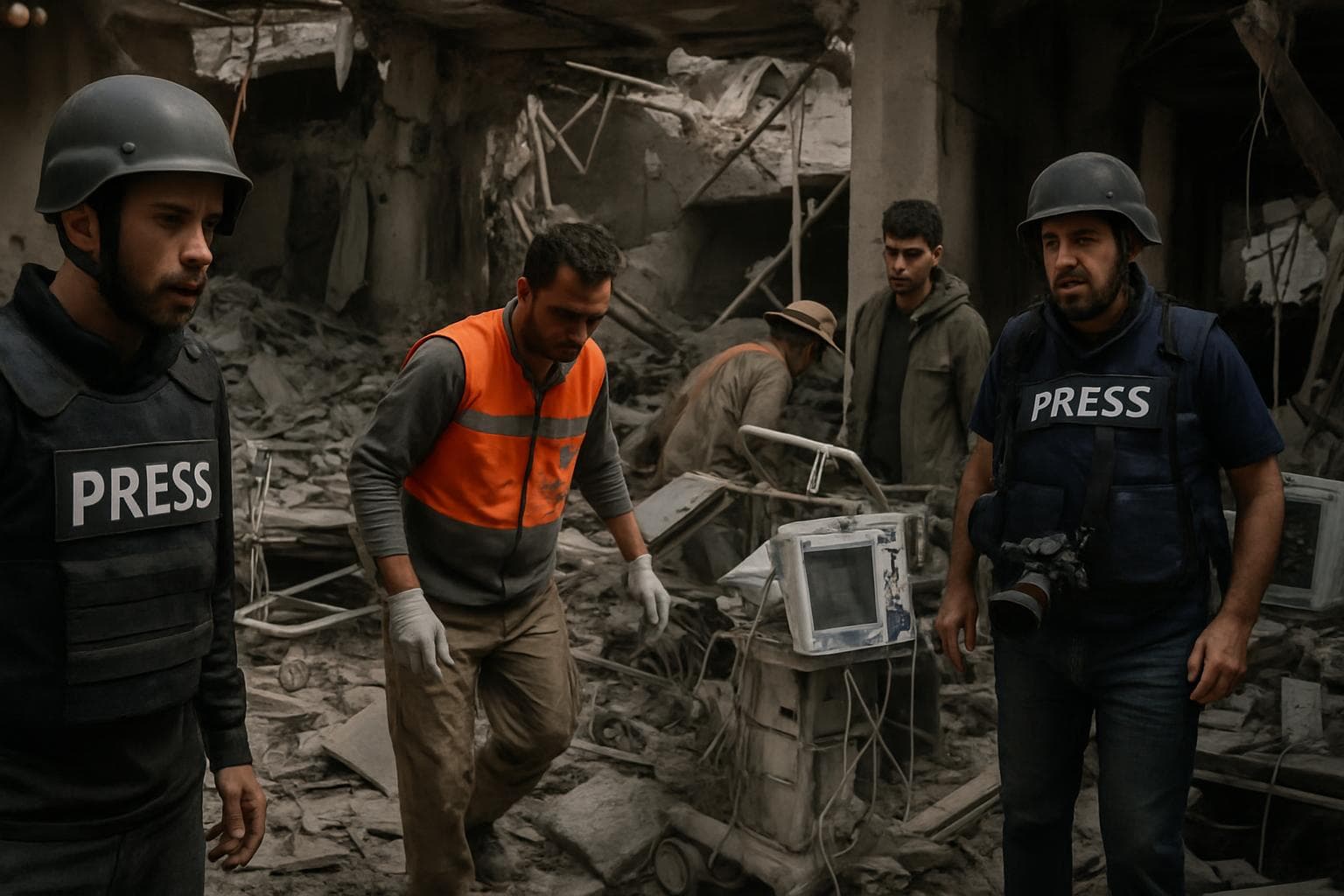
A double airstrike by Israeli forces on the Nasser hospital in southern Gaza on Monday resulted in the deaths of 20 individuals, including five journalists. The incident has sparked widespread international condemnation and calls for a ceasefire amid the ongoing conflict between Israel and Hamas.
The Incident and Immediate Aftermath
The first strike occurred at approximately 10:00 local time, targeting the top floor of the hospital. Among those killed was Reuters cameraman Hussam al-Masri, who was operating a live feed at the time. As rescuers and journalists rushed to the scene, a second strike hit the same location minutes later, causing further casualties and chaos. The World Health Organization confirmed that the hospital's emergency department and surgical units were severely damaged.
Global Reactions and Condemnation
The attack has drawn sharp criticism from international leaders. UK Foreign Secretary David Lammy expressed horror at the incident, emphasizing the need for the protection of civilians and media personnel. French President Emmanuel Macron labeled the attack "intolerable," while former US President Donald Trump expressed his dissatisfaction with the situation. The Committee to Protect Journalists (CPJ) condemned the strike, urging the international community to take action against what it described as unlawful killings.
Israeli Response and Investigation
Israeli Prime Minister Benjamin Netanyahu expressed regret over what he termed a "tragic mishap" and announced that military authorities are conducting a thorough investigation into the incident. Israel has previously justified strikes on hospitals by alleging their use by Hamas for military purposes, though such claims have often been met with skepticism by international observers.
Impact on Journalists and Media Safety
The deaths of journalists Mariam Abu Dagga, Mohammed Salam, Moaz Abu Taha, and Ahmad Abu Aziz have highlighted the perilous conditions faced by media personnel in Gaza. The Associated Press, mourning the loss of its freelancer Mariam Abu Dagga, reiterated its commitment to ensuring the safety of its journalists in conflict zones. According to the CPJ, at least 193 Palestinian journalists have been killed since October 2023, underscoring the severe risks involved in reporting from the region.
WHAT THIS MIGHT MEAN
The incident at Nasser hospital could potentially escalate tensions further in the already volatile region. The international community's response may pressure Israel to reconsider its military strategies, particularly concerning civilian and media safety. An independent investigation into the airstrikes could lead to calls for accountability and potentially influence future military engagements in Gaza. As global leaders continue to call for a ceasefire, the focus may shift towards diplomatic efforts to de-escalate the conflict and address the humanitarian crisis in the region.
Related Articles
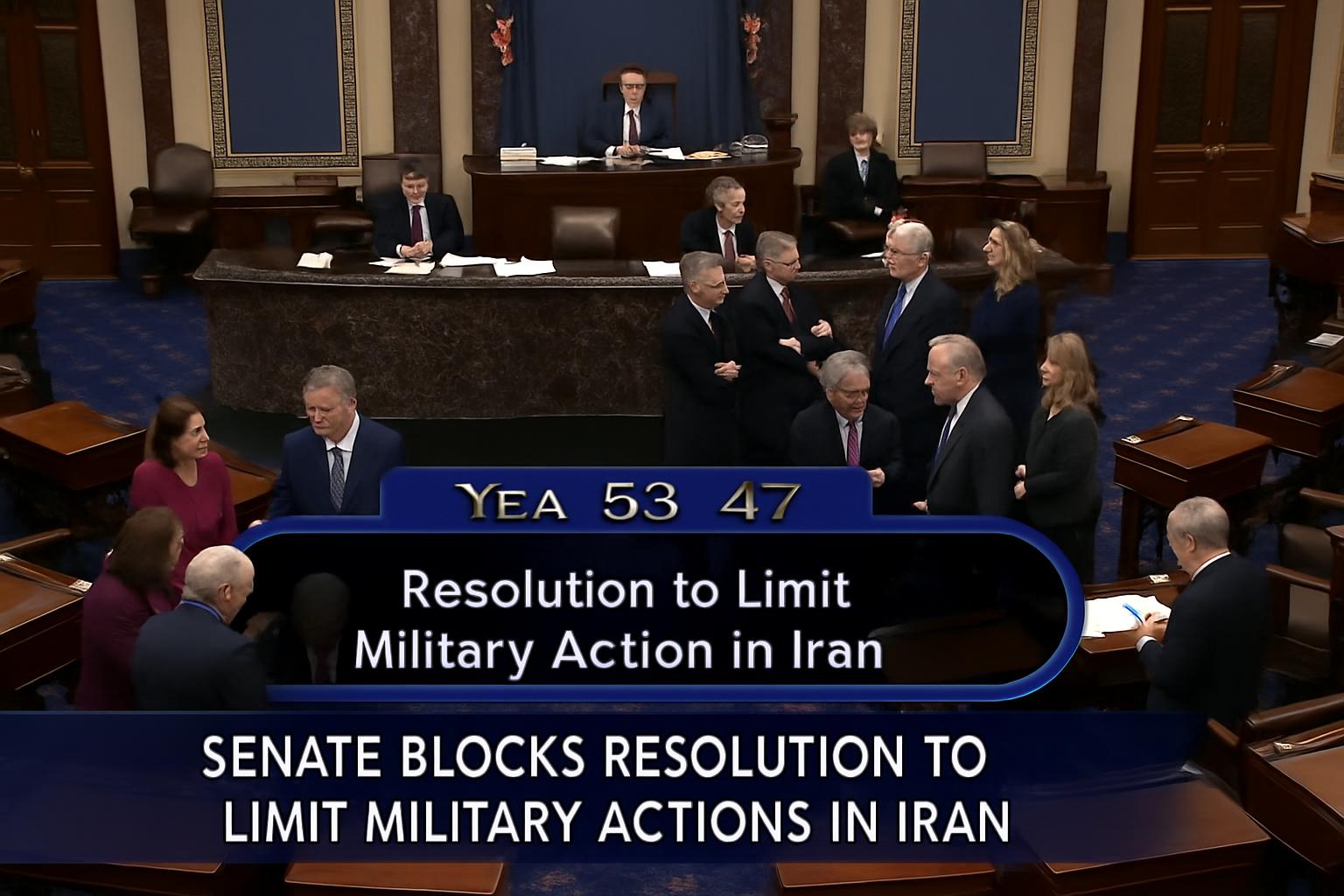
Senate Blocks Resolution to Limit Trump's Military Actions in Iran
US and Israel Intensify Military Campaign as Iran's Capabilities Dwindle
Intensified US-Israel Strikes on Iran Spark Global Outcry
Spain's Sánchez Stands Firm Against Trump's Trade Threat Over Iran Stance
Iran Postpones Khamenei Funeral Amid Escalating US-Israeli Strikes

Congress Subpoenas Attorney General Bondi in Epstein Investigation
International Outcry as Israeli Airstrikes Hit Gaza Hospital, Killing Journalists
In This Article
 Ethan Brooks| Published
 HIGHLIGHTS
- A double Israeli airstrike on Gaza's Nasser hospital killed 20 people, including five journalists, on Monday.
- The attack drew international condemnation, with calls for a ceasefire from global leaders.
- Israeli Prime Minister Netanyahu described the incident as a "tragic mishap" and announced an investigation.
- The World Health Organization reported significant damage to the hospital's emergency and surgical units.
- The Committee to Protect Journalists condemned the attack, highlighting the ongoing danger to media personnel in Gaza.
A double airstrike by Israeli forces on the Nasser hospital in southern Gaza on Monday resulted in the deaths of 20 individuals, including five journalists. The incident has sparked widespread international condemnation and calls for a ceasefire amid the ongoing conflict between Israel and Hamas.
The Incident and Immediate Aftermath
The first strike occurred at approximately 10:00 local time, targeting the top floor of the hospital. Among those killed was Reuters cameraman Hussam al-Masri, who was operating a live feed at the time. As rescuers and journalists rushed to the scene, a second strike hit the same location minutes later, causing further casualties and chaos. The World Health Organization confirmed that the hospital's emergency department and surgical units were severely damaged.
Global Reactions and Condemnation
The attack has drawn sharp criticism from international leaders. UK Foreign Secretary David Lammy expressed horror at the incident, emphasizing the need for the protection of civilians and media personnel. French President Emmanuel Macron labeled the attack "intolerable," while former US President Donald Trump expressed his dissatisfaction with the situation. The Committee to Protect Journalists (CPJ) condemned the strike, urging the international community to take action against what it described as unlawful killings.
Israeli Response and Investigation
Israeli Prime Minister Benjamin Netanyahu expressed regret over what he termed a "tragic mishap" and announced that military authorities are conducting a thorough investigation into the incident. Israel has previously justified strikes on hospitals by alleging their use by Hamas for military purposes, though such claims have often been met with skepticism by international observers.
Impact on Journalists and Media Safety
The deaths of journalists Mariam Abu Dagga, Mohammed Salam, Moaz Abu Taha, and Ahmad Abu Aziz have highlighted the perilous conditions faced by media personnel in Gaza. The Associated Press, mourning the loss of its freelancer Mariam Abu Dagga, reiterated its commitment to ensuring the safety of its journalists in conflict zones. According to the CPJ, at least 193 Palestinian journalists have been killed since October 2023, underscoring the severe risks involved in reporting from the region.
WHAT THIS MIGHT MEAN
The incident at Nasser hospital could potentially escalate tensions further in the already volatile region. The international community's response may pressure Israel to reconsider its military strategies, particularly concerning civilian and media safety. An independent investigation into the airstrikes could lead to calls for accountability and potentially influence future military engagements in Gaza. As global leaders continue to call for a ceasefire, the focus may shift towards diplomatic efforts to de-escalate the conflict and address the humanitarian crisis in the region.
Related Articles
Senate Blocks Resolution to Limit Trump's Military Actions in Iran
US and Israel Intensify Military Campaign as Iran's Capabilities Dwindle
Intensified US-Israel Strikes on Iran Spark Global Outcry
Spain's Sánchez Stands Firm Against Trump's Trade Threat Over Iran Stance
Iran Postpones Khamenei Funeral Amid Escalating US-Israeli Strikes
Congress Subpoenas Attorney General Bondi in Epstein Investigation