
Israeli Demolition of UNRWA Headquarters in East Jerusalem Sparks International Outcry
In This Article
HIGHLIGHTS
- Israeli authorities have demolished the UNRWA headquarters in East Jerusalem, citing alleged Hamas infiltration.
- The UN and international figures have condemned the action, calling it a violation of international law.
- Israel passed a law in 2025 banning UNRWA operations in its territories, intensifying pressure on the agency.
- UNRWA denies the allegations of Hamas collaboration and highlights the lack of evidence provided by Israel.
- The demolition is part of broader Israeli measures against UNRWA, affecting its operations in the region.
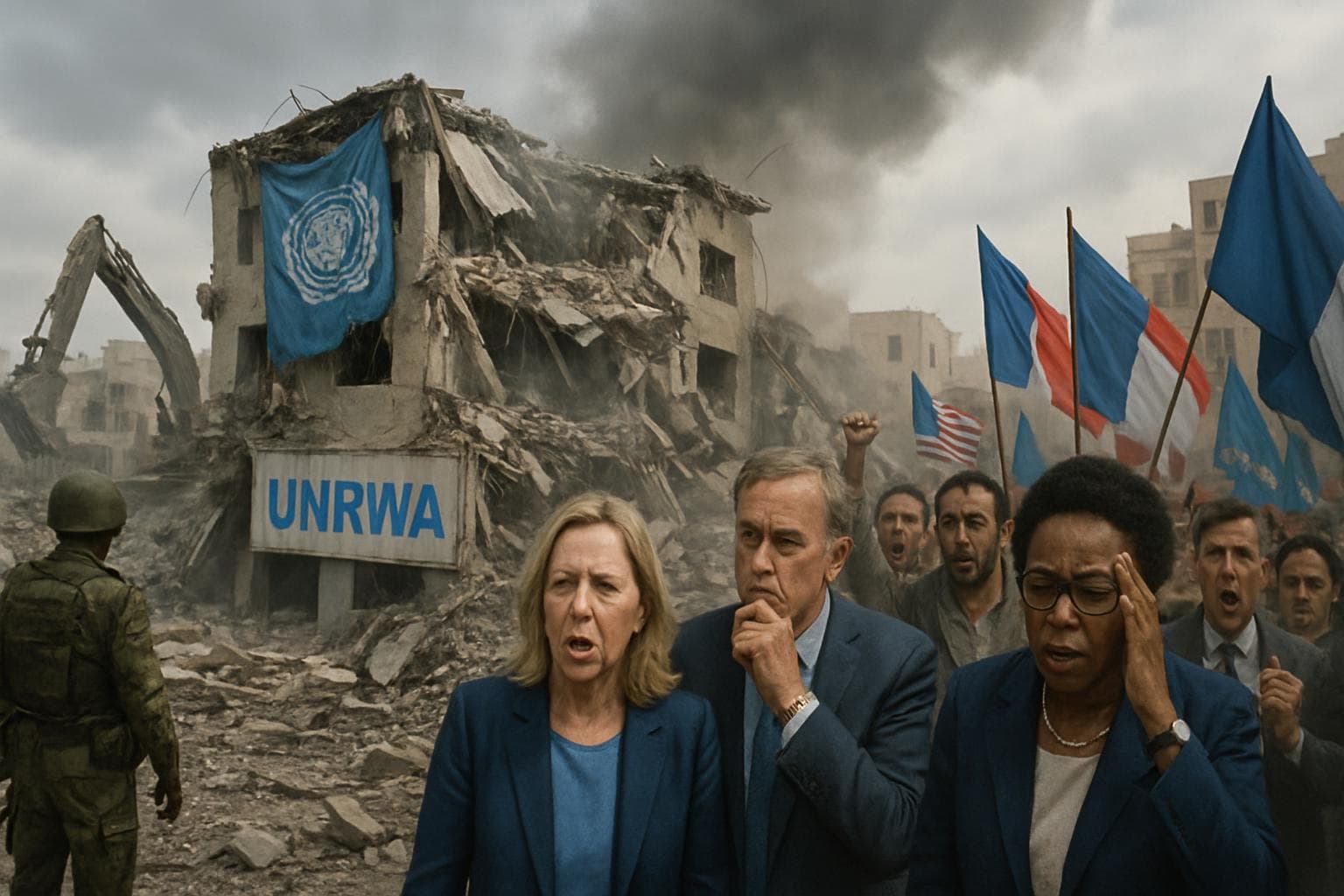
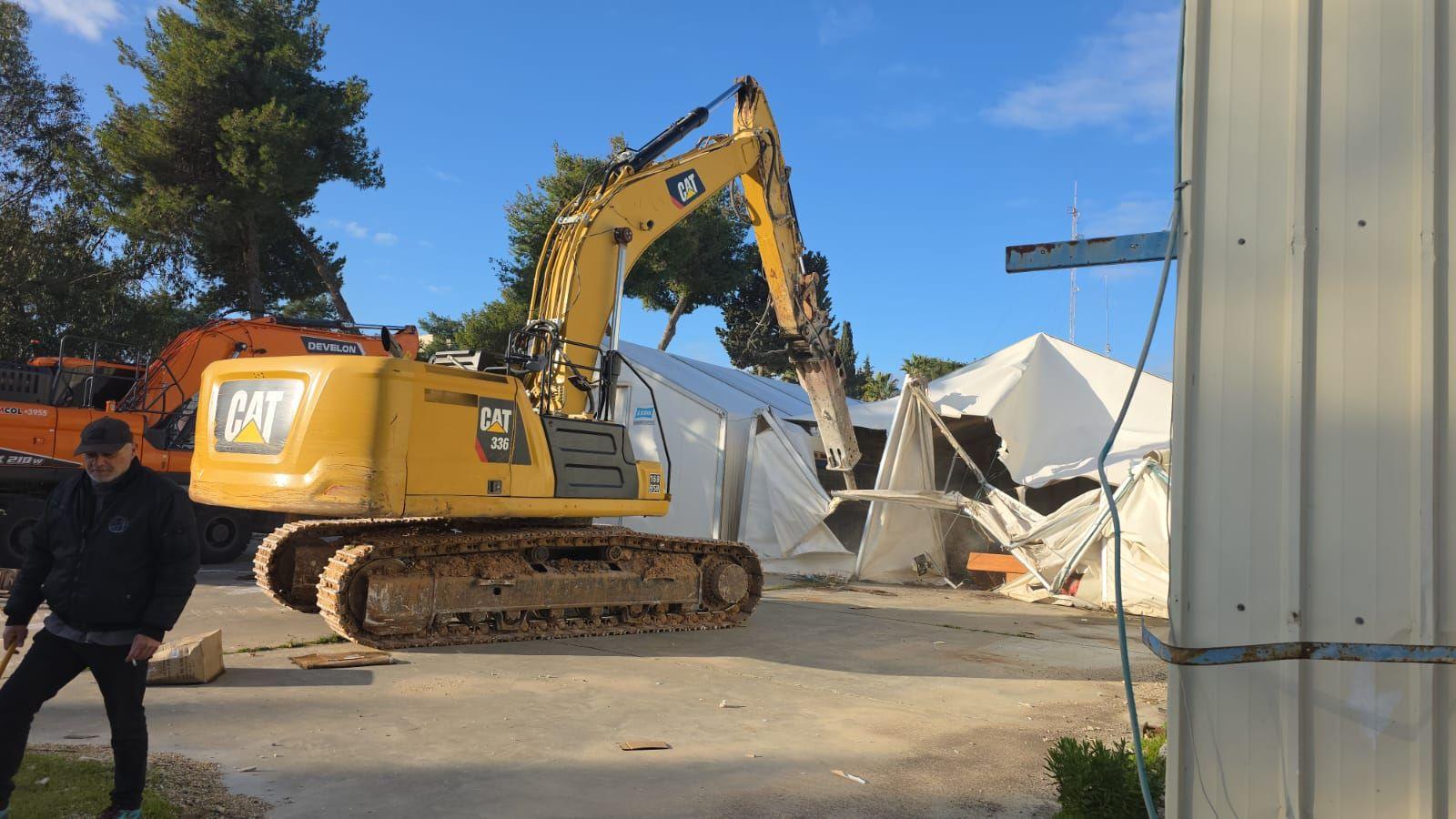
In a move that has drawn widespread international condemnation, Israeli authorities have demolished the headquarters of the United Nations Relief and Works Agency (UNRWA) in East Jerusalem. The demolition, which took place early Tuesday morning, is the latest development in a series of actions by Israel against the agency, which provides essential services to Palestinian refugees.
Background and Allegations
The Israeli government has accused UNRWA of being infiltrated by Hamas, the militant group responsible for the October 7, 2023, attacks. Despite these allegations, UNRWA has consistently denied any collaboration with Hamas, and the United Nations has called for evidence to substantiate Israel's claims. The agency's facilities are protected under international law, which Israel argues is void due to the alleged infiltration.
Legal and Political Context
The demolition follows a controversial law passed by Israel in January 2025, which banned UNRWA from operating within its territories, including East Jerusalem. This law has led to increased pressure on the agency, with closures of facilities and disruptions to its operations. Philippe Lazzarini, UNRWA's Commissioner-General, described the demolition as a "deliberate defiance of international law."
International Reactions
The United Nations Secretary-General António Guterres has condemned the demolition, urging Israel to restore the compound. Britain's Middle East Minister, Hamish Falconer, expressed his dismay, emphasizing the legal protections afforded to UN facilities. Despite these reactions, Israeli officials, including National Security Minister Itamar Ben-Gvir, have defended the demolition, labeling it a "historic day."
Impact on UNRWA Operations
UNRWA's operations have been significantly impacted by Israeli actions, with facilities in East Jerusalem and the West Bank facing closures and harassment. The agency, which serves millions of Palestinian refugees, continues to operate under challenging conditions, striving to maintain its services amidst growing political and legal challenges.
WHAT THIS MIGHT MEAN
The demolition of the UNRWA headquarters in East Jerusalem marks a significant escalation in Israeli actions against the agency. Moving forward, this could lead to increased tensions between Israel and the international community, particularly if further evidence of Hamas infiltration is not provided. The situation may also impact UNRWA's ability to deliver essential services to Palestinian refugees, potentially exacerbating humanitarian conditions in the region. Legal experts suggest that continued violations of international law could lead to diplomatic repercussions for Israel, although the geopolitical complexities of the Israeli-Palestinian conflict may limit immediate consequences.
Images from the Web
Related Articles

Palestinian-American Teen Killed by Israeli Settlers in West Bank Sparks Calls for Accountability
Trump's Board of Peace Pledges $7 Billion for Gaza Amidst International Skepticism
Intensified US-Israel Strikes on Iran Spark Global Outcry

US-Iran Tensions Escalate Amid Military Buildup and Diplomatic Deadlock
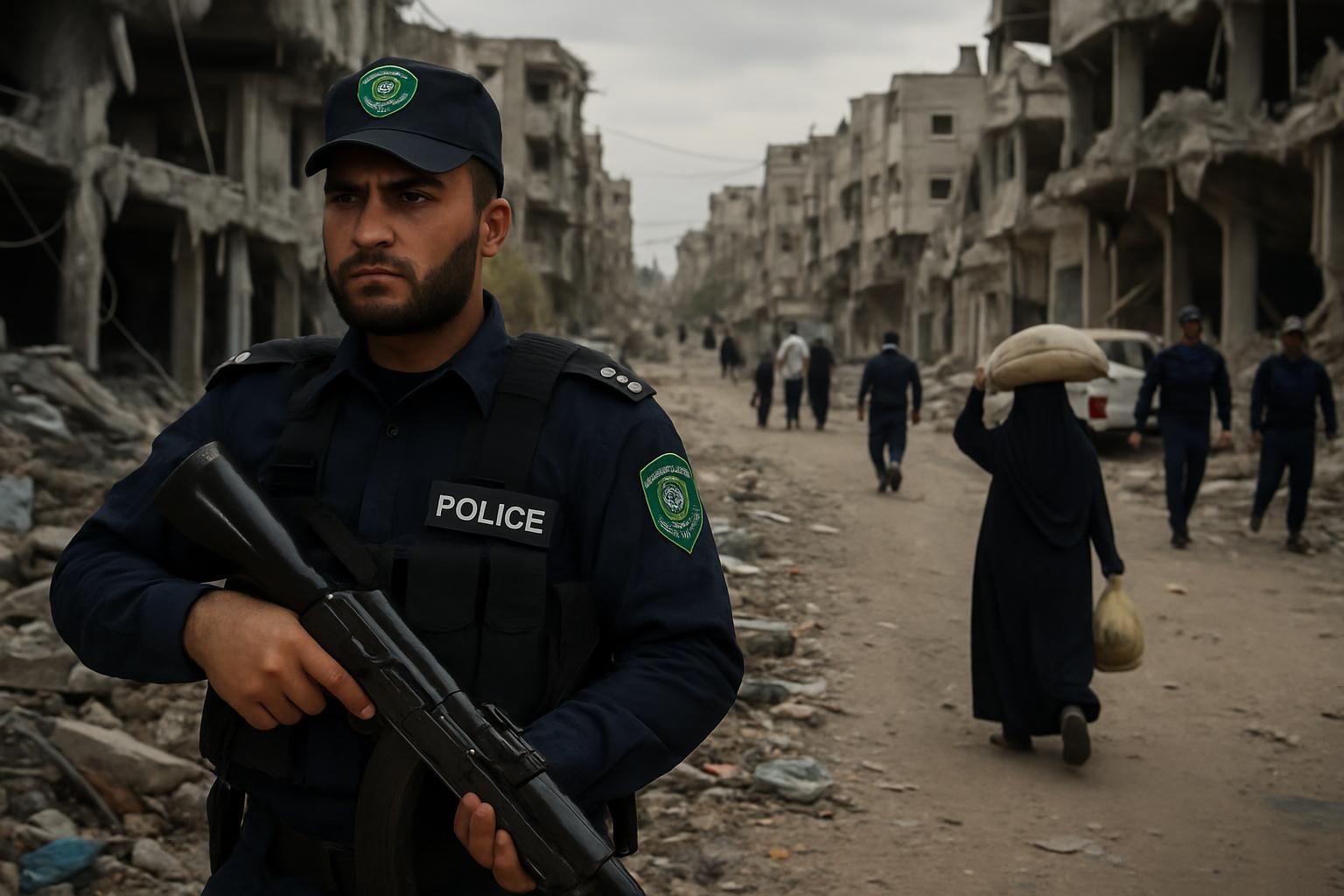
Hamas Reasserts Control in Gaza Amid Rising Death Toll

US and Israel Intensify Military Campaign as Iran's Capabilities Dwindle
Israeli Demolition of UNRWA Headquarters in East Jerusalem Sparks International Outcry
In This Article
 Ethan Brooks| Published
 HIGHLIGHTS
- Israeli authorities have demolished the UNRWA headquarters in East Jerusalem, citing alleged Hamas infiltration.
- The UN and international figures have condemned the action, calling it a violation of international law.
- Israel passed a law in 2025 banning UNRWA operations in its territories, intensifying pressure on the agency.
- UNRWA denies the allegations of Hamas collaboration and highlights the lack of evidence provided by Israel.
- The demolition is part of broader Israeli measures against UNRWA, affecting its operations in the region.
In a move that has drawn widespread international condemnation, Israeli authorities have demolished the headquarters of the United Nations Relief and Works Agency (UNRWA) in East Jerusalem. The demolition, which took place early Tuesday morning, is the latest development in a series of actions by Israel against the agency, which provides essential services to Palestinian refugees.
Background and Allegations
The Israeli government has accused UNRWA of being infiltrated by Hamas, the militant group responsible for the October 7, 2023, attacks. Despite these allegations, UNRWA has consistently denied any collaboration with Hamas, and the United Nations has called for evidence to substantiate Israel's claims. The agency's facilities are protected under international law, which Israel argues is void due to the alleged infiltration.
Legal and Political Context
The demolition follows a controversial law passed by Israel in January 2025, which banned UNRWA from operating within its territories, including East Jerusalem. This law has led to increased pressure on the agency, with closures of facilities and disruptions to its operations. Philippe Lazzarini, UNRWA's Commissioner-General, described the demolition as a "deliberate defiance of international law."
International Reactions
The United Nations Secretary-General António Guterres has condemned the demolition, urging Israel to restore the compound. Britain's Middle East Minister, Hamish Falconer, expressed his dismay, emphasizing the legal protections afforded to UN facilities. Despite these reactions, Israeli officials, including National Security Minister Itamar Ben-Gvir, have defended the demolition, labeling it a "historic day."
Impact on UNRWA Operations
UNRWA's operations have been significantly impacted by Israeli actions, with facilities in East Jerusalem and the West Bank facing closures and harassment. The agency, which serves millions of Palestinian refugees, continues to operate under challenging conditions, striving to maintain its services amidst growing political and legal challenges.
WHAT THIS MIGHT MEAN
The demolition of the UNRWA headquarters in East Jerusalem marks a significant escalation in Israeli actions against the agency. Moving forward, this could lead to increased tensions between Israel and the international community, particularly if further evidence of Hamas infiltration is not provided. The situation may also impact UNRWA's ability to deliver essential services to Palestinian refugees, potentially exacerbating humanitarian conditions in the region. Legal experts suggest that continued violations of international law could lead to diplomatic repercussions for Israel, although the geopolitical complexities of the Israeli-Palestinian conflict may limit immediate consequences.
Images from the Web
Related Articles
Palestinian-American Teen Killed by Israeli Settlers in West Bank Sparks Calls for Accountability
Trump's Board of Peace Pledges $7 Billion for Gaza Amidst International Skepticism
Intensified US-Israel Strikes on Iran Spark Global Outcry
US-Iran Tensions Escalate Amid Military Buildup and Diplomatic Deadlock
Hamas Reasserts Control in Gaza Amid Rising Death Toll
US and Israel Intensify Military Campaign as Iran's Capabilities Dwindle