
Israel's Gaza Occupation Plan Sparks Global Concerns
In This Article
HIGHLIGHTS
- Israeli Prime Minister Benjamin Netanyahu plans to take full control of the Gaza Strip, aiming to dismantle Hamas and free hostages.
- The Israeli security cabinet approved a plan to take over Gaza City, reflecting internal disagreements on the broader occupation strategy.
- The UN and international figures warn that occupying Gaza could lead to catastrophic humanitarian consequences and violate international law.
- Hostage families and former Israeli security officials express concerns that further military action could endanger hostages' lives.
- Australia and other nations urge Israel to reconsider, advocating for a two-state solution as the path to lasting peace.
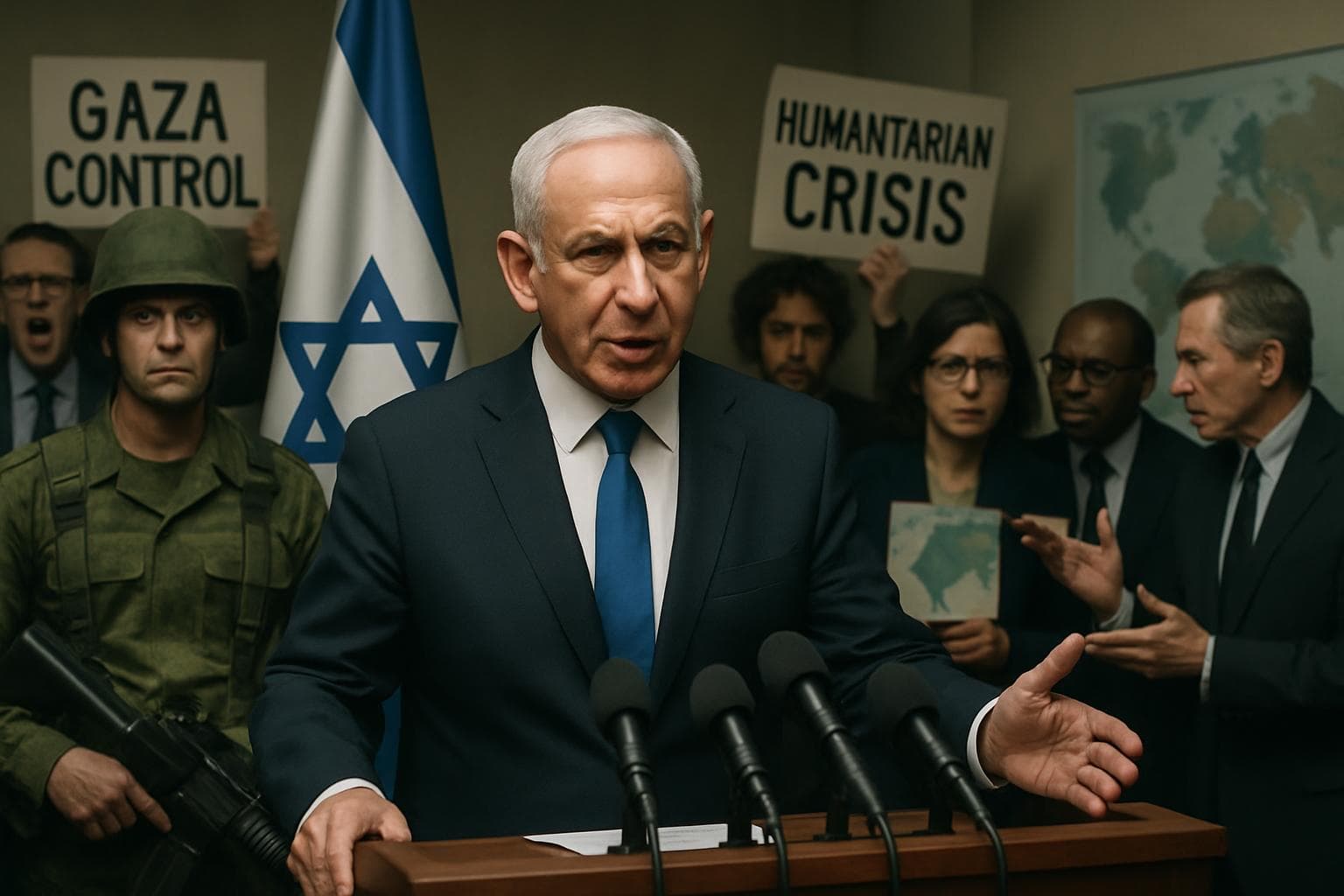
Israeli Prime Minister Benjamin Netanyahu's announcement of plans to take full control of the Gaza Strip has intensified global debate and concern. The move, aimed at dismantling Hamas and freeing hostages, has been met with warnings of potential humanitarian and legal repercussions.
Security Cabinet's Decision
In a marathon session, Israel's security cabinet approved a plan to seize control of Gaza City, marking a significant escalation in the ongoing conflict. Netanyahu's office stated that the operation would eventually transfer control to friendly Arab forces, although this plan stops short of occupying the entire territory. The decision reflects internal disagreements, with top military officials cautioning against a full occupation due to the risks to hostages and the potential for prolonged insurgency.
Humanitarian and Legal Concerns
The United Nations and international leaders, including Australia's Foreign Minister Penny Wong, have expressed grave concerns over the humanitarian impact of such an operation. Wong warned that permanent displacement of Palestinians could breach international law. The UN has highlighted the dire situation in Gaza, where the majority of the population has already been displaced and faces severe shortages of food and medical supplies.
Hostage Families and Public Protests
Families of hostages held by Hamas have voiced fears that further military action could jeopardize their loved ones' safety. Protests erupted outside Netanyahu's office, with demonstrators demanding an end to the military campaign in exchange for the hostages' release. Former Israeli security officials have also criticized the plan, suggesting it offers little military benefit while exacerbating the humanitarian crisis.
International Reactions and Future Implications
The international community remains divided on the issue. While some, like US ambassador Mike Huckabee, assert that the decision rests with Israel, others, including Jordanian officials, emphasize the importance of Palestinian agreement. Australia and other nations continue to advocate for a two-state solution as the only viable path to enduring peace.
WHAT THIS MIGHT MEAN
The unfolding situation in Gaza presents several potential outcomes. Should Israel proceed with the occupation, it could face increased international condemnation and potential legal challenges. The humanitarian crisis may worsen, prompting further displacement and suffering among Palestinians. Conversely, if diplomatic efforts gain traction, there could be renewed momentum towards a two-state solution, although this remains a complex and contentious path.
Experts suggest that the success of Netanyahu's plan hinges on international support and the ability to establish a stable governance structure in Gaza post-occupation. The involvement of Arab forces could be pivotal, yet their acceptance by Palestinians is uncertain. As the situation evolves, the global community will closely monitor developments, balancing the pursuit of security with humanitarian and legal considerations.
Related Articles
Intensified US-Israel Strikes on Iran Spark Global Outcry
Canada Calls for De-escalation Amid US-Israel Strikes on Iran
Palestinian-American Teen Killed by Israeli Settlers in West Bank Sparks Calls for Accountability

US and Israel Intensify Military Campaign as Iran's Capabilities Dwindle
Senate Blocks Resolution to Limit Trump's Military Actions in Iran
Iran Postpones Khamenei Funeral Amid Escalating US-Israeli Strikes
Israel's Gaza Occupation Plan Sparks Global Concerns
In This Article
 Ethan Brooks| Published
 HIGHLIGHTS
- Israeli Prime Minister Benjamin Netanyahu plans to take full control of the Gaza Strip, aiming to dismantle Hamas and free hostages.
- The Israeli security cabinet approved a plan to take over Gaza City, reflecting internal disagreements on the broader occupation strategy.
- The UN and international figures warn that occupying Gaza could lead to catastrophic humanitarian consequences and violate international law.
- Hostage families and former Israeli security officials express concerns that further military action could endanger hostages' lives.
- Australia and other nations urge Israel to reconsider, advocating for a two-state solution as the path to lasting peace.
Israeli Prime Minister Benjamin Netanyahu's announcement of plans to take full control of the Gaza Strip has intensified global debate and concern. The move, aimed at dismantling Hamas and freeing hostages, has been met with warnings of potential humanitarian and legal repercussions.
Security Cabinet's Decision
In a marathon session, Israel's security cabinet approved a plan to seize control of Gaza City, marking a significant escalation in the ongoing conflict. Netanyahu's office stated that the operation would eventually transfer control to friendly Arab forces, although this plan stops short of occupying the entire territory. The decision reflects internal disagreements, with top military officials cautioning against a full occupation due to the risks to hostages and the potential for prolonged insurgency.
Humanitarian and Legal Concerns
The United Nations and international leaders, including Australia's Foreign Minister Penny Wong, have expressed grave concerns over the humanitarian impact of such an operation. Wong warned that permanent displacement of Palestinians could breach international law. The UN has highlighted the dire situation in Gaza, where the majority of the population has already been displaced and faces severe shortages of food and medical supplies.
Hostage Families and Public Protests
Families of hostages held by Hamas have voiced fears that further military action could jeopardize their loved ones' safety. Protests erupted outside Netanyahu's office, with demonstrators demanding an end to the military campaign in exchange for the hostages' release. Former Israeli security officials have also criticized the plan, suggesting it offers little military benefit while exacerbating the humanitarian crisis.
International Reactions and Future Implications
The international community remains divided on the issue. While some, like US ambassador Mike Huckabee, assert that the decision rests with Israel, others, including Jordanian officials, emphasize the importance of Palestinian agreement. Australia and other nations continue to advocate for a two-state solution as the only viable path to enduring peace.
WHAT THIS MIGHT MEAN
The unfolding situation in Gaza presents several potential outcomes. Should Israel proceed with the occupation, it could face increased international condemnation and potential legal challenges. The humanitarian crisis may worsen, prompting further displacement and suffering among Palestinians. Conversely, if diplomatic efforts gain traction, there could be renewed momentum towards a two-state solution, although this remains a complex and contentious path.
Experts suggest that the success of Netanyahu's plan hinges on international support and the ability to establish a stable governance structure in Gaza post-occupation. The involvement of Arab forces could be pivotal, yet their acceptance by Palestinians is uncertain. As the situation evolves, the global community will closely monitor developments, balancing the pursuit of security with humanitarian and legal considerations.
Related Articles
Intensified US-Israel Strikes on Iran Spark Global Outcry
Canada Calls for De-escalation Amid US-Israel Strikes on Iran
Palestinian-American Teen Killed by Israeli Settlers in West Bank Sparks Calls for Accountability
US and Israel Intensify Military Campaign as Iran's Capabilities Dwindle
Senate Blocks Resolution to Limit Trump's Military Actions in Iran
Iran Postpones Khamenei Funeral Amid Escalating US-Israeli Strikes