
Israel's Hostage Demand Clouds Gaza Ceasefire Prospects
In This Article
HIGHLIGHTS
- Israel demands the release of all 50 hostages in Gaza, complicating a proposed 60-day ceasefire plan.
- The ceasefire proposal, backed by Qatar and Egypt, is similar to a previous US plan but faces Israeli skepticism.
- Hamas has agreed to the ceasefire terms, which include a phased release of hostages and prisoners.
- Israel is expected to respond to the ceasefire proposal by Friday amid international pressure.
- The humanitarian crisis in Gaza worsens, with the UN warning of widespread starvation due to insufficient aid.
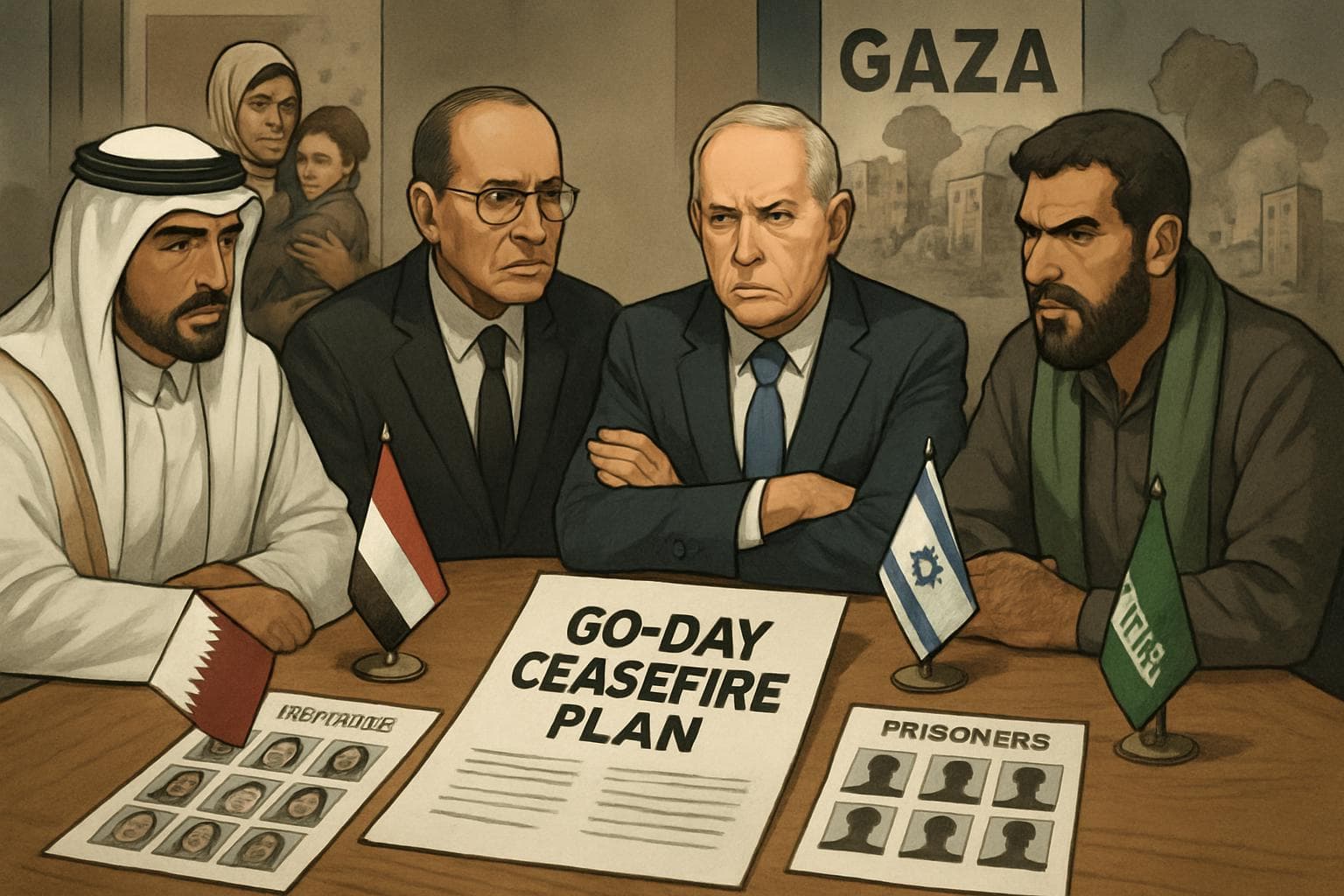
Israel's insistence on the release of all hostages held in Gaza has cast doubt on a proposed 60-day ceasefire plan, despite international mediation efforts. The proposal, facilitated by Qatar and Egypt, aims to secure the release of hostages in exchange for Palestinian prisoners, but Israel remains firm on its demand for a comprehensive release.
Ceasefire Proposal Details
The ceasefire plan, which Hamas has accepted, involves a phased release of hostages and prisoners over 60 days. According to the proposal, Hamas would release eight living hostages initially, with further releases staggered throughout the ceasefire period. In return, Israel would release 1,500 Palestinian detainees. The plan closely mirrors a previous US proposal that Israel had accepted but was rejected by Hamas.
Israel's Stance and Military Plans
Israeli officials, including government spokesman David Mencer, have expressed reluctance to accept partial deals, emphasizing the need for a full release of hostages. Prime Minister Benjamin Netanyahu has outlined plans for a military occupation of Gaza City, intensifying the conflict and prompting thousands to flee. Israel's response to the ceasefire proposal is expected by Friday, as international pressure mounts for a resolution to the conflict that has claimed over 62,000 Palestinian lives.
Humanitarian Concerns in Gaza
The humanitarian situation in Gaza continues to deteriorate, with the UN highlighting the risk of widespread starvation due to insufficient aid. Despite some supplies entering the region, the quantities remain inadequate to meet the needs of the population. The UN's human rights office has criticized Israel's blockade, which has exacerbated the crisis.
International Mediation Efforts
Qatar and Egypt have played pivotal roles in mediating the ceasefire proposal, with Qatar's foreign ministry expressing optimism about the plan's acceptance. However, the success of the proposal hinges on Israel's willingness to compromise on its demands. Meanwhile, Egyptian officials are reportedly pressuring Hamas to agree to terms that would address Israel's security concerns.
WHAT THIS MIGHT MEAN
The coming days are crucial as Israel deliberates its response to the ceasefire proposal. Should Israel reject the plan, the conflict could escalate further, leading to increased military action and worsening humanitarian conditions in Gaza. Conversely, acceptance of the proposal could pave the way for more comprehensive peace talks, potentially involving broader regional stakeholders. International pressure, particularly from humanitarian organizations and foreign governments, may influence Israel's decision, highlighting the global stakes in resolving the Israel-Hamas conflict.
Related Articles

US and Israel Intensify Military Campaign as Iran's Capabilities Dwindle

Intensified US-Israel Strikes on Iran Spark Global Outcry
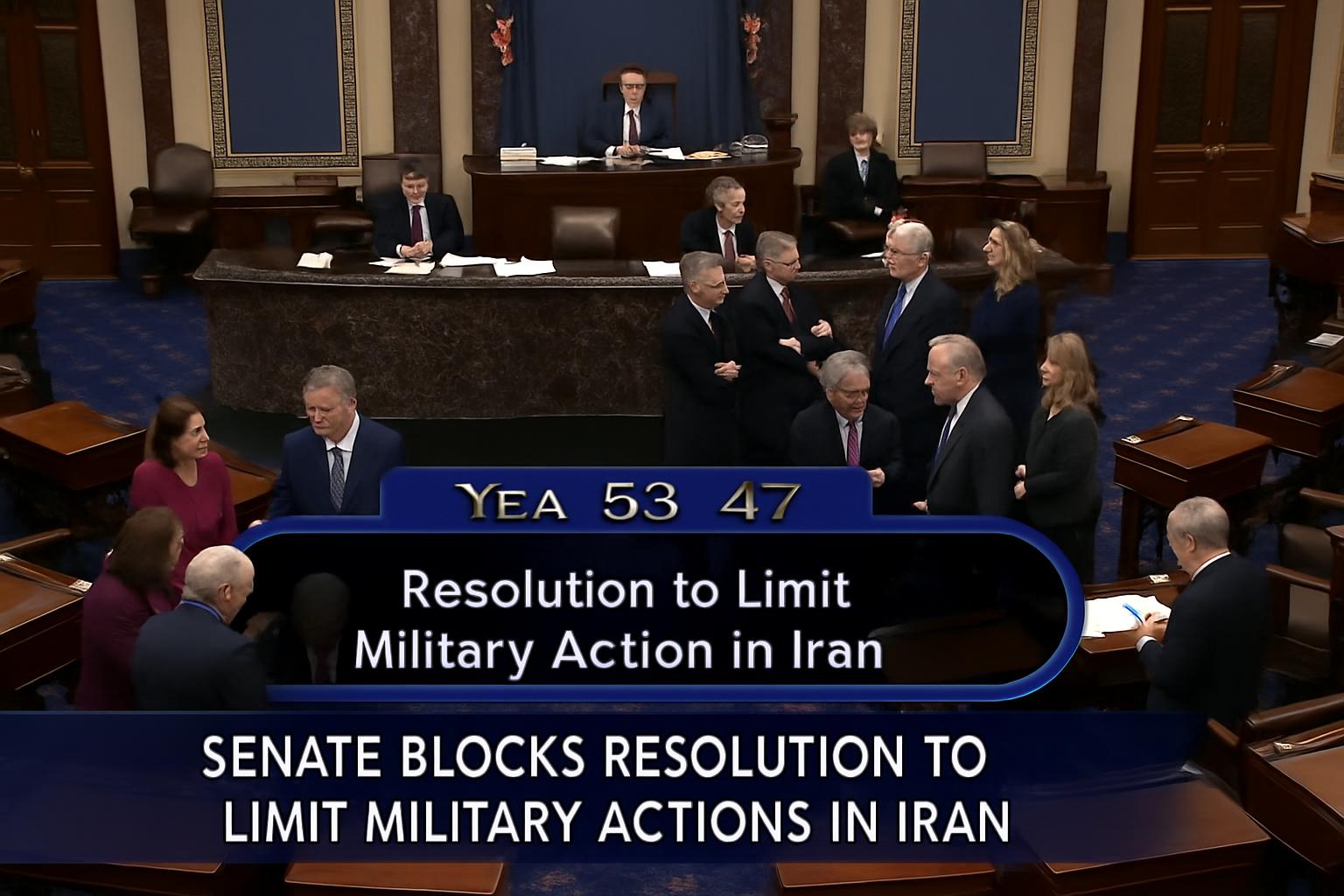
Senate Blocks Resolution to Limit Trump's Military Actions in Iran
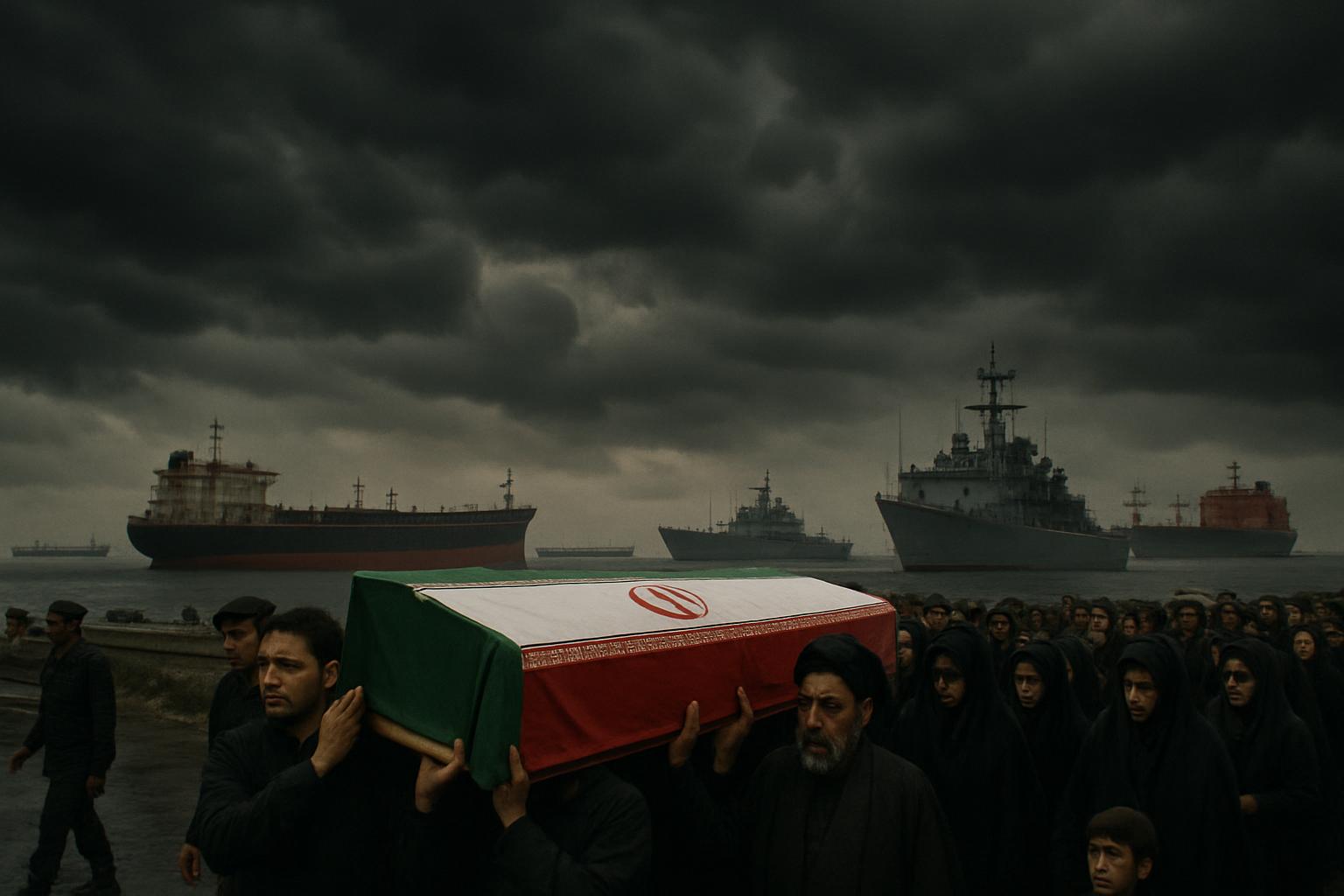
Iran Postpones Khamenei Funeral Amid Escalating US-Israeli Strikes

Violence Erupts Across Mexico Following Death of Drug Lord El Mencho

US-Iran Tensions Escalate Amid Renewed Nuclear Talks and Protests
Israel's Hostage Demand Clouds Gaza Ceasefire Prospects
In This Article
 Ethan Brooks| Published
 HIGHLIGHTS
- Israel demands the release of all 50 hostages in Gaza, complicating a proposed 60-day ceasefire plan.
- The ceasefire proposal, backed by Qatar and Egypt, is similar to a previous US plan but faces Israeli skepticism.
- Hamas has agreed to the ceasefire terms, which include a phased release of hostages and prisoners.
- Israel is expected to respond to the ceasefire proposal by Friday amid international pressure.
- The humanitarian crisis in Gaza worsens, with the UN warning of widespread starvation due to insufficient aid.
Israel's insistence on the release of all hostages held in Gaza has cast doubt on a proposed 60-day ceasefire plan, despite international mediation efforts. The proposal, facilitated by Qatar and Egypt, aims to secure the release of hostages in exchange for Palestinian prisoners, but Israel remains firm on its demand for a comprehensive release.
Ceasefire Proposal Details
The ceasefire plan, which Hamas has accepted, involves a phased release of hostages and prisoners over 60 days. According to the proposal, Hamas would release eight living hostages initially, with further releases staggered throughout the ceasefire period. In return, Israel would release 1,500 Palestinian detainees. The plan closely mirrors a previous US proposal that Israel had accepted but was rejected by Hamas.
Israel's Stance and Military Plans
Israeli officials, including government spokesman David Mencer, have expressed reluctance to accept partial deals, emphasizing the need for a full release of hostages. Prime Minister Benjamin Netanyahu has outlined plans for a military occupation of Gaza City, intensifying the conflict and prompting thousands to flee. Israel's response to the ceasefire proposal is expected by Friday, as international pressure mounts for a resolution to the conflict that has claimed over 62,000 Palestinian lives.
Humanitarian Concerns in Gaza
The humanitarian situation in Gaza continues to deteriorate, with the UN highlighting the risk of widespread starvation due to insufficient aid. Despite some supplies entering the region, the quantities remain inadequate to meet the needs of the population. The UN's human rights office has criticized Israel's blockade, which has exacerbated the crisis.
International Mediation Efforts
Qatar and Egypt have played pivotal roles in mediating the ceasefire proposal, with Qatar's foreign ministry expressing optimism about the plan's acceptance. However, the success of the proposal hinges on Israel's willingness to compromise on its demands. Meanwhile, Egyptian officials are reportedly pressuring Hamas to agree to terms that would address Israel's security concerns.
WHAT THIS MIGHT MEAN
The coming days are crucial as Israel deliberates its response to the ceasefire proposal. Should Israel reject the plan, the conflict could escalate further, leading to increased military action and worsening humanitarian conditions in Gaza. Conversely, acceptance of the proposal could pave the way for more comprehensive peace talks, potentially involving broader regional stakeholders. International pressure, particularly from humanitarian organizations and foreign governments, may influence Israel's decision, highlighting the global stakes in resolving the Israel-Hamas conflict.
Related Articles
US and Israel Intensify Military Campaign as Iran's Capabilities Dwindle
Intensified US-Israel Strikes on Iran Spark Global Outcry
Senate Blocks Resolution to Limit Trump's Military Actions in Iran
Iran Postpones Khamenei Funeral Amid Escalating US-Israeli Strikes
Violence Erupts Across Mexico Following Death of Drug Lord El Mencho
US-Iran Tensions Escalate Amid Renewed Nuclear Talks and Protests