
Israel's Settlement Expansion and Gaza Offensive Heighten Tensions
In This Article
HIGHLIGHTS
- Israel approved a controversial settlement project in the E1 area, threatening the viability of a future Palestinian state.
- The Israeli military plans to call up 60,000 reservists for a ground offensive in Gaza City, escalating regional tensions.
- International condemnation has followed Israel's actions, with warnings of worsening humanitarian conditions in Gaza.
- The Palestinian Authority and international bodies criticize the settlement expansion as illegal under international law.
- Mediators are pushing for a ceasefire and hostage release deal amid Israel's military preparations.
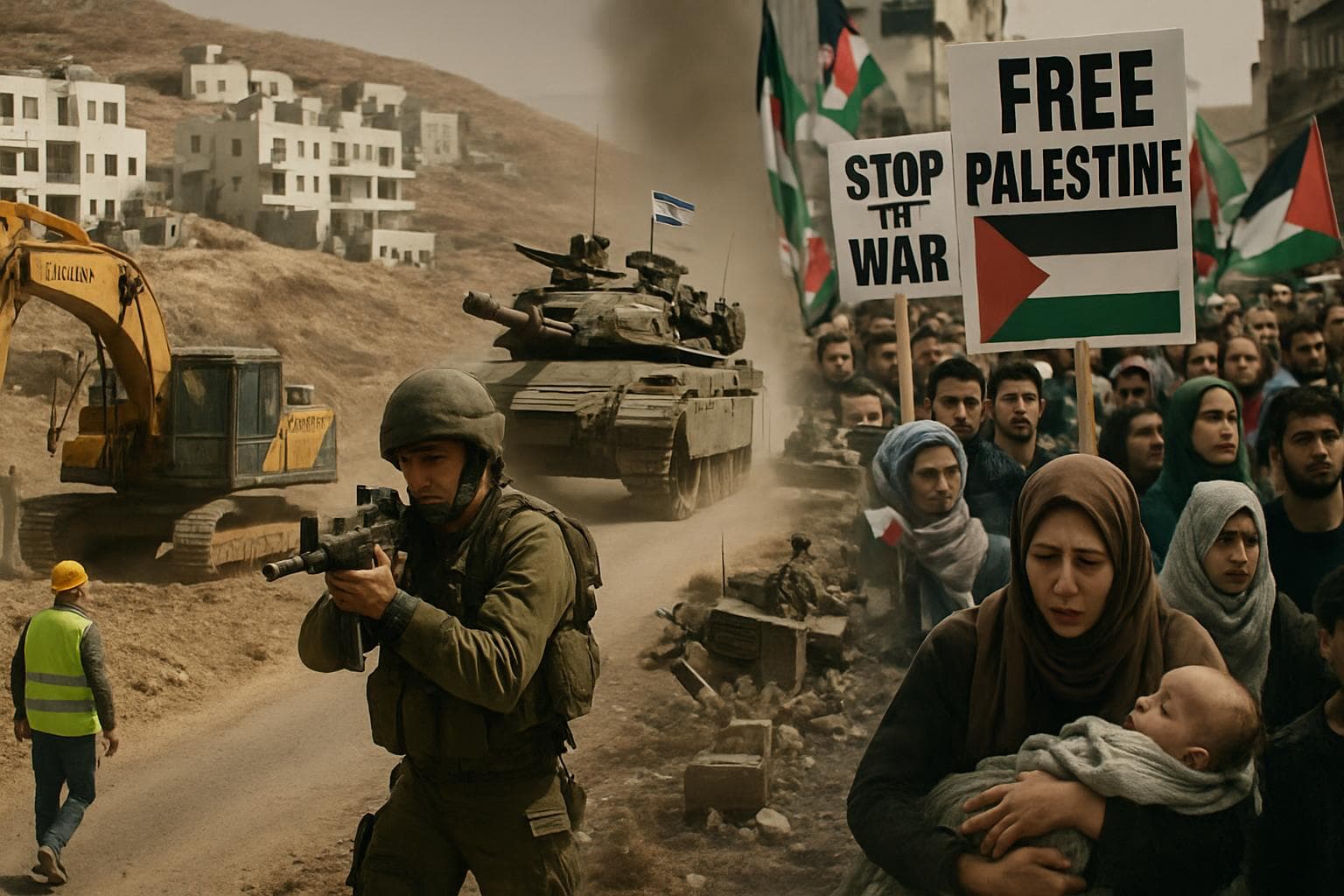
Israel's recent approval of a controversial settlement project in the West Bank and its plans for a major military offensive in Gaza City have intensified regional tensions and drawn widespread international condemnation. The settlement project, located in the E1 area, has been a point of contention for decades due to its potential to sever the West Bank from East Jerusalem, effectively undermining the prospects for a contiguous Palestinian state.
Settlement Expansion in E1
On Wednesday, Israel's defence ministry committee gave the green light for the construction of 3,400 homes in the E1 area, a move that has been frozen for two decades amid fierce international opposition. Far-right Finance Minister Bezalel Smotrich, who announced the plans, declared that the idea of a Palestinian state was "being erased." The Palestinian Authority condemned the decision, labeling it illegal and a threat to the two-state solution. Critics, including the Israeli anti-settlement group Peace Now, argue that the project aims to sabotage any political resolution and could lead to a binational apartheid state.
Military Mobilization for Gaza Offensive
Concurrently, the Israeli military is preparing to call up approximately 60,000 reservists for a planned ground offensive in Gaza City. The operation, part of "Operation Gideon's Chariots," aims to capture and occupy the city, with Defence Minister Israel Katz approving the plan. The offensive follows the breakdown of indirect ceasefire talks with Hamas, despite ongoing mediation efforts by Qatar and Egypt. French President Emmanuel Macron and the International Committee of the Red Cross have warned that the offensive could exacerbate the humanitarian crisis in Gaza, home to 2.1 million people.
International and Regional Reactions
The international community has reacted strongly to Israel's actions, with many countries expressing concern over the potential for increased violence and instability in the region. Jordan's foreign minister criticized Israel for "killing all prospects" for peace in the Middle East. Meanwhile, humanitarian aid efforts in Gaza face delays, with international aid groups struggling to deliver necessary supplies despite Israeli assurances of lifted restrictions.
WHAT THIS MIGHT MEAN
The approval of the E1 settlement project and the planned Gaza offensive could have significant implications for the Israeli-Palestinian conflict. If the settlement construction proceeds, it may further entrench divisions and diminish hopes for a two-state solution. The military offensive in Gaza risks escalating violence and worsening humanitarian conditions, potentially drawing in regional actors and complicating diplomatic efforts. Experts suggest that without a renewed commitment to dialogue and compromise, the prospects for peace in the Middle East remain bleak. International pressure and mediation efforts will be crucial in steering the situation towards a more stable and peaceful resolution.
Related Articles
Hamas Leadership Vote Amidst Critical Crossroads for the Movement
US Ambassador's Biblical Land Remarks Spark Outcry from Arab Nations
Israeli Airstrikes in Lebanon's Bekaa Valley Leave 10 Dead Amid Rising Tensions
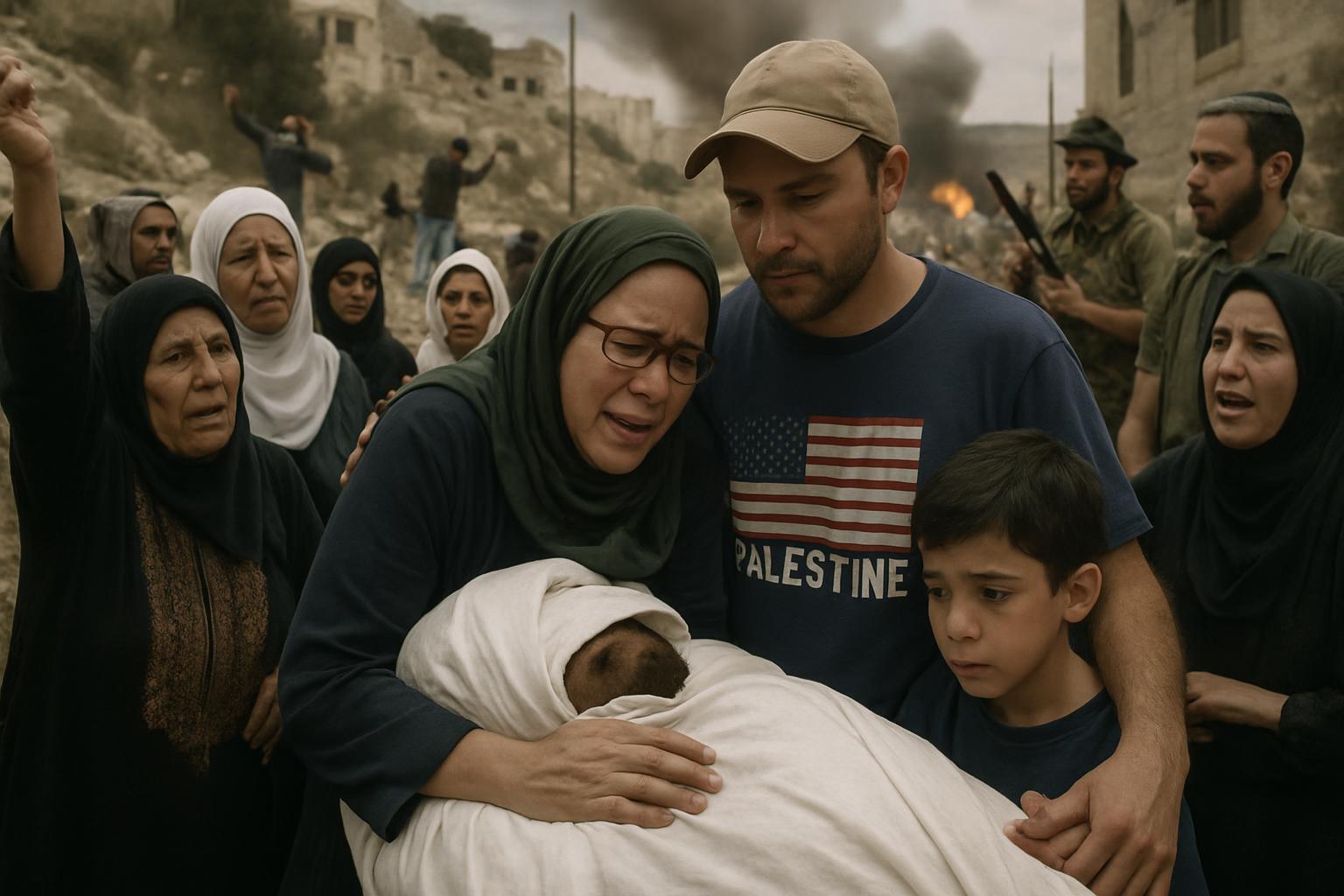
Palestinian-American Teen Killed by Israeli Settlers in West Bank Sparks Calls for Accountability

Middle East Conflict Drives UK Energy Prices to New Highs

US and Israel Intensify Military Campaign as Iran's Capabilities Dwindle
Israel's Settlement Expansion and Gaza Offensive Heighten Tensions
In This Article
 James Okoro| Published
 HIGHLIGHTS
- Israel approved a controversial settlement project in the E1 area, threatening the viability of a future Palestinian state.
- The Israeli military plans to call up 60,000 reservists for a ground offensive in Gaza City, escalating regional tensions.
- International condemnation has followed Israel's actions, with warnings of worsening humanitarian conditions in Gaza.
- The Palestinian Authority and international bodies criticize the settlement expansion as illegal under international law.
- Mediators are pushing for a ceasefire and hostage release deal amid Israel's military preparations.
Israel's recent approval of a controversial settlement project in the West Bank and its plans for a major military offensive in Gaza City have intensified regional tensions and drawn widespread international condemnation. The settlement project, located in the E1 area, has been a point of contention for decades due to its potential to sever the West Bank from East Jerusalem, effectively undermining the prospects for a contiguous Palestinian state.
Settlement Expansion in E1
On Wednesday, Israel's defence ministry committee gave the green light for the construction of 3,400 homes in the E1 area, a move that has been frozen for two decades amid fierce international opposition. Far-right Finance Minister Bezalel Smotrich, who announced the plans, declared that the idea of a Palestinian state was "being erased." The Palestinian Authority condemned the decision, labeling it illegal and a threat to the two-state solution. Critics, including the Israeli anti-settlement group Peace Now, argue that the project aims to sabotage any political resolution and could lead to a binational apartheid state.
Military Mobilization for Gaza Offensive
Concurrently, the Israeli military is preparing to call up approximately 60,000 reservists for a planned ground offensive in Gaza City. The operation, part of "Operation Gideon's Chariots," aims to capture and occupy the city, with Defence Minister Israel Katz approving the plan. The offensive follows the breakdown of indirect ceasefire talks with Hamas, despite ongoing mediation efforts by Qatar and Egypt. French President Emmanuel Macron and the International Committee of the Red Cross have warned that the offensive could exacerbate the humanitarian crisis in Gaza, home to 2.1 million people.
International and Regional Reactions
The international community has reacted strongly to Israel's actions, with many countries expressing concern over the potential for increased violence and instability in the region. Jordan's foreign minister criticized Israel for "killing all prospects" for peace in the Middle East. Meanwhile, humanitarian aid efforts in Gaza face delays, with international aid groups struggling to deliver necessary supplies despite Israeli assurances of lifted restrictions.
WHAT THIS MIGHT MEAN
The approval of the E1 settlement project and the planned Gaza offensive could have significant implications for the Israeli-Palestinian conflict. If the settlement construction proceeds, it may further entrench divisions and diminish hopes for a two-state solution. The military offensive in Gaza risks escalating violence and worsening humanitarian conditions, potentially drawing in regional actors and complicating diplomatic efforts. Experts suggest that without a renewed commitment to dialogue and compromise, the prospects for peace in the Middle East remain bleak. International pressure and mediation efforts will be crucial in steering the situation towards a more stable and peaceful resolution.
Related Articles
Hamas Leadership Vote Amidst Critical Crossroads for the Movement
US Ambassador's Biblical Land Remarks Spark Outcry from Arab Nations
Israeli Airstrikes in Lebanon's Bekaa Valley Leave 10 Dead Amid Rising Tensions
Palestinian-American Teen Killed by Israeli Settlers in West Bank Sparks Calls for Accountability
Middle East Conflict Drives UK Energy Prices to New Highs
US and Israel Intensify Military Campaign as Iran's Capabilities Dwindle