
Japan's Largest Nuclear Plant Halts Operations Amid Safety Concerns
In This Article
HIGHLIGHTS
- Japan's Kashiwazaki-Kariwa nuclear plant suspended operations a day after restarting due to an alarm during reactor start-up procedures.
- The plant, the world's largest by capacity, had been offline since the 2011 Fukushima disaster, which led to a nationwide nuclear shutdown.
- Tokyo Electric Power Company (Tepco) is investigating the cause of the alarm, with no timeline for resuming operations.
- Public opinion in Niigata is divided, with significant opposition due to safety concerns and the plant's location on a seismic fault zone.
- Japan aims to revive nuclear energy to reduce fossil fuel reliance and achieve carbon neutrality by 2050.
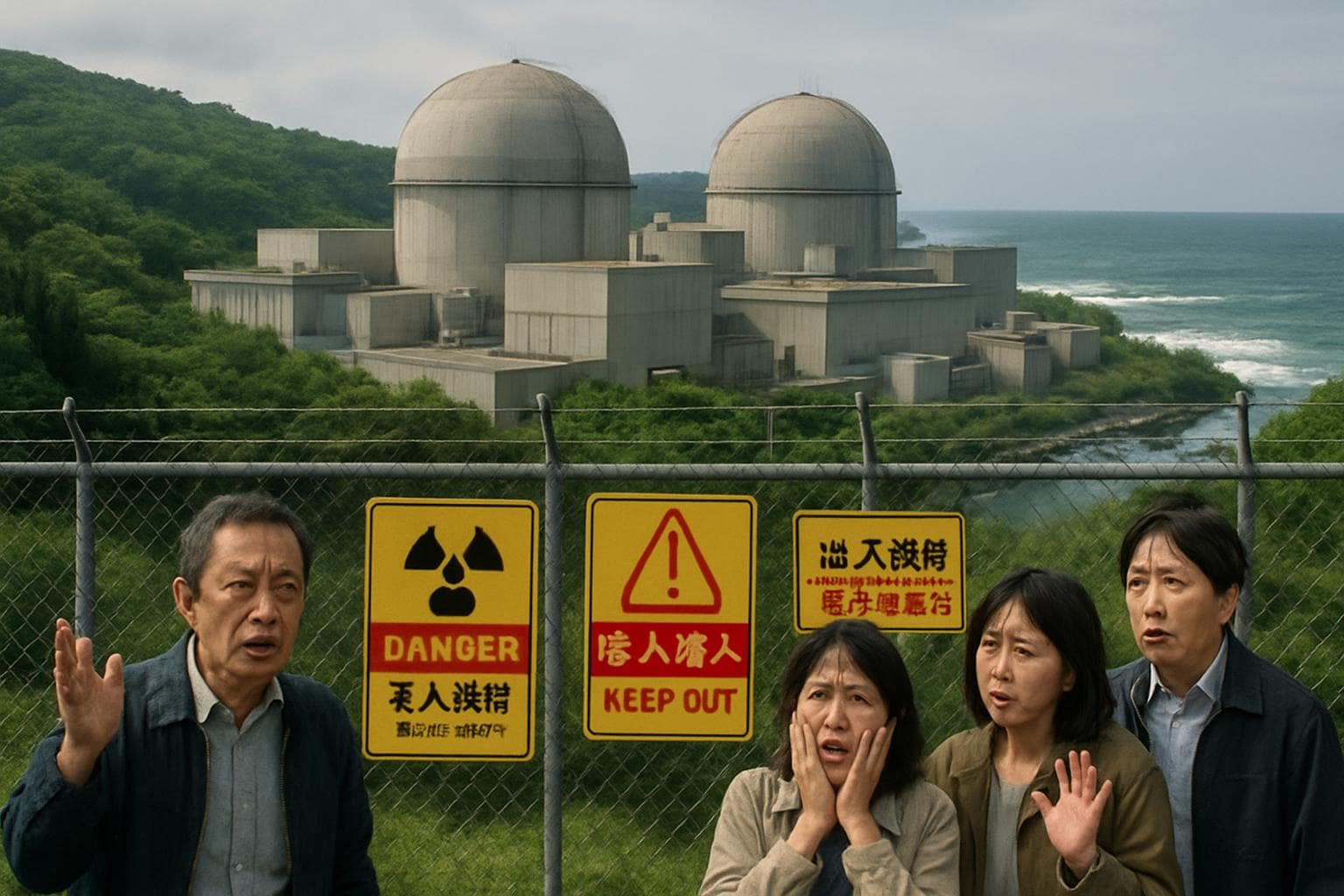
Japan's Kashiwazaki-Kariwa nuclear plant, the largest in the world by potential capacity, has suspended operations just a day after its much-anticipated restart. The Tokyo Electric Power Company (Tepco) halted the process after an alarm was triggered during the reactor start-up procedures, though the reactor remains stable with no radioactive impact outside, according to Tepco spokesperson Takashi Kobayashi.
A Decade of Dormancy
The plant, located in Niigata province, had been dormant since the catastrophic 2011 Fukushima disaster, which prompted Japan to shut down all its nuclear reactors. The Fukushima incident, caused by a 9.0 magnitude earthquake and subsequent tsunami, resulted in a meltdown and forced over 150,000 people to evacuate. Many have yet to return, despite assurances of safety.
Current Investigations and Public Sentiment
Tepco is currently investigating the cause of the alarm, with site superintendent Takeyuki Inagaki stating that resolving the issue is not expected to be quick. The company has not provided a timeline for when operations might resume. Public opinion in the region remains divided; a recent survey indicated that 60% of Niigata residents oppose the restart, citing safety concerns and the plant's proximity to an active seismic fault zone.
Japan's Energy Strategy
Japan's government is keen to revive its nuclear energy sector to reduce reliance on fossil fuels and meet its carbon neutrality goals by 2050. Before the Fukushima disaster, nuclear power accounted for nearly 30% of Japan's electricity, with plans to increase this to 50% by 2030. Since 2015, Japan has restarted 15 of its 33 operable reactors as part of this strategy.
WHAT THIS MIGHT MEAN
The suspension of operations at Kashiwazaki-Kariwa underscores the ongoing challenges Japan faces in balancing energy needs with safety concerns. If Tepco resolves the technical issues swiftly, the plant could resume operations, contributing to Japan's carbon neutrality goals. However, continued delays might fuel public opposition and complicate Japan's nuclear energy revival. Experts suggest that Japan's energy policy will need to address both safety and public trust to ensure a sustainable path forward.
Related Articles
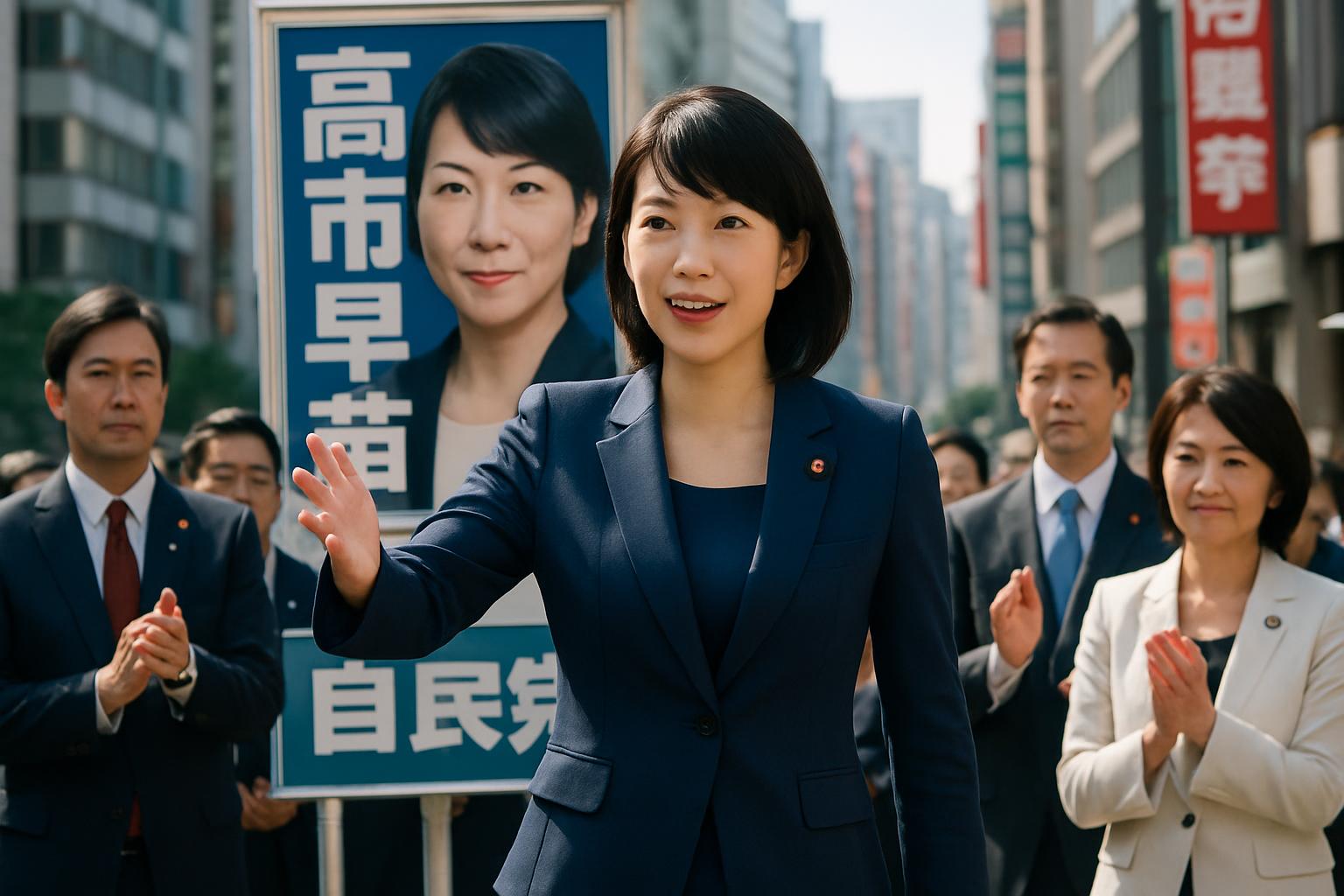
Sanae Takaichi's Snap Election Gamble: Will Japan's First Female Prime Minister Secure a Landslide Victory?

Tragic Ski Lift Accident Claims Life of Australian Snowboarder in Japan

US-EU Trade Tensions Escalate Amid Greenland Dispute and Market Turmoil

Global Tensions Rise as Trump Targets Europe with Tariff Threats at Davos Summit

US Supreme Court Ruling Sparks Trade Uncertainty in Asia and Beyond

Trump's New Tariff Strategy Sparks Global Trade Uncertainty
Japan's Largest Nuclear Plant Halts Operations Amid Safety Concerns
In This Article
 Ethan Brooks| Published
 HIGHLIGHTS
- Japan's Kashiwazaki-Kariwa nuclear plant suspended operations a day after restarting due to an alarm during reactor start-up procedures.
- The plant, the world's largest by capacity, had been offline since the 2011 Fukushima disaster, which led to a nationwide nuclear shutdown.
- Tokyo Electric Power Company (Tepco) is investigating the cause of the alarm, with no timeline for resuming operations.
- Public opinion in Niigata is divided, with significant opposition due to safety concerns and the plant's location on a seismic fault zone.
- Japan aims to revive nuclear energy to reduce fossil fuel reliance and achieve carbon neutrality by 2050.
Japan's Kashiwazaki-Kariwa nuclear plant, the largest in the world by potential capacity, has suspended operations just a day after its much-anticipated restart. The Tokyo Electric Power Company (Tepco) halted the process after an alarm was triggered during the reactor start-up procedures, though the reactor remains stable with no radioactive impact outside, according to Tepco spokesperson Takashi Kobayashi.
A Decade of Dormancy
The plant, located in Niigata province, had been dormant since the catastrophic 2011 Fukushima disaster, which prompted Japan to shut down all its nuclear reactors. The Fukushima incident, caused by a 9.0 magnitude earthquake and subsequent tsunami, resulted in a meltdown and forced over 150,000 people to evacuate. Many have yet to return, despite assurances of safety.
Current Investigations and Public Sentiment
Tepco is currently investigating the cause of the alarm, with site superintendent Takeyuki Inagaki stating that resolving the issue is not expected to be quick. The company has not provided a timeline for when operations might resume. Public opinion in the region remains divided; a recent survey indicated that 60% of Niigata residents oppose the restart, citing safety concerns and the plant's proximity to an active seismic fault zone.
Japan's Energy Strategy
Japan's government is keen to revive its nuclear energy sector to reduce reliance on fossil fuels and meet its carbon neutrality goals by 2050. Before the Fukushima disaster, nuclear power accounted for nearly 30% of Japan's electricity, with plans to increase this to 50% by 2030. Since 2015, Japan has restarted 15 of its 33 operable reactors as part of this strategy.
WHAT THIS MIGHT MEAN
The suspension of operations at Kashiwazaki-Kariwa underscores the ongoing challenges Japan faces in balancing energy needs with safety concerns. If Tepco resolves the technical issues swiftly, the plant could resume operations, contributing to Japan's carbon neutrality goals. However, continued delays might fuel public opposition and complicate Japan's nuclear energy revival. Experts suggest that Japan's energy policy will need to address both safety and public trust to ensure a sustainable path forward.
Related Articles
Sanae Takaichi's Snap Election Gamble: Will Japan's First Female Prime Minister Secure a Landslide Victory?
Tragic Ski Lift Accident Claims Life of Australian Snowboarder in Japan
US-EU Trade Tensions Escalate Amid Greenland Dispute and Market Turmoil
Global Tensions Rise as Trump Targets Europe with Tariff Threats at Davos Summit
US Supreme Court Ruling Sparks Trade Uncertainty in Asia and Beyond
Trump's New Tariff Strategy Sparks Global Trade Uncertainty