
JetBlue Flight Avoids Collision with US Military Plane Near Venezuela
In This Article
HIGHLIGHTS
- A JetBlue flight narrowly avoided a collision with a US Air Force refueling tanker near Venezuela, prompting an investigation.
- The Air Force plane's transponder was off, complicating the assessment of the incident's proximity.
- The Federal Aviation Administration (FAA) recently warned US aircraft about heightened military activity in Venezuelan airspace.
- JetBlue has reported the incident to federal authorities and will cooperate with any investigations.
- The US Southern Command and Air Force are reviewing the situation, emphasizing safety as a top priority.
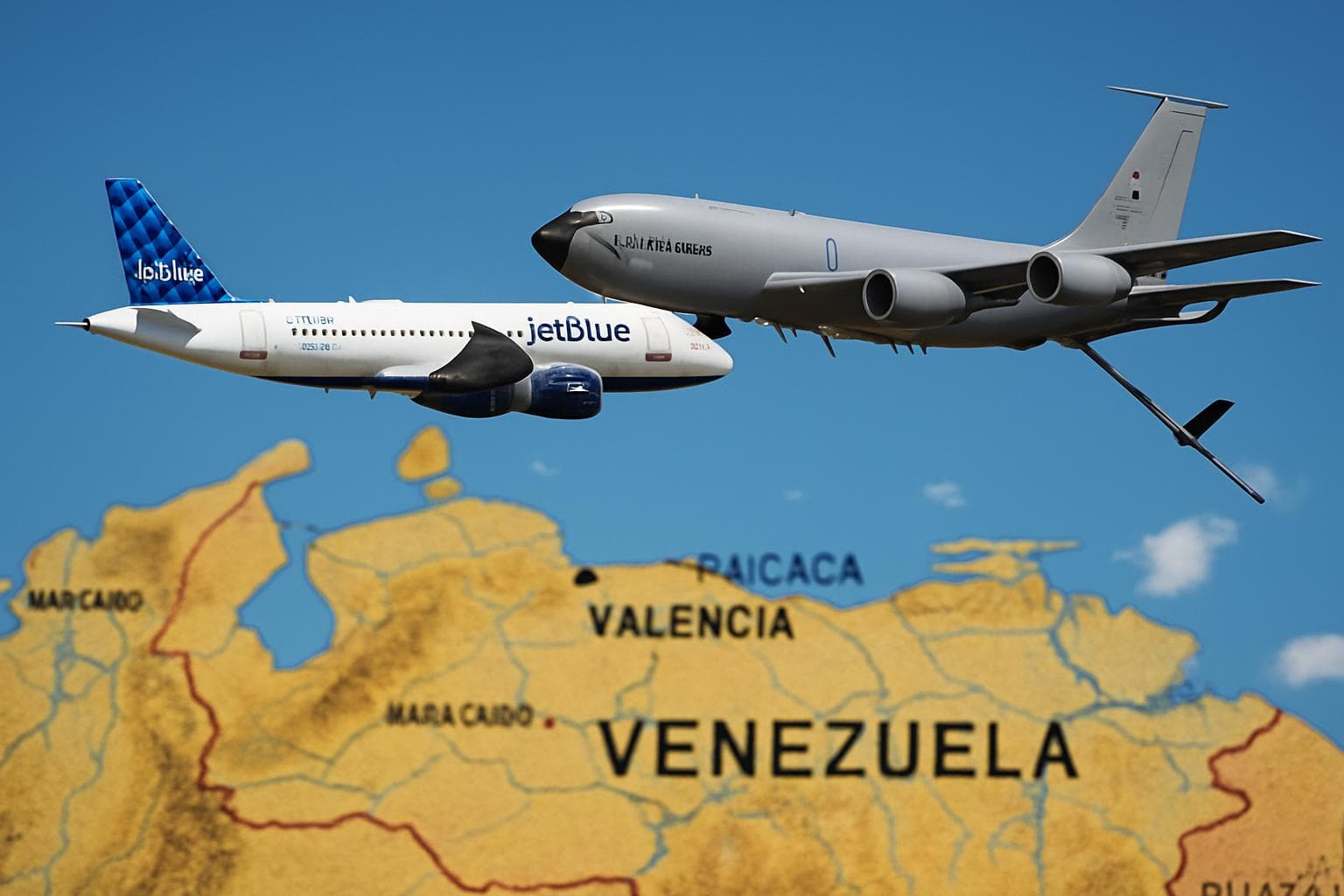
A JetBlue flight narrowly averted a midair collision with a US Air Force refueling tanker near Venezuelan airspace, raising concerns about aviation safety in the region. The incident, which occurred on Friday, involved JetBlue flight 1112 traveling from Curaçao to New York City's JFK airport. The passenger plane was forced to halt its ascent to avoid the military aircraft, whose transponder was reportedly turned off, complicating the assessment of the incident's proximity.
Incident Details and Pilot's Account
According to a recording of the pilot's conversation with air traffic control, the JetBlue pilot expressed frustration over the near-miss, stating, "They passed directly in our flight path... They don’t have their transponder turned on, it’s outrageous." The pilot estimated the distance between the two aircraft to be within two to three miles, a dangerously close range for commercial aviation. The Air Force plane subsequently entered Venezuelan airspace.
Official Responses and Investigation
JetBlue has reported the incident to federal authorities and pledged full cooperation with any ensuing investigations. Derek Dombrowski, a spokesperson for JetBlue, emphasized the crew's adherence to proper procedures and their prompt reporting of the situation. The US Southern Command and the Air Force are currently reviewing the incident, with a spokesperson affirming that safety remains a top priority.
FAA Advisory and Regional Context
The Federal Aviation Administration (FAA) had previously issued a cautionary advisory to US aircraft operating in Venezuelan airspace, citing a "worsening security situation and heightened military activity." This advisory underscores the complex and potentially hazardous conditions in the region, which may have contributed to the recent incident.
WHAT THIS MIGHT MEAN
The investigation into the near-collision between the JetBlue flight and the US Air Force tanker could lead to increased scrutiny of military and commercial flight operations in the region. Aviation experts may call for stricter protocols regarding transponder usage to prevent similar incidents. Additionally, the FAA's advisory highlights ongoing geopolitical tensions, which could prompt further diplomatic discussions or policy adjustments to ensure air traffic safety in Venezuelan airspace. As the investigation unfolds, it may also influence future military and commercial aviation strategies in the Caribbean.
Related Articles
US Military Strikes on Alleged Drug Boats Raise Legal Concerns
US Homeland Security Shutdown Sparks Concerns Over Travel Delays and Immigration Reforms
El Paso Airspace Closure Sparks Confusion Amid Drone Concerns

US Military Strikes Raise Legal Concerns Amid Anti-Drug Campaign

Judge Temporarily Blocks Trump Administration's Effort to End Haitian Deportation Protections
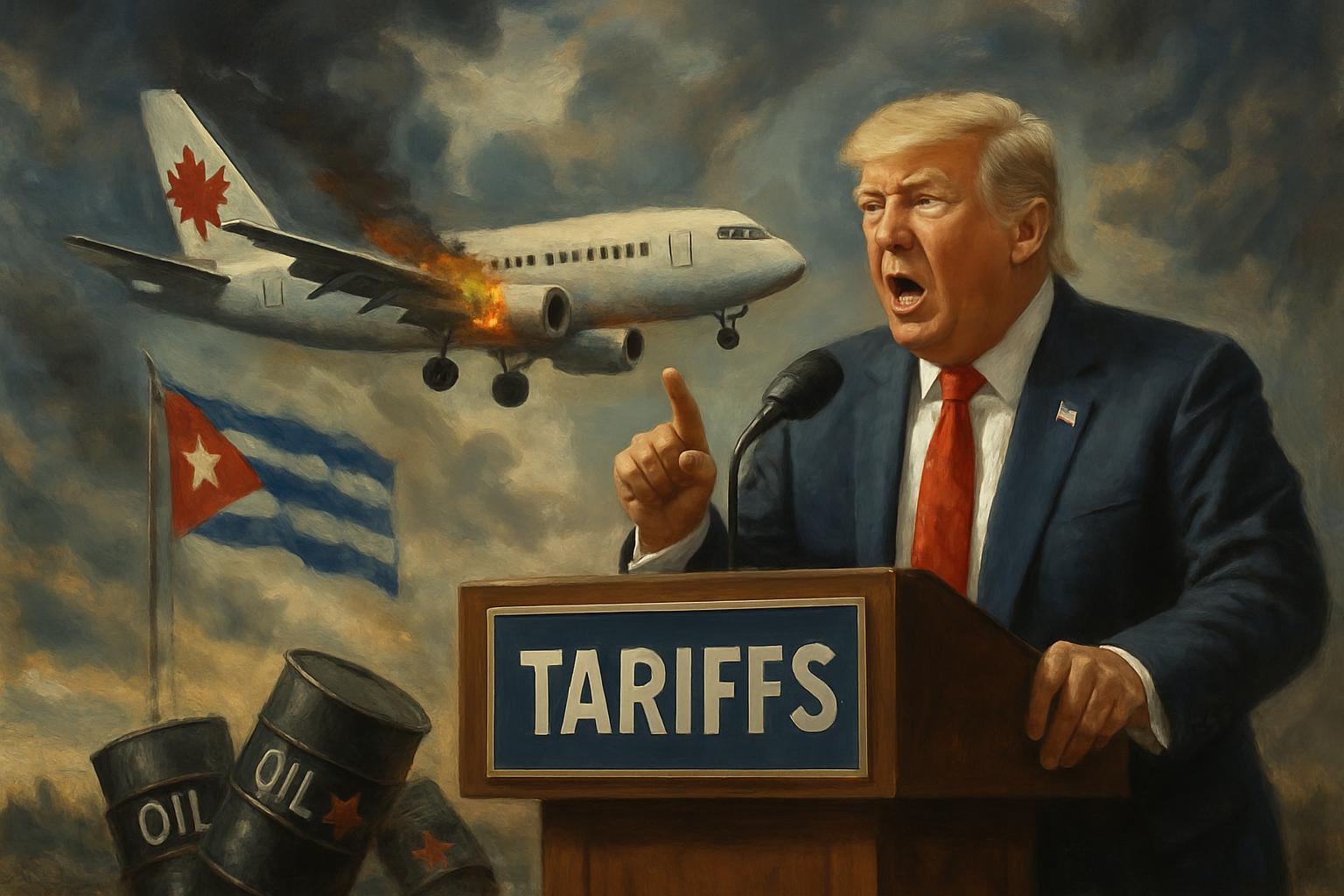
Trump Escalates Trade Tensions with Canada and Cuba Over Tariffs
JetBlue Flight Avoids Collision with US Military Plane Near Venezuela
In This Article
 Ethan Brooks| Published
 HIGHLIGHTS
- A JetBlue flight narrowly avoided a collision with a US Air Force refueling tanker near Venezuela, prompting an investigation.
- The Air Force plane's transponder was off, complicating the assessment of the incident's proximity.
- The Federal Aviation Administration (FAA) recently warned US aircraft about heightened military activity in Venezuelan airspace.
- JetBlue has reported the incident to federal authorities and will cooperate with any investigations.
- The US Southern Command and Air Force are reviewing the situation, emphasizing safety as a top priority.
A JetBlue flight narrowly averted a midair collision with a US Air Force refueling tanker near Venezuelan airspace, raising concerns about aviation safety in the region. The incident, which occurred on Friday, involved JetBlue flight 1112 traveling from Curaçao to New York City's JFK airport. The passenger plane was forced to halt its ascent to avoid the military aircraft, whose transponder was reportedly turned off, complicating the assessment of the incident's proximity.
Incident Details and Pilot's Account
According to a recording of the pilot's conversation with air traffic control, the JetBlue pilot expressed frustration over the near-miss, stating, "They passed directly in our flight path... They don’t have their transponder turned on, it’s outrageous." The pilot estimated the distance between the two aircraft to be within two to three miles, a dangerously close range for commercial aviation. The Air Force plane subsequently entered Venezuelan airspace.
Official Responses and Investigation
JetBlue has reported the incident to federal authorities and pledged full cooperation with any ensuing investigations. Derek Dombrowski, a spokesperson for JetBlue, emphasized the crew's adherence to proper procedures and their prompt reporting of the situation. The US Southern Command and the Air Force are currently reviewing the incident, with a spokesperson affirming that safety remains a top priority.
FAA Advisory and Regional Context
The Federal Aviation Administration (FAA) had previously issued a cautionary advisory to US aircraft operating in Venezuelan airspace, citing a "worsening security situation and heightened military activity." This advisory underscores the complex and potentially hazardous conditions in the region, which may have contributed to the recent incident.
WHAT THIS MIGHT MEAN
The investigation into the near-collision between the JetBlue flight and the US Air Force tanker could lead to increased scrutiny of military and commercial flight operations in the region. Aviation experts may call for stricter protocols regarding transponder usage to prevent similar incidents. Additionally, the FAA's advisory highlights ongoing geopolitical tensions, which could prompt further diplomatic discussions or policy adjustments to ensure air traffic safety in Venezuelan airspace. As the investigation unfolds, it may also influence future military and commercial aviation strategies in the Caribbean.
Related Articles
US Military Strikes on Alleged Drug Boats Raise Legal Concerns
US Homeland Security Shutdown Sparks Concerns Over Travel Delays and Immigration Reforms
El Paso Airspace Closure Sparks Confusion Amid Drone Concerns
US Military Strikes Raise Legal Concerns Amid Anti-Drug Campaign
Judge Temporarily Blocks Trump Administration's Effort to End Haitian Deportation Protections
Trump Escalates Trade Tensions with Canada and Cuba Over Tariffs