
Jim Lovell: The Astronaut Who Turned Adversity into Triumph Dies at 97

In This Article
HIGHLIGHTS
- Jim Lovell, famed Apollo 13 commander, passed away at 97, leaving a legacy of turning a near-tragic mission into a success.
- Lovell's leadership during the Apollo 13 mission in 1970 is celebrated as a triumph of engineering and human resilience.
- He was part of the Apollo 8 mission, the first to orbit the Moon, marking a significant milestone in the space race.
- Lovell's career included four space missions, contributing to NASA's early achievements in space exploration.
- His life story, from a challenging childhood to becoming an American hero, inspires many in the field of space exploration.
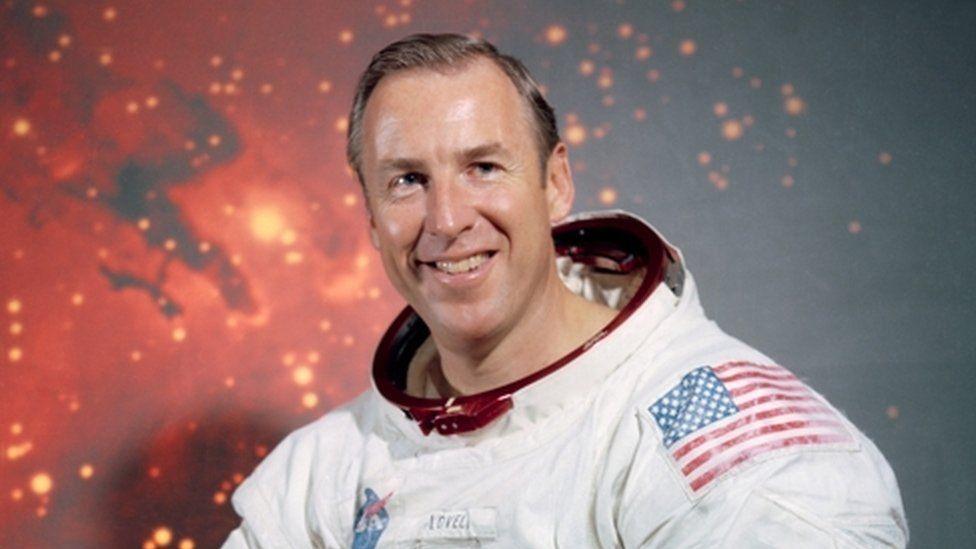
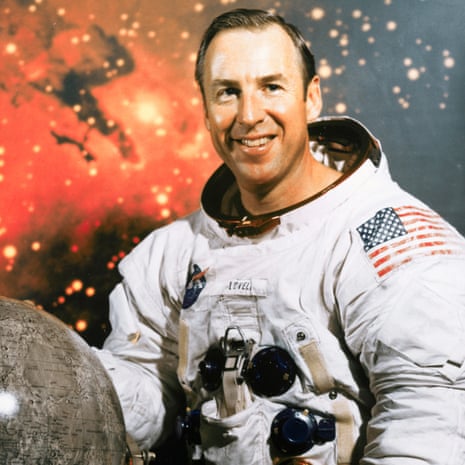
Jim Lovell, the legendary astronaut who commanded the Apollo 13 mission, has died at the age of 97. Lovell's remarkable career with NASA is best remembered for his pivotal role in transforming a potentially catastrophic mission into a celebrated success. His passing was confirmed by NASA, who praised his "character and steadfast courage" in advancing the United States' space exploration efforts.
A Legacy of Leadership and Innovation
Lovell's journey to becoming a space exploration icon began with his involvement in four significant NASA missions: Gemini 7, Gemini 12, Apollo 8, and Apollo 13. His leadership during the Apollo 13 mission in April 1970, when an oxygen tank explosion jeopardized the mission, showcased his ability to navigate crises with calm and ingenuity. The mission, originally intended to land on the Moon, became a dramatic rescue operation that captivated millions worldwide as Lovell and his crew safely returned to Earth.
Pioneering Space Exploration
Before Apollo 13, Lovell was part of the historic Apollo 8 mission in 1968, alongside Frank Borman and William Anders. This mission marked the first time humans left Earth's orbit and circled the Moon, a feat that positioned the United States ahead in the space race against the Soviet Union. The crew's iconic photograph of Earth from lunar orbit and their Christmas Eve reading from Genesis resonated deeply with the American public during a tumultuous year.
A Life of Inspiration
Born on March 25, 1928, Lovell's path to becoming an astronaut was marked by perseverance. After losing his father at a young age, he pursued his passion for aviation through the U.S. Navy, eventually transitioning to NASA. His story, from launching makeshift rockets in Wisconsin fields to commanding historic space missions, embodies the spirit of exploration and determination.
Lovell's contributions to space exploration have been immortalized in popular culture, notably through the 1995 film "Apollo 13," which dramatized his famous, albeit slightly altered, phrase: "Houston, we have a problem." His reflections on the mission emphasized the success of NASA personnel in overcoming adversity.
WHAT THIS MIGHT MEAN
Jim Lovell's passing marks the end of an era for NASA and the space exploration community. His legacy will likely inspire future generations of astronauts and engineers to pursue ambitious goals in space exploration. As NASA continues to advance its Artemis program, aiming to return humans to the Moon and eventually reach Mars, Lovell's story serves as a testament to the resilience and ingenuity required for such endeavors. The lessons learned from Apollo 13 remain relevant, highlighting the importance of preparation, teamwork, and adaptability in the face of unforeseen challenges.
Images from the Web
Related Articles

NASA's Artemis II Moon Mission Faces Delay Due to Helium Flow Issue

NASA Sets March Launch for Historic Artemis II Moon Mission

China Sets Lowest GDP Growth Target in Decades Amid Economic Challenges

Cuba Faces Widespread Blackout Amid Deepening Fuel Crisis

UK Faces Dilemmas Amid Iran Conflict and China Spying Allegations

Google Faces Legal Battle Over AI Chatbot's Alleged Role in Tragic Death
Jim Lovell: The Astronaut Who Turned Adversity into Triumph Dies at 97
In This Article
 Leila Hassan| Published
 HIGHLIGHTS
- Jim Lovell, famed Apollo 13 commander, passed away at 97, leaving a legacy of turning a near-tragic mission into a success.
- Lovell's leadership during the Apollo 13 mission in 1970 is celebrated as a triumph of engineering and human resilience.
- He was part of the Apollo 8 mission, the first to orbit the Moon, marking a significant milestone in the space race.
- Lovell's career included four space missions, contributing to NASA's early achievements in space exploration.
- His life story, from a challenging childhood to becoming an American hero, inspires many in the field of space exploration.
Jim Lovell, the legendary astronaut who commanded the Apollo 13 mission, has died at the age of 97. Lovell's remarkable career with NASA is best remembered for his pivotal role in transforming a potentially catastrophic mission into a celebrated success. His passing was confirmed by NASA, who praised his "character and steadfast courage" in advancing the United States' space exploration efforts.
A Legacy of Leadership and Innovation
Lovell's journey to becoming a space exploration icon began with his involvement in four significant NASA missions: Gemini 7, Gemini 12, Apollo 8, and Apollo 13. His leadership during the Apollo 13 mission in April 1970, when an oxygen tank explosion jeopardized the mission, showcased his ability to navigate crises with calm and ingenuity. The mission, originally intended to land on the Moon, became a dramatic rescue operation that captivated millions worldwide as Lovell and his crew safely returned to Earth.
Pioneering Space Exploration
Before Apollo 13, Lovell was part of the historic Apollo 8 mission in 1968, alongside Frank Borman and William Anders. This mission marked the first time humans left Earth's orbit and circled the Moon, a feat that positioned the United States ahead in the space race against the Soviet Union. The crew's iconic photograph of Earth from lunar orbit and their Christmas Eve reading from Genesis resonated deeply with the American public during a tumultuous year.
A Life of Inspiration
Born on March 25, 1928, Lovell's path to becoming an astronaut was marked by perseverance. After losing his father at a young age, he pursued his passion for aviation through the U.S. Navy, eventually transitioning to NASA. His story, from launching makeshift rockets in Wisconsin fields to commanding historic space missions, embodies the spirit of exploration and determination.
Lovell's contributions to space exploration have been immortalized in popular culture, notably through the 1995 film "Apollo 13," which dramatized his famous, albeit slightly altered, phrase: "Houston, we have a problem." His reflections on the mission emphasized the success of NASA personnel in overcoming adversity.
WHAT THIS MIGHT MEAN
Jim Lovell's passing marks the end of an era for NASA and the space exploration community. His legacy will likely inspire future generations of astronauts and engineers to pursue ambitious goals in space exploration. As NASA continues to advance its Artemis program, aiming to return humans to the Moon and eventually reach Mars, Lovell's story serves as a testament to the resilience and ingenuity required for such endeavors. The lessons learned from Apollo 13 remain relevant, highlighting the importance of preparation, teamwork, and adaptability in the face of unforeseen challenges.
Images from the Web
Related Articles
NASA's Artemis II Moon Mission Faces Delay Due to Helium Flow Issue
NASA Sets March Launch for Historic Artemis II Moon Mission
China Sets Lowest GDP Growth Target in Decades Amid Economic Challenges
Cuba Faces Widespread Blackout Amid Deepening Fuel Crisis
UK Faces Dilemmas Amid Iran Conflict and China Spying Allegations
Google Faces Legal Battle Over AI Chatbot's Alleged Role in Tragic Death