
Kim Jong Un Attends Beijing Military Parade in Historic Diplomatic Move
In This Article
HIGHLIGHTS
- North Korean leader Kim Jong Un traveled to China on his armoured train to attend a military parade in Beijing, marking his first multilateral international meeting.
- The parade, celebrating Japan's surrender in World War II, will feature leaders like China's Xi Jinping and Russia's Vladimir Putin, highlighting a significant diplomatic gathering.
- Kim's journey by train, a tradition among North Korean leaders, underscores his preference for this mode of transport over flying.
- The event marks the first time a North Korean leader has attended a Chinese military parade since 1959, showcasing strengthened ties between the two nations.
- Most Western leaders are absent from the parade due to opposition to Russia's actions in Ukraine, with only a few European representatives attending.
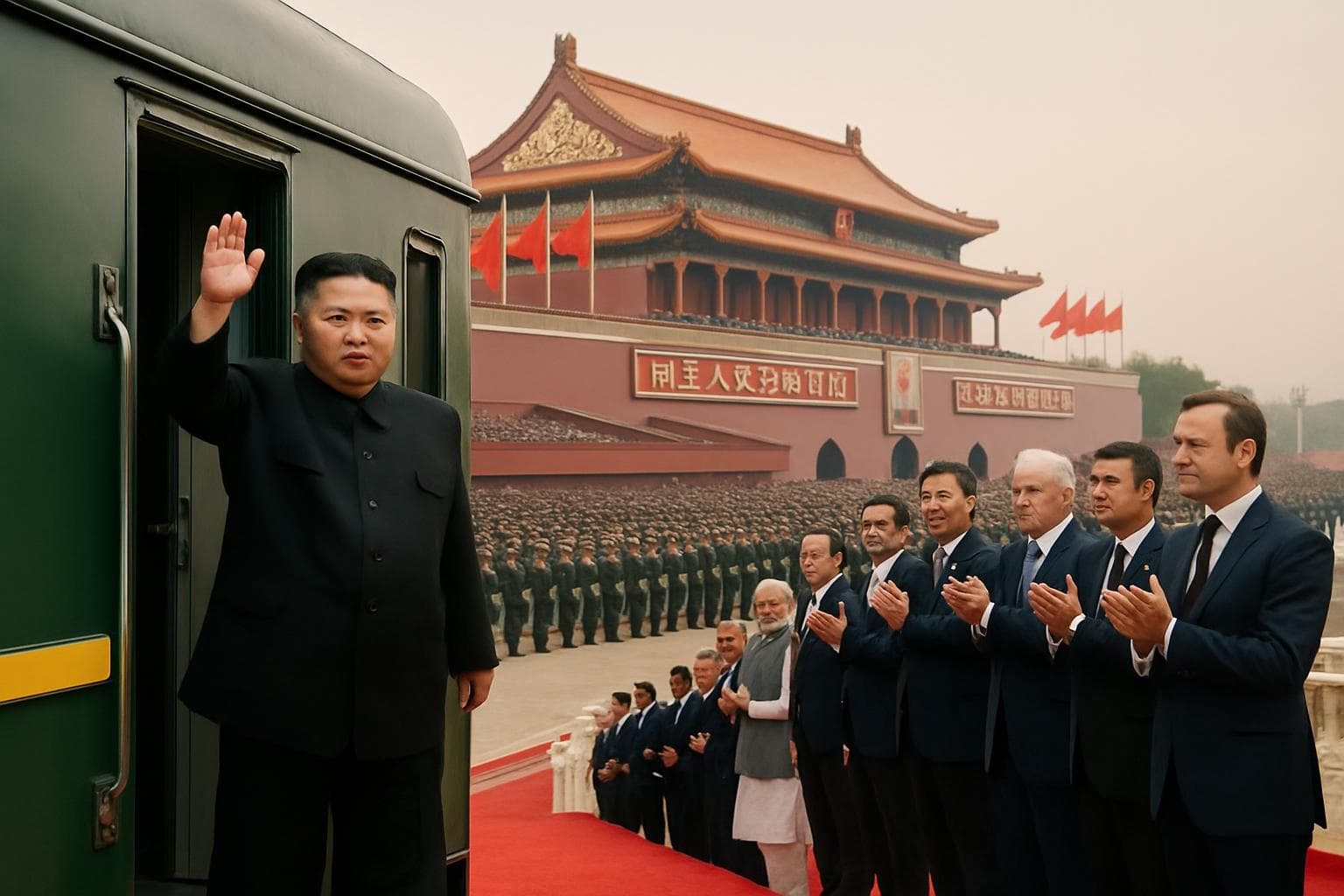
North Korean leader Kim Jong Un has embarked on a significant diplomatic journey, crossing into China aboard his signature armoured train to attend a military parade in Beijing. This event, commemorating the 80th anniversary of Japan's surrender in World War II, marks Kim's first participation in a multilateral international meeting, underscoring a potential shift in North Korea's diplomatic engagements.
A Historic Journey
Kim's journey began on Monday, with his train crossing into China early Tuesday morning, according to North Korea's state newspaper, Rodong Sinmun. The train, described as a "moving fortress" by South Korea's Yonhap news agency, travels at a modest speed of 60 kilometers per hour, making the trip to Beijing approximately 20 hours long. This mode of transport, favored by North Korean leaders for decades, offers a secure and comfortable environment for Kim and his entourage.
Diplomatic Significance
The military parade, set to take place in Beijing's historic Tiananmen Square, will see Kim alongside prominent leaders such as China's President Xi Jinping and Russia's Vladimir Putin. This gathering of 26 world leaders highlights a significant diplomatic moment, with Kim's presence marking the first time a North Korean leader has attended a Chinese military parade since 1959. The event also underscores the strengthening ties between North Korea and China, as well as the broader geopolitical dynamics at play.
A Tradition of Train Travel
Kim's preference for train travel continues a tradition established by his grandfather, Kim Il Sung, and his father, Kim Jong Il, who reportedly avoided flying. Despite having flown to summits in Singapore and Dalian in 2018, Kim's choice of the armoured train for this journey reflects both historical continuity and practical considerations. The train is equipped with conference rooms, bedrooms, and amenities, providing a conducive space for discussions and planning.
Western Absence
Notably, the parade will see limited participation from Western leaders, largely due to their opposition to Russia's invasion of Ukraine. While leaders from Southeast Asia, including Indonesia and Vietnam, will be present, only one European Union leader, Slovak Prime Minister Robert Fico, is expected to attend. This absence highlights the ongoing geopolitical tensions and the realignment of international relations.
WHAT THIS MIGHT MEAN
Kim Jong Un's attendance at the Beijing military parade could signal a new phase in North Korea's international diplomacy, potentially paving the way for increased engagement with China and Russia. This move might also reflect a strategic alignment amid global tensions, particularly concerning the West's stance on Russia's actions in Ukraine.
The absence of Western leaders at the parade underscores the deepening divide between East and West, with implications for future diplomatic and economic relations. As North Korea strengthens its ties with China and Russia, it may seek to leverage these relationships to counterbalance international sanctions and isolation.
In the coming months, observers will be keenly watching for any shifts in North Korea's foreign policy, particularly regarding its nuclear program and regional security dynamics. The outcomes of Kim's interactions with other world leaders at the parade could provide insights into the future trajectory of North Korea's international relations.
Related Articles
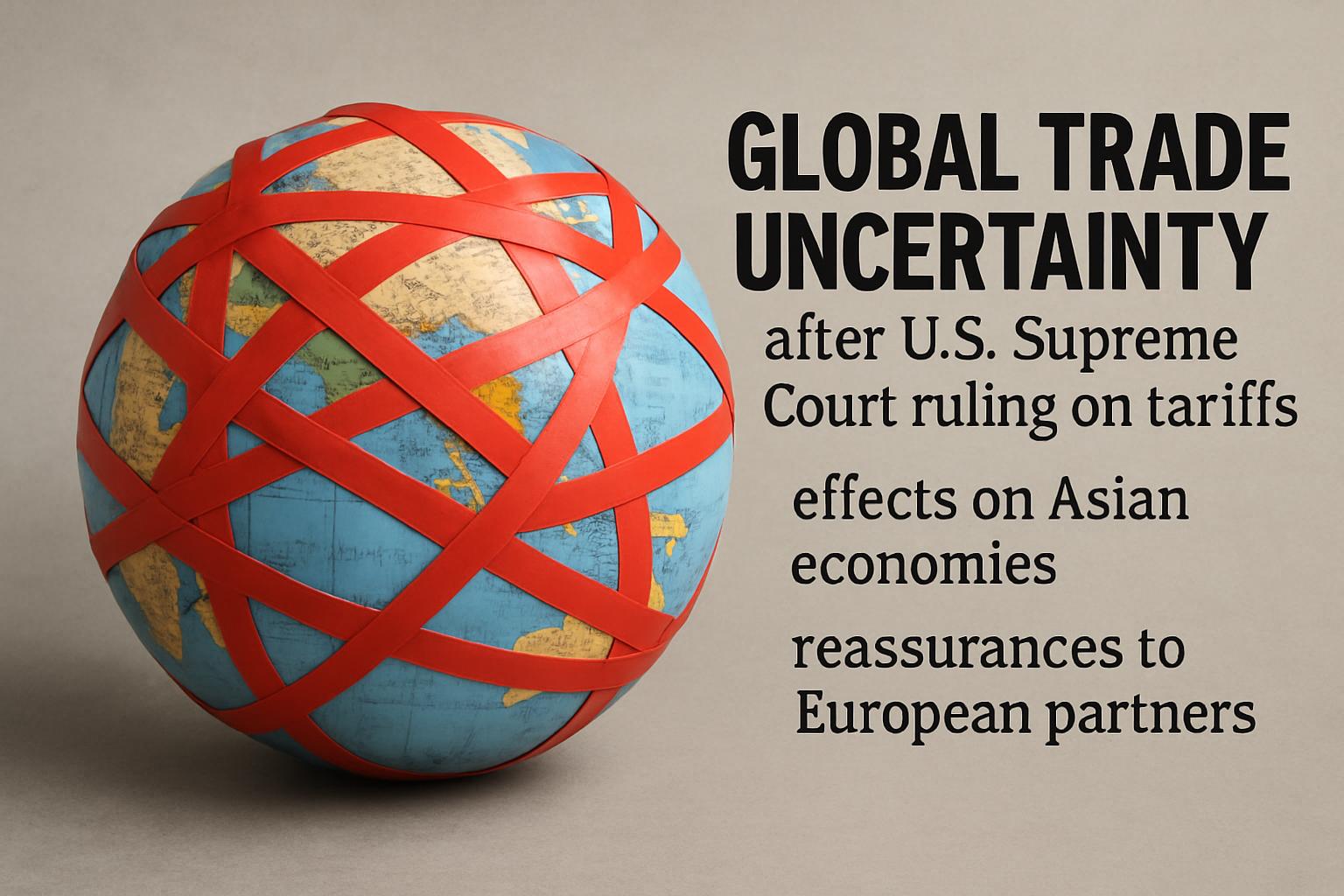
US Supreme Court Ruling Sparks Trade Uncertainty in Asia and Beyond
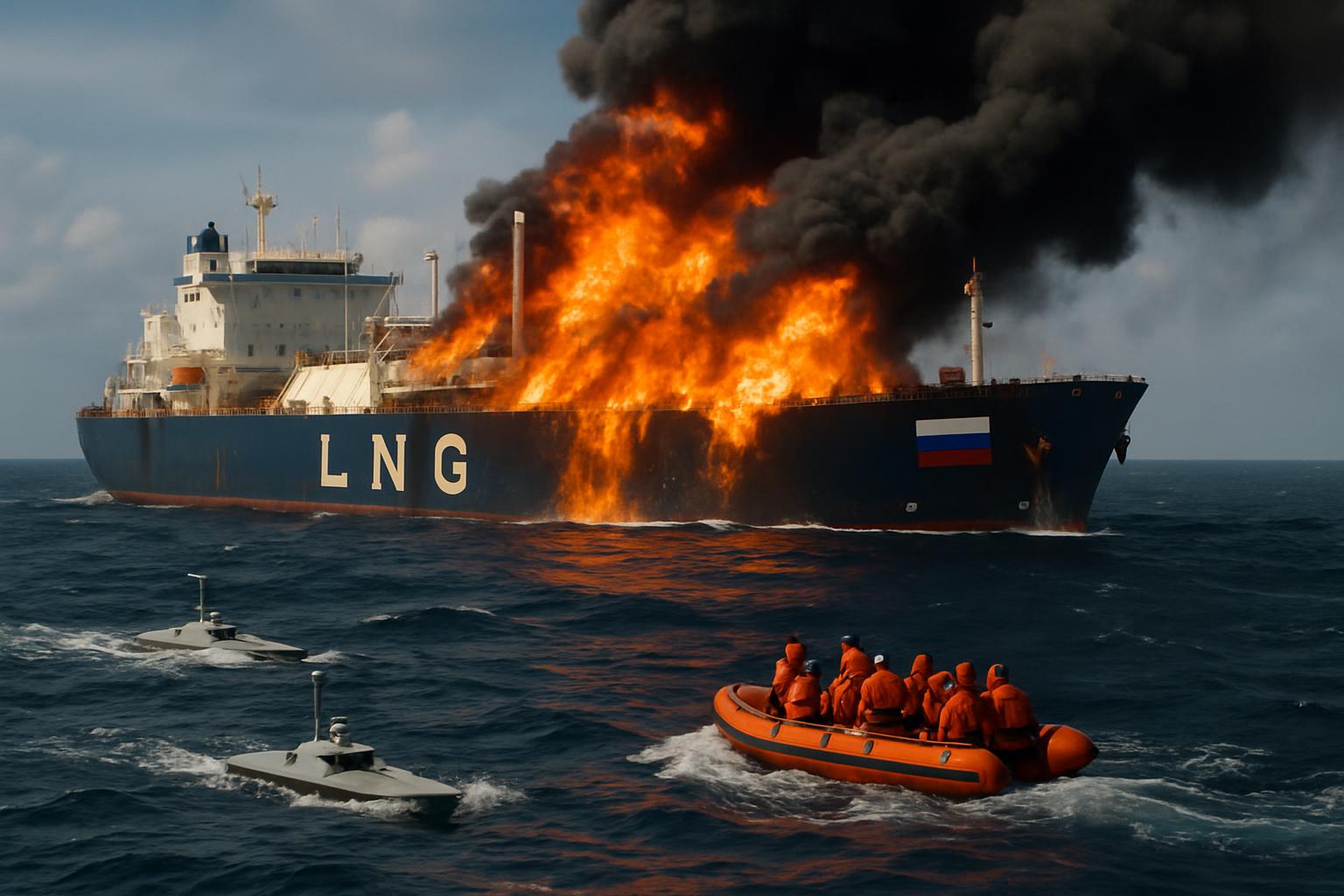
Russian LNG Tanker Sinks in Mediterranean Amid Accusations of Ukrainian Drone Attack
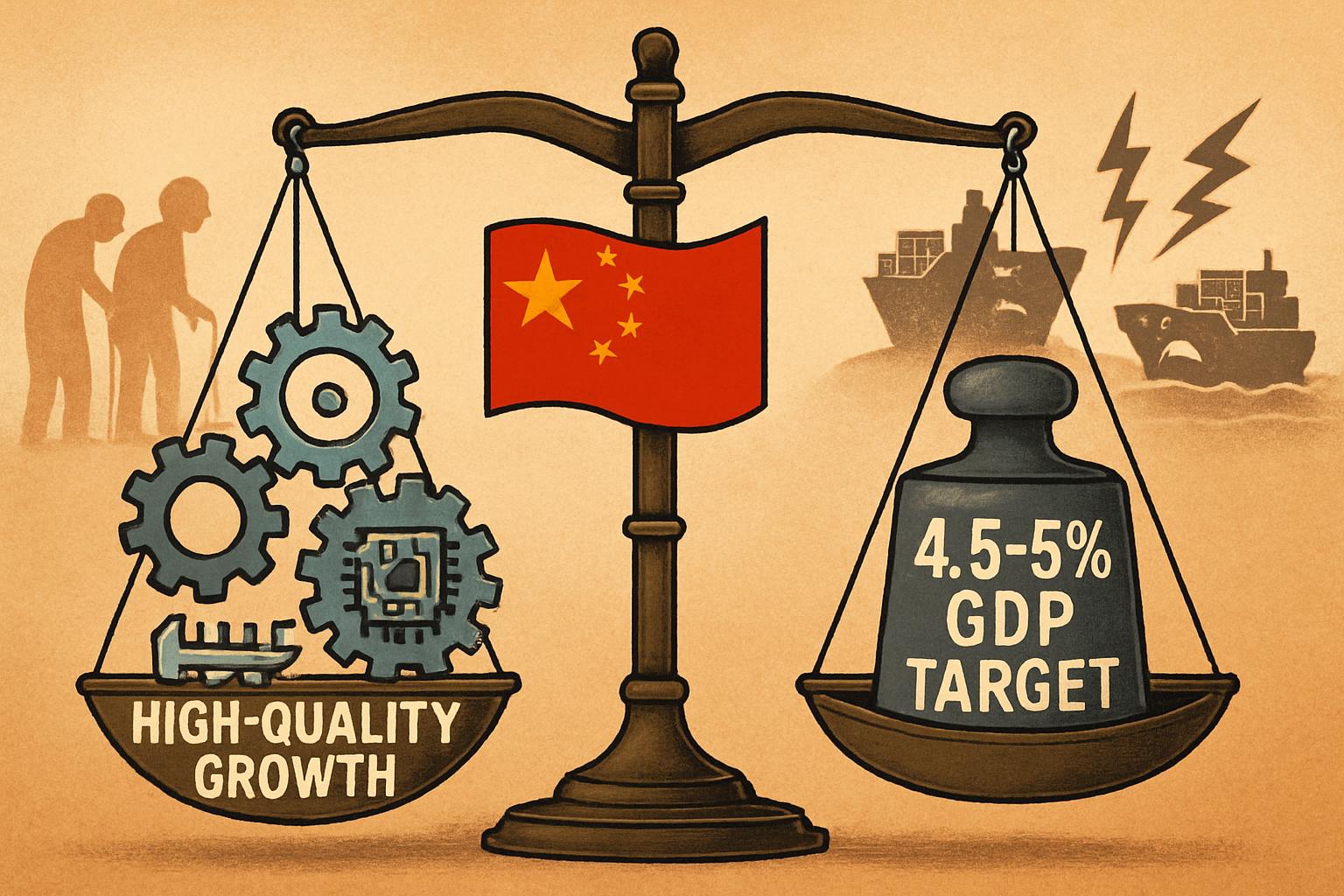
China Sets Lowest GDP Growth Target in Decades Amid Economic Challenges

UK Faces Dilemmas Amid Iran Conflict and China Spying Allegations
Trump's New Tariff Strategy Sparks Global Trade Uncertainty
Russia-Ukraine Conflict: Four Years of Unyielding Struggle and Human Resilience
Kim Jong Un Attends Beijing Military Parade in Historic Diplomatic Move
In This Article
HIGHLIGHTS
- North Korean leader Kim Jong Un traveled to China on his armoured train to attend a military parade in Beijing, marking his first multilateral international meeting.
- The parade, celebrating Japan's surrender in World War II, will feature leaders like China's Xi Jinping and Russia's Vladimir Putin, highlighting a significant diplomatic gathering.
- Kim's journey by train, a tradition among North Korean leaders, underscores his preference for this mode of transport over flying.
- The event marks the first time a North Korean leader has attended a Chinese military parade since 1959, showcasing strengthened ties between the two nations.
- Most Western leaders are absent from the parade due to opposition to Russia's actions in Ukraine, with only a few European representatives attending.
North Korean leader Kim Jong Un has embarked on a significant diplomatic journey, crossing into China aboard his signature armoured train to attend a military parade in Beijing. This event, commemorating the 80th anniversary of Japan's surrender in World War II, marks Kim's first participation in a multilateral international meeting, underscoring a potential shift in North Korea's diplomatic engagements.
A Historic Journey
Kim's journey began on Monday, with his train crossing into China early Tuesday morning, according to North Korea's state newspaper, Rodong Sinmun. The train, described as a "moving fortress" by South Korea's Yonhap news agency, travels at a modest speed of 60 kilometers per hour, making the trip to Beijing approximately 20 hours long. This mode of transport, favored by North Korean leaders for decades, offers a secure and comfortable environment for Kim and his entourage.
Diplomatic Significance
The military parade, set to take place in Beijing's historic Tiananmen Square, will see Kim alongside prominent leaders such as China's President Xi Jinping and Russia's Vladimir Putin. This gathering of 26 world leaders highlights a significant diplomatic moment, with Kim's presence marking the first time a North Korean leader has attended a Chinese military parade since 1959. The event also underscores the strengthening ties between North Korea and China, as well as the broader geopolitical dynamics at play.
A Tradition of Train Travel
Kim's preference for train travel continues a tradition established by his grandfather, Kim Il Sung, and his father, Kim Jong Il, who reportedly avoided flying. Despite having flown to summits in Singapore and Dalian in 2018, Kim's choice of the armoured train for this journey reflects both historical continuity and practical considerations. The train is equipped with conference rooms, bedrooms, and amenities, providing a conducive space for discussions and planning.
Western Absence
Notably, the parade will see limited participation from Western leaders, largely due to their opposition to Russia's invasion of Ukraine. While leaders from Southeast Asia, including Indonesia and Vietnam, will be present, only one European Union leader, Slovak Prime Minister Robert Fico, is expected to attend. This absence highlights the ongoing geopolitical tensions and the realignment of international relations.
WHAT THIS MIGHT MEAN
Kim Jong Un's attendance at the Beijing military parade could signal a new phase in North Korea's international diplomacy, potentially paving the way for increased engagement with China and Russia. This move might also reflect a strategic alignment amid global tensions, particularly concerning the West's stance on Russia's actions in Ukraine.
The absence of Western leaders at the parade underscores the deepening divide between East and West, with implications for future diplomatic and economic relations. As North Korea strengthens its ties with China and Russia, it may seek to leverage these relationships to counterbalance international sanctions and isolation.
In the coming months, observers will be keenly watching for any shifts in North Korea's foreign policy, particularly regarding its nuclear program and regional security dynamics. The outcomes of Kim's interactions with other world leaders at the parade could provide insights into the future trajectory of North Korea's international relations.
Related Articles
US Supreme Court Ruling Sparks Trade Uncertainty in Asia and Beyond
Russian LNG Tanker Sinks in Mediterranean Amid Accusations of Ukrainian Drone Attack
China Sets Lowest GDP Growth Target in Decades Amid Economic Challenges
UK Faces Dilemmas Amid Iran Conflict and China Spying Allegations
Trump's New Tariff Strategy Sparks Global Trade Uncertainty
Russia-Ukraine Conflict: Four Years of Unyielding Struggle and Human Resilience