
Kim Jong Un and Vladimir Putin to Attend Beijing Military Parade in Diplomatic Show of Strength
In This Article
HIGHLIGHTS
- Kim Jong Un and Vladimir Putin will attend a military parade in Beijing, marking a significant diplomatic event for China.
- The parade, celebrating the 80th anniversary of Japan's WWII surrender, will feature 26 foreign leaders, excluding most Western heads of state.
- China's display of military might is seen as a show of defiance against Western pressure, particularly regarding Russia's actions in Ukraine.
- The event underscores China's strategic alliances with Russia and North Korea amid ongoing geopolitical tensions.
- President Xi Jinping will oversee the parade, which will showcase China's latest military advancements.
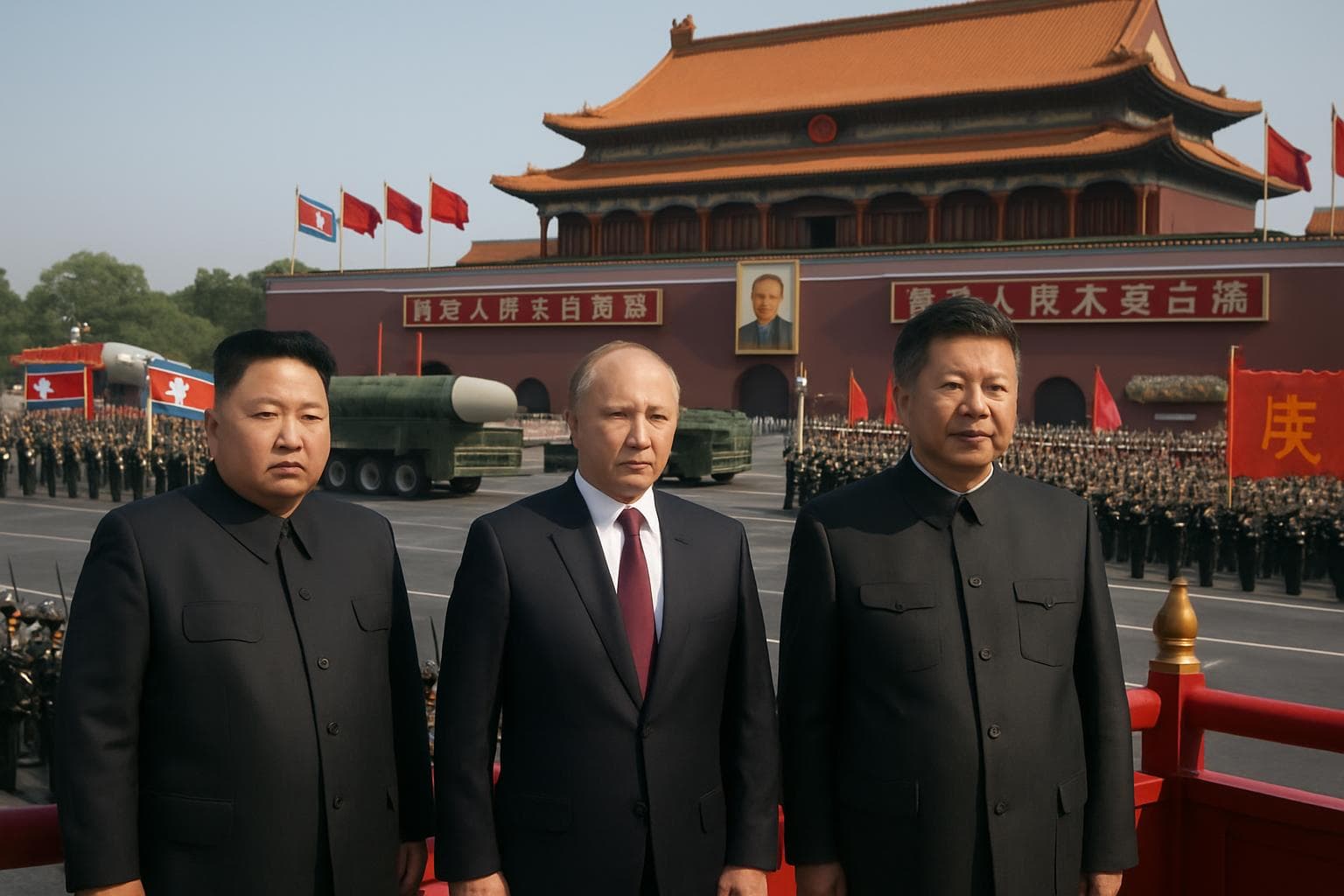
In a significant diplomatic gathering, North Korean leader Kim Jong Un and Russian President Vladimir Putin are set to attend a military parade in Beijing next week, alongside Chinese President Xi Jinping. The event, commemorating the 80th anniversary of Japan's surrender in World War II, is poised to be a major display of military prowess and international solidarity among these nations.
A Diplomatic Milestone
This marks Kim Jong Un's first multilateral international meeting, highlighting China's growing influence in global affairs. The parade will feature 26 foreign leaders, with a notable absence of Western heads of state, reflecting the geopolitical rift exacerbated by Russia's ongoing conflict in Ukraine. Slovakia's Prime Minister Robert Fico will be the sole European Union representative at the event.
Military Might on Display
The Victory Day parade, scheduled for September 3, will be one of China's largest in recent years. It will showcase cutting-edge military equipment, including fighter jets, missile defense systems, and hypersonic weapons. Tens of thousands of troops will march through Tiananmen Square, demonstrating China's military capabilities and strategic alliances with Russia and North Korea.
Strategic Alliances Amid Tensions
The presence of Kim and Putin underscores China's strategic partnerships with both North Korea and Russia. North Korea has been under UN sanctions since 2006 due to its nuclear weapons program, while Russia faces Western sanctions following its 2022 invasion of Ukraine. Despite these pressures, China has maintained its alliances, emphasizing regional peace and stability.
A Show of Defiance
The parade serves as a symbolic gesture of defiance against Western pressure, particularly from the United States. President Xi Jinping's role in overseeing the event further solidifies China's position as a key player on the global stage. The gathering also comes ahead of a potential visit by former US President Donald Trump to Asia, where he has expressed interest in meeting Kim Jong Un.
WHAT THIS MIGHT MEAN
The upcoming military parade in Beijing could have significant geopolitical implications. By hosting leaders like Kim Jong Un and Vladimir Putin, China is reinforcing its strategic alliances and signaling its defiance against Western influence. This gathering may further strain relations between China and Western nations, particularly as tensions over Russia's actions in Ukraine persist.
Experts suggest that the event could bolster China's diplomatic leverage in future negotiations, particularly with the United States. As China continues to assert its influence, the international community will be closely watching how these alliances evolve and impact global stability. The parade may also prompt Western nations to reassess their diplomatic strategies in the region, potentially leading to shifts in international relations.
Related Articles
Russian LNG Tanker Sinks in Mediterranean Amid Accusations of Ukrainian Drone Attack
Spain's Sánchez Stands Firm Against Trump's Trade Threat Over Iran Stance

UK Faces Dilemmas Amid Iran Conflict and China Spying Allegations
Intensified US-Israel Strikes on Iran Spark Global Outcry

Senate Blocks Resolution to Limit Trump's Military Actions in Iran
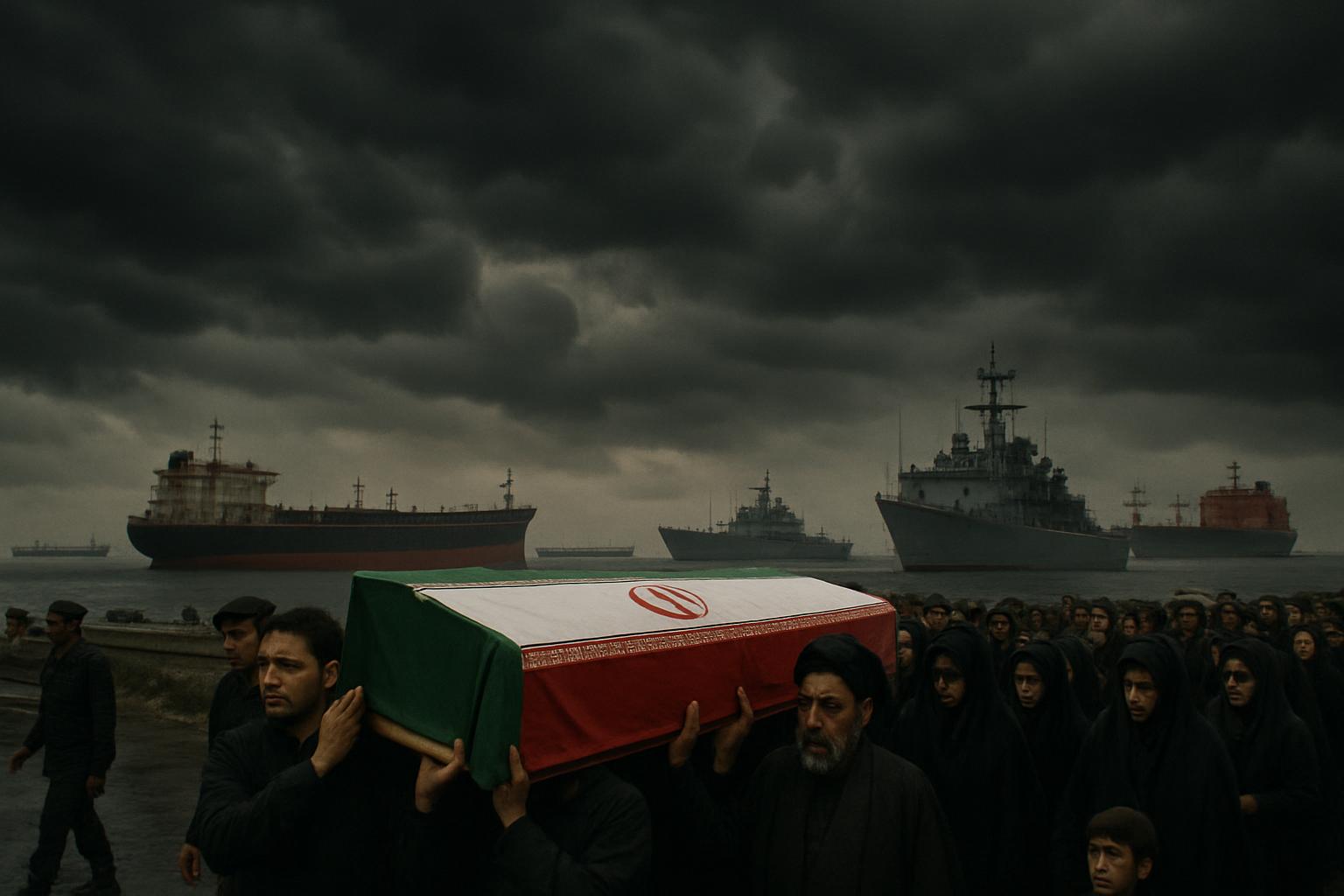
Iran Postpones Khamenei Funeral Amid Escalating US-Israeli Strikes
Kim Jong Un and Vladimir Putin to Attend Beijing Military Parade in Diplomatic Show of Strength
In This Article
 Ethan Brooks| Published
 HIGHLIGHTS
- Kim Jong Un and Vladimir Putin will attend a military parade in Beijing, marking a significant diplomatic event for China.
- The parade, celebrating the 80th anniversary of Japan's WWII surrender, will feature 26 foreign leaders, excluding most Western heads of state.
- China's display of military might is seen as a show of defiance against Western pressure, particularly regarding Russia's actions in Ukraine.
- The event underscores China's strategic alliances with Russia and North Korea amid ongoing geopolitical tensions.
- President Xi Jinping will oversee the parade, which will showcase China's latest military advancements.
In a significant diplomatic gathering, North Korean leader Kim Jong Un and Russian President Vladimir Putin are set to attend a military parade in Beijing next week, alongside Chinese President Xi Jinping. The event, commemorating the 80th anniversary of Japan's surrender in World War II, is poised to be a major display of military prowess and international solidarity among these nations.
A Diplomatic Milestone
This marks Kim Jong Un's first multilateral international meeting, highlighting China's growing influence in global affairs. The parade will feature 26 foreign leaders, with a notable absence of Western heads of state, reflecting the geopolitical rift exacerbated by Russia's ongoing conflict in Ukraine. Slovakia's Prime Minister Robert Fico will be the sole European Union representative at the event.
Military Might on Display
The Victory Day parade, scheduled for September 3, will be one of China's largest in recent years. It will showcase cutting-edge military equipment, including fighter jets, missile defense systems, and hypersonic weapons. Tens of thousands of troops will march through Tiananmen Square, demonstrating China's military capabilities and strategic alliances with Russia and North Korea.
Strategic Alliances Amid Tensions
The presence of Kim and Putin underscores China's strategic partnerships with both North Korea and Russia. North Korea has been under UN sanctions since 2006 due to its nuclear weapons program, while Russia faces Western sanctions following its 2022 invasion of Ukraine. Despite these pressures, China has maintained its alliances, emphasizing regional peace and stability.
A Show of Defiance
The parade serves as a symbolic gesture of defiance against Western pressure, particularly from the United States. President Xi Jinping's role in overseeing the event further solidifies China's position as a key player on the global stage. The gathering also comes ahead of a potential visit by former US President Donald Trump to Asia, where he has expressed interest in meeting Kim Jong Un.
WHAT THIS MIGHT MEAN
The upcoming military parade in Beijing could have significant geopolitical implications. By hosting leaders like Kim Jong Un and Vladimir Putin, China is reinforcing its strategic alliances and signaling its defiance against Western influence. This gathering may further strain relations between China and Western nations, particularly as tensions over Russia's actions in Ukraine persist.
Experts suggest that the event could bolster China's diplomatic leverage in future negotiations, particularly with the United States. As China continues to assert its influence, the international community will be closely watching how these alliances evolve and impact global stability. The parade may also prompt Western nations to reassess their diplomatic strategies in the region, potentially leading to shifts in international relations.
Related Articles
Russian LNG Tanker Sinks in Mediterranean Amid Accusations of Ukrainian Drone Attack
Spain's Sánchez Stands Firm Against Trump's Trade Threat Over Iran Stance
UK Faces Dilemmas Amid Iran Conflict and China Spying Allegations
Intensified US-Israel Strikes on Iran Spark Global Outcry
Senate Blocks Resolution to Limit Trump's Military Actions in Iran
Iran Postpones Khamenei Funeral Amid Escalating US-Israeli Strikes