
Kurdish Forces Withdraw from Aleppo Amid Ceasefire, US Strikes Islamic State Targets
In This Article
HIGHLIGHTS
- Kurdish forces have withdrawn from Aleppo following a ceasefire mediated by international powers, including the US.
- Syrian government forces detained 300 Kurds and evacuated over 400 Kurdish fighters from Aleppo.
- Recent clashes in Aleppo resulted in at least 21 civilian deaths and displaced 155,000 people.
- The US and allies conducted large-scale strikes against Islamic State targets in response to a deadly attack in Palmyra.
- Turkey, a Syrian ally, has expressed concerns over the situation, raising fears of potential regional escalation.
In a significant development, Kurdish forces have vacated the Syrian city of Aleppo following a ceasefire agreement brokered by international mediators, including the United States. The withdrawal marks the end of intense clashes that erupted earlier this week, resulting in the deaths of at least 21 civilians and the displacement of 155,000 people.
Ceasefire and Withdrawal
The Kurdish-led Syrian Democratic Forces (SDF) confirmed their withdrawal from Aleppo's Sheikh Maqsoud district, the last Kurdish stronghold in the city. This move follows a ceasefire deal reached through international mediation, which facilitated the evacuation of Kurdish fighters, wounded individuals, and civilians. According to the Syrian interior ministry, 360 Kurdish fighters and 60 wounded were transported to the Kurdish autonomous zone in the northeast, while 300 Kurds, including security personnel, were detained.
Background of the Conflict
The clashes in Aleppo, some of the most severe since the fall of Bashar al-Assad's regime in December 2024, were triggered by stalled negotiations to integrate Kurdish forces into Syria's new government. The Syrian army's designation of Kurdish neighborhoods as "closed military areas" and subsequent shelling intensified the conflict. Both sides have accused each other of derailing the peace process, with the Kurdish forces labeling the government's actions as a "criminal attempt" to displace residents.
US Strikes on Islamic State
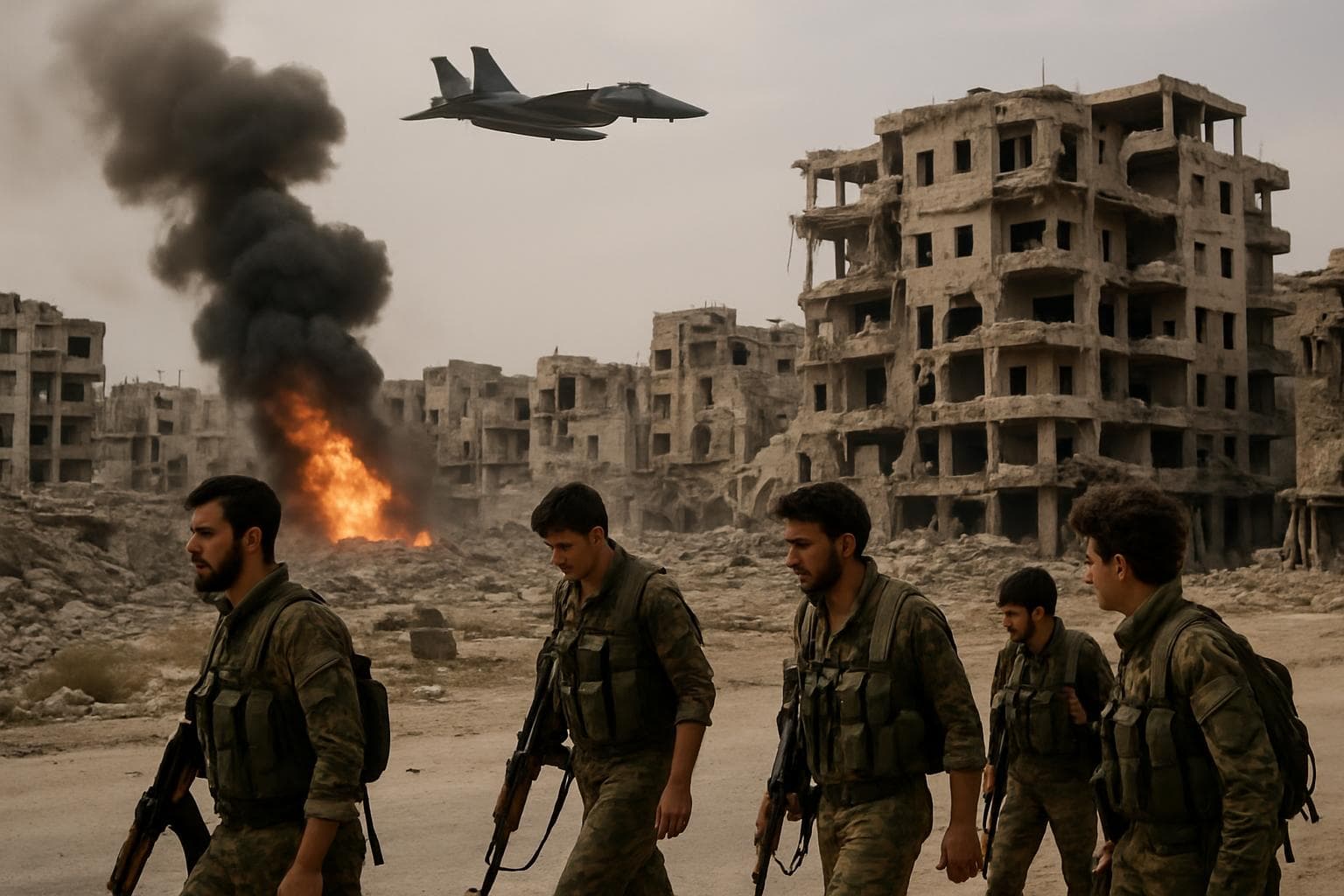
In a parallel development, the US and allied forces launched extensive strikes against Islamic State (IS) targets across Syria. This military action, part of Operation Hawkeye Strike, was a direct response to a December 13 attack in Palmyra that killed two US soldiers and a civilian interpreter. The strikes aimed to neutralize IS capabilities and prevent the group from reorganizing. The Jordanian army confirmed its participation in the operation, highlighting the ongoing international efforts to combat IS remnants in the region.
Regional Implications
The situation in Aleppo has heightened regional tensions, with Turkey, a close ally of Syria's new Islamist-led government, expressing concerns over the conflict's potential escalation. While Turkey has not explicitly stated its readiness to intervene, its support for the Syrian government and opposition to Kurdish forces adds complexity to the geopolitical landscape. Meanwhile, Israel has shown support for the Kurdish forces, further complicating the regional dynamics.
WHAT THIS MIGHT MEAN
The withdrawal of Kurdish forces from Aleppo underlines the fragile nature of the ceasefire and the broader challenges facing Syria's path to stability. The Syrian government's detention of Kurdish individuals and the ongoing tensions with Turkey could lead to further unrest if not managed carefully. The US strikes against IS highlight the persistent threat posed by the jihadist group, despite its territorial defeat. Moving forward, the international community's role in mediating peace and addressing regional concerns will be crucial in preventing further escalation and ensuring a lasting resolution to the conflict.
Related Articles

US Ambassador's Biblical Land Remarks Spark Outcry from Arab Nations

Middle East Conflict Drives UK Energy Prices to New Highs

UK Faces Dilemmas Amid Iran Conflict and China Spying Allegations
US and Israel Intensify Military Campaign as Iran's Capabilities Dwindle
Iran Postpones Khamenei Funeral Amid Escalating US-Israeli Strikes
Canada Calls for De-escalation Amid US-Israel Strikes on Iran
Kurdish Forces Withdraw from Aleppo Amid Ceasefire, US Strikes Islamic State Targets
In This Article
 James Okoro| Published
 HIGHLIGHTS
- Kurdish forces have withdrawn from Aleppo following a ceasefire mediated by international powers, including the US.
- Syrian government forces detained 300 Kurds and evacuated over 400 Kurdish fighters from Aleppo.
- Recent clashes in Aleppo resulted in at least 21 civilian deaths and displaced 155,000 people.
- The US and allies conducted large-scale strikes against Islamic State targets in response to a deadly attack in Palmyra.
- Turkey, a Syrian ally, has expressed concerns over the situation, raising fears of potential regional escalation.
In a significant development, Kurdish forces have vacated the Syrian city of Aleppo following a ceasefire agreement brokered by international mediators, including the United States. The withdrawal marks the end of intense clashes that erupted earlier this week, resulting in the deaths of at least 21 civilians and the displacement of 155,000 people.
Ceasefire and Withdrawal
The Kurdish-led Syrian Democratic Forces (SDF) confirmed their withdrawal from Aleppo's Sheikh Maqsoud district, the last Kurdish stronghold in the city. This move follows a ceasefire deal reached through international mediation, which facilitated the evacuation of Kurdish fighters, wounded individuals, and civilians. According to the Syrian interior ministry, 360 Kurdish fighters and 60 wounded were transported to the Kurdish autonomous zone in the northeast, while 300 Kurds, including security personnel, were detained.
Background of the Conflict
The clashes in Aleppo, some of the most severe since the fall of Bashar al-Assad's regime in December 2024, were triggered by stalled negotiations to integrate Kurdish forces into Syria's new government. The Syrian army's designation of Kurdish neighborhoods as "closed military areas" and subsequent shelling intensified the conflict. Both sides have accused each other of derailing the peace process, with the Kurdish forces labeling the government's actions as a "criminal attempt" to displace residents.
US Strikes on Islamic State
In a parallel development, the US and allied forces launched extensive strikes against Islamic State (IS) targets across Syria. This military action, part of Operation Hawkeye Strike, was a direct response to a December 13 attack in Palmyra that killed two US soldiers and a civilian interpreter. The strikes aimed to neutralize IS capabilities and prevent the group from reorganizing. The Jordanian army confirmed its participation in the operation, highlighting the ongoing international efforts to combat IS remnants in the region.
Regional Implications
The situation in Aleppo has heightened regional tensions, with Turkey, a close ally of Syria's new Islamist-led government, expressing concerns over the conflict's potential escalation. While Turkey has not explicitly stated its readiness to intervene, its support for the Syrian government and opposition to Kurdish forces adds complexity to the geopolitical landscape. Meanwhile, Israel has shown support for the Kurdish forces, further complicating the regional dynamics.
WHAT THIS MIGHT MEAN
The withdrawal of Kurdish forces from Aleppo underlines the fragile nature of the ceasefire and the broader challenges facing Syria's path to stability. The Syrian government's detention of Kurdish individuals and the ongoing tensions with Turkey could lead to further unrest if not managed carefully. The US strikes against IS highlight the persistent threat posed by the jihadist group, despite its territorial defeat. Moving forward, the international community's role in mediating peace and addressing regional concerns will be crucial in preventing further escalation and ensuring a lasting resolution to the conflict.
Related Articles
US Ambassador's Biblical Land Remarks Spark Outcry from Arab Nations
Middle East Conflict Drives UK Energy Prices to New Highs
UK Faces Dilemmas Amid Iran Conflict and China Spying Allegations
US and Israel Intensify Military Campaign as Iran's Capabilities Dwindle
Iran Postpones Khamenei Funeral Amid Escalating US-Israeli Strikes
Canada Calls for De-escalation Amid US-Israel Strikes on Iran