
Mali and Burkina Faso Retaliate Against US Travel Ban with Reciprocal Measures
In This Article
HIGHLIGHTS
- Mali and Burkina Faso have imposed travel bans on US citizens in response to the Trump administration's expanded visa restrictions.
- The US travel ban, effective January 1, targets several countries, including Mali, Burkina Faso, and Niger, citing security concerns.
- The West African nations, governed by military juntas, have formed a regional bloc and are pivoting towards Russia amid strained relations with Western powers.
- The US restrictions aim to ensure security by requiring improvements in identity management and information-sharing from affected countries.
- Exceptions to the US ban include lawful permanent residents, existing visa holders, and diplomats, with case-by-case waivers available.
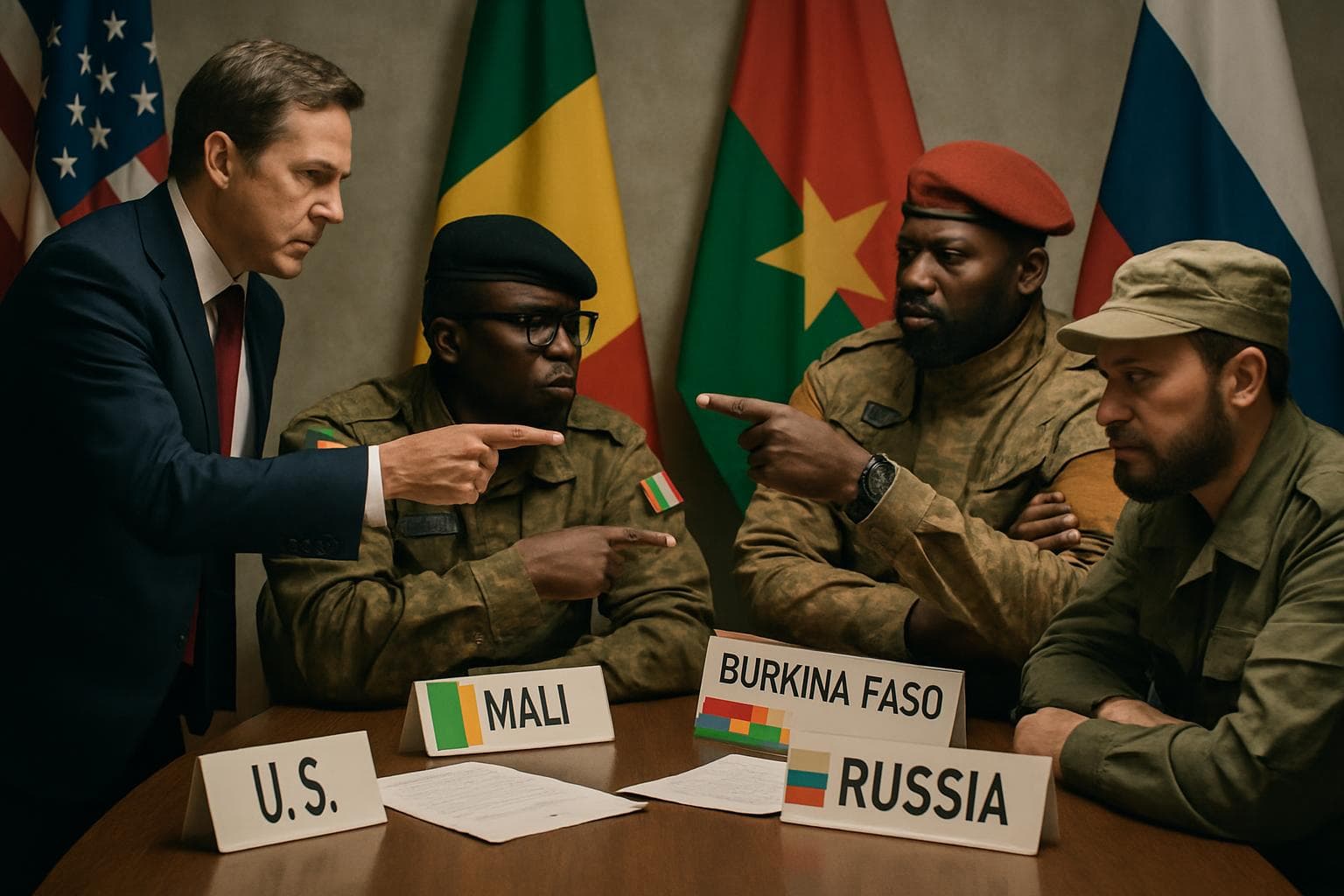
In a move reflecting escalating diplomatic tensions, Mali and Burkina Faso have announced travel bans on US citizens, mirroring the Trump administration's recent visa restrictions on their nationals. The decision, unveiled in separate statements by the foreign ministries of the two West African nations, underscores the growing rift between the US and military-led governments in the region.
Reciprocal Measures in Response to US Policy
The travel restrictions by Mali and Burkina Faso come as a direct response to the US's expanded travel ban, which was announced earlier this month and is set to take effect on January 1. The US policy targets several countries, including Mali, Burkina Faso, and Niger, citing security concerns and the need for improved identity management and information-sharing. The White House emphasized that these measures are crucial to safeguarding American citizens from potential threats.
Military Juntas and Regional Dynamics
Both Mali and Burkina Faso are currently governed by military juntas that seized power through coups. These governments have distanced themselves from the Economic Community of West African States (ECOWAS) and have formed a new regional bloc, aligning more closely with Russia. This shift comes amid strained relations with Western powers, further complicating the geopolitical landscape in West Africa.
Security Concerns and Exceptions
The US administration has justified its travel ban by highlighting persistent security threats, including attacks by armed groups in the region. While the restrictions are comprehensive, they do not apply to lawful permanent residents, existing visa holders, diplomats, or athletes traveling for major sporting events. Additionally, case-by-case waivers may be granted if travel is deemed in the national interest.
Implications for International Relations
The reciprocal travel bans highlight the fragile state of international relations between the US and certain West African nations. As these countries navigate their alliances and security challenges, the impact of these diplomatic moves will likely resonate beyond their borders.
WHAT THIS MIGHT MEAN
The reciprocal travel bans between the US and West African nations such as Mali and Burkina Faso could lead to further diplomatic isolation for these countries, potentially pushing them closer to non-Western allies like Russia. This shift may alter regional power dynamics and affect international cooperation on security issues. Experts suggest that unless dialogue resumes, the situation could exacerbate existing tensions and hinder efforts to address the underlying security concerns that prompted the US travel restrictions. As the January 1 implementation date approaches, the global community will be watching closely to see how these developments unfold and what impact they may have on broader geopolitical relations.
Related Articles
Kenyan Nationals Recruited for Russia-Ukraine War Amid Allegations of Human Trafficking

Tech Giants Pledge to Cover AI Data Center Energy Costs Amid Rising Electricity Concerns
Geneva Peace Talks Between Russia and Ukraine End Without Breakthrough
Canada and Australia Forge Strategic Partnership Amid Global Uncertainty
Russian LNG Tanker Sinks in Mediterranean Amid Accusations of Ukrainian Drone Attack

Middle East Conflict Drives UK Energy Prices to New Highs
Mali and Burkina Faso Retaliate Against US Travel Ban with Reciprocal Measures
In This Article
 James Okoro| Published
 HIGHLIGHTS
- Mali and Burkina Faso have imposed travel bans on US citizens in response to the Trump administration's expanded visa restrictions.
- The US travel ban, effective January 1, targets several countries, including Mali, Burkina Faso, and Niger, citing security concerns.
- The West African nations, governed by military juntas, have formed a regional bloc and are pivoting towards Russia amid strained relations with Western powers.
- The US restrictions aim to ensure security by requiring improvements in identity management and information-sharing from affected countries.
- Exceptions to the US ban include lawful permanent residents, existing visa holders, and diplomats, with case-by-case waivers available.
In a move reflecting escalating diplomatic tensions, Mali and Burkina Faso have announced travel bans on US citizens, mirroring the Trump administration's recent visa restrictions on their nationals. The decision, unveiled in separate statements by the foreign ministries of the two West African nations, underscores the growing rift between the US and military-led governments in the region.
Reciprocal Measures in Response to US Policy
The travel restrictions by Mali and Burkina Faso come as a direct response to the US's expanded travel ban, which was announced earlier this month and is set to take effect on January 1. The US policy targets several countries, including Mali, Burkina Faso, and Niger, citing security concerns and the need for improved identity management and information-sharing. The White House emphasized that these measures are crucial to safeguarding American citizens from potential threats.
Military Juntas and Regional Dynamics
Both Mali and Burkina Faso are currently governed by military juntas that seized power through coups. These governments have distanced themselves from the Economic Community of West African States (ECOWAS) and have formed a new regional bloc, aligning more closely with Russia. This shift comes amid strained relations with Western powers, further complicating the geopolitical landscape in West Africa.
Security Concerns and Exceptions
The US administration has justified its travel ban by highlighting persistent security threats, including attacks by armed groups in the region. While the restrictions are comprehensive, they do not apply to lawful permanent residents, existing visa holders, diplomats, or athletes traveling for major sporting events. Additionally, case-by-case waivers may be granted if travel is deemed in the national interest.
Implications for International Relations
The reciprocal travel bans highlight the fragile state of international relations between the US and certain West African nations. As these countries navigate their alliances and security challenges, the impact of these diplomatic moves will likely resonate beyond their borders.
WHAT THIS MIGHT MEAN
The reciprocal travel bans between the US and West African nations such as Mali and Burkina Faso could lead to further diplomatic isolation for these countries, potentially pushing them closer to non-Western allies like Russia. This shift may alter regional power dynamics and affect international cooperation on security issues. Experts suggest that unless dialogue resumes, the situation could exacerbate existing tensions and hinder efforts to address the underlying security concerns that prompted the US travel restrictions. As the January 1 implementation date approaches, the global community will be watching closely to see how these developments unfold and what impact they may have on broader geopolitical relations.
Related Articles
Kenyan Nationals Recruited for Russia-Ukraine War Amid Allegations of Human Trafficking
Tech Giants Pledge to Cover AI Data Center Energy Costs Amid Rising Electricity Concerns
Geneva Peace Talks Between Russia and Ukraine End Without Breakthrough
Canada and Australia Forge Strategic Partnership Amid Global Uncertainty
Russian LNG Tanker Sinks in Mediterranean Amid Accusations of Ukrainian Drone Attack
Middle East Conflict Drives UK Energy Prices to New Highs