
Mark Carney's Leadership Victory Amidst Canada-US Trade Tensions
In This Article
HIGHLIGHTS
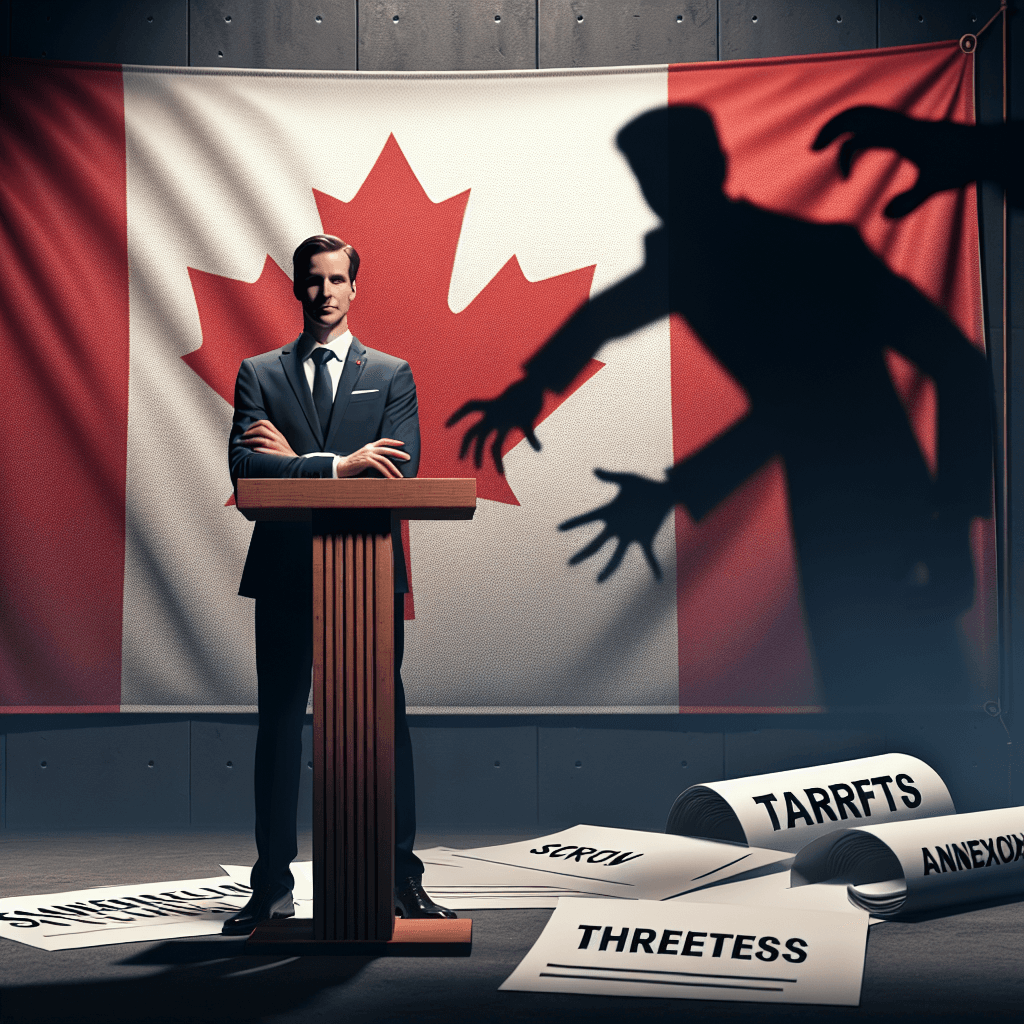
- Mark Carney, former central banker, has been elected leader of Canada's Liberal Party, positioning him as the next prime minister.
- Carney's leadership comes amid heightened tensions with the US, following Donald Trump's imposition of a 25% tariff on Canadian goods.
- The Liberal Party, previously trailing, has gained momentum with sovereignty becoming a key electoral issue.
- Carney, lacking parliamentary experience, is expected to call a snap election to capitalize on his rising popularity.
- The outgoing prime minister highlighted the existential threat posed by Trump's annexation rhetoric, rallying Canadians around national sovereignty.
Mark Carney, the former governor of the Bank of Canada and the Bank of England, has emerged as the leader of Canada's Liberal Party, setting the stage for him to become the country's next prime minister. This development comes at a critical juncture for Canada, as it navigates a fraught relationship with its southern neighbor, the United States.
A New Leader in Challenging Times
Carney's ascent to leadership marks a significant moment in Canadian politics. Despite his lack of parliamentary experience, he secured a decisive victory in the Liberal leadership race, garnering 85.9% of the vote. His victory positions him as only the second Canadian prime minister without a seat in parliament, a role he will need to formalize by running for a federal seat soon.
Trade Tensions and National Sovereignty
The backdrop to Carney's leadership is a tense trade environment, exacerbated by former US President Donald Trump's recent imposition of a 25% tariff on Canadian goods. This move has strained Canada-US trade relations and sparked fears of economic recession in Canada. Carney has been vocal in his opposition to Trump's actions, asserting, "Canada never, ever, will be part of America in any way, shape or form."
Political Implications and Election Prospects
The Liberal Party, which had been struggling in the polls, has seen a resurgence as Canadian sovereignty becomes a central electoral issue. Carney's economic expertise and outsider status have bolstered his popularity, prompting speculation of a snap general election. The outgoing prime minister underscored the gravity of the situation, warning that Canada's democracy and sovereignty are at stake.
Challenges Ahead for Carney
Despite his leadership win, Carney faces challenges transitioning from the corporate world to politics. His past role at Brookfield Asset Management, particularly its headquarters move from Toronto to New York, has drawn scrutiny. Nevertheless, Carney has pledged to place his substantial assets in a blind trust to avoid conflicts of interest.
WHAT THIS MIGHT MEAN
As Mark Carney prepares to assume office, his immediate challenge will be navigating the complex trade dynamics with the United States. The imposition of tariffs by Trump has not only strained economic relations but also fueled nationalistic sentiments within Canada. Carney's economic acumen will be crucial in addressing these challenges and maintaining Canada's economic stability.
Politically, Carney's leadership could redefine the Canadian political landscape. By capitalizing on the sovereignty issue, he may successfully rally public support and secure a mandate in a potential snap election. However, his lack of parliamentary experience could pose hurdles in navigating the intricacies of Canadian politics.
In the broader context, Carney's tenure could influence Canada's role on the global stage, particularly in trade negotiations and international diplomacy. His leadership will be closely watched as Canada seeks to assert its sovereignty and strengthen its position amidst global uncertainties.
Related Articles

Congress Subpoenas Attorney General Bondi in Epstein Investigation
Canada Calls for De-escalation Amid US-Israel Strikes on Iran
Canada and Australia Forge Strategic Partnership Amid Global Uncertainty

Cuba Faces Widespread Blackout Amid Deepening Fuel Crisis

UK Faces Dilemmas Amid Iran Conflict and China Spying Allegations
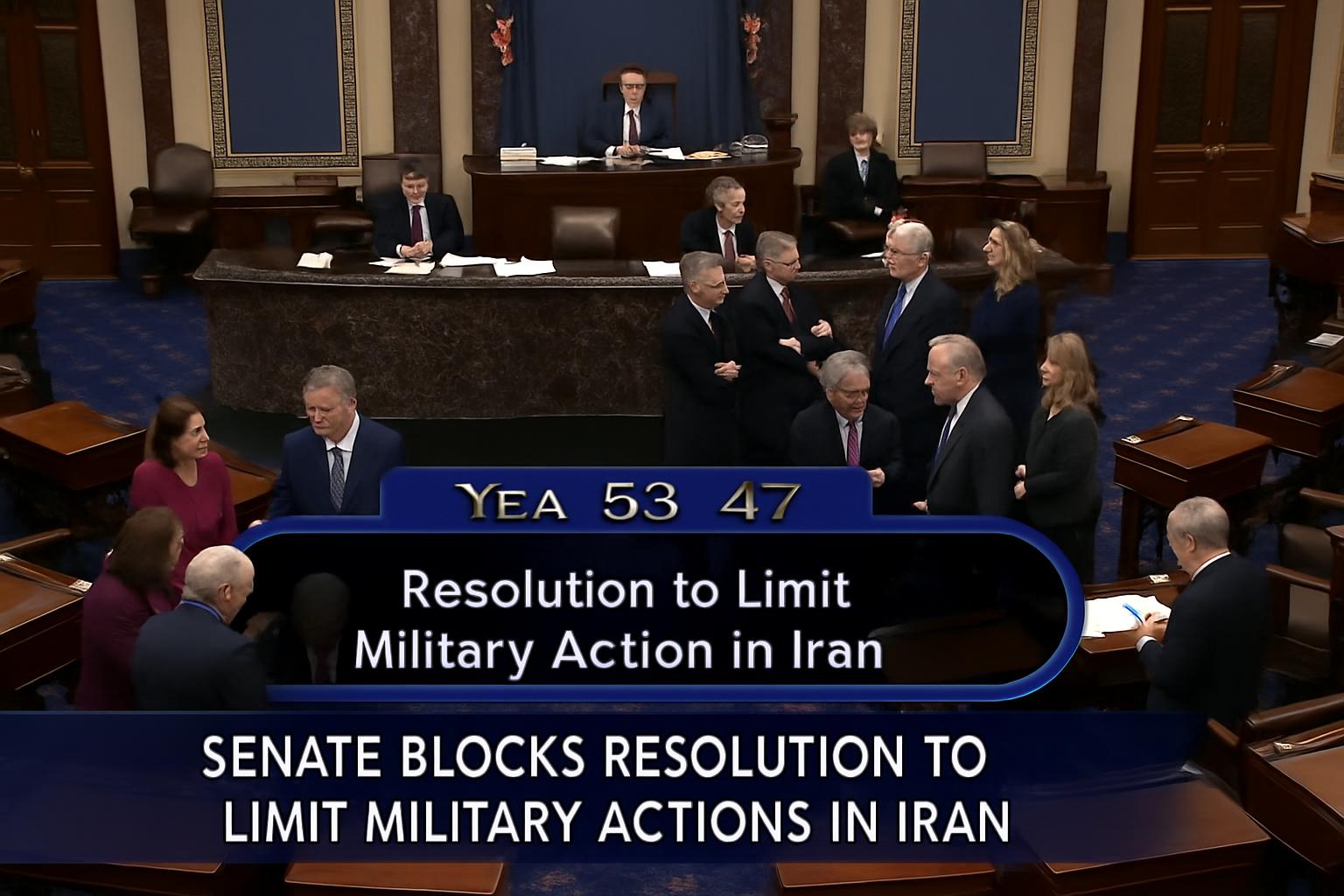
Senate Blocks Resolution to Limit Trump's Military Actions in Iran
Mark Carney's Leadership Victory Amidst Canada-US Trade Tensions
In This Article
 Alex Carter| Published
 HIGHLIGHTS
- Mark Carney, former central banker, has been elected leader of Canada's Liberal Party, positioning him as the next prime minister.
- Carney's leadership comes amid heightened tensions with the US, following Donald Trump's imposition of a 25% tariff on Canadian goods.
- The Liberal Party, previously trailing, has gained momentum with sovereignty becoming a key electoral issue.
- Carney, lacking parliamentary experience, is expected to call a snap election to capitalize on his rising popularity.
- The outgoing prime minister highlighted the existential threat posed by Trump's annexation rhetoric, rallying Canadians around national sovereignty.
Mark Carney, the former governor of the Bank of Canada and the Bank of England, has emerged as the leader of Canada's Liberal Party, setting the stage for him to become the country's next prime minister. This development comes at a critical juncture for Canada, as it navigates a fraught relationship with its southern neighbor, the United States.
A New Leader in Challenging Times
Carney's ascent to leadership marks a significant moment in Canadian politics. Despite his lack of parliamentary experience, he secured a decisive victory in the Liberal leadership race, garnering 85.9% of the vote. His victory positions him as only the second Canadian prime minister without a seat in parliament, a role he will need to formalize by running for a federal seat soon.
Trade Tensions and National Sovereignty
The backdrop to Carney's leadership is a tense trade environment, exacerbated by former US President Donald Trump's recent imposition of a 25% tariff on Canadian goods. This move has strained Canada-US trade relations and sparked fears of economic recession in Canada. Carney has been vocal in his opposition to Trump's actions, asserting, "Canada never, ever, will be part of America in any way, shape or form."
Political Implications and Election Prospects
The Liberal Party, which had been struggling in the polls, has seen a resurgence as Canadian sovereignty becomes a central electoral issue. Carney's economic expertise and outsider status have bolstered his popularity, prompting speculation of a snap general election. The outgoing prime minister underscored the gravity of the situation, warning that Canada's democracy and sovereignty are at stake.
Challenges Ahead for Carney
Despite his leadership win, Carney faces challenges transitioning from the corporate world to politics. His past role at Brookfield Asset Management, particularly its headquarters move from Toronto to New York, has drawn scrutiny. Nevertheless, Carney has pledged to place his substantial assets in a blind trust to avoid conflicts of interest.
WHAT THIS MIGHT MEAN
As Mark Carney prepares to assume office, his immediate challenge will be navigating the complex trade dynamics with the United States. The imposition of tariffs by Trump has not only strained economic relations but also fueled nationalistic sentiments within Canada. Carney's economic acumen will be crucial in addressing these challenges and maintaining Canada's economic stability.
Politically, Carney's leadership could redefine the Canadian political landscape. By capitalizing on the sovereignty issue, he may successfully rally public support and secure a mandate in a potential snap election. However, his lack of parliamentary experience could pose hurdles in navigating the intricacies of Canadian politics.
In the broader context, Carney's tenure could influence Canada's role on the global stage, particularly in trade negotiations and international diplomacy. His leadership will be closely watched as Canada seeks to assert its sovereignty and strengthen its position amidst global uncertainties.
Related Articles
Congress Subpoenas Attorney General Bondi in Epstein Investigation
Canada Calls for De-escalation Amid US-Israel Strikes on Iran
Canada and Australia Forge Strategic Partnership Amid Global Uncertainty
Cuba Faces Widespread Blackout Amid Deepening Fuel Crisis
UK Faces Dilemmas Amid Iran Conflict and China Spying Allegations
Senate Blocks Resolution to Limit Trump's Military Actions in Iran