
Mass Protests Erupt in Israel Against Netanyahu's Gaza Escalation Plan
In This Article
HIGHLIGHTS
- Thousands protested in Israel against Prime Minister Netanyahu's plan to expand military operations in Gaza, fearing it endangers hostages.
- Israel's security cabinet approved a plan to seize Gaza City, despite warnings from military leaders about potential risks.
- Public opinion polls show most Israelis favor a ceasefire and a deal with Hamas to secure the release of hostages.
- Demonstrations in Tel Aviv saw over 100,000 participants, with calls for international intervention to end the conflict.
- The Israeli government faces criticism domestically and internationally for its military strategy in Gaza.
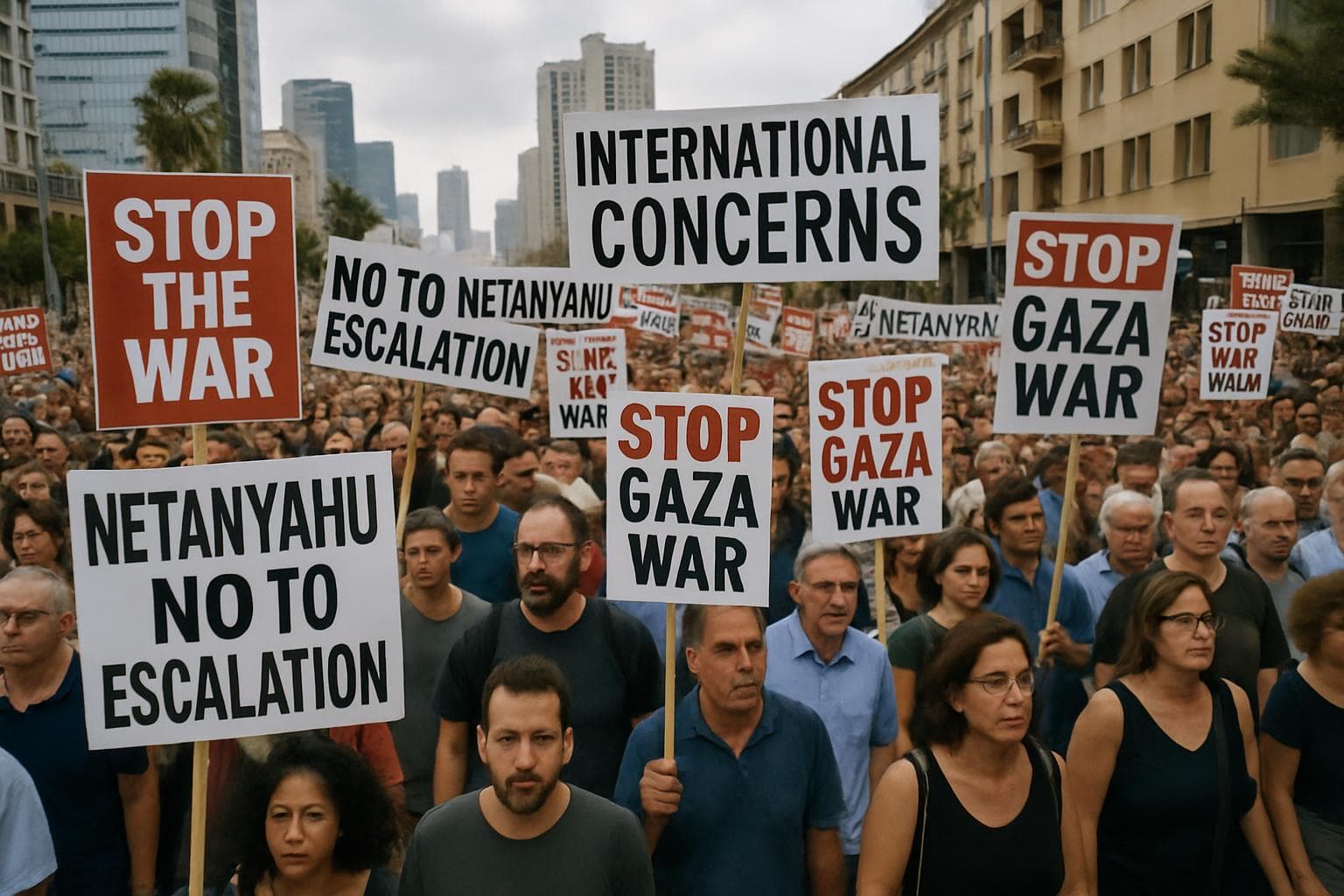
In a dramatic display of public dissent, thousands of Israelis took to the streets over the weekend to protest Prime Minister Benjamin Netanyahu's controversial plan to expand military operations in Gaza. The protests, which drew over 100,000 participants in Tel Aviv alone, reflect widespread concern that the government's strategy could jeopardize the lives of hostages held by Hamas.
Public Outcry Over Military Strategy
The Israeli security cabinet recently approved a plan to seize control of Gaza City, a move that has sparked significant backlash both domestically and internationally. Critics argue that the escalation could endanger hostages and further destabilize the region. "This isn't just a military decision. It could be a death sentence for the people we love most," said Lishay Miran Lavi, whose husband is among the hostages.
Hostage Crisis Fuels Protests
The hostage crisis remains a central issue for many Israelis, with public opinion polls indicating a strong preference for a ceasefire and negotiations with Hamas. Approximately 50 hostages are believed to be held in Gaza, with around 20 thought to be alive. Protesters, including family members of hostages, have urged the government to prioritize their release over military action.
Calls for International Intervention
Demonstrators in Tel Aviv and other cities have called for international figures, including former U.S. President Donald Trump, to intervene and help broker a deal to end the conflict. "They are doing things against the interests of the country," said Rami Dar, a protester from a suburb outside Tel Aviv, echoing the sentiment of many who fear the government's actions could lead to further bloodshed.
Military and Political Tensions
The Israeli military has expressed concerns over the government's plan, with Chief of Staff Lt Gen Eyal Zamir reportedly warning that a full occupation of Gaza could be a strategic misstep. Despite these warnings, Netanyahu has defended the plan, stating that it aims to "free Gaza from Hamas" rather than occupy it permanently.
WHAT THIS MIGHT MEAN
The ongoing protests and public opposition could pressure the Israeli government to reconsider its military strategy in Gaza. If the demonstrations continue to grow, Netanyahu may face increased calls for a ceasefire and negotiations with Hamas. International involvement could also play a crucial role in shaping the conflict's resolution, particularly if influential global leaders advocate for diplomatic solutions. As tensions remain high, the situation in Gaza and Israel's domestic landscape will likely remain volatile in the coming weeks.
Related Articles
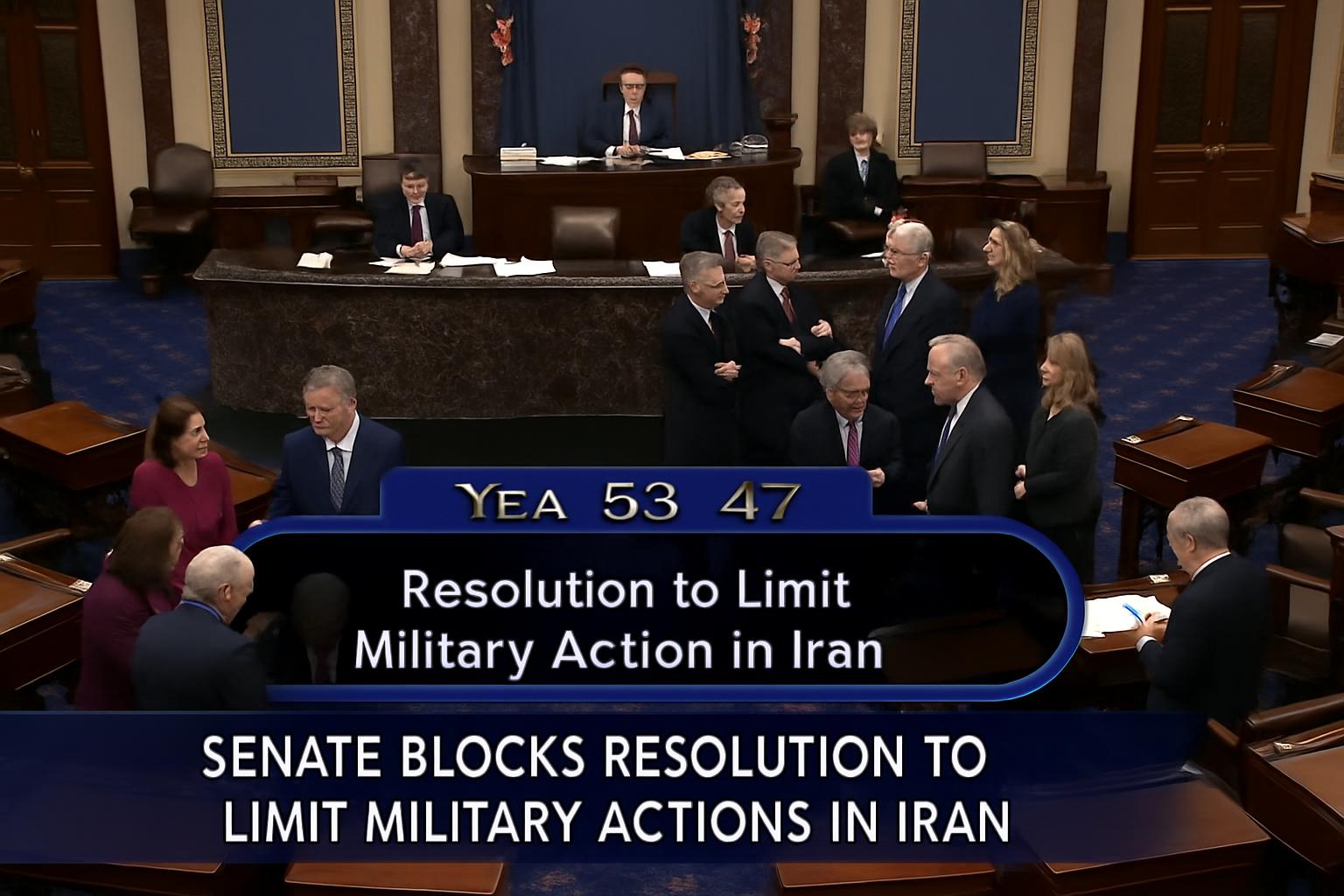
Senate Blocks Resolution to Limit Trump's Military Actions in Iran

US and Israel Intensify Military Campaign as Iran's Capabilities Dwindle
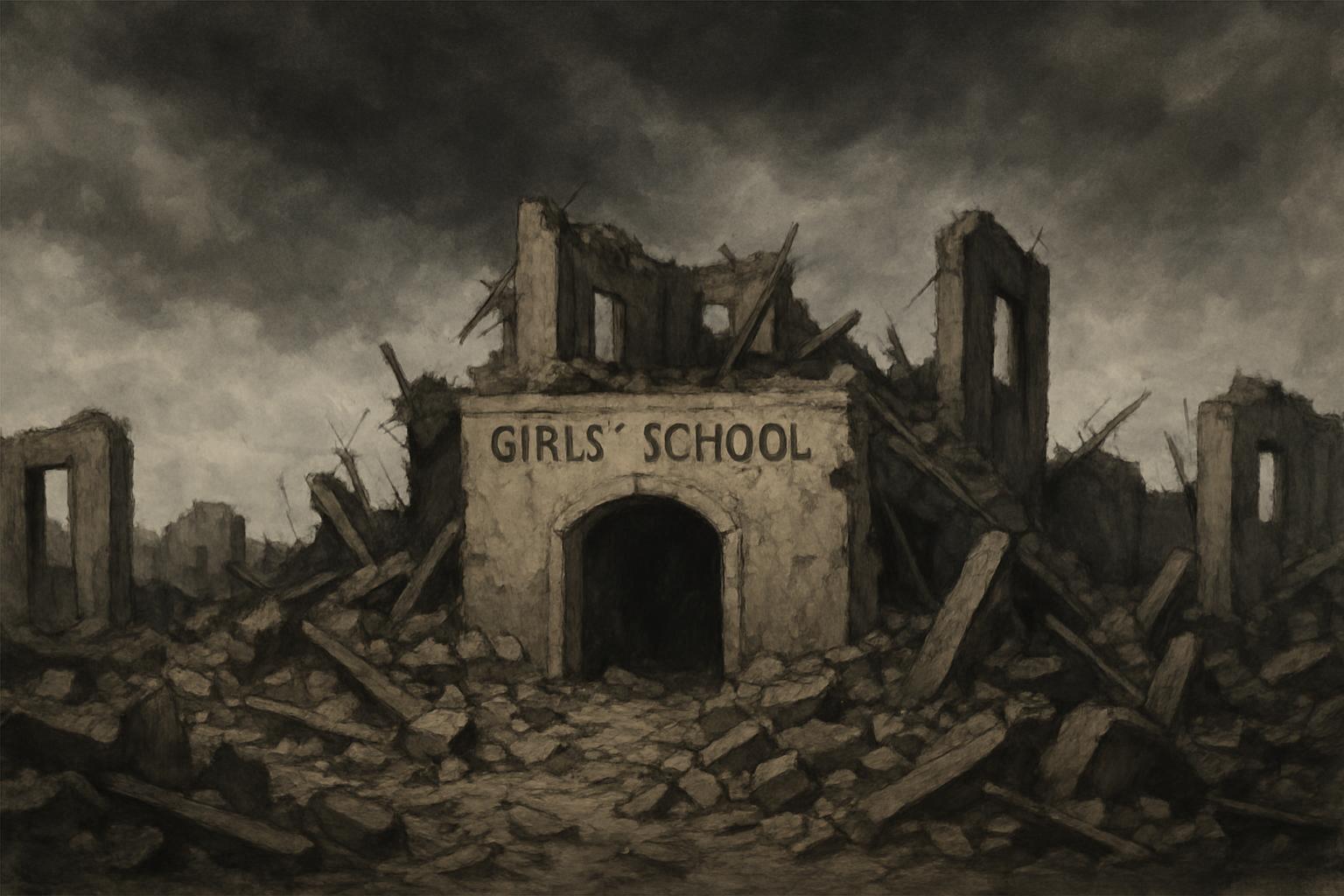
Intensified US-Israel Strikes on Iran Spark Global Outcry
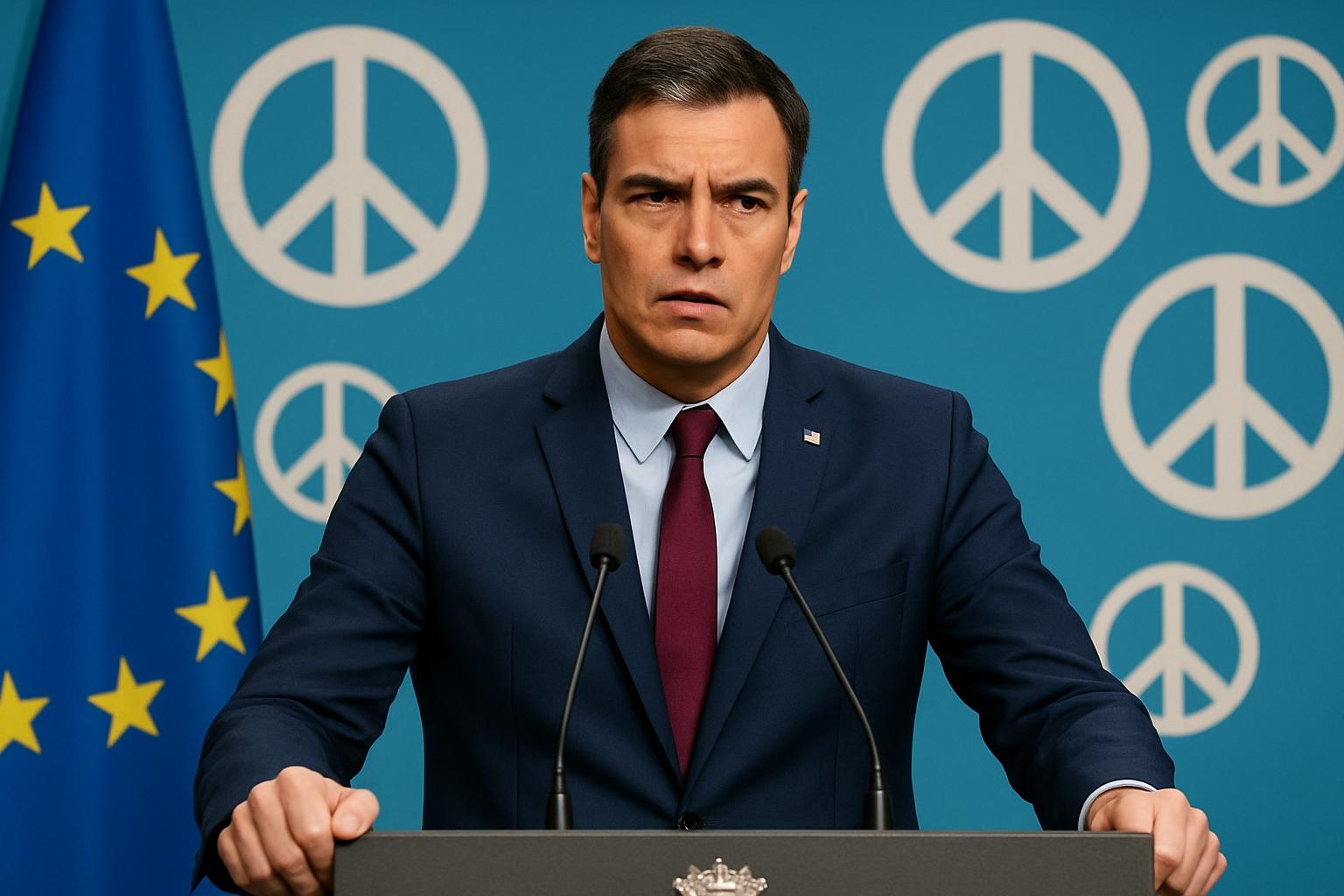
Spain's Sánchez Stands Firm Against Trump's Trade Threat Over Iran Stance
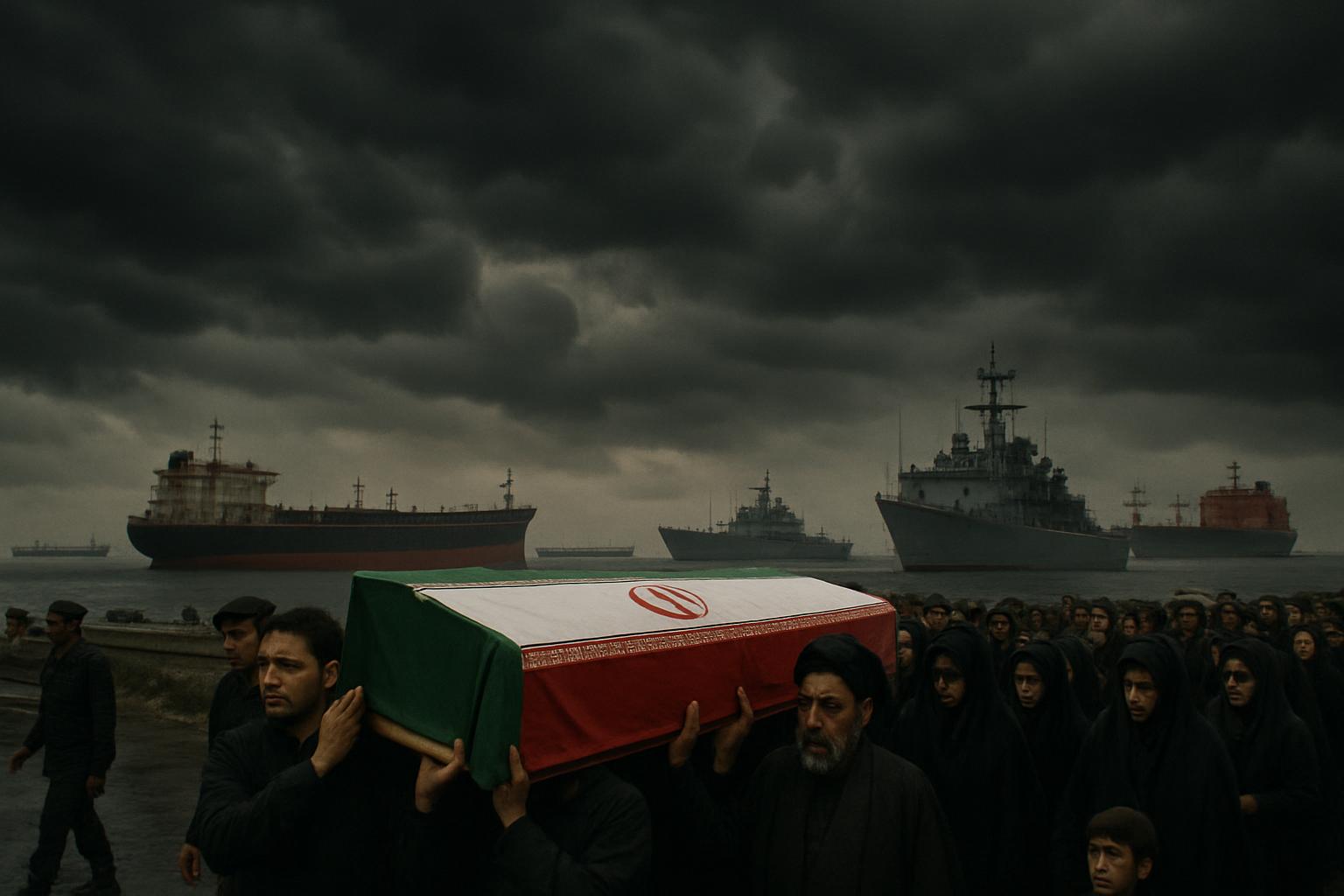
Iran Postpones Khamenei Funeral Amid Escalating US-Israeli Strikes

Congress Subpoenas Attorney General Bondi in Epstein Investigation
Mass Protests Erupt in Israel Against Netanyahu's Gaza Escalation Plan
In This Article
 Ethan Brooks| Published
 HIGHLIGHTS
- Thousands protested in Israel against Prime Minister Netanyahu's plan to expand military operations in Gaza, fearing it endangers hostages.
- Israel's security cabinet approved a plan to seize Gaza City, despite warnings from military leaders about potential risks.
- Public opinion polls show most Israelis favor a ceasefire and a deal with Hamas to secure the release of hostages.
- Demonstrations in Tel Aviv saw over 100,000 participants, with calls for international intervention to end the conflict.
- The Israeli government faces criticism domestically and internationally for its military strategy in Gaza.
In a dramatic display of public dissent, thousands of Israelis took to the streets over the weekend to protest Prime Minister Benjamin Netanyahu's controversial plan to expand military operations in Gaza. The protests, which drew over 100,000 participants in Tel Aviv alone, reflect widespread concern that the government's strategy could jeopardize the lives of hostages held by Hamas.
Public Outcry Over Military Strategy
The Israeli security cabinet recently approved a plan to seize control of Gaza City, a move that has sparked significant backlash both domestically and internationally. Critics argue that the escalation could endanger hostages and further destabilize the region. "This isn't just a military decision. It could be a death sentence for the people we love most," said Lishay Miran Lavi, whose husband is among the hostages.
Hostage Crisis Fuels Protests
The hostage crisis remains a central issue for many Israelis, with public opinion polls indicating a strong preference for a ceasefire and negotiations with Hamas. Approximately 50 hostages are believed to be held in Gaza, with around 20 thought to be alive. Protesters, including family members of hostages, have urged the government to prioritize their release over military action.
Calls for International Intervention
Demonstrators in Tel Aviv and other cities have called for international figures, including former U.S. President Donald Trump, to intervene and help broker a deal to end the conflict. "They are doing things against the interests of the country," said Rami Dar, a protester from a suburb outside Tel Aviv, echoing the sentiment of many who fear the government's actions could lead to further bloodshed.
Military and Political Tensions
The Israeli military has expressed concerns over the government's plan, with Chief of Staff Lt Gen Eyal Zamir reportedly warning that a full occupation of Gaza could be a strategic misstep. Despite these warnings, Netanyahu has defended the plan, stating that it aims to "free Gaza from Hamas" rather than occupy it permanently.
WHAT THIS MIGHT MEAN
The ongoing protests and public opposition could pressure the Israeli government to reconsider its military strategy in Gaza. If the demonstrations continue to grow, Netanyahu may face increased calls for a ceasefire and negotiations with Hamas. International involvement could also play a crucial role in shaping the conflict's resolution, particularly if influential global leaders advocate for diplomatic solutions. As tensions remain high, the situation in Gaza and Israel's domestic landscape will likely remain volatile in the coming weeks.
Related Articles
Senate Blocks Resolution to Limit Trump's Military Actions in Iran
US and Israel Intensify Military Campaign as Iran's Capabilities Dwindle
Intensified US-Israel Strikes on Iran Spark Global Outcry
Spain's Sánchez Stands Firm Against Trump's Trade Threat Over Iran Stance
Iran Postpones Khamenei Funeral Amid Escalating US-Israeli Strikes
Congress Subpoenas Attorney General Bondi in Epstein Investigation