
Massive Earthquake Off Russia Sparks Tsunami Warnings Across Pacific
In This Article
HIGHLIGHTS
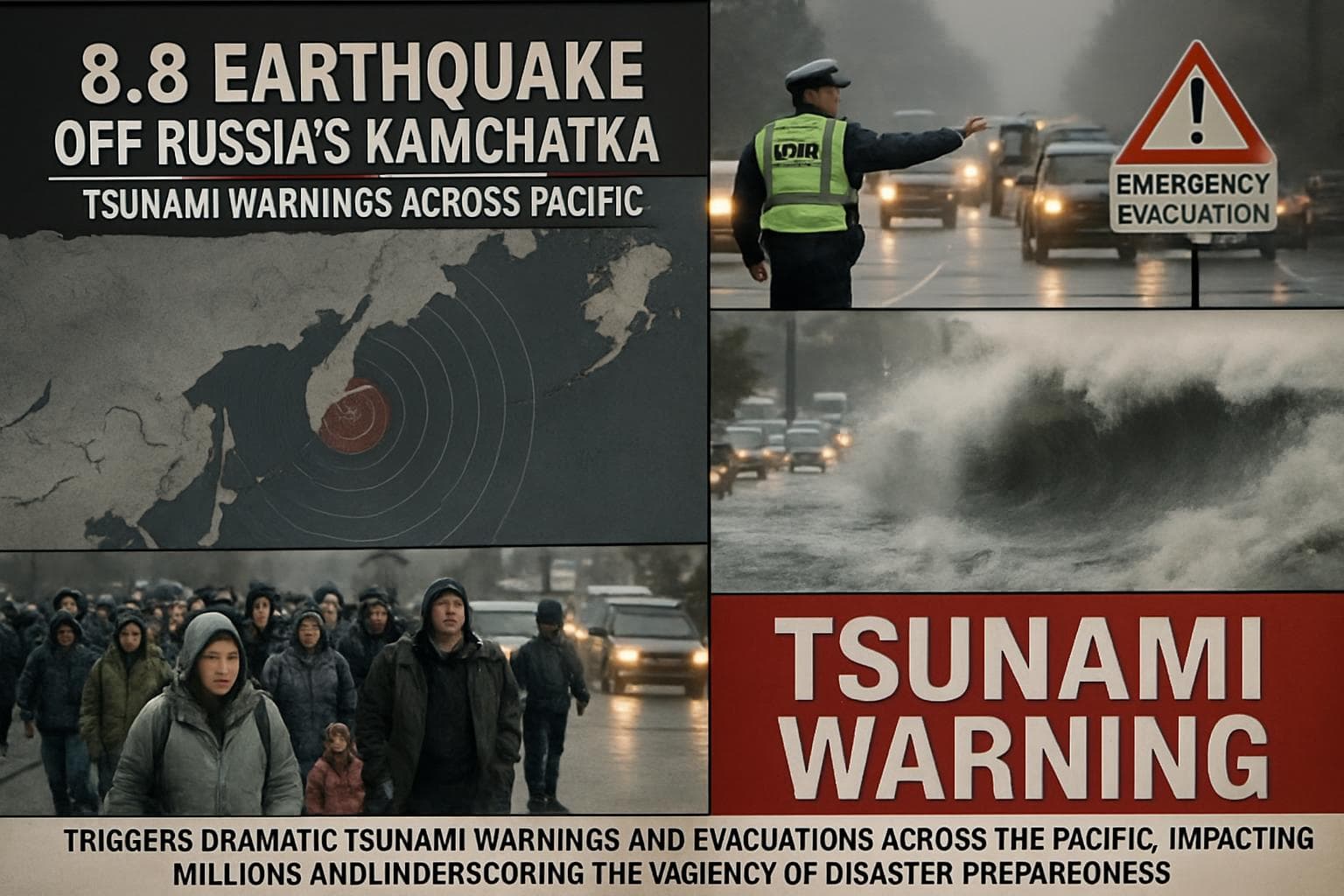
- A magnitude 8.8 earthquake struck near Russia's Kamchatka Peninsula, triggering widespread tsunami warnings across the Pacific.
- Japan and the US issued evacuation orders for coastal areas, with Hawaii and parts of the US west coast on high alert.
- Tsunami waves of up to 4 meters were reported in Russia, with potential waves of 1-3 meters expected in Hawaii and other Pacific regions.
- Japan's eastern seaboard, including areas affected by the 2011 disaster, was under evacuation orders, impacting over 900,000 residents.
- Emergency measures were activated in Russia's Kuril Islands, with reports of flooding and building damage, but all residents were safely evacuated.
A powerful 8.8-magnitude earthquake struck off Russia's Kamchatka Peninsula on Wednesday, prompting tsunami warnings and evacuation orders across the Pacific region. The seismic event, one of the strongest recorded in recent history, has led to alerts from Japan to the US west coast, affecting millions of residents.
Tsunami Alerts and Evacuations
Following the earthquake, Japan and the United States swiftly issued tsunami warnings. Japan's government ordered evacuations along its Pacific coast, affecting over 900,000 residents in 133 municipalities. Prime Minister Shigeru Ishiba emphasized the importance of prioritizing human lives, urging people to move to higher ground immediately. In Hawaii, Governor Josh Green warned of potentially destructive waves, with sirens blaring across Honolulu as residents scrambled to safety.
Impact on Russia and the Pacific
In Russia, the quake generated tsunami waves up to 4 meters high, causing significant flooding and damage in the Kuril Islands. Regional authorities declared a state of emergency, but all residents were evacuated safely. Sergei Lebedev, the regional minister for emergency situations, confirmed injuries but reported no fatalities. Meanwhile, the US Pacific Tsunami Warning Center issued advisories for Hawaii, Alaska, and the west coast, with waves expected to reach up to 3 meters.
Global Response and Preparedness
The earthquake's impact extended beyond the immediate region, with tsunami watches issued for Guam, Micronesia, and parts of Central and South America. In Japan, memories of the devastating 2011 tsunami prompted swift action, with workers evacuated from the Fukushima nuclear plant as a precaution. The US National Weather Service advised residents along the west coast to stay away from beaches and await further instructions.
Human Stories and Reactions
Across the Pacific, communities braced for impact. In Honolulu, traffic jams and long lines at gas stations reflected the urgency of the situation. "This is a very serious event," Governor Green stated, urging residents to avoid coastal areas. In Russia, local officials reported that despite the damage, the timely evacuation ensured the safety of all residents.
WHAT THIS MIGHT MEAN
As the situation unfolds, authorities across the Pacific are closely monitoring the tsunami's progression. The immediate focus remains on ensuring public safety and minimizing damage. In the coming days, assessments will determine the full extent of the earthquake's impact, particularly in remote regions like Russia's Kamchatka Peninsula.
Experts warn that the event underscores the need for robust disaster preparedness and international cooperation in response to natural disasters. The earthquake's magnitude and the subsequent tsunami alerts serve as a stark reminder of the vulnerabilities faced by coastal communities worldwide. As recovery efforts begin, the emphasis will likely shift towards enhancing early warning systems and strengthening infrastructure to withstand future events.
Related Articles
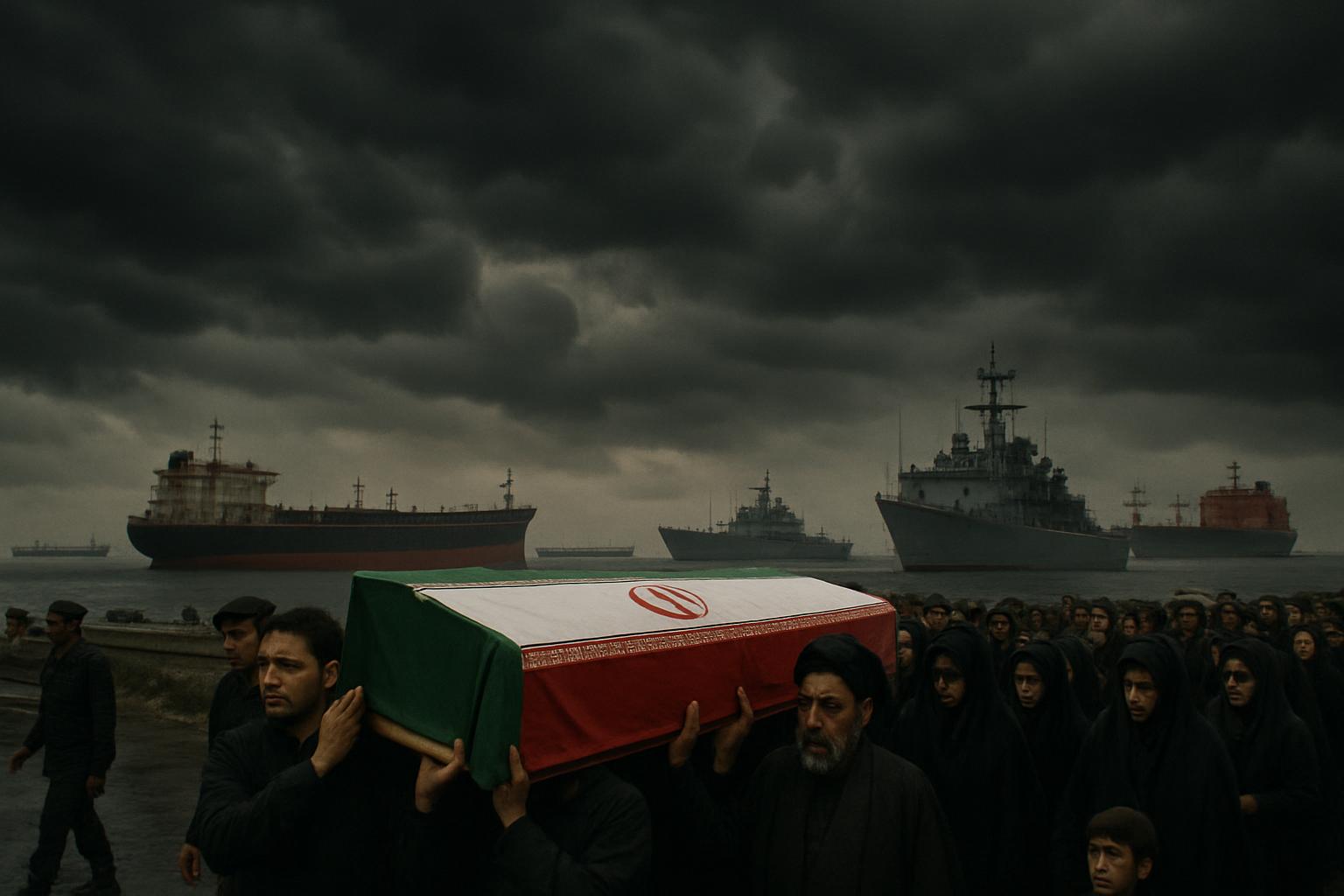
Iran Postpones Khamenei Funeral Amid Escalating US-Israeli Strikes

US-Iran Tensions Escalate Amid Renewed Nuclear Talks and Protests
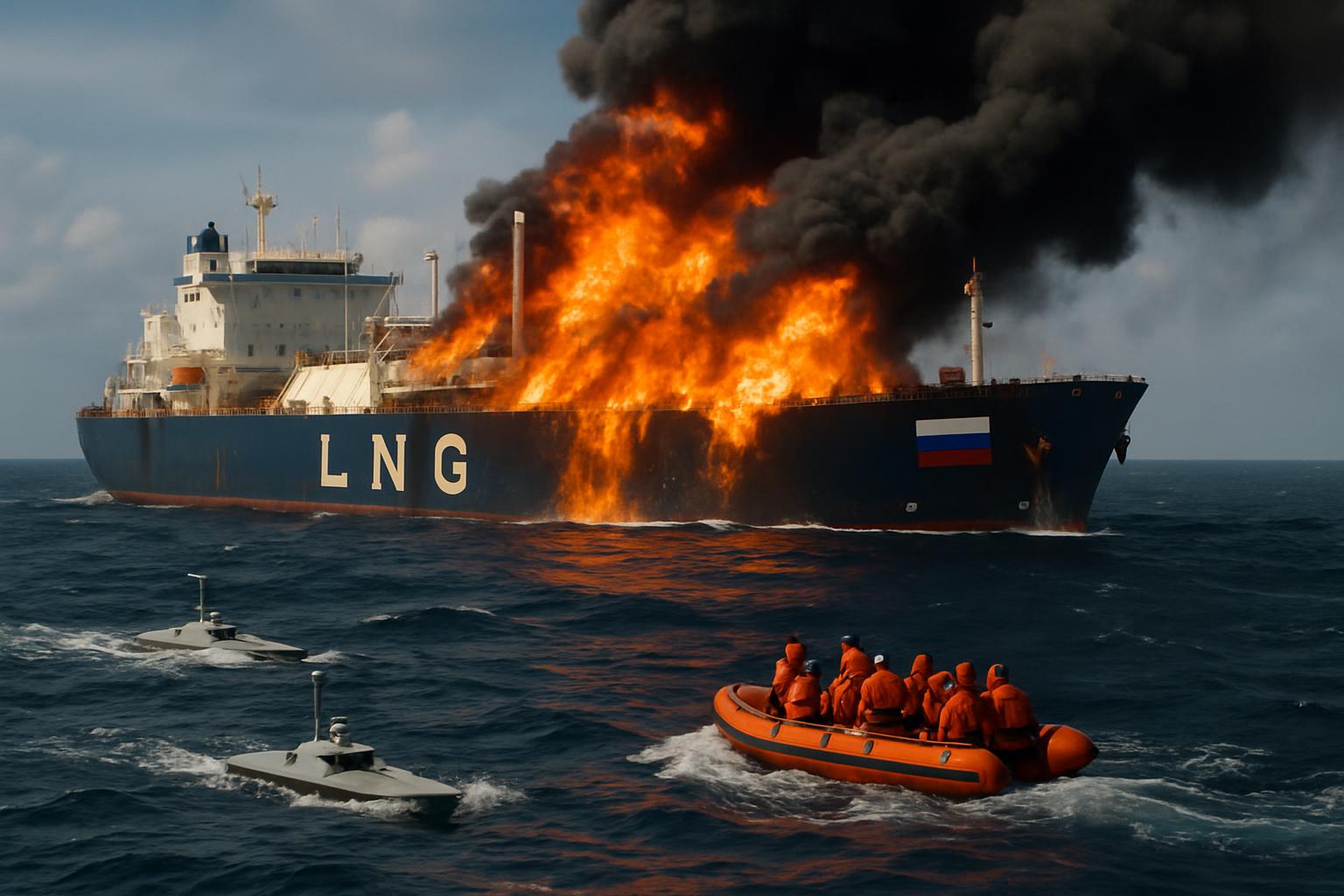
Russian LNG Tanker Sinks in Mediterranean Amid Accusations of Ukrainian Drone Attack
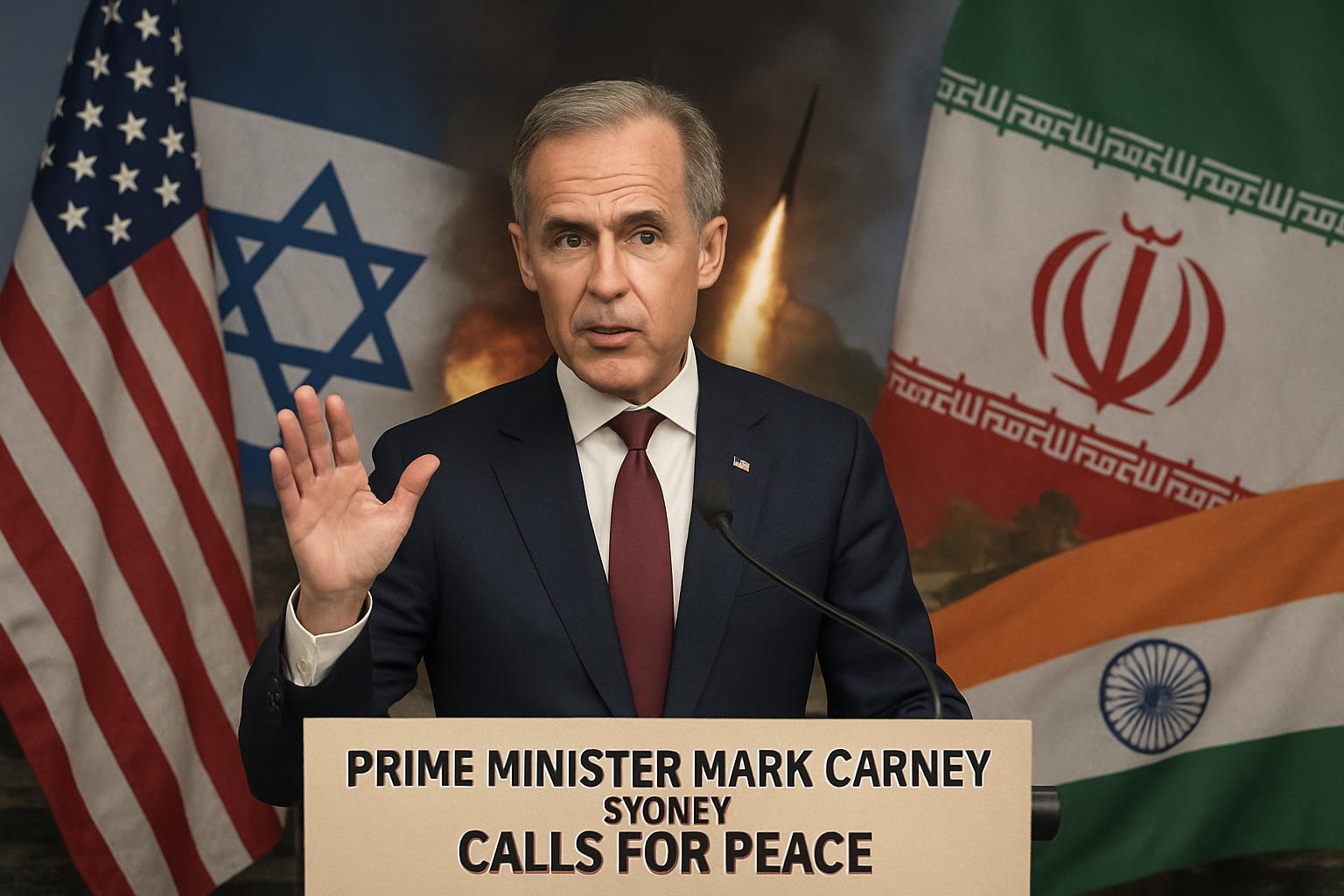
Canada Calls for De-escalation Amid US-Israel Strikes on Iran
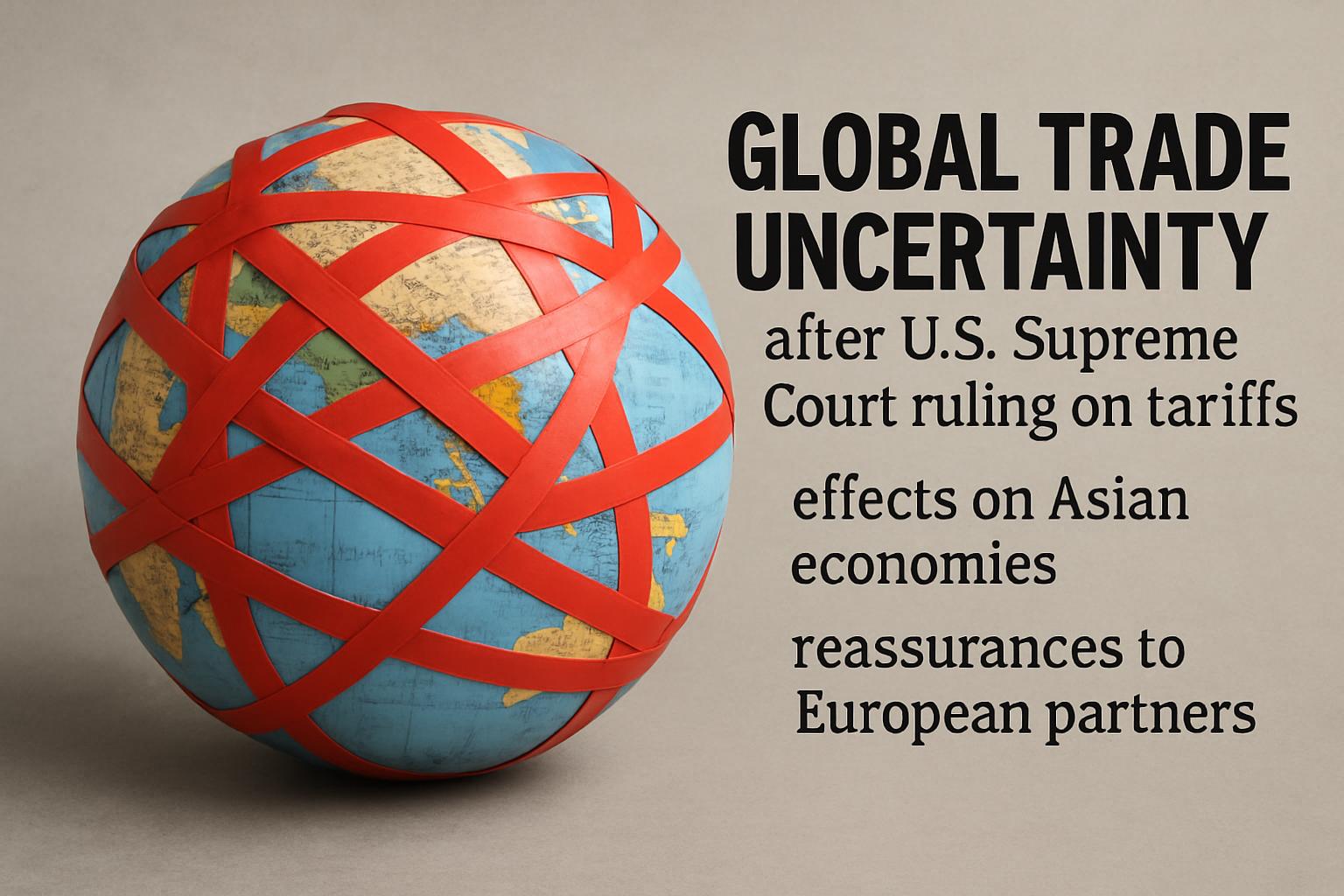
US Supreme Court Ruling Sparks Trade Uncertainty in Asia and Beyond

Trump's New Tariff Strategy Sparks Global Trade Uncertainty
Massive Earthquake Off Russia Sparks Tsunami Warnings Across Pacific
In This Article
 Ethan Brooks| Published
 HIGHLIGHTS
- A magnitude 8.8 earthquake struck near Russia's Kamchatka Peninsula, triggering widespread tsunami warnings across the Pacific.
- Japan and the US issued evacuation orders for coastal areas, with Hawaii and parts of the US west coast on high alert.
- Tsunami waves of up to 4 meters were reported in Russia, with potential waves of 1-3 meters expected in Hawaii and other Pacific regions.
- Japan's eastern seaboard, including areas affected by the 2011 disaster, was under evacuation orders, impacting over 900,000 residents.
- Emergency measures were activated in Russia's Kuril Islands, with reports of flooding and building damage, but all residents were safely evacuated.
A powerful 8.8-magnitude earthquake struck off Russia's Kamchatka Peninsula on Wednesday, prompting tsunami warnings and evacuation orders across the Pacific region. The seismic event, one of the strongest recorded in recent history, has led to alerts from Japan to the US west coast, affecting millions of residents.
Tsunami Alerts and Evacuations
Following the earthquake, Japan and the United States swiftly issued tsunami warnings. Japan's government ordered evacuations along its Pacific coast, affecting over 900,000 residents in 133 municipalities. Prime Minister Shigeru Ishiba emphasized the importance of prioritizing human lives, urging people to move to higher ground immediately. In Hawaii, Governor Josh Green warned of potentially destructive waves, with sirens blaring across Honolulu as residents scrambled to safety.
Impact on Russia and the Pacific
In Russia, the quake generated tsunami waves up to 4 meters high, causing significant flooding and damage in the Kuril Islands. Regional authorities declared a state of emergency, but all residents were evacuated safely. Sergei Lebedev, the regional minister for emergency situations, confirmed injuries but reported no fatalities. Meanwhile, the US Pacific Tsunami Warning Center issued advisories for Hawaii, Alaska, and the west coast, with waves expected to reach up to 3 meters.
Global Response and Preparedness
The earthquake's impact extended beyond the immediate region, with tsunami watches issued for Guam, Micronesia, and parts of Central and South America. In Japan, memories of the devastating 2011 tsunami prompted swift action, with workers evacuated from the Fukushima nuclear plant as a precaution. The US National Weather Service advised residents along the west coast to stay away from beaches and await further instructions.
Human Stories and Reactions
Across the Pacific, communities braced for impact. In Honolulu, traffic jams and long lines at gas stations reflected the urgency of the situation. "This is a very serious event," Governor Green stated, urging residents to avoid coastal areas. In Russia, local officials reported that despite the damage, the timely evacuation ensured the safety of all residents.
WHAT THIS MIGHT MEAN
As the situation unfolds, authorities across the Pacific are closely monitoring the tsunami's progression. The immediate focus remains on ensuring public safety and minimizing damage. In the coming days, assessments will determine the full extent of the earthquake's impact, particularly in remote regions like Russia's Kamchatka Peninsula.
Experts warn that the event underscores the need for robust disaster preparedness and international cooperation in response to natural disasters. The earthquake's magnitude and the subsequent tsunami alerts serve as a stark reminder of the vulnerabilities faced by coastal communities worldwide. As recovery efforts begin, the emphasis will likely shift towards enhancing early warning systems and strengthening infrastructure to withstand future events.
Related Articles
Iran Postpones Khamenei Funeral Amid Escalating US-Israeli Strikes
US-Iran Tensions Escalate Amid Renewed Nuclear Talks and Protests
Russian LNG Tanker Sinks in Mediterranean Amid Accusations of Ukrainian Drone Attack
Canada Calls for De-escalation Amid US-Israel Strikes on Iran
US Supreme Court Ruling Sparks Trade Uncertainty in Asia and Beyond
Trump's New Tariff Strategy Sparks Global Trade Uncertainty