
Middle East Tensions Cause Global Flight Disruptions Amid Airspace Closures
In This Article
HIGHLIGHTS
- Airlines are rerouting and cancelling flights due to escalating tensions between Israel and Iran, affecting major hubs like Qatar and Dubai.
- Qatar temporarily closed its airspace following Iran's missile strike on a US base, leading to widespread flight disruptions.
- The US announced a ceasefire between Israel and Iran, but tensions remain high with accusations of ceasefire violations.
- Australian airlines, including Qantas and Virgin Australia, have rerouted flights to avoid Middle Eastern airspace, impacting global travel.
- Aviation experts warn of significant disruptions and increased costs due to longer flight routes and safety concerns.
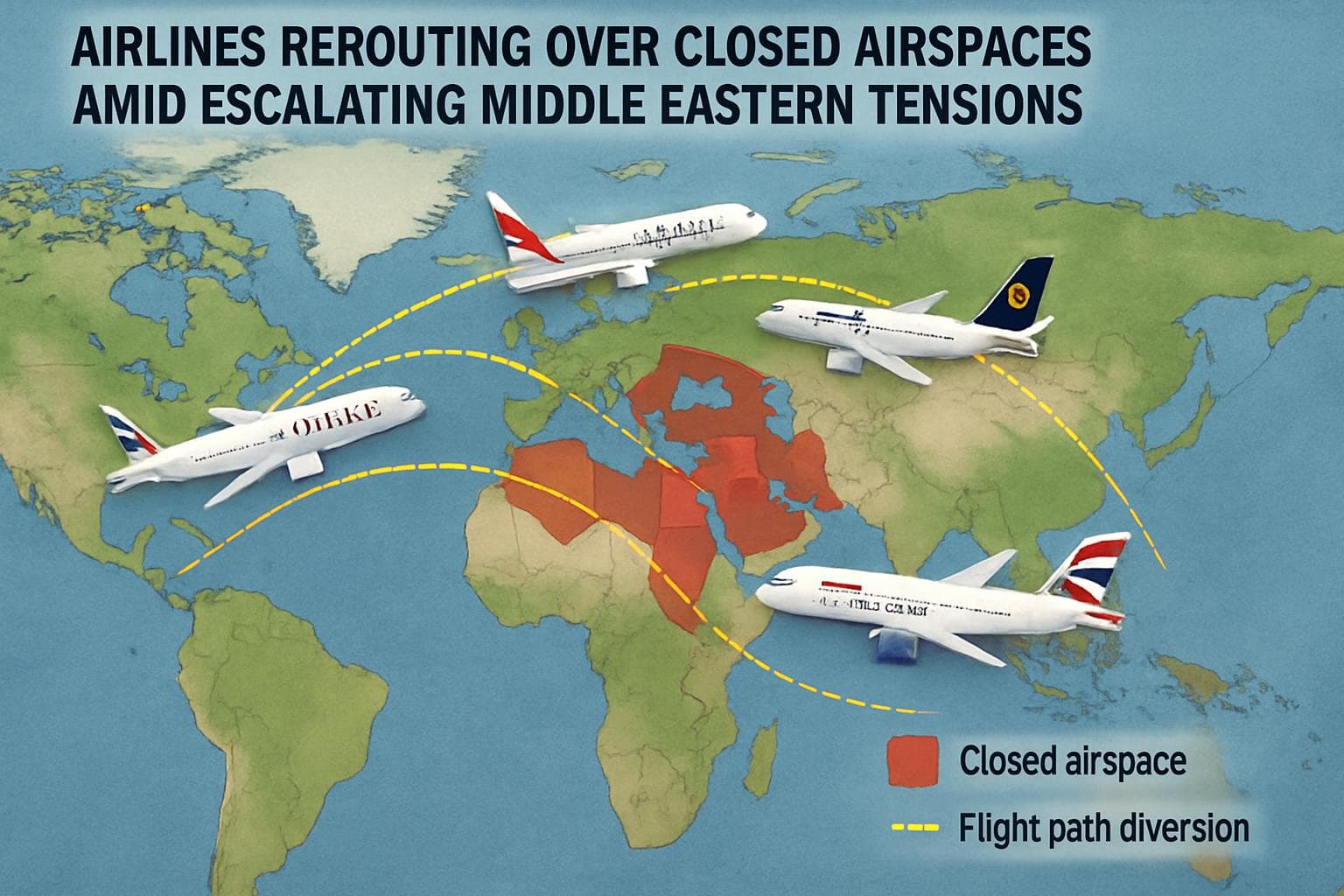
Airlines worldwide are grappling with significant disruptions as escalating tensions between Israel and Iran lead to airspace closures and rerouted flights across the Middle East. The conflict has particularly impacted major transit hubs like Qatar and Dubai, causing a ripple effect on global travel.
Airspace Closures and Flight Cancellations
The situation intensified when Qatar temporarily closed its airspace after Iran launched missiles at a US military base in the country. This move, a response to American strikes on Iranian nuclear sites, prompted airlines to cancel or reroute flights. Qatar's Hamad International Airport, a critical hub, briefly halted operations, while Dubai's airport also experienced delays and cancellations. More than a dozen airlines, including Air India and Japan Airlines, have suspended operations to the region, affecting flights to North America and Europe.
Impact on Global Travel
The Gulf region, known for its bustling air traffic, sees nearly 400,000 travelers pass through Dubai and Doha daily. The disruptions have forced airlines like Qantas and Virgin Australia to reroute flights, with Qantas diverting its Perth-London flight to Singapore and returning its Perth-Paris flight. Virgin Australia also rerouted flights operated by Qatar Airways. Singapore Airlines has cancelled some flights and warned of potential further disruptions.
Ceasefire and Continued Tensions
Hopes for stability rose when US President Donald Trump announced a "complete and total" ceasefire between Israel and Iran. However, tensions remain high as Israel accused Iran of violating the ceasefire, prompting Israeli Defense Minister Israel Katz to order strikes on Tehran. Iran denied these accusations, vowing to respond to any further aggression.
Expert Insights and Passenger Experiences
Aviation experts like Tim Atkinson and John Strickland highlight the interconnected nature of global air travel, warning that disruptions can spread rapidly, increasing costs and complicating airline operations. Passengers, including those stranded in Doha, have faced uncertainty and delays, with some opting to disembark rather than continue their journeys.
WHAT THIS MIGHT MEAN
The ongoing tensions between Israel and Iran could lead to prolonged airspace closures, further complicating global travel and increasing operational costs for airlines. If the ceasefire holds, there may be a gradual return to normalcy, but the situation remains fluid. Experts suggest that airlines and travelers should prepare for potential day-to-day changes in flight schedules. The geopolitical landscape in the Middle East will likely continue to influence aviation safety and travel advisories, impacting passenger confidence and travel plans.
Related Articles
Middle East Conflict Drives UK Energy Prices to New Highs

UK Faces Dilemmas Amid Iran Conflict and China Spying Allegations
US and Israel Intensify Military Campaign as Iran's Capabilities Dwindle

Intensified US-Israel Strikes on Iran Spark Global Outcry
Senate Blocks Resolution to Limit Trump's Military Actions in Iran
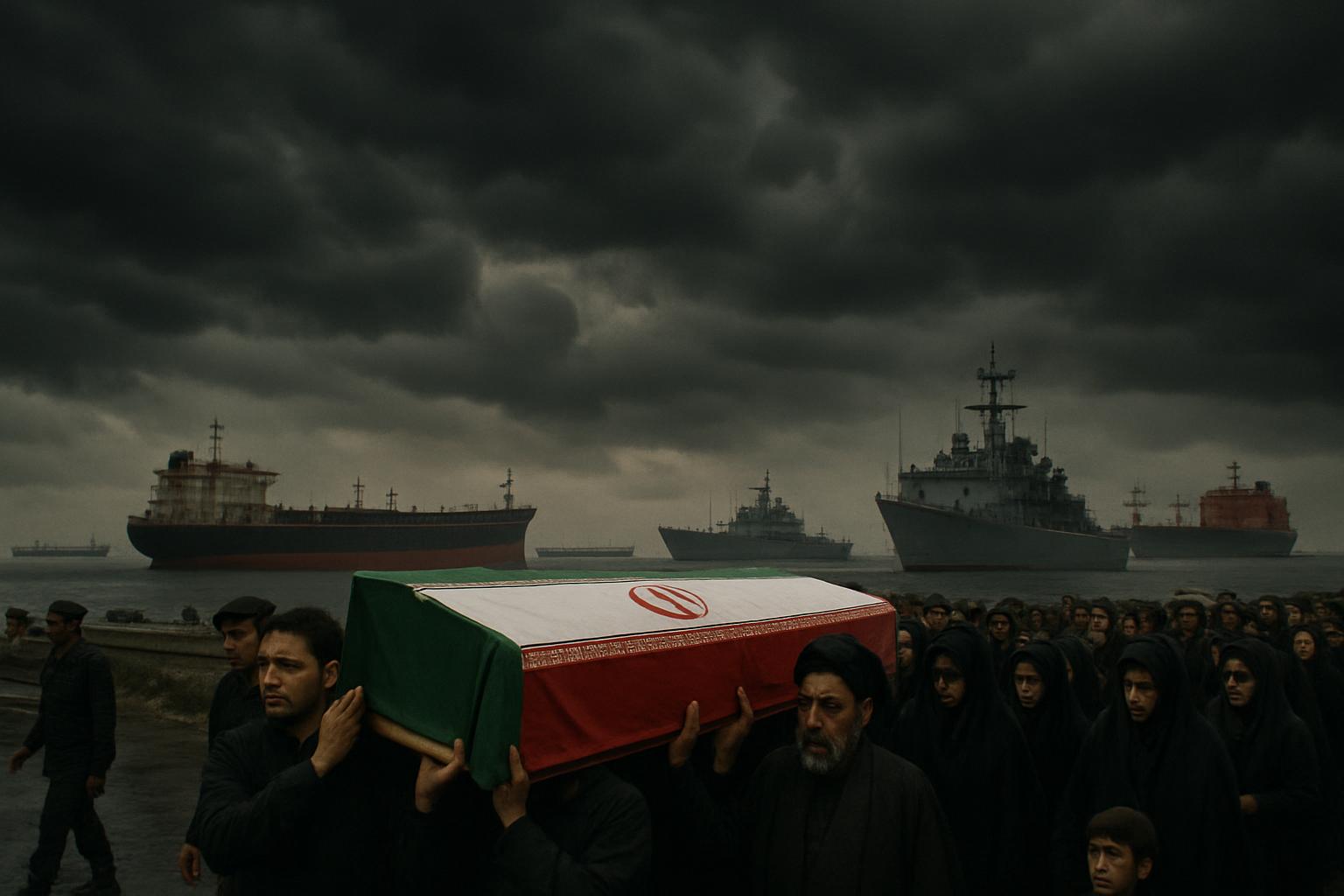
Iran Postpones Khamenei Funeral Amid Escalating US-Israeli Strikes
Middle East Tensions Cause Global Flight Disruptions Amid Airspace Closures
In This Article
 James Okoro| Published
 HIGHLIGHTS
- Airlines are rerouting and cancelling flights due to escalating tensions between Israel and Iran, affecting major hubs like Qatar and Dubai.
- Qatar temporarily closed its airspace following Iran's missile strike on a US base, leading to widespread flight disruptions.
- The US announced a ceasefire between Israel and Iran, but tensions remain high with accusations of ceasefire violations.
- Australian airlines, including Qantas and Virgin Australia, have rerouted flights to avoid Middle Eastern airspace, impacting global travel.
- Aviation experts warn of significant disruptions and increased costs due to longer flight routes and safety concerns.
Airlines worldwide are grappling with significant disruptions as escalating tensions between Israel and Iran lead to airspace closures and rerouted flights across the Middle East. The conflict has particularly impacted major transit hubs like Qatar and Dubai, causing a ripple effect on global travel.
Airspace Closures and Flight Cancellations
The situation intensified when Qatar temporarily closed its airspace after Iran launched missiles at a US military base in the country. This move, a response to American strikes on Iranian nuclear sites, prompted airlines to cancel or reroute flights. Qatar's Hamad International Airport, a critical hub, briefly halted operations, while Dubai's airport also experienced delays and cancellations. More than a dozen airlines, including Air India and Japan Airlines, have suspended operations to the region, affecting flights to North America and Europe.
Impact on Global Travel
The Gulf region, known for its bustling air traffic, sees nearly 400,000 travelers pass through Dubai and Doha daily. The disruptions have forced airlines like Qantas and Virgin Australia to reroute flights, with Qantas diverting its Perth-London flight to Singapore and returning its Perth-Paris flight. Virgin Australia also rerouted flights operated by Qatar Airways. Singapore Airlines has cancelled some flights and warned of potential further disruptions.
Ceasefire and Continued Tensions
Hopes for stability rose when US President Donald Trump announced a "complete and total" ceasefire between Israel and Iran. However, tensions remain high as Israel accused Iran of violating the ceasefire, prompting Israeli Defense Minister Israel Katz to order strikes on Tehran. Iran denied these accusations, vowing to respond to any further aggression.
Expert Insights and Passenger Experiences
Aviation experts like Tim Atkinson and John Strickland highlight the interconnected nature of global air travel, warning that disruptions can spread rapidly, increasing costs and complicating airline operations. Passengers, including those stranded in Doha, have faced uncertainty and delays, with some opting to disembark rather than continue their journeys.
WHAT THIS MIGHT MEAN
The ongoing tensions between Israel and Iran could lead to prolonged airspace closures, further complicating global travel and increasing operational costs for airlines. If the ceasefire holds, there may be a gradual return to normalcy, but the situation remains fluid. Experts suggest that airlines and travelers should prepare for potential day-to-day changes in flight schedules. The geopolitical landscape in the Middle East will likely continue to influence aviation safety and travel advisories, impacting passenger confidence and travel plans.
Related Articles
Middle East Conflict Drives UK Energy Prices to New Highs
UK Faces Dilemmas Amid Iran Conflict and China Spying Allegations
US and Israel Intensify Military Campaign as Iran's Capabilities Dwindle
Intensified US-Israel Strikes on Iran Spark Global Outcry
Senate Blocks Resolution to Limit Trump's Military Actions in Iran
Iran Postpones Khamenei Funeral Amid Escalating US-Israeli Strikes