
Minnesota Leaders Face Federal Investigation Amid ICE Controversy

In This Article
HIGHLIGHTS
- The US Justice Department is investigating Minnesota Governor Tim Walz and Minneapolis Mayor Jacob Frey for allegedly obstructing federal immigration operations.
- The probe follows the fatal shooting of Renee Good by an ICE agent, which has sparked widespread protests and legal scrutiny.
- A federal judge has issued an injunction limiting ICE's use of force against protesters in Minneapolis, citing First Amendment rights.
- Governor Walz and Mayor Frey have condemned the investigation as a political tactic by the Trump administration.
- Calls to "abolish ICE" have gained momentum nationwide, with new legislation proposed to dismantle the agency.
The US Justice Department has launched an investigation into Minnesota Governor Tim Walz and Minneapolis Mayor Jacob Frey over allegations of obstructing federal immigration enforcement. This development comes amid heightened tensions following the fatal shooting of Renee Good, a Minneapolis resident, by an Immigration and Customs Enforcement (ICE) agent.
Federal Inquiry and Political Backlash
The investigation, first reported by CBS News, focuses on whether Walz and Frey conspired to impede ICE operations, a potential violation of federal law. Both leaders have been vocal critics of the Trump administration's immigration policies, which have seen a significant increase in ICE activity in Minnesota. Governor Walz, who recently ran as the Democratic vice-presidential nominee, criticized the probe as an "authoritarian tactic" on social media, while Mayor Frey vowed not to be intimidated, emphasizing his commitment to the safety of Minneapolis residents.
Protests and Legal Actions
The shooting of Renee Good has ignited protests across Minneapolis, with demonstrators demanding accountability for ICE's actions. A federal judge, Katherine Menendez, has issued an injunction restricting ICE's use of force against peaceful protesters, citing concerns over First Amendment rights. The court order prohibits the use of pepper spray and other non-lethal munitions, as well as unwarranted arrests of demonstrators.
Growing Calls to Abolish ICE
The incident has also fueled the "abolish ICE" movement, with activists and lawmakers calling for the dismantling of the agency. Representative Shri Thanedar has introduced the "Abolish ICE Act," reflecting a growing sentiment among Americans dissatisfied with the agency's practices. A recent poll indicates that more US adults now support eliminating ICE than those who oppose it.
Local and National Implications
The investigation into Minnesota's leaders is part of a broader pattern of federal scrutiny under the Trump administration, which has targeted several Democratic figures. The situation in Minneapolis has become a flashpoint in the national debate over immigration enforcement and civil rights, with implications for both local governance and federal policy.
WHAT THIS MIGHT MEAN
The investigation into Governor Walz and Mayor Frey could have significant political ramifications, potentially influencing public opinion and electoral outcomes in Minnesota. If the Justice Department pursues charges, it may set a precedent for how federal and state authorities interact over immigration enforcement. Legal experts suggest that the case could test the limits of federal power and state resistance, especially if the courts are involved in adjudicating the legality of the alleged obstruction.
The ongoing protests and calls to abolish ICE may lead to legislative changes, particularly if public support continues to grow. The proposed "Abolish ICE Act" could gain traction in Congress, potentially reshaping the future of US immigration policy. As the situation unfolds, the balance between national security and civil liberties will remain a contentious issue, with both local and national leaders navigating the complex landscape of immigration enforcement.
Related Articles
DHS Spokesperson Tricia McLaughlin to Depart Amidst Immigration Policy Controversy
US Military Strikes on Alleged Drug Boats Raise Legal Concerns

Geneva Peace Talks: Russia and Ukraine Seek Resolution Amid Ongoing Conflict
Clintons to Testify as Epstein Files Spark Allegations of Cover-Up
US Supreme Court Ruling on Trump's Tariffs Sparks Trade Policy Uncertainty
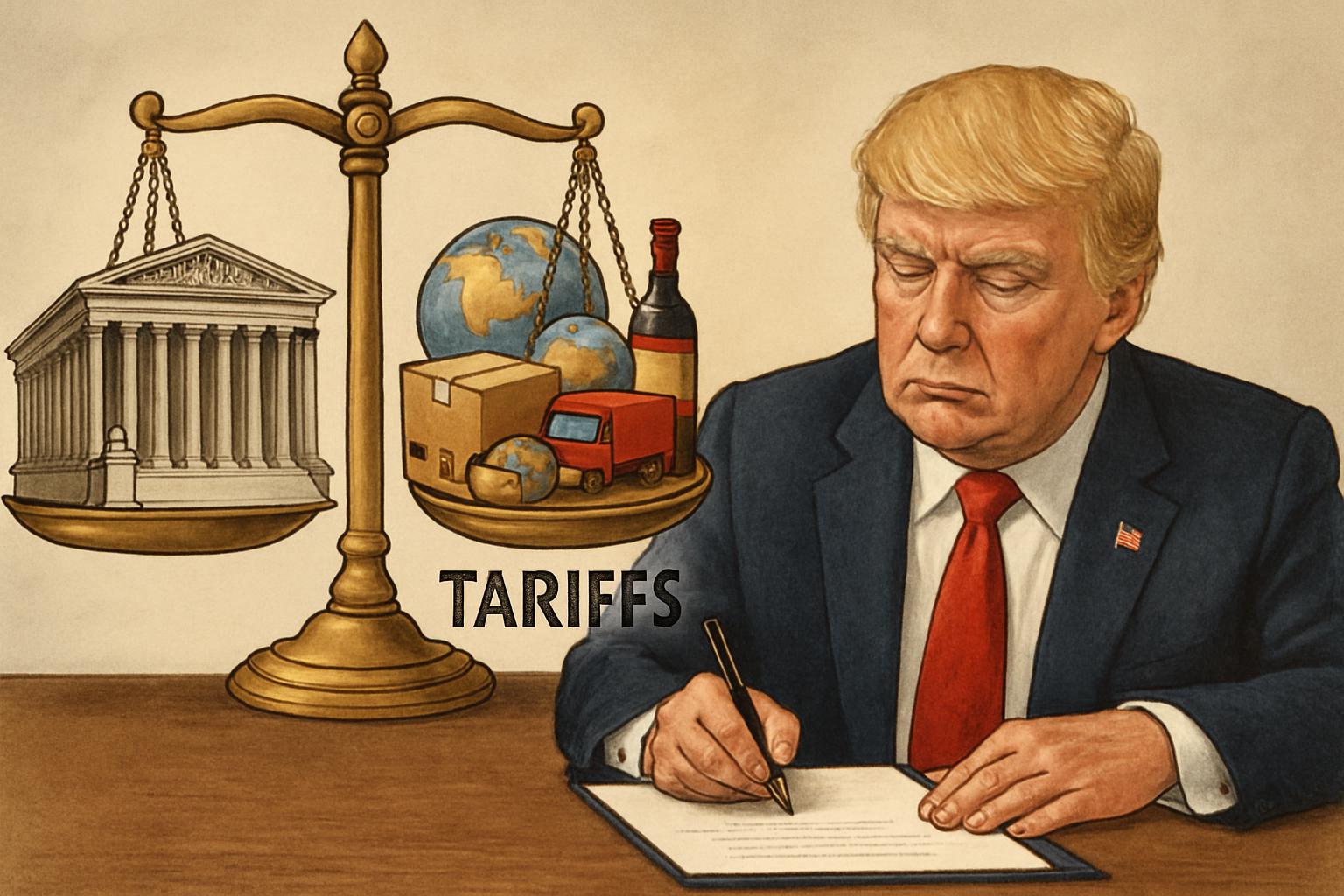
Trump's Tariff Strategy Faces Supreme Court Setback, New Measures Announced
Minnesota Leaders Face Federal Investigation Amid ICE Controversy
In This Article
 Ethan Brooks| Published
 HIGHLIGHTS
- The US Justice Department is investigating Minnesota Governor Tim Walz and Minneapolis Mayor Jacob Frey for allegedly obstructing federal immigration operations.
- The probe follows the fatal shooting of Renee Good by an ICE agent, which has sparked widespread protests and legal scrutiny.
- A federal judge has issued an injunction limiting ICE's use of force against protesters in Minneapolis, citing First Amendment rights.
- Governor Walz and Mayor Frey have condemned the investigation as a political tactic by the Trump administration.
- Calls to "abolish ICE" have gained momentum nationwide, with new legislation proposed to dismantle the agency.
The US Justice Department has launched an investigation into Minnesota Governor Tim Walz and Minneapolis Mayor Jacob Frey over allegations of obstructing federal immigration enforcement. This development comes amid heightened tensions following the fatal shooting of Renee Good, a Minneapolis resident, by an Immigration and Customs Enforcement (ICE) agent.
Federal Inquiry and Political Backlash
The investigation, first reported by CBS News, focuses on whether Walz and Frey conspired to impede ICE operations, a potential violation of federal law. Both leaders have been vocal critics of the Trump administration's immigration policies, which have seen a significant increase in ICE activity in Minnesota. Governor Walz, who recently ran as the Democratic vice-presidential nominee, criticized the probe as an "authoritarian tactic" on social media, while Mayor Frey vowed not to be intimidated, emphasizing his commitment to the safety of Minneapolis residents.
Protests and Legal Actions
The shooting of Renee Good has ignited protests across Minneapolis, with demonstrators demanding accountability for ICE's actions. A federal judge, Katherine Menendez, has issued an injunction restricting ICE's use of force against peaceful protesters, citing concerns over First Amendment rights. The court order prohibits the use of pepper spray and other non-lethal munitions, as well as unwarranted arrests of demonstrators.
Growing Calls to Abolish ICE
The incident has also fueled the "abolish ICE" movement, with activists and lawmakers calling for the dismantling of the agency. Representative Shri Thanedar has introduced the "Abolish ICE Act," reflecting a growing sentiment among Americans dissatisfied with the agency's practices. A recent poll indicates that more US adults now support eliminating ICE than those who oppose it.
Local and National Implications
The investigation into Minnesota's leaders is part of a broader pattern of federal scrutiny under the Trump administration, which has targeted several Democratic figures. The situation in Minneapolis has become a flashpoint in the national debate over immigration enforcement and civil rights, with implications for both local governance and federal policy.
WHAT THIS MIGHT MEAN
The investigation into Governor Walz and Mayor Frey could have significant political ramifications, potentially influencing public opinion and electoral outcomes in Minnesota. If the Justice Department pursues charges, it may set a precedent for how federal and state authorities interact over immigration enforcement. Legal experts suggest that the case could test the limits of federal power and state resistance, especially if the courts are involved in adjudicating the legality of the alleged obstruction.
The ongoing protests and calls to abolish ICE may lead to legislative changes, particularly if public support continues to grow. The proposed "Abolish ICE Act" could gain traction in Congress, potentially reshaping the future of US immigration policy. As the situation unfolds, the balance between national security and civil liberties will remain a contentious issue, with both local and national leaders navigating the complex landscape of immigration enforcement.
Related Articles
DHS Spokesperson Tricia McLaughlin to Depart Amidst Immigration Policy Controversy
US Military Strikes on Alleged Drug Boats Raise Legal Concerns
Geneva Peace Talks: Russia and Ukraine Seek Resolution Amid Ongoing Conflict
Clintons to Testify as Epstein Files Spark Allegations of Cover-Up
US Supreme Court Ruling on Trump's Tariffs Sparks Trade Policy Uncertainty
Trump's Tariff Strategy Faces Supreme Court Setback, New Measures Announced