
Allegations of Misconduct and Violence Emerge at Gaza Aid Distribution Sites
In This Article
HIGHLIGHTS
- A former contractor alleges that guards at Gaza Humanitarian Foundation (GHF) sites fired on unarmed Palestinians, claims GHF denies.
- The UN reports 613 deaths near aid distribution points in Gaza, with 509 linked to GHF sites, figures GHF disputes as biased.
- GHF claims to have delivered over 60 million meals safely, despite accusations of violence and mismanagement.
- Israeli military issued new evacuation orders in Gaza, pushing residents into smaller areas amid ongoing military operations.
- Saudi Arabia prioritizes a permanent ceasefire in Gaza over normalizing relations with Israel.
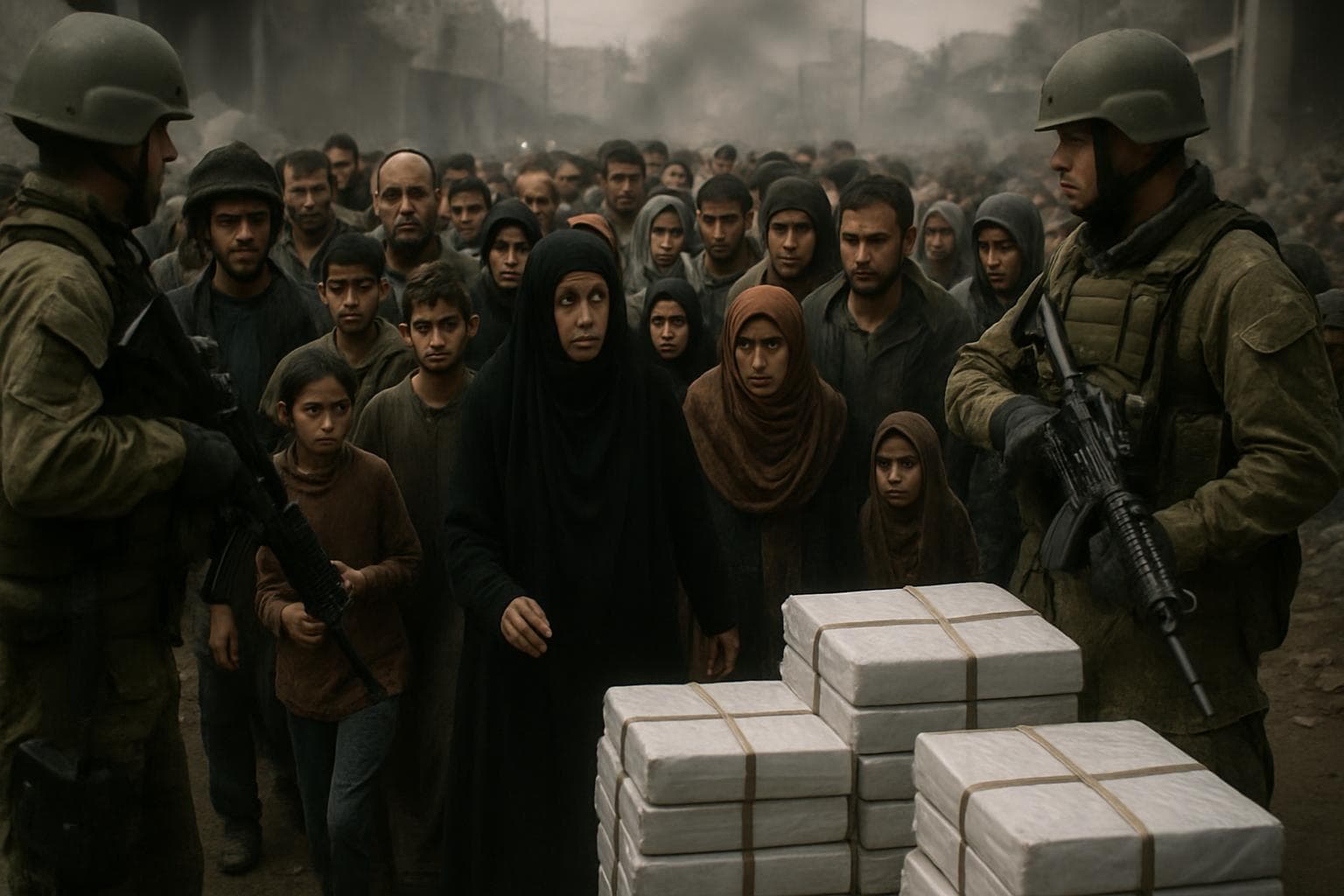
Allegations of misconduct and violence have surfaced against the Gaza Humanitarian Foundation (GHF), a US and Israeli-backed organization responsible for distributing aid in the conflict-ridden region. A former security contractor has come forward, claiming that guards at GHF sites have repeatedly fired on unarmed Palestinians, including women and children, who posed no threat. According to the contractor, who spoke anonymously, guards were instructed to "shoot to kill" if they felt threatened, a claim GHF categorically denies.
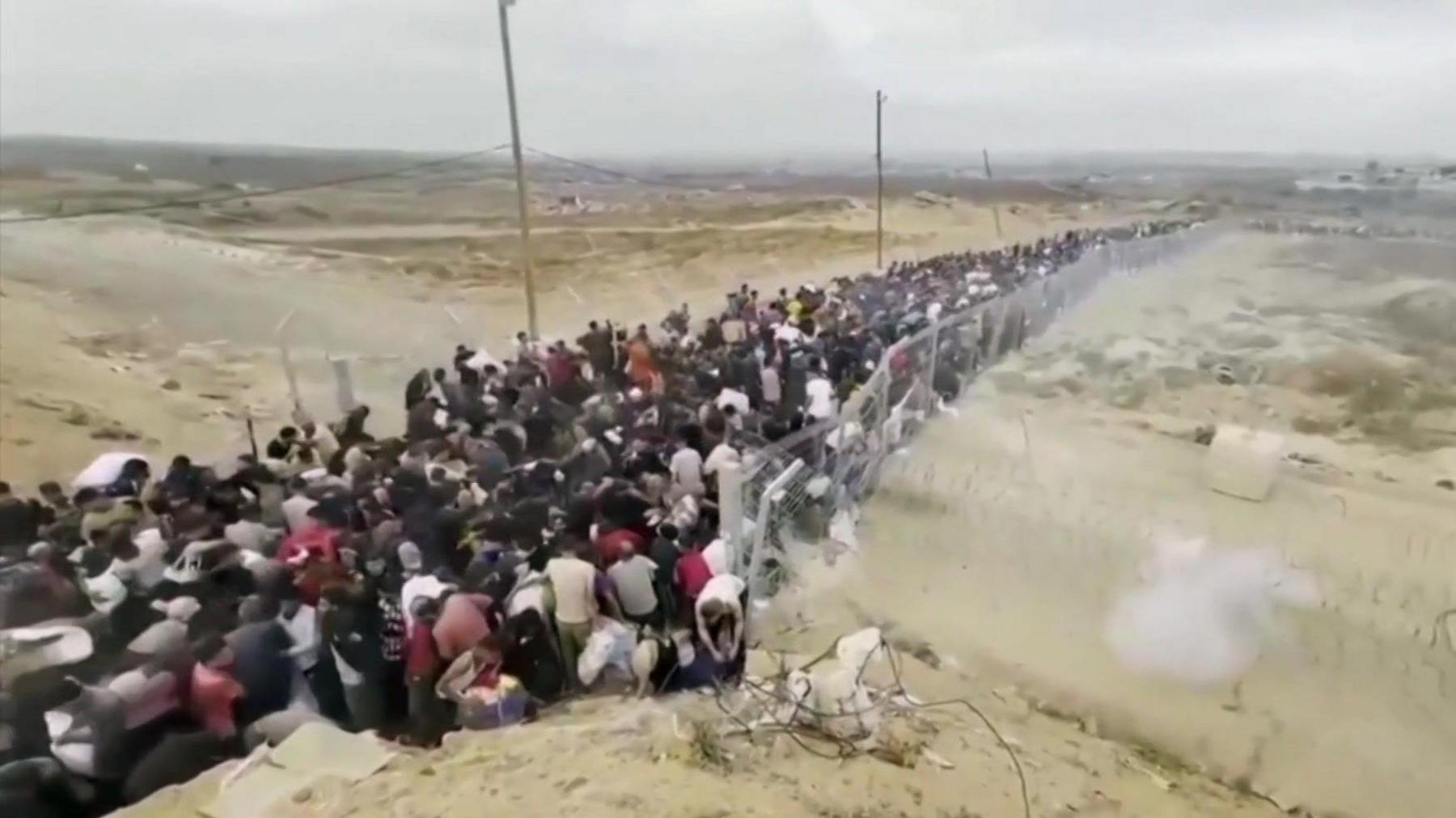
The GHF began operations in Gaza at the end of May, following an 11-week blockade by Israel that left the region in dire need of food and supplies. The organization has faced criticism for its distribution methods, which reportedly force Palestinians to traverse active combat zones to access aid. The UN human rights office has recorded 613 killings near aid distribution points, with 509 linked to GHF sites. However, GHF dismisses these figures as biased, accusing the Hamas-controlled Gaza Health Ministry of inflating numbers to tarnish its efforts.
Despite these allegations, GHF maintains that it has successfully delivered over 60 million meals without interference, contrasting its operations with other humanitarian groups whose aid has been looted. The organization has called for collaboration with the UN and other groups to ensure the secure delivery of aid into Gaza.
Meanwhile, the Israeli military has issued new evacuation orders in northeast Khan Younis, urging Palestinians to move westward as military operations against Hamas continue. This has further compressed the living space for Gaza's residents, exacerbating the humanitarian crisis.
In a related development, Saudi Arabia has emphasized its focus on achieving a permanent ceasefire in Gaza, rather than pursuing normalization of ties with Israel. This stance reflects the broader regional complexities and the urgent need for a peaceful resolution to the ongoing conflict.
WHAT THIS MIGHT MEAN
The allegations against the GHF, if substantiated, could lead to increased scrutiny and pressure on the organization to reform its practices and ensure the safety of aid recipients. International bodies may call for independent investigations to verify the claims and assess the humanitarian impact.
The ongoing military operations and evacuation orders in Gaza could further strain the already dire humanitarian situation, potentially leading to more casualties and displacement. The international community may need to intensify diplomatic efforts to broker a ceasefire and facilitate the safe delivery of aid.
Saudi Arabia's prioritization of a ceasefire over diplomatic normalization with Israel underscores the complex geopolitical dynamics at play. A successful ceasefire could pave the way for broader peace negotiations, but achieving this will require concerted efforts from all parties involved.
Images from the Web
Related Articles
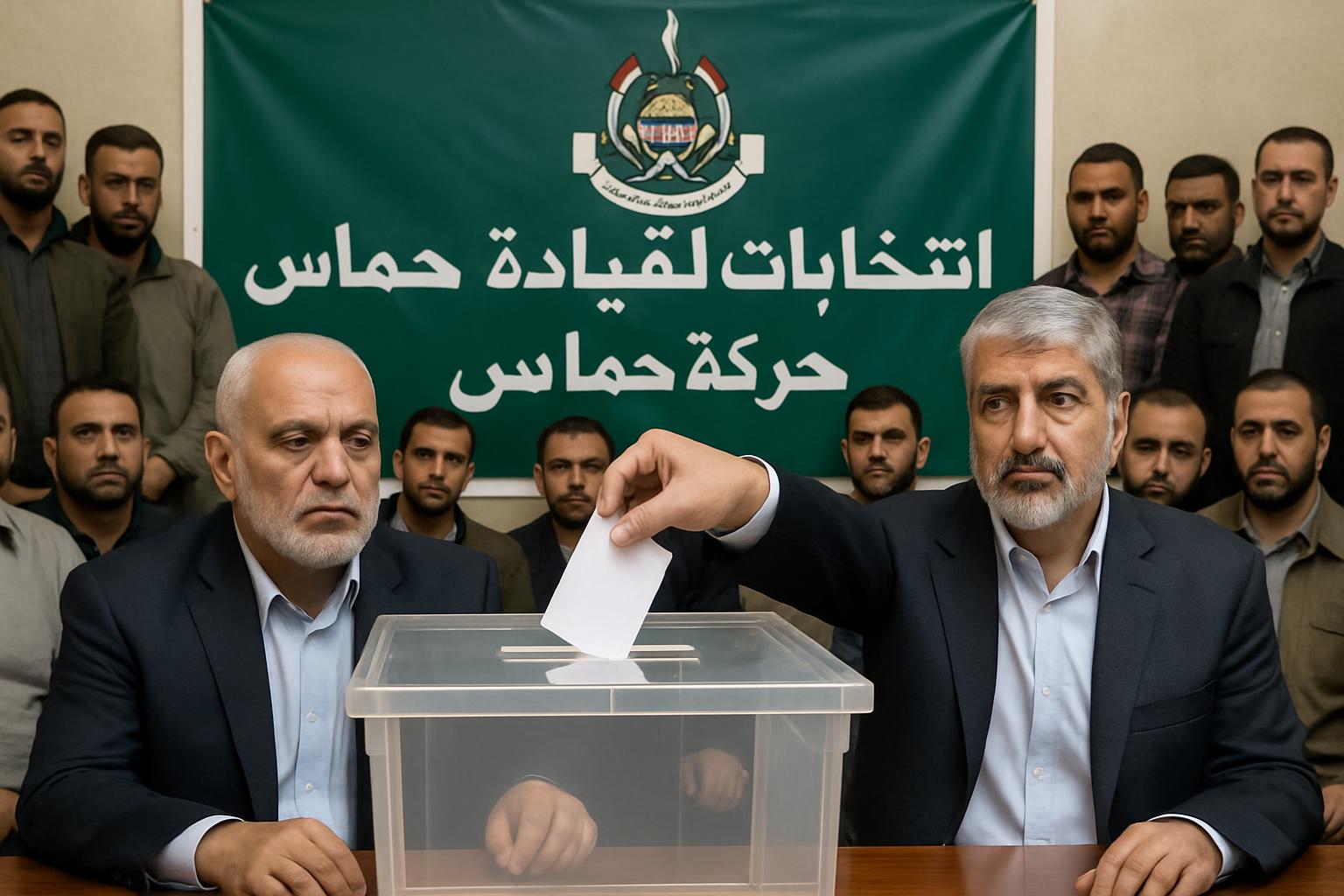
Hamas Leadership Vote Amidst Critical Crossroads for the Movement

Trump's Board of Peace Pledges $7 Billion for Gaza Amidst International Skepticism

US Ambassador's Biblical Land Remarks Spark Outcry from Arab Nations
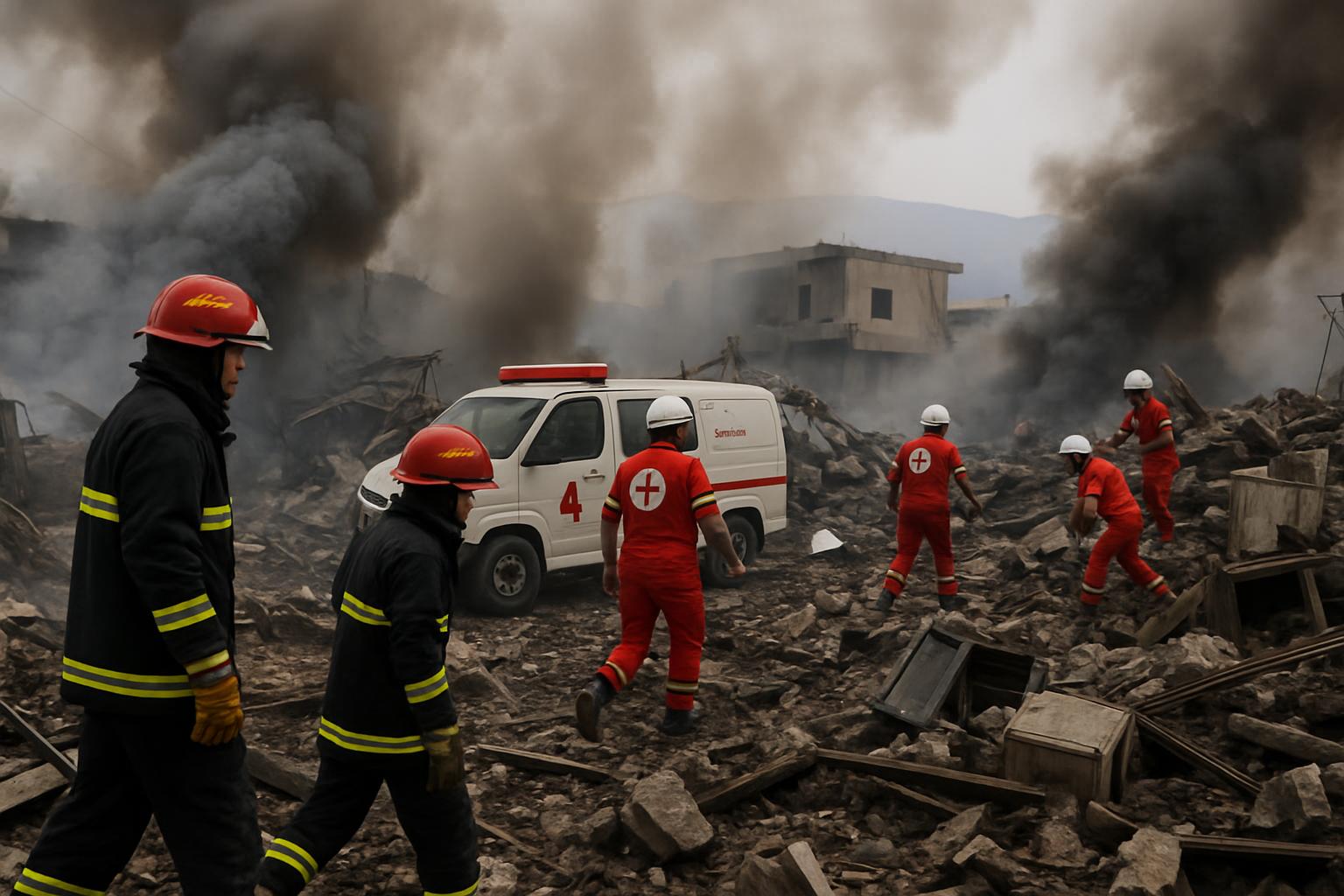
Israeli Airstrikes in Lebanon's Bekaa Valley Leave 10 Dead Amid Rising Tensions
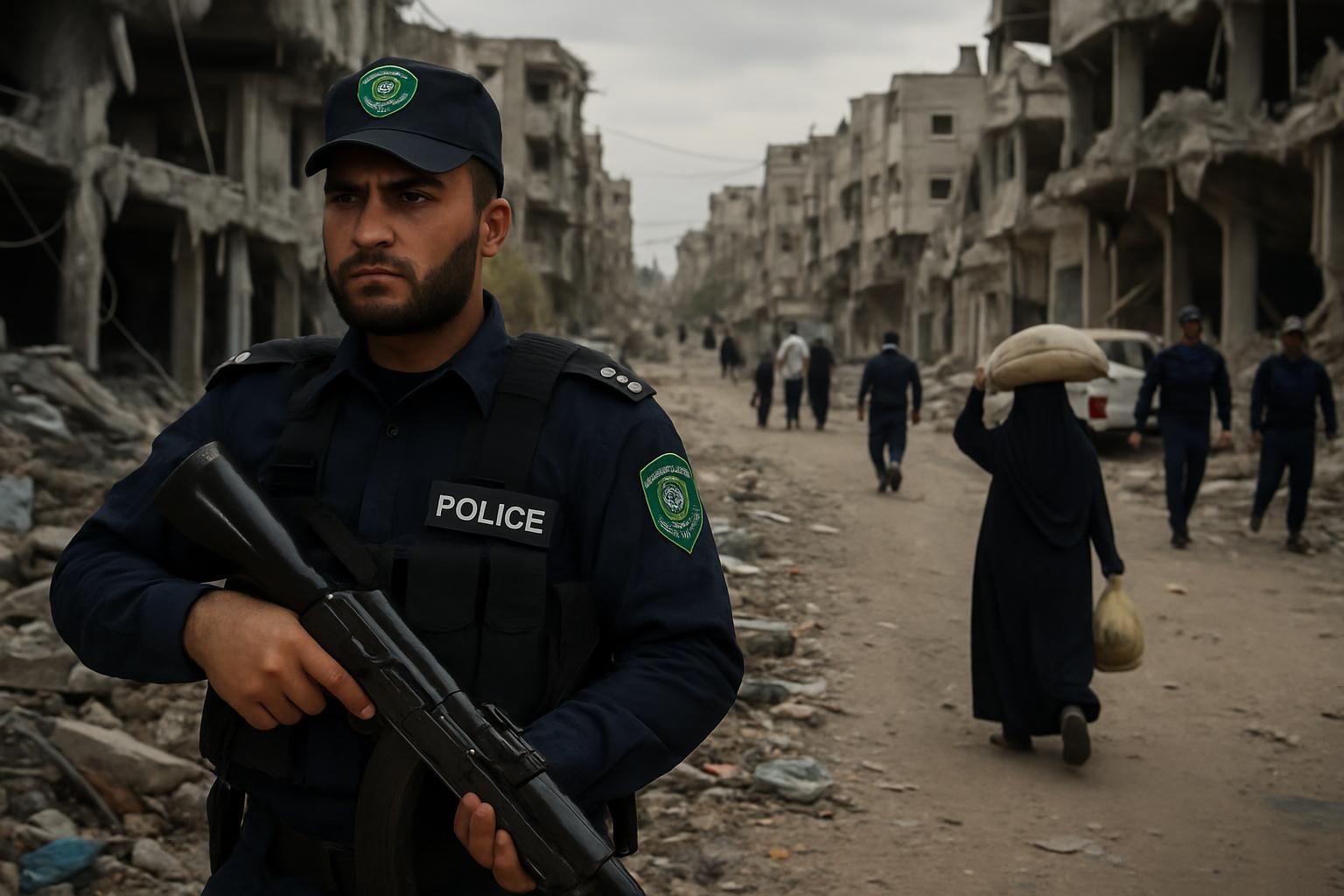
Hamas Reasserts Control in Gaza Amid Rising Death Toll

Middle East Conflict Drives UK Energy Prices to New Highs
Allegations of Misconduct and Violence Emerge at Gaza Aid Distribution Sites
In This Article
 James Okoro| Published
 HIGHLIGHTS
- A former contractor alleges that guards at Gaza Humanitarian Foundation (GHF) sites fired on unarmed Palestinians, claims GHF denies.
- The UN reports 613 deaths near aid distribution points in Gaza, with 509 linked to GHF sites, figures GHF disputes as biased.
- GHF claims to have delivered over 60 million meals safely, despite accusations of violence and mismanagement.
- Israeli military issued new evacuation orders in Gaza, pushing residents into smaller areas amid ongoing military operations.
- Saudi Arabia prioritizes a permanent ceasefire in Gaza over normalizing relations with Israel.
Allegations of misconduct and violence have surfaced against the Gaza Humanitarian Foundation (GHF), a US and Israeli-backed organization responsible for distributing aid in the conflict-ridden region. A former security contractor has come forward, claiming that guards at GHF sites have repeatedly fired on unarmed Palestinians, including women and children, who posed no threat. According to the contractor, who spoke anonymously, guards were instructed to "shoot to kill" if they felt threatened, a claim GHF categorically denies.
The GHF began operations in Gaza at the end of May, following an 11-week blockade by Israel that left the region in dire need of food and supplies. The organization has faced criticism for its distribution methods, which reportedly force Palestinians to traverse active combat zones to access aid. The UN human rights office has recorded 613 killings near aid distribution points, with 509 linked to GHF sites. However, GHF dismisses these figures as biased, accusing the Hamas-controlled Gaza Health Ministry of inflating numbers to tarnish its efforts.
Despite these allegations, GHF maintains that it has successfully delivered over 60 million meals without interference, contrasting its operations with other humanitarian groups whose aid has been looted. The organization has called for collaboration with the UN and other groups to ensure the secure delivery of aid into Gaza.
Meanwhile, the Israeli military has issued new evacuation orders in northeast Khan Younis, urging Palestinians to move westward as military operations against Hamas continue. This has further compressed the living space for Gaza's residents, exacerbating the humanitarian crisis.
In a related development, Saudi Arabia has emphasized its focus on achieving a permanent ceasefire in Gaza, rather than pursuing normalization of ties with Israel. This stance reflects the broader regional complexities and the urgent need for a peaceful resolution to the ongoing conflict.
WHAT THIS MIGHT MEAN
The allegations against the GHF, if substantiated, could lead to increased scrutiny and pressure on the organization to reform its practices and ensure the safety of aid recipients. International bodies may call for independent investigations to verify the claims and assess the humanitarian impact.
The ongoing military operations and evacuation orders in Gaza could further strain the already dire humanitarian situation, potentially leading to more casualties and displacement. The international community may need to intensify diplomatic efforts to broker a ceasefire and facilitate the safe delivery of aid.
Saudi Arabia's prioritization of a ceasefire over diplomatic normalization with Israel underscores the complex geopolitical dynamics at play. A successful ceasefire could pave the way for broader peace negotiations, but achieving this will require concerted efforts from all parties involved.
Images from the Web
Related Articles
Hamas Leadership Vote Amidst Critical Crossroads for the Movement
Trump's Board of Peace Pledges $7 Billion for Gaza Amidst International Skepticism
US Ambassador's Biblical Land Remarks Spark Outcry from Arab Nations
Israeli Airstrikes in Lebanon's Bekaa Valley Leave 10 Dead Amid Rising Tensions
Hamas Reasserts Control in Gaza Amid Rising Death Toll
Middle East Conflict Drives UK Energy Prices to New Highs