
NATO Chief Warns of Potential Russian Threat as US Pushes for Peace in Ukraine
In This Article
HIGHLIGHTS
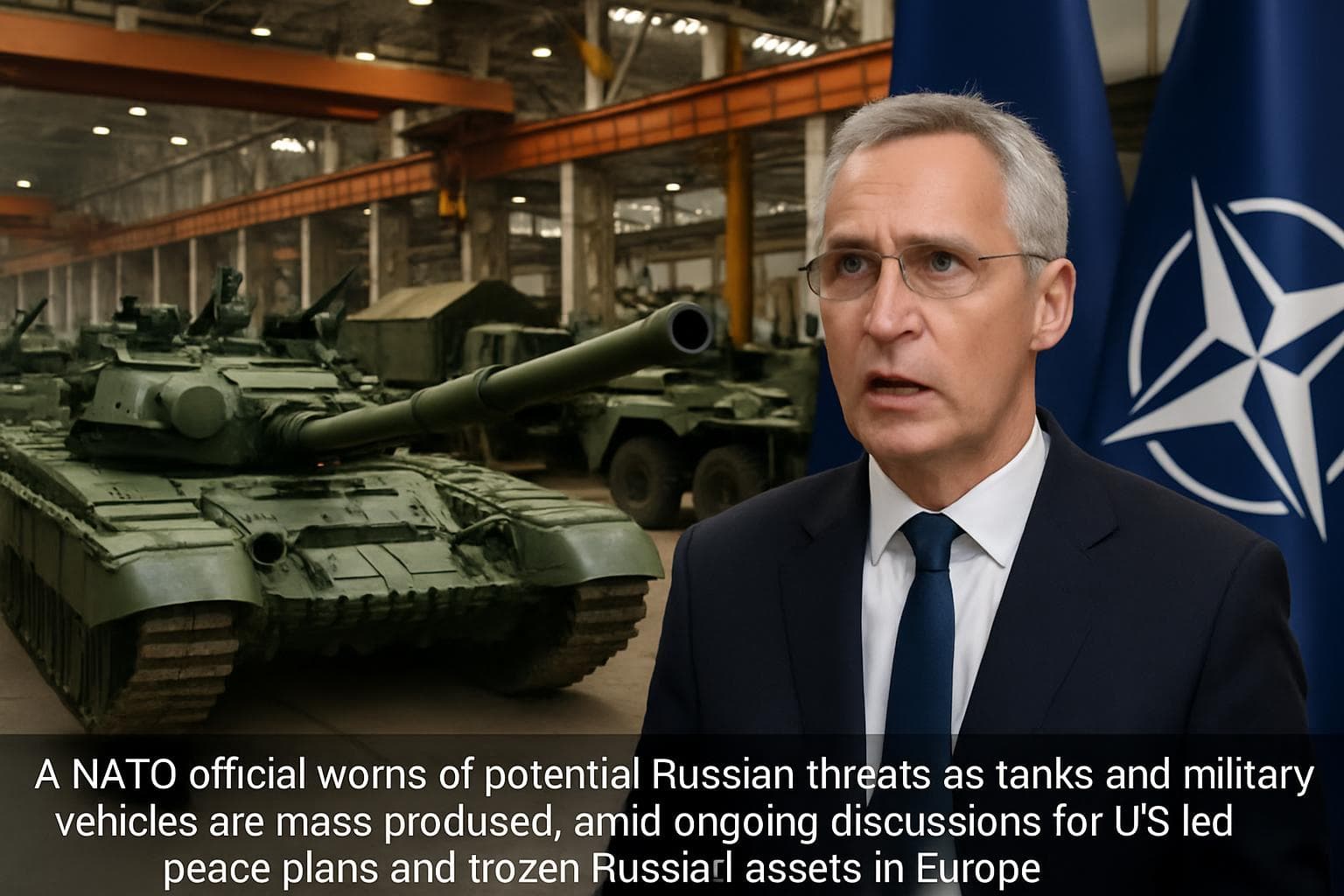
- NATO Secretary General Mark Rutte warns of potential Russian aggression against NATO within five years, urging increased defense spending.
- Russia's military production is significantly outpacing Western Europe, raising concerns about preparedness for potential conflict.
- The US is reportedly pushing Ukraine to withdraw from Donbas and establish a "free economic zone" as part of a peace plan.
- EU member states have agreed to freeze Russian assets indefinitely, with proposals to use them to support Ukraine.
- Ukrainian President Zelenskyy discusses security guarantees with US officials, emphasizing the importance of preventing further Russian invasions.
In a stark warning delivered in Berlin, NATO Secretary General Mark Rutte cautioned that Russia could target a NATO member within the next five years. Highlighting the urgency of the situation, Rutte emphasized the need for increased defense spending among NATO allies to deter potential Russian aggression. "Too many believe that time is on our side," Rutte stated, urging a proactive approach to European security.
Escalating Tensions and Military Production
The warning comes amid heightened tensions following Russia's full-scale invasion of Ukraine in February 2022. Despite Russian President Vladimir Putin's assurances of peace, NATO remains wary, particularly given Russia's significant military production capabilities. According to the Kiel Institute for the World Economy, Russia is producing approximately 150 tanks, 550 infantry fighting vehicles, and other military equipment monthly, far outpacing Western Europe's capabilities.
US Peace Plan and Economic Proposals
Meanwhile, the United States is reportedly advocating for Ukraine to withdraw from the Donbas region and establish a "free economic zone" as part of a broader peace plan. Ukrainian President Volodymyr Zelenskyy has engaged in discussions with US officials, including Secretary of State Marco Rubio and Defense Secretary Pete Hegseth, to secure guarantees that would prevent further Russian incursions.
European Union's Financial Measures
In response to the ongoing conflict, EU member states have agreed to indefinitely freeze Russian assets within the union. German Chancellor Friedrich Merz and Foreign Minister Johann Wadephul have called for these assets to be used to support Ukraine, a proposal gaining traction among European leaders.
Security Guarantees and Future Implications
President Zelenskyy expressed appreciation for the US's active involvement in seeking a resolution to the conflict. "We greatly value the active engagement of the American side," he stated, underscoring the importance of security guarantees in preventing a new Russian invasion.
WHAT THIS MIGHT MEAN
The potential for Russian aggression against NATO members poses significant challenges for European security. If NATO fails to bolster its defenses, the alliance could face increased vulnerability to hybrid warfare tactics, including cyber-attacks and disinformation campaigns. The proposed US peace plan, while offering a path to resolution, may face resistance from Ukraine and its allies, particularly regarding territorial concessions in Donbas.
The EU's decision to freeze Russian assets indefinitely could further strain relations with Moscow, potentially leading to retaliatory measures. However, if successfully implemented, these funds could provide much-needed support for Ukraine's recovery and defense efforts.
As discussions continue, the international community will closely monitor developments, with the hope that diplomatic efforts can avert further escalation and secure lasting peace in the region.
Related Articles
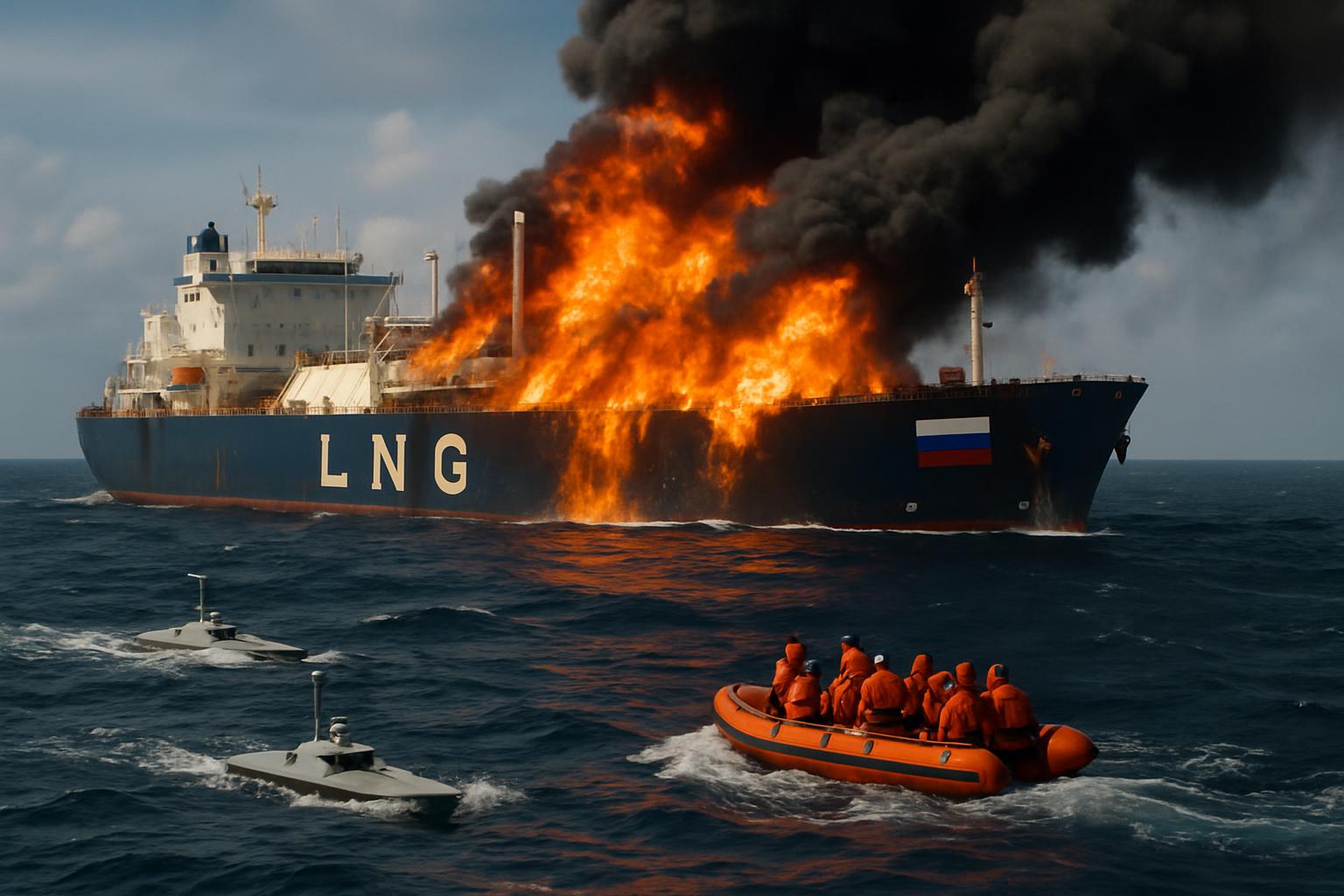
Russian LNG Tanker Sinks in Mediterranean Amid Accusations of Ukrainian Drone Attack
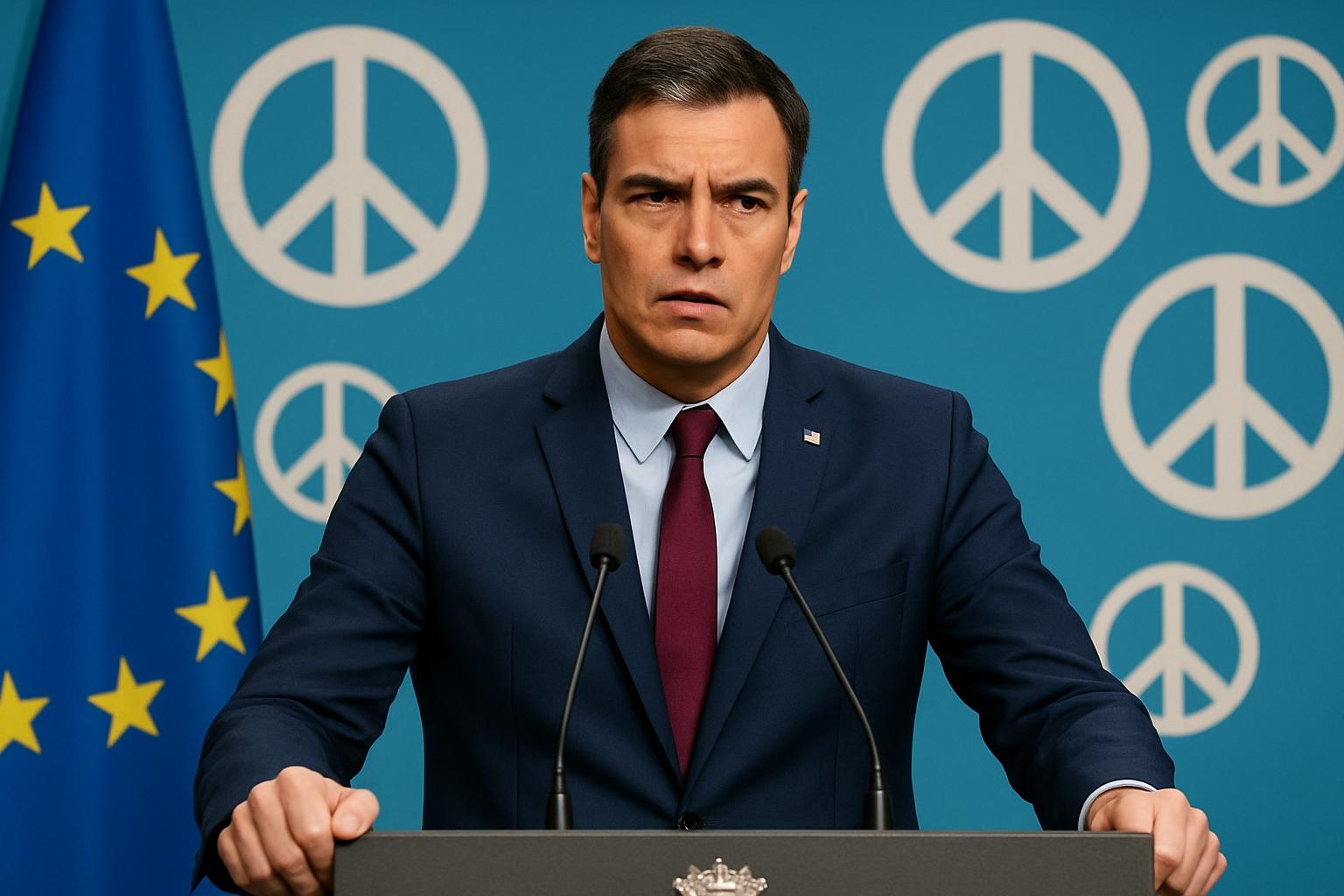
Spain's Sánchez Stands Firm Against Trump's Trade Threat Over Iran Stance
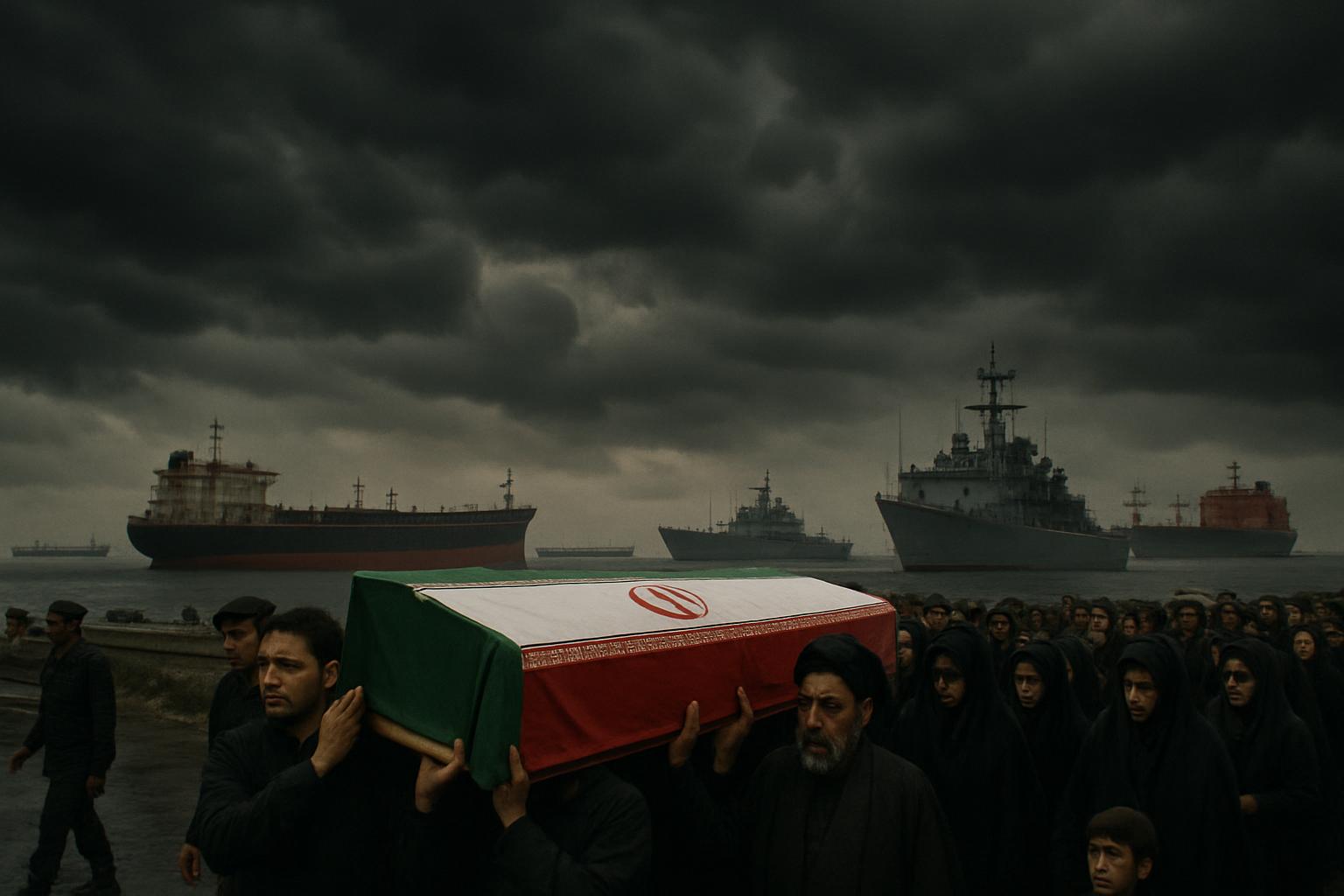
Iran Postpones Khamenei Funeral Amid Escalating US-Israeli Strikes
US and Israel Intensify Military Campaign as Iran's Capabilities Dwindle
Intensified US-Israel Strikes on Iran Spark Global Outcry

Senate Blocks Resolution to Limit Trump's Military Actions in Iran
NATO Chief Warns of Potential Russian Threat as US Pushes for Peace in Ukraine
In This Article
 Ethan Brooks| Published
 HIGHLIGHTS
- NATO Secretary General Mark Rutte warns of potential Russian aggression against NATO within five years, urging increased defense spending.
- Russia's military production is significantly outpacing Western Europe, raising concerns about preparedness for potential conflict.
- The US is reportedly pushing Ukraine to withdraw from Donbas and establish a "free economic zone" as part of a peace plan.
- EU member states have agreed to freeze Russian assets indefinitely, with proposals to use them to support Ukraine.
- Ukrainian President Zelenskyy discusses security guarantees with US officials, emphasizing the importance of preventing further Russian invasions.
In a stark warning delivered in Berlin, NATO Secretary General Mark Rutte cautioned that Russia could target a NATO member within the next five years. Highlighting the urgency of the situation, Rutte emphasized the need for increased defense spending among NATO allies to deter potential Russian aggression. "Too many believe that time is on our side," Rutte stated, urging a proactive approach to European security.
Escalating Tensions and Military Production
The warning comes amid heightened tensions following Russia's full-scale invasion of Ukraine in February 2022. Despite Russian President Vladimir Putin's assurances of peace, NATO remains wary, particularly given Russia's significant military production capabilities. According to the Kiel Institute for the World Economy, Russia is producing approximately 150 tanks, 550 infantry fighting vehicles, and other military equipment monthly, far outpacing Western Europe's capabilities.
US Peace Plan and Economic Proposals
Meanwhile, the United States is reportedly advocating for Ukraine to withdraw from the Donbas region and establish a "free economic zone" as part of a broader peace plan. Ukrainian President Volodymyr Zelenskyy has engaged in discussions with US officials, including Secretary of State Marco Rubio and Defense Secretary Pete Hegseth, to secure guarantees that would prevent further Russian incursions.
European Union's Financial Measures
In response to the ongoing conflict, EU member states have agreed to indefinitely freeze Russian assets within the union. German Chancellor Friedrich Merz and Foreign Minister Johann Wadephul have called for these assets to be used to support Ukraine, a proposal gaining traction among European leaders.
Security Guarantees and Future Implications
President Zelenskyy expressed appreciation for the US's active involvement in seeking a resolution to the conflict. "We greatly value the active engagement of the American side," he stated, underscoring the importance of security guarantees in preventing a new Russian invasion.
WHAT THIS MIGHT MEAN
The potential for Russian aggression against NATO members poses significant challenges for European security. If NATO fails to bolster its defenses, the alliance could face increased vulnerability to hybrid warfare tactics, including cyber-attacks and disinformation campaigns. The proposed US peace plan, while offering a path to resolution, may face resistance from Ukraine and its allies, particularly regarding territorial concessions in Donbas.
The EU's decision to freeze Russian assets indefinitely could further strain relations with Moscow, potentially leading to retaliatory measures. However, if successfully implemented, these funds could provide much-needed support for Ukraine's recovery and defense efforts.
As discussions continue, the international community will closely monitor developments, with the hope that diplomatic efforts can avert further escalation and secure lasting peace in the region.
Related Articles
Russian LNG Tanker Sinks in Mediterranean Amid Accusations of Ukrainian Drone Attack
Spain's Sánchez Stands Firm Against Trump's Trade Threat Over Iran Stance
Iran Postpones Khamenei Funeral Amid Escalating US-Israeli Strikes
US and Israel Intensify Military Campaign as Iran's Capabilities Dwindle
Intensified US-Israel Strikes on Iran Spark Global Outcry
Senate Blocks Resolution to Limit Trump's Military Actions in Iran