
New York Shooting: Gunman Blames NFL for Brain Injury in Deadly Attack
In This Article
HIGHLIGHTS
- Shane Tamura, 27, killed four people in a New York skyscraper, mistakenly targeting the NFL headquarters due to a perceived CTE brain injury.
- The attack is the deadliest firearms incident in New York City in 25 years, with victims including a police officer and a finance employee.
- Tamura left a note blaming the NFL for his brain injury, linked to his high school football days, and requested his brain be studied.
- The incident halted parts of Midtown Manhattan, with heightened security measures now in place at the NFL's Park Avenue offices.
- The attack has sparked discussions on the impact of CTE, a brain disease associated with contact sports, and its potential role in violent behavior.
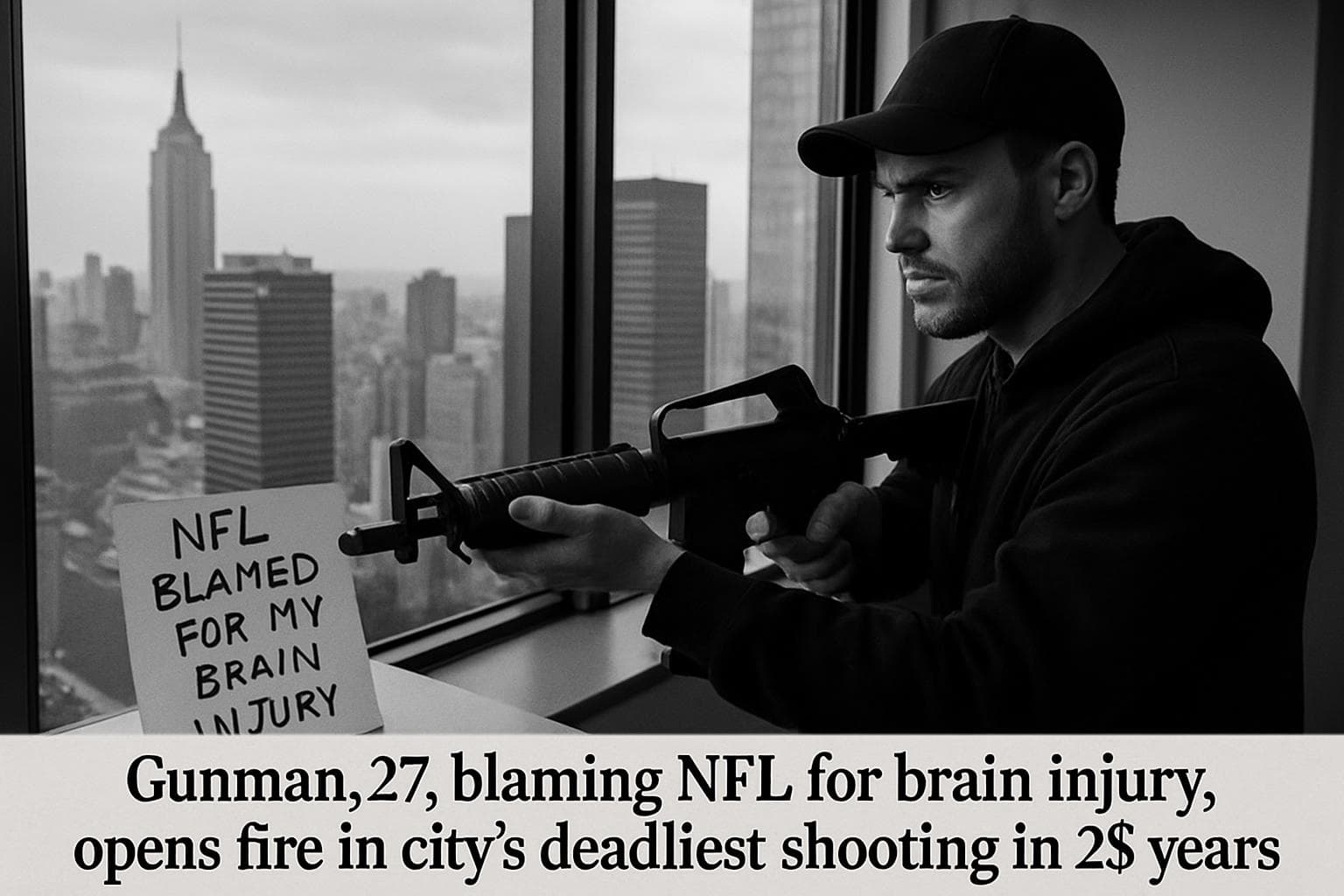
In a tragic turn of events, a gunman opened fire in a New York City skyscraper on Monday evening, killing four people in what has become the deadliest shooting in the city in a quarter-century. The attacker, identified as 27-year-old Shane Tamura from Las Vegas, left a note blaming the National Football League (NFL) for a brain injury he believed he suffered from playing football in his youth. Tamura, who did not play professionally, claimed to have chronic traumatic encephalopathy (CTE), a brain disease linked to repeated head trauma.
The Attack and Its Victims
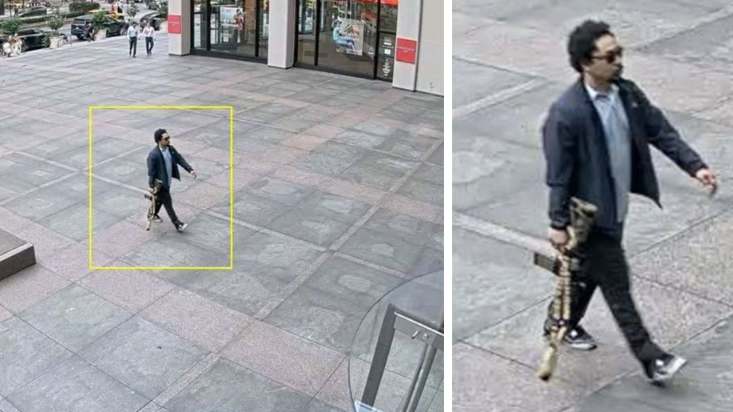
The shooting unfolded at 345 Park Avenue, where the NFL has its headquarters. Tamura, armed with an assault-style rifle, mistakenly went to the wrong office after taking the wrong elevator, according to New York City Mayor Eric Adams. Among the victims were Didarul Islam, a 36-year-old off-duty police officer working as a security guard, and Wesley LePatner, an employee of finance giant Blackstone. Two other male civilians were also killed, and an NFL employee was seriously injured.
The Note and Its Implications
Tamura's note, found on his body, expressed his belief that playing football had given him CTE, a condition that has been linked to violent behavior in some cases. The note reportedly mentioned Terry Long, a former NFL player diagnosed with CTE, and included an apology and a request for his brain to be studied. Mayor Adams confirmed the existence of the note, stating, "He appeared to have blamed the NFL for his injury."
Response and Security Measures
The incident brought parts of Midtown Manhattan to a standstill, with heightened security measures now implemented at the NFL's offices. NFL Commissioner Roger Goodell addressed the league's staff, confirming the serious injury of an employee and emphasizing the importance of safety. Meanwhile, President Donald Trump, while visiting Scotland, expressed confidence in U.S. law enforcement to uncover the motives behind the attack.
WHAT THIS MIGHT MEAN
The tragic shooting has reignited discussions on the long-term effects of CTE, particularly its potential link to violent behavior. As investigations continue, experts may delve deeper into the role of brain injuries in mental health and criminal actions. The incident also raises questions about security protocols in high-profile buildings, prompting potential policy reviews. As the NFL and other sports organizations face scrutiny over player safety, this event could lead to increased advocacy for research and preventive measures against CTE.
Images from the Web
Related Articles

Tech Giants Pledge to Cover AI Data Center Energy Costs Amid Rising Electricity Concerns
Congress Subpoenas Attorney General Bondi in Epstein Investigation

Cuba Faces Widespread Blackout Amid Deepening Fuel Crisis

UK Faces Dilemmas Amid Iran Conflict and China Spying Allegations
Senate Blocks Resolution to Limit Trump's Military Actions in Iran

UK-Iran Tensions: Starmer Defends Cautious Approach Amid Trump Criticism
New York Shooting: Gunman Blames NFL for Brain Injury in Deadly Attack
In This Article
 Marcus Blake| Published
 HIGHLIGHTS
- Shane Tamura, 27, killed four people in a New York skyscraper, mistakenly targeting the NFL headquarters due to a perceived CTE brain injury.
- The attack is the deadliest firearms incident in New York City in 25 years, with victims including a police officer and a finance employee.
- Tamura left a note blaming the NFL for his brain injury, linked to his high school football days, and requested his brain be studied.
- The incident halted parts of Midtown Manhattan, with heightened security measures now in place at the NFL's Park Avenue offices.
- The attack has sparked discussions on the impact of CTE, a brain disease associated with contact sports, and its potential role in violent behavior.
In a tragic turn of events, a gunman opened fire in a New York City skyscraper on Monday evening, killing four people in what has become the deadliest shooting in the city in a quarter-century. The attacker, identified as 27-year-old Shane Tamura from Las Vegas, left a note blaming the National Football League (NFL) for a brain injury he believed he suffered from playing football in his youth. Tamura, who did not play professionally, claimed to have chronic traumatic encephalopathy (CTE), a brain disease linked to repeated head trauma.
The Attack and Its Victims
The shooting unfolded at 345 Park Avenue, where the NFL has its headquarters. Tamura, armed with an assault-style rifle, mistakenly went to the wrong office after taking the wrong elevator, according to New York City Mayor Eric Adams. Among the victims were Didarul Islam, a 36-year-old off-duty police officer working as a security guard, and Wesley LePatner, an employee of finance giant Blackstone. Two other male civilians were also killed, and an NFL employee was seriously injured.
The Note and Its Implications
Tamura's note, found on his body, expressed his belief that playing football had given him CTE, a condition that has been linked to violent behavior in some cases. The note reportedly mentioned Terry Long, a former NFL player diagnosed with CTE, and included an apology and a request for his brain to be studied. Mayor Adams confirmed the existence of the note, stating, "He appeared to have blamed the NFL for his injury."
Response and Security Measures
The incident brought parts of Midtown Manhattan to a standstill, with heightened security measures now implemented at the NFL's offices. NFL Commissioner Roger Goodell addressed the league's staff, confirming the serious injury of an employee and emphasizing the importance of safety. Meanwhile, President Donald Trump, while visiting Scotland, expressed confidence in U.S. law enforcement to uncover the motives behind the attack.
WHAT THIS MIGHT MEAN
The tragic shooting has reignited discussions on the long-term effects of CTE, particularly its potential link to violent behavior. As investigations continue, experts may delve deeper into the role of brain injuries in mental health and criminal actions. The incident also raises questions about security protocols in high-profile buildings, prompting potential policy reviews. As the NFL and other sports organizations face scrutiny over player safety, this event could lead to increased advocacy for research and preventive measures against CTE.
Images from the Web
Related Articles
Tech Giants Pledge to Cover AI Data Center Energy Costs Amid Rising Electricity Concerns
Congress Subpoenas Attorney General Bondi in Epstein Investigation
Cuba Faces Widespread Blackout Amid Deepening Fuel Crisis
UK Faces Dilemmas Amid Iran Conflict and China Spying Allegations
Senate Blocks Resolution to Limit Trump's Military Actions in Iran
UK-Iran Tensions: Starmer Defends Cautious Approach Amid Trump Criticism