
Humanitarian Crisis in Gaza: NGOs Demand Shutdown of Controversial Aid Scheme
In This Article
HIGHLIGHTS
- Over 170 NGOs, including Oxfam and Save the Children, demand the shutdown of the Gaza Humanitarian Foundation (GHF), citing safety concerns.
- Since May, more than 500 Palestinians have died seeking aid, with Israeli forces accused of firing on aid seekers.
- The GHF, backed by Israel and the US, replaced 400 aid points with four militarized sites, sparking criticism from the UN and NGOs.
- The UN Secretary-General labeled the GHF's system "inherently unsafe," while Israel claims it provides direct aid without Hamas interference.
- The ongoing conflict has exacerbated Gaza's humanitarian crisis, with severe shortages of food, water, and medical supplies.
In a growing humanitarian crisis, over 170 charities and NGOs, including prominent organizations like Oxfam and Save the Children, have called for the immediate shutdown of the Gaza Humanitarian Foundation (GHF). This controversial aid distribution scheme, backed by Israel and the US, has been linked to the deaths of over 500 Palestinians since its inception in late May. The GHF was established as an alternative to the UN-led aid system following an 11-week blockade, but its operations have been marred by violence and allegations of human rights violations.
Mounting Casualties and Criticism
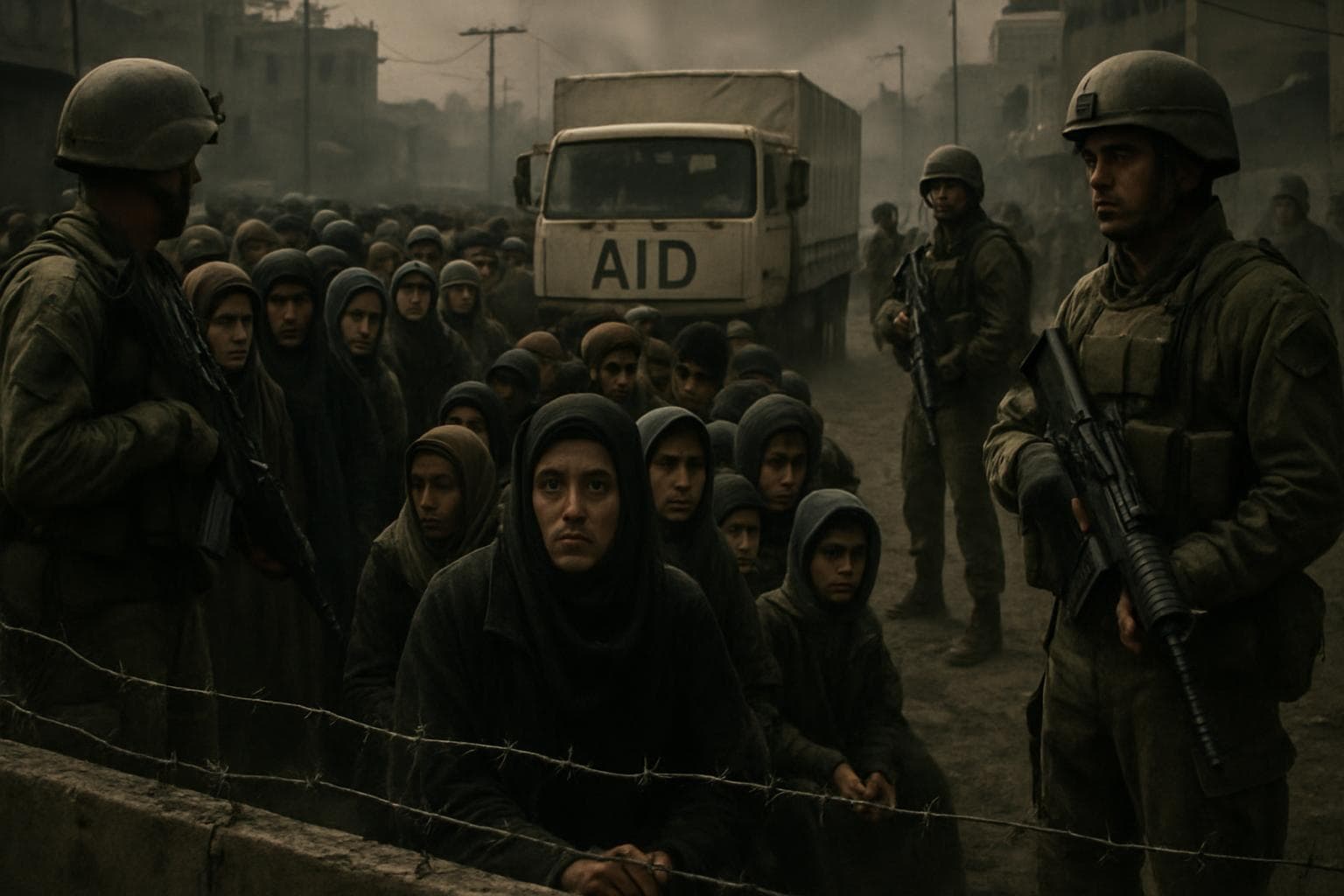
The GHF's system, which replaced 400 aid distribution points with just four militarized sites, has been criticized for forcing Palestinians into dangerous zones. According to a joint statement from the NGOs, Israeli forces and armed groups have "routinely" opened fire on Palestinians seeking aid, resulting in 583 deaths, including 408 near GHF distribution centers. The UN Secretary-General, António Guterres, condemned the system as "inherently unsafe," asserting that it has led to unnecessary loss of life.
Israeli and GHF Defense
In response to the criticism, the GHF claims to have delivered over 52 million meals in five weeks, arguing that their system provides direct aid to those in need without Hamas interference. An Israeli military spokesperson stated that troops have adhered to international law and have taken precautions to minimize civilian harm. However, eyewitness accounts and reports from the Hamas-run health ministry paint a grim picture of the situation on the ground.
Humanitarian Crisis Deepens
The ongoing conflict, exacerbated by Israel's recent war with Iran, has intensified Gaza's humanitarian crisis. The territory faces severe shortages of food, clean water, and medical supplies, with aid convoys frequently targeted. On June 17, a particularly deadly incident occurred near Khan Younis, where Israeli forces fired on a crowd waiting for UN aid trucks, resulting in 59 deaths and hundreds of injuries. This incident led to a temporary suspension of aid convoys, further worsening the situation.
WHAT THIS MIGHT MEAN
The call for the shutdown of the GHF highlights the urgent need for a reassessment of aid distribution in Gaza. If the GHF continues its operations, the humanitarian crisis may deepen, with more casualties and international condemnation. Alternatively, a return to the UN-led system could provide a more neutral and safer means of delivering aid, though it may face resistance from Israeli authorities. As the situation evolves, international diplomatic efforts may be crucial in addressing the humanitarian needs of Gaza's population and ensuring the safety of aid recipients.
Related Articles
Middle East Conflict Drives UK Energy Prices to New Highs

US and Israel Intensify Military Campaign as Iran's Capabilities Dwindle
Intensified US-Israel Strikes on Iran Spark Global Outcry

UK Reinforces Military Presence in Cyprus Amid Middle East Tensions

US-Iran Tensions Escalate Amid Renewed Nuclear Talks and Protests
Canada and Australia Forge Strategic Partnership Amid Global Uncertainty
Humanitarian Crisis in Gaza: NGOs Demand Shutdown of Controversial Aid Scheme
In This Article
 James Okoro| Published
 HIGHLIGHTS
- Over 170 NGOs, including Oxfam and Save the Children, demand the shutdown of the Gaza Humanitarian Foundation (GHF), citing safety concerns.
- Since May, more than 500 Palestinians have died seeking aid, with Israeli forces accused of firing on aid seekers.
- The GHF, backed by Israel and the US, replaced 400 aid points with four militarized sites, sparking criticism from the UN and NGOs.
- The UN Secretary-General labeled the GHF's system "inherently unsafe," while Israel claims it provides direct aid without Hamas interference.
- The ongoing conflict has exacerbated Gaza's humanitarian crisis, with severe shortages of food, water, and medical supplies.
In a growing humanitarian crisis, over 170 charities and NGOs, including prominent organizations like Oxfam and Save the Children, have called for the immediate shutdown of the Gaza Humanitarian Foundation (GHF). This controversial aid distribution scheme, backed by Israel and the US, has been linked to the deaths of over 500 Palestinians since its inception in late May. The GHF was established as an alternative to the UN-led aid system following an 11-week blockade, but its operations have been marred by violence and allegations of human rights violations.
Mounting Casualties and Criticism
The GHF's system, which replaced 400 aid distribution points with just four militarized sites, has been criticized for forcing Palestinians into dangerous zones. According to a joint statement from the NGOs, Israeli forces and armed groups have "routinely" opened fire on Palestinians seeking aid, resulting in 583 deaths, including 408 near GHF distribution centers. The UN Secretary-General, António Guterres, condemned the system as "inherently unsafe," asserting that it has led to unnecessary loss of life.
Israeli and GHF Defense
In response to the criticism, the GHF claims to have delivered over 52 million meals in five weeks, arguing that their system provides direct aid to those in need without Hamas interference. An Israeli military spokesperson stated that troops have adhered to international law and have taken precautions to minimize civilian harm. However, eyewitness accounts and reports from the Hamas-run health ministry paint a grim picture of the situation on the ground.
Humanitarian Crisis Deepens
The ongoing conflict, exacerbated by Israel's recent war with Iran, has intensified Gaza's humanitarian crisis. The territory faces severe shortages of food, clean water, and medical supplies, with aid convoys frequently targeted. On June 17, a particularly deadly incident occurred near Khan Younis, where Israeli forces fired on a crowd waiting for UN aid trucks, resulting in 59 deaths and hundreds of injuries. This incident led to a temporary suspension of aid convoys, further worsening the situation.
WHAT THIS MIGHT MEAN
The call for the shutdown of the GHF highlights the urgent need for a reassessment of aid distribution in Gaza. If the GHF continues its operations, the humanitarian crisis may deepen, with more casualties and international condemnation. Alternatively, a return to the UN-led system could provide a more neutral and safer means of delivering aid, though it may face resistance from Israeli authorities. As the situation evolves, international diplomatic efforts may be crucial in addressing the humanitarian needs of Gaza's population and ensuring the safety of aid recipients.
Related Articles
Middle East Conflict Drives UK Energy Prices to New Highs
US and Israel Intensify Military Campaign as Iran's Capabilities Dwindle
Intensified US-Israel Strikes on Iran Spark Global Outcry
UK Reinforces Military Presence in Cyprus Amid Middle East Tensions
US-Iran Tensions Escalate Amid Renewed Nuclear Talks and Protests
Canada and Australia Forge Strategic Partnership Amid Global Uncertainty