
North Korea Unveils Wonsan Kalma Resort Amid Tourism Ambitions
In This Article
HIGHLIGHTS
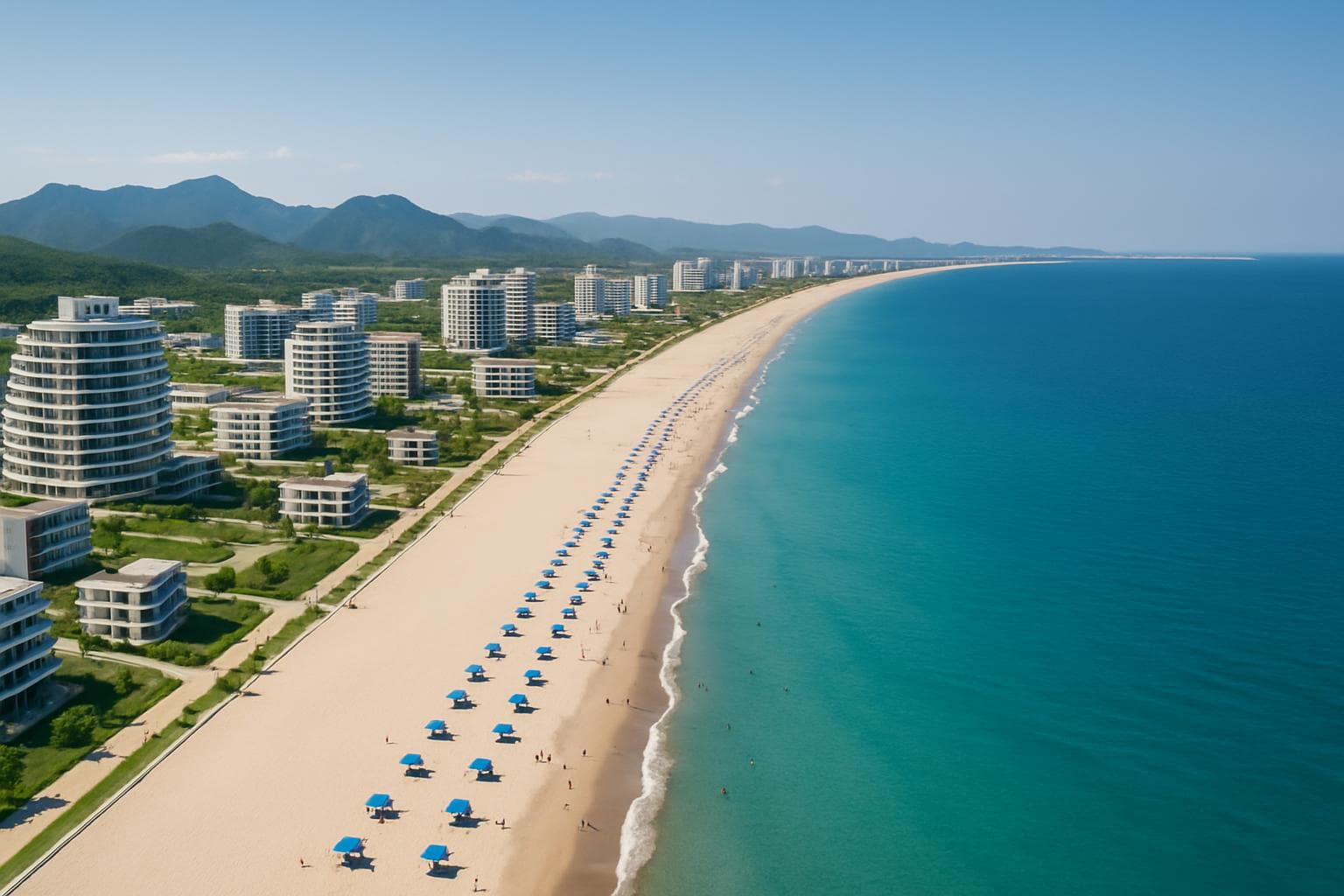
- North Korea's Wonsan Kalma beach resort is set to open to domestic tourists on July 1, aiming to boost tourism in the country.
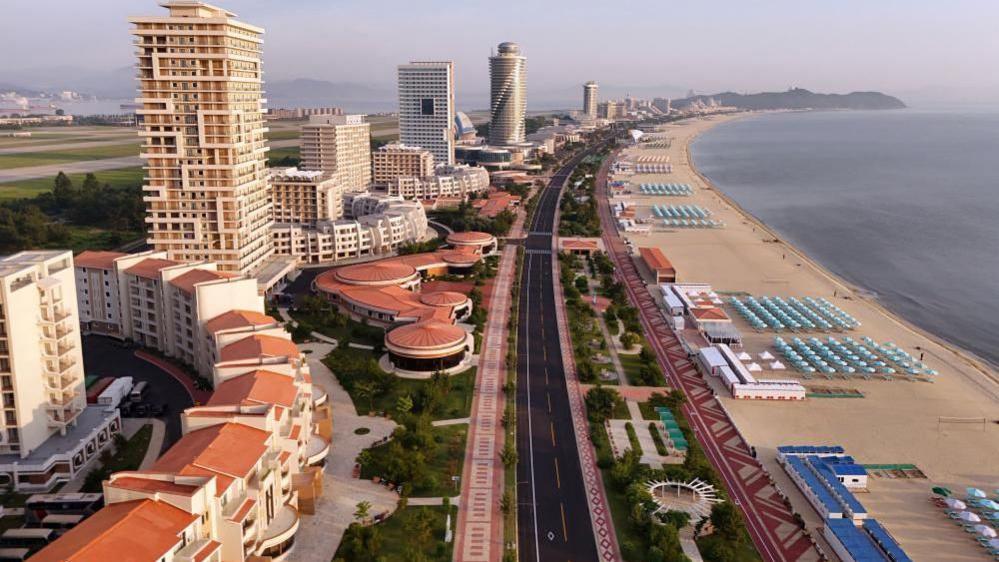
- The resort, located on a 4km stretch of beach, can accommodate up to 20,000 visitors, though it remains closed to foreign tourists for now.
- Kim Jong-un, who attended the opening ceremony with his family, described the resort as one of North Korea's "greatest feats" this year.
- The resort's development faced delays due to construction issues and the COVID-19 pandemic, with its opening initially planned for 2019.
- While some tour operators see potential in North Korea's niche appeal, others doubt the resort's attractiveness to Western tourists.
North Korea is set to open its new Wonsan Kalma beach resort to domestic tourists on July 1, marking a significant step in the country's efforts to bolster its tourism sector. The resort, located on the east coast, spans a 4km stretch of beach and is equipped to host up to 20,000 visitors, according to state media reports. However, it remains unclear when, or if, the resort will welcome international tourists.
A Decade in the Making
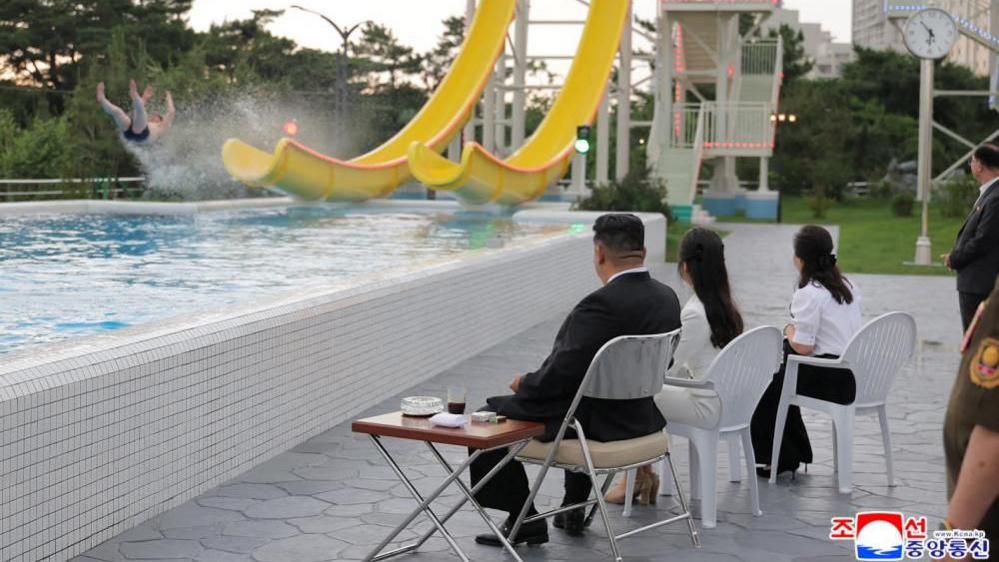
The Wonsan Kalma resort has been a long-term project for North Korea, with its completion initially slated for 2019. The development faced numerous setbacks, including construction delays and the impact of the COVID-19 pandemic, which led to the closure of North Korea's borders in early 2020. Despite these challenges, North Korean leader Kim Jong-un celebrated the resort's completion on June 24, describing it as one of the country's "greatest feats" of the year.
Tourism as a Strategic Move
North Korea, heavily sanctioned for its nuclear weapons program, views tourism as a potential revenue stream. The country has historically poured resources into military and monumental projects, often centered in Pyongyang, to bolster the image of the ruling Kim family. While foreign tourists have been allowed in the past, the majority have come from China and Russia, with broader international tourism still restricted.
Mixed Reactions from Tour Operators
The resort's opening has drawn mixed reactions from tour operators. Rowan Beard, co-founder of Young Pioneer Tours, expressed skepticism about the resort's appeal to Western tourists, noting that key sites like Pyongyang and the DMZ remain the primary attractions. However, Elliott Davies, director of Uri Tours, highlighted North Korea's niche appeal for travelers seeking unconventional destinations.
A Family Affair
Kim Jong-un's visit to the resort was a family affair, with his daughter Kim Ju-ae and wife Ri Sol-ju accompanying him. The visit marked Ri's first public appearance since a New Year's Day event, adding a personal touch to the occasion. The presence of Russian ambassador Alexander Matsegora and embassy staff underscored the ongoing diplomatic ties between North Korea and Russia.
WHAT THIS MIGHT MEAN
The opening of the Wonsan Kalma resort could signal North Korea's intent to gradually reopen to international tourism, though significant hurdles remain. The country's ongoing sanctions and political isolation pose challenges to attracting foreign visitors. However, if successful, the resort could become a model for future tourism projects, potentially diversifying North Korea's economy. Experts suggest that the country's niche appeal may attract adventurous travelers, though broader acceptance will depend on geopolitical developments and North Korea's willingness to engage with the international community.
Images from the Web
Related Articles

US Supreme Court Ruling Sparks Trade Uncertainty in Asia and Beyond

China Sets Lowest GDP Growth Target in Decades Amid Economic Challenges

Russian LNG Tanker Sinks in Mediterranean Amid Accusations of Ukrainian Drone Attack

UK Faces Dilemmas Amid Iran Conflict and China Spying Allegations

Labour MP's Husband Arrested in UK-China Espionage Probe

Trump's New Tariff Strategy Sparks Global Trade Uncertainty
North Korea Unveils Wonsan Kalma Resort Amid Tourism Ambitions
In This Article
HIGHLIGHTS
- North Korea's Wonsan Kalma beach resort is set to open to domestic tourists on July 1, aiming to boost tourism in the country.
- The resort, located on a 4km stretch of beach, can accommodate up to 20,000 visitors, though it remains closed to foreign tourists for now.
- Kim Jong-un, who attended the opening ceremony with his family, described the resort as one of North Korea's "greatest feats" this year.
- The resort's development faced delays due to construction issues and the COVID-19 pandemic, with its opening initially planned for 2019.
- While some tour operators see potential in North Korea's niche appeal, others doubt the resort's attractiveness to Western tourists.
North Korea is set to open its new Wonsan Kalma beach resort to domestic tourists on July 1, marking a significant step in the country's efforts to bolster its tourism sector. The resort, located on the east coast, spans a 4km stretch of beach and is equipped to host up to 20,000 visitors, according to state media reports. However, it remains unclear when, or if, the resort will welcome international tourists.
A Decade in the Making
The Wonsan Kalma resort has been a long-term project for North Korea, with its completion initially slated for 2019. The development faced numerous setbacks, including construction delays and the impact of the COVID-19 pandemic, which led to the closure of North Korea's borders in early 2020. Despite these challenges, North Korean leader Kim Jong-un celebrated the resort's completion on June 24, describing it as one of the country's "greatest feats" of the year.
Tourism as a Strategic Move
North Korea, heavily sanctioned for its nuclear weapons program, views tourism as a potential revenue stream. The country has historically poured resources into military and monumental projects, often centered in Pyongyang, to bolster the image of the ruling Kim family. While foreign tourists have been allowed in the past, the majority have come from China and Russia, with broader international tourism still restricted.
Mixed Reactions from Tour Operators
The resort's opening has drawn mixed reactions from tour operators. Rowan Beard, co-founder of Young Pioneer Tours, expressed skepticism about the resort's appeal to Western tourists, noting that key sites like Pyongyang and the DMZ remain the primary attractions. However, Elliott Davies, director of Uri Tours, highlighted North Korea's niche appeal for travelers seeking unconventional destinations.
A Family Affair
Kim Jong-un's visit to the resort was a family affair, with his daughter Kim Ju-ae and wife Ri Sol-ju accompanying him. The visit marked Ri's first public appearance since a New Year's Day event, adding a personal touch to the occasion. The presence of Russian ambassador Alexander Matsegora and embassy staff underscored the ongoing diplomatic ties between North Korea and Russia.
WHAT THIS MIGHT MEAN
The opening of the Wonsan Kalma resort could signal North Korea's intent to gradually reopen to international tourism, though significant hurdles remain. The country's ongoing sanctions and political isolation pose challenges to attracting foreign visitors. However, if successful, the resort could become a model for future tourism projects, potentially diversifying North Korea's economy. Experts suggest that the country's niche appeal may attract adventurous travelers, though broader acceptance will depend on geopolitical developments and North Korea's willingness to engage with the international community.
Images from the Web
Related Articles
US Supreme Court Ruling Sparks Trade Uncertainty in Asia and Beyond
China Sets Lowest GDP Growth Target in Decades Amid Economic Challenges
Russian LNG Tanker Sinks in Mediterranean Amid Accusations of Ukrainian Drone Attack
UK Faces Dilemmas Amid Iran Conflict and China Spying Allegations
Labour MP's Husband Arrested in UK-China Espionage Probe
Trump's New Tariff Strategy Sparks Global Trade Uncertainty