
International Outcry as Videos Reveal Dire Conditions of Israeli Hostages in Gaza

In This Article
HIGHLIGHTS
- Western leaders have condemned videos showing emaciated Israeli hostages in Gaza, demanding their unconditional release.
- The Red Cross has called for access to hostages, highlighting the dire conditions they face, and has faced criticism for its perceived inaction.
- Families of hostages, including Evyatar David and Rom Braslavski, accuse Hamas of starving captives for propaganda purposes.
- Israeli Prime Minister Benjamin Netanyahu is actively engaging with international bodies to secure aid and the release of hostages.
- Hamas has expressed willingness to allow Red Cross aid if Israel halts airstrikes and opens humanitarian corridors.
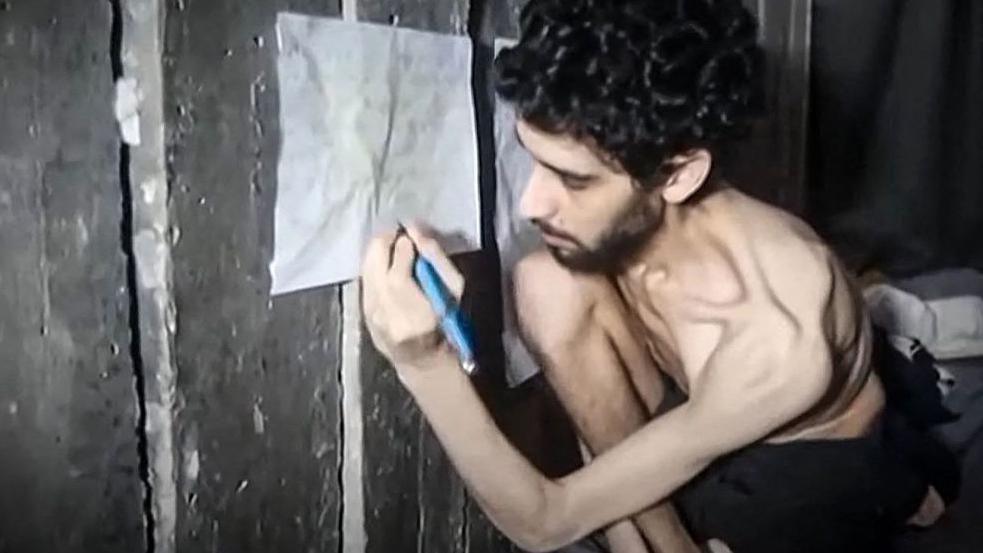
Western leaders and humanitarian organizations have expressed outrage following the release of videos depicting emaciated Israeli hostages held by Hamas in Gaza. The footage, which has sparked widespread condemnation, shows captives in distressing conditions, prompting urgent calls for their release and humanitarian intervention.
Global Condemnation and Calls for Action
The videos, released by the Palestinian Islamic Jihad and Hamas, show hostages Rom Braslavski and Evyatar David in visibly weakened states. UK Foreign Secretary David Lammy described the images as "sickening," demanding the hostages' unconditional release. Israeli Prime Minister Benjamin Netanyahu echoed these sentiments, assuring the families of the hostages that efforts to secure their freedom are ongoing.
Humanitarian Concerns and Red Cross Involvement
The International Committee of the Red Cross (ICRC) has been vocal about the need for immediate access to the hostages to provide essential medical care and facilitate family contact. The organization has faced criticism from both Israeli and Palestinian sides for its limited role in the conflict. Hamas has indicated a willingness to cooperate with the Red Cross, provided that Israel ceases airstrikes and establishes permanent humanitarian corridors.
Hostage Families' Pleas
The families of the hostages, including David and Braslavski, have accused Hamas of using starvation as a propaganda tool. In a statement, David's family described him as a "living skeleton buried alive," urging international intervention to deliver humanitarian aid directly to the hostages. The situation in Gaza remains dire, with widespread famine exacerbating the plight of both hostages and civilians.
Diplomatic Efforts and Ceasefire Talks
Amidst the escalating crisis, US envoy Steve Witkoff visited Israel to discuss potential ceasefire agreements. He assured hostage families that efforts are underway to end the conflict and secure the release of all captives. Netanyahu has also engaged with the Red Cross to expedite aid delivery, emphasizing the urgency of the situation.
WHAT THIS MIGHT MEAN
The release of these distressing videos has intensified international pressure on both Israel and Hamas to reach a resolution. If humanitarian corridors are established, it could pave the way for broader ceasefire negotiations, potentially leading to a de-escalation of the conflict. However, the success of such diplomatic efforts hinges on mutual concessions and the willingness of both parties to prioritize humanitarian needs over military objectives. As the situation evolves, the role of international mediators and organizations like the Red Cross will be crucial in facilitating dialogue and ensuring the safety of hostages and civilians alike.
Images from the Web

Related Articles
US-Iran Tensions Escalate Amid Military Buildup and Diplomatic Deadlock

US and Israel Intensify Military Campaign as Iran's Capabilities Dwindle
Intensified US-Israel Strikes on Iran Spark Global Outcry
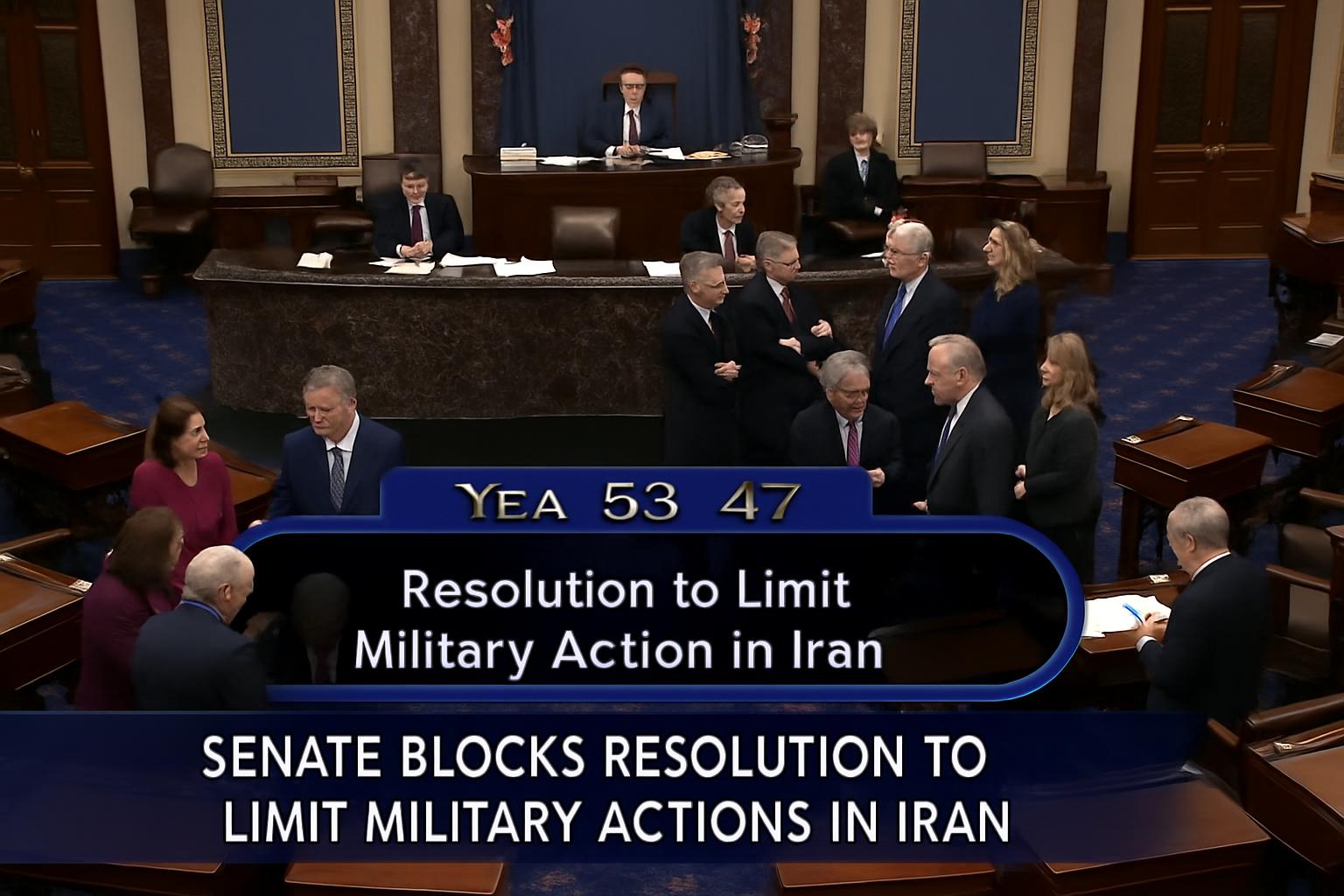
Senate Blocks Resolution to Limit Trump's Military Actions in Iran
Iran Postpones Khamenei Funeral Amid Escalating US-Israeli Strikes
US-Iran Tensions Escalate Amid Renewed Nuclear Talks and Protests
International Outcry as Videos Reveal Dire Conditions of Israeli Hostages in Gaza
In This Article
 Ethan Brooks| Published
 HIGHLIGHTS
- Western leaders have condemned videos showing emaciated Israeli hostages in Gaza, demanding their unconditional release.
- The Red Cross has called for access to hostages, highlighting the dire conditions they face, and has faced criticism for its perceived inaction.
- Families of hostages, including Evyatar David and Rom Braslavski, accuse Hamas of starving captives for propaganda purposes.
- Israeli Prime Minister Benjamin Netanyahu is actively engaging with international bodies to secure aid and the release of hostages.
- Hamas has expressed willingness to allow Red Cross aid if Israel halts airstrikes and opens humanitarian corridors.
Western leaders and humanitarian organizations have expressed outrage following the release of videos depicting emaciated Israeli hostages held by Hamas in Gaza. The footage, which has sparked widespread condemnation, shows captives in distressing conditions, prompting urgent calls for their release and humanitarian intervention.
Global Condemnation and Calls for Action
The videos, released by the Palestinian Islamic Jihad and Hamas, show hostages Rom Braslavski and Evyatar David in visibly weakened states. UK Foreign Secretary David Lammy described the images as "sickening," demanding the hostages' unconditional release. Israeli Prime Minister Benjamin Netanyahu echoed these sentiments, assuring the families of the hostages that efforts to secure their freedom are ongoing.
Humanitarian Concerns and Red Cross Involvement
The International Committee of the Red Cross (ICRC) has been vocal about the need for immediate access to the hostages to provide essential medical care and facilitate family contact. The organization has faced criticism from both Israeli and Palestinian sides for its limited role in the conflict. Hamas has indicated a willingness to cooperate with the Red Cross, provided that Israel ceases airstrikes and establishes permanent humanitarian corridors.
Hostage Families' Pleas
The families of the hostages, including David and Braslavski, have accused Hamas of using starvation as a propaganda tool. In a statement, David's family described him as a "living skeleton buried alive," urging international intervention to deliver humanitarian aid directly to the hostages. The situation in Gaza remains dire, with widespread famine exacerbating the plight of both hostages and civilians.
Diplomatic Efforts and Ceasefire Talks
Amidst the escalating crisis, US envoy Steve Witkoff visited Israel to discuss potential ceasefire agreements. He assured hostage families that efforts are underway to end the conflict and secure the release of all captives. Netanyahu has also engaged with the Red Cross to expedite aid delivery, emphasizing the urgency of the situation.
WHAT THIS MIGHT MEAN
The release of these distressing videos has intensified international pressure on both Israel and Hamas to reach a resolution. If humanitarian corridors are established, it could pave the way for broader ceasefire negotiations, potentially leading to a de-escalation of the conflict. However, the success of such diplomatic efforts hinges on mutual concessions and the willingness of both parties to prioritize humanitarian needs over military objectives. As the situation evolves, the role of international mediators and organizations like the Red Cross will be crucial in facilitating dialogue and ensuring the safety of hostages and civilians alike.
Images from the Web
Related Articles
US-Iran Tensions Escalate Amid Military Buildup and Diplomatic Deadlock
US and Israel Intensify Military Campaign as Iran's Capabilities Dwindle
Intensified US-Israel Strikes on Iran Spark Global Outcry
Senate Blocks Resolution to Limit Trump's Military Actions in Iran
Iran Postpones Khamenei Funeral Amid Escalating US-Israeli Strikes
US-Iran Tensions Escalate Amid Renewed Nuclear Talks and Protests