
Palestine Action Banned Under UK Terrorism Laws After Failed Legal Challenge
In This Article
HIGHLIGHTS
- Palestine Action has been officially banned under UK terrorism laws after a failed legal challenge.
- The High Court and Court of Appeal both rejected requests to temporarily block the ban.
- Supporting or being a member of Palestine Action is now a criminal offense, punishable by up to 14 years in prison.
- The ban follows significant damage to military equipment, allegedly caused by the group.
- Critics argue the ban is an authoritarian misuse of power against a non-violent protest group.
Palestine Action, a protest group known for its direct action against Israeli weapons manufacturers in the UK, has been officially banned under the country's terrorism laws. This development follows a series of legal challenges that were ultimately unsuccessful in preventing the proscription from taking effect.
Legal Challenges and Court Rulings
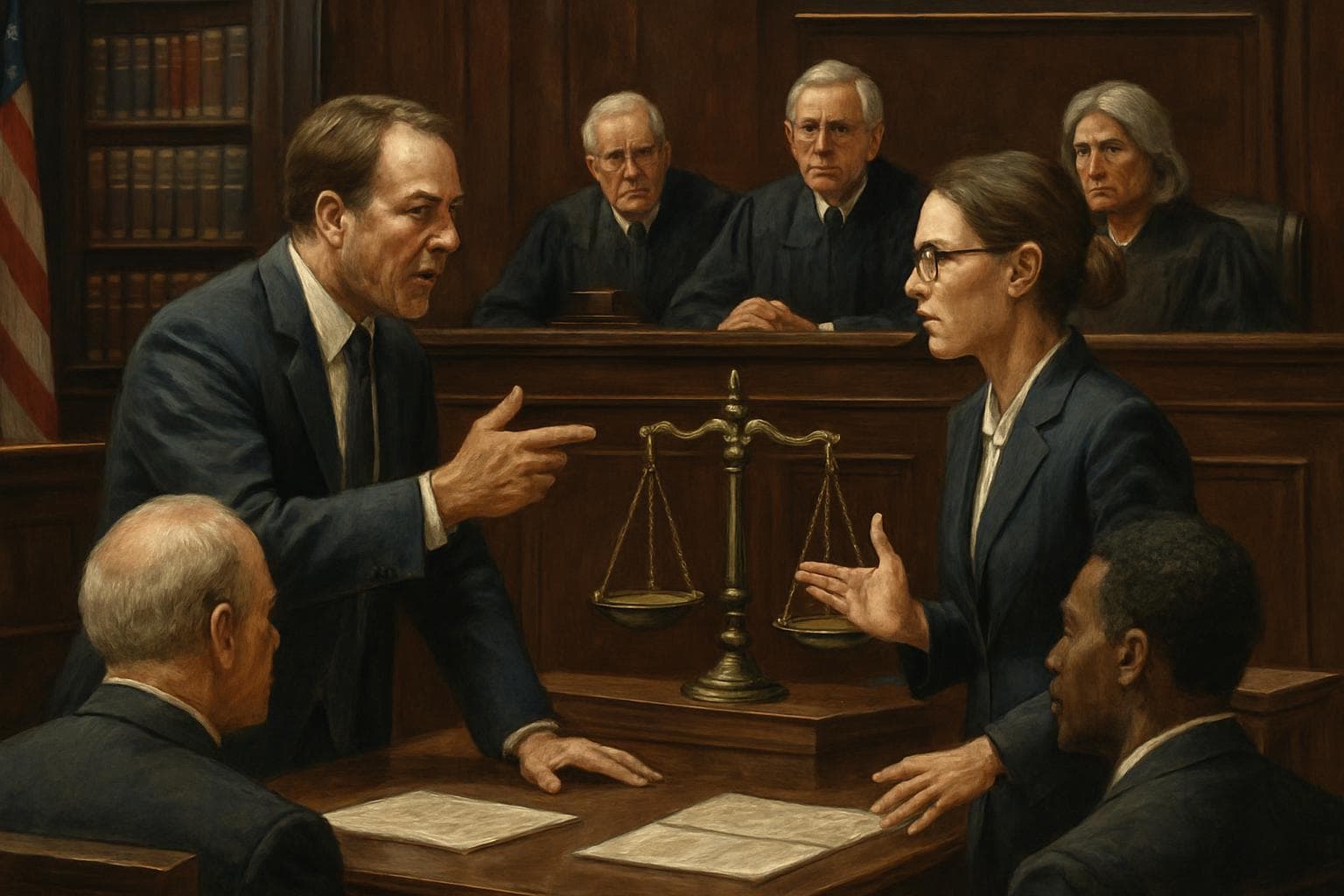
On Friday, the High Court denied a request from Palestine Action to temporarily block the ban, a decision later upheld by the Court of Appeal. Mr. Justice Chamberlain, presiding over the High Court, stated that the public interest in maintaining the order outweighed the potential harm of refusing interim relief. The Court of Appeal, led by Lady Chief Justice Sue Carr, also dismissed the appeal, emphasizing that the decision to proscribe the group was a matter for the Secretary of State, accountable to Parliament.
Implications of the Ban
The ban, effective from Saturday, criminalizes membership and support for Palestine Action, with penalties reaching up to 14 years in prison. This move places the group in the same category as organizations like Hamas and al-Qaida under the Terrorism Act 2000. The decision follows an incident at RAF Brize Norton, where the group allegedly caused £7 million in damage to military aircraft.
Criticism and Defense
The proscription has sparked significant controversy. Raza Husain KC, representing Palestine Action's co-founder Huda Ammori, described the decision as an "ill-considered" and "authoritarian abuse" of power. He argued that the group, which does not advocate violence, should not be labeled as a terrorist organization. Ammori herself criticized the lack of clarity on how the ban would be enforced, expressing concern over the implications for free speech and protest rights in the UK.
Context and Reactions
The Home Secretary, Yvette Cooper, defended the ban, citing the group's attacks on the UK defense industry as a threat to national security. The decision has been met with mixed reactions, with some viewing it as necessary for public safety, while others see it as a dangerous precedent for the treatment of non-violent protest groups.
WHAT THIS MIGHT MEAN
The ban on Palestine Action raises significant questions about the future of protest rights in the UK. Legal experts warn that this could set a precedent for the proscription of other non-violent protest groups, potentially stifling dissent. The decision may also face further legal challenges, possibly reaching the Supreme Court. Politically, the move could influence public opinion on the balance between national security and civil liberties, prompting debates on the scope of anti-terrorism laws. As the situation unfolds, the government's handling of this case will likely be scrutinized both domestically and internationally.
Images from the Web

Related Articles

UK Government to Reform Asylum Seeker Support and Employment Policies

UK Faces Dilemmas Amid Iran Conflict and China Spying Allegations
UK Reinforces Military Presence in Cyprus Amid Middle East Tensions

UK-Iran Tensions: Starmer Defends Cautious Approach Amid Trump Criticism
Persistent Safety Concerns in Nottingham Maternity Services Amidst Calls for Systemic Reform
Diplomatic Tensions Rise as Trump Criticizes Starmer's Iran Policy
Palestine Action Banned Under UK Terrorism Laws After Failed Legal Challenge
In This Article
 Ethan Brooks| Published
 HIGHLIGHTS
- Palestine Action has been officially banned under UK terrorism laws after a failed legal challenge.
- The High Court and Court of Appeal both rejected requests to temporarily block the ban.
- Supporting or being a member of Palestine Action is now a criminal offense, punishable by up to 14 years in prison.
- The ban follows significant damage to military equipment, allegedly caused by the group.
- Critics argue the ban is an authoritarian misuse of power against a non-violent protest group.
Palestine Action, a protest group known for its direct action against Israeli weapons manufacturers in the UK, has been officially banned under the country's terrorism laws. This development follows a series of legal challenges that were ultimately unsuccessful in preventing the proscription from taking effect.
Legal Challenges and Court Rulings
On Friday, the High Court denied a request from Palestine Action to temporarily block the ban, a decision later upheld by the Court of Appeal. Mr. Justice Chamberlain, presiding over the High Court, stated that the public interest in maintaining the order outweighed the potential harm of refusing interim relief. The Court of Appeal, led by Lady Chief Justice Sue Carr, also dismissed the appeal, emphasizing that the decision to proscribe the group was a matter for the Secretary of State, accountable to Parliament.
Implications of the Ban
The ban, effective from Saturday, criminalizes membership and support for Palestine Action, with penalties reaching up to 14 years in prison. This move places the group in the same category as organizations like Hamas and al-Qaida under the Terrorism Act 2000. The decision follows an incident at RAF Brize Norton, where the group allegedly caused £7 million in damage to military aircraft.
Criticism and Defense
The proscription has sparked significant controversy. Raza Husain KC, representing Palestine Action's co-founder Huda Ammori, described the decision as an "ill-considered" and "authoritarian abuse" of power. He argued that the group, which does not advocate violence, should not be labeled as a terrorist organization. Ammori herself criticized the lack of clarity on how the ban would be enforced, expressing concern over the implications for free speech and protest rights in the UK.
Context and Reactions
The Home Secretary, Yvette Cooper, defended the ban, citing the group's attacks on the UK defense industry as a threat to national security. The decision has been met with mixed reactions, with some viewing it as necessary for public safety, while others see it as a dangerous precedent for the treatment of non-violent protest groups.
WHAT THIS MIGHT MEAN
The ban on Palestine Action raises significant questions about the future of protest rights in the UK. Legal experts warn that this could set a precedent for the proscription of other non-violent protest groups, potentially stifling dissent. The decision may also face further legal challenges, possibly reaching the Supreme Court. Politically, the move could influence public opinion on the balance between national security and civil liberties, prompting debates on the scope of anti-terrorism laws. As the situation unfolds, the government's handling of this case will likely be scrutinized both domestically and internationally.
Images from the Web
Related Articles
UK Government to Reform Asylum Seeker Support and Employment Policies
UK Faces Dilemmas Amid Iran Conflict and China Spying Allegations
UK Reinforces Military Presence in Cyprus Amid Middle East Tensions
UK-Iran Tensions: Starmer Defends Cautious Approach Amid Trump Criticism
Persistent Safety Concerns in Nottingham Maternity Services Amidst Calls for Systemic Reform
Diplomatic Tensions Rise as Trump Criticizes Starmer's Iran Policy