
Pam Bondi Faces Intense Scrutiny Over Epstein Files at Heated Congressional Hearing
In This Article
HIGHLIGHTS
- US Attorney General Pam Bondi faced intense scrutiny over the Justice Department's handling of Jeffrey Epstein files during a heated congressional hearing.
- Bondi was criticized for the improper redaction of victims' names and the release of sensitive images, prompting calls for accountability.
- The hearing saw fiery exchanges, with Bondi clashing with Democratic lawmakers, including Pramila Jayapal and Jamie Raskin.
- The Justice Department's redaction process was questioned, with accusations of political bias and improper removal of names.
- The hearing highlighted the broader implications of the Epstein case, involving high-profile figures and potential political ramifications.
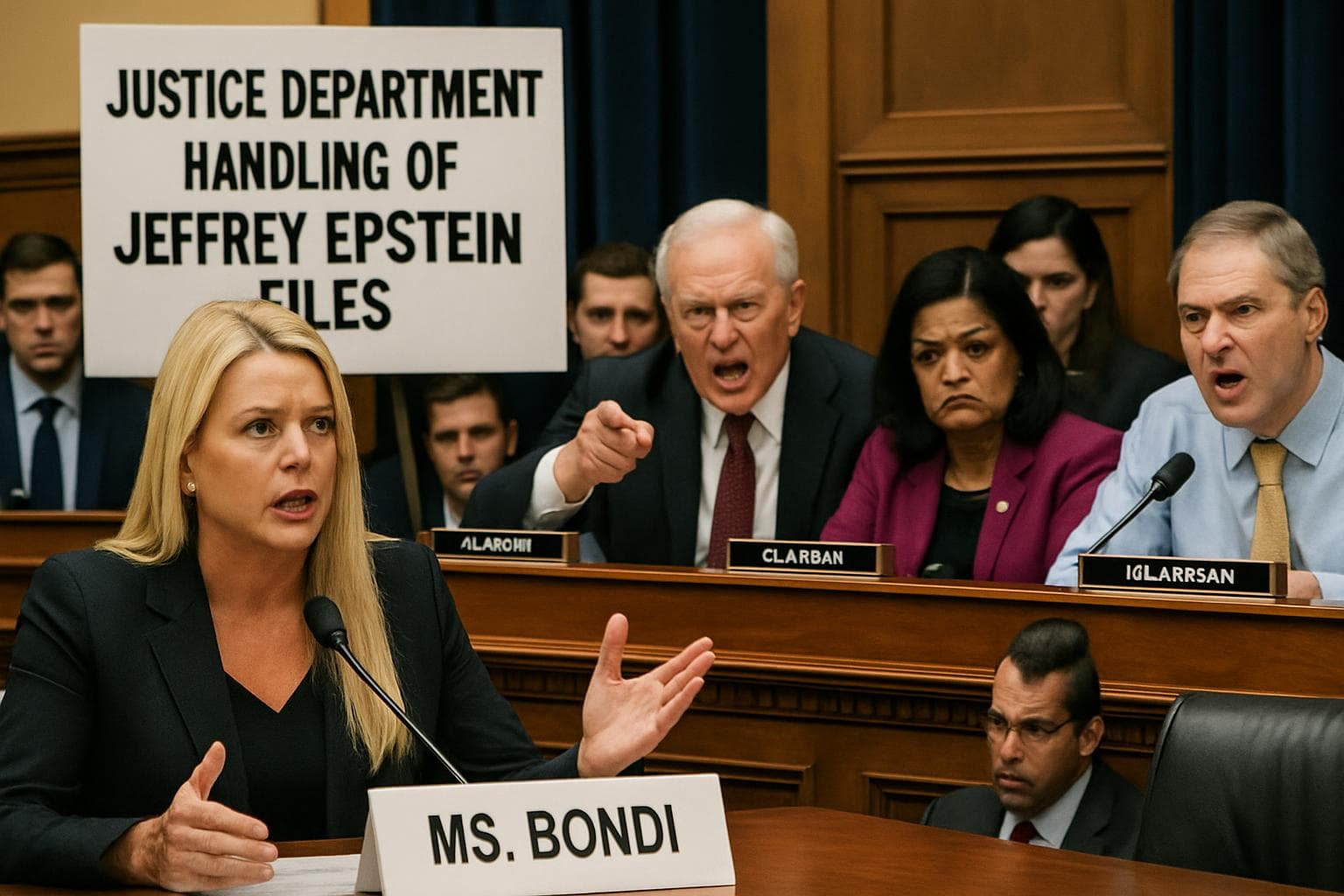
US Attorney General Pam Bondi defended the Justice Department's handling of the Jeffrey Epstein files during a contentious House Judiciary Committee hearing on Wednesday. The session, marked by fiery exchanges and accusations, centered on the department's compliance with a law mandating the release of Epstein-related documents.
Controversy Over Redactions
The hearing was a platform for lawmakers to express their dissatisfaction with the Justice Department's redaction process. Critics, including Democratic Representative Pramila Jayapal, accused the department of failing to protect the identities of Epstein's victims, some of whom were present at the hearing. Jayapal highlighted instances where sensitive images were released, prompting her to demand an apology from Bondi. However, Bondi dismissed the request, labeling Jayapal's actions as "theatrics."
Heated Exchanges and Political Tensions
Throughout the hearing, Bondi engaged in heated exchanges with several Democratic lawmakers. She notably clashed with Jamie Raskin, who accused her of using evasive tactics to avoid answering questions. Bondi retorted with personal insults, calling Raskin a "washed-up loser lawyer." The tension underscored the political divide, with Bondi accusing Democrats of targeting her due to her association with former President Donald Trump.
Broader Implications of the Epstein Case
The hearing also touched on the broader implications of the Epstein case, with lawmakers questioning the redaction of names linked to high-profile figures. Republican Thomas Massie criticized the Justice Department for its handling of the files, suggesting the issue was "bigger than Watergate." The controversy has raised questions about potential political interference and the credibility of the Justice Department.
WHAT THIS MIGHT MEAN
The fallout from the hearing could lead to increased scrutiny of the Justice Department's practices, particularly regarding document redactions. Lawmakers may push for further investigations to ensure accountability and transparency. The involvement of high-profile figures in the Epstein case could also have significant political ramifications, potentially impacting future legislative actions and public trust in the justice system. As the situation unfolds, the Justice Department may face pressure to improve its processes and restore its credibility.
Related Articles
Congress Subpoenas Attorney General Bondi in Epstein Investigation
Senate Blocks Resolution to Limit Trump's Military Actions in Iran

Tech Giants Pledge to Cover AI Data Center Energy Costs Amid Rising Electricity Concerns

Cuba Faces Widespread Blackout Amid Deepening Fuel Crisis

UK Faces Dilemmas Amid Iran Conflict and China Spying Allegations

UK-Iran Tensions: Starmer Defends Cautious Approach Amid Trump Criticism
Pam Bondi Faces Intense Scrutiny Over Epstein Files at Heated Congressional Hearing
In This Article
 Alex Carter| Published
 HIGHLIGHTS
- US Attorney General Pam Bondi faced intense scrutiny over the Justice Department's handling of Jeffrey Epstein files during a heated congressional hearing.
- Bondi was criticized for the improper redaction of victims' names and the release of sensitive images, prompting calls for accountability.
- The hearing saw fiery exchanges, with Bondi clashing with Democratic lawmakers, including Pramila Jayapal and Jamie Raskin.
- The Justice Department's redaction process was questioned, with accusations of political bias and improper removal of names.
- The hearing highlighted the broader implications of the Epstein case, involving high-profile figures and potential political ramifications.
US Attorney General Pam Bondi defended the Justice Department's handling of the Jeffrey Epstein files during a contentious House Judiciary Committee hearing on Wednesday. The session, marked by fiery exchanges and accusations, centered on the department's compliance with a law mandating the release of Epstein-related documents.
Controversy Over Redactions
The hearing was a platform for lawmakers to express their dissatisfaction with the Justice Department's redaction process. Critics, including Democratic Representative Pramila Jayapal, accused the department of failing to protect the identities of Epstein's victims, some of whom were present at the hearing. Jayapal highlighted instances where sensitive images were released, prompting her to demand an apology from Bondi. However, Bondi dismissed the request, labeling Jayapal's actions as "theatrics."
Heated Exchanges and Political Tensions
Throughout the hearing, Bondi engaged in heated exchanges with several Democratic lawmakers. She notably clashed with Jamie Raskin, who accused her of using evasive tactics to avoid answering questions. Bondi retorted with personal insults, calling Raskin a "washed-up loser lawyer." The tension underscored the political divide, with Bondi accusing Democrats of targeting her due to her association with former President Donald Trump.
Broader Implications of the Epstein Case
The hearing also touched on the broader implications of the Epstein case, with lawmakers questioning the redaction of names linked to high-profile figures. Republican Thomas Massie criticized the Justice Department for its handling of the files, suggesting the issue was "bigger than Watergate." The controversy has raised questions about potential political interference and the credibility of the Justice Department.
WHAT THIS MIGHT MEAN
The fallout from the hearing could lead to increased scrutiny of the Justice Department's practices, particularly regarding document redactions. Lawmakers may push for further investigations to ensure accountability and transparency. The involvement of high-profile figures in the Epstein case could also have significant political ramifications, potentially impacting future legislative actions and public trust in the justice system. As the situation unfolds, the Justice Department may face pressure to improve its processes and restore its credibility.
Related Articles
Congress Subpoenas Attorney General Bondi in Epstein Investigation
Senate Blocks Resolution to Limit Trump's Military Actions in Iran
Tech Giants Pledge to Cover AI Data Center Energy Costs Amid Rising Electricity Concerns
Cuba Faces Widespread Blackout Amid Deepening Fuel Crisis
UK Faces Dilemmas Amid Iran Conflict and China Spying Allegations
UK-Iran Tensions: Starmer Defends Cautious Approach Amid Trump Criticism