
Arrests at Parliament Square Protest Spark Debate Over UK Terrorism Laws
In This Article
HIGHLIGHTS
- Over 500 individuals were arrested during a protest in Parliament Square on August 9, supporting the banned group Palestine Action.
- The proscription of Palestine Action as a terrorist organization has sparked debate over free speech and the legitimacy of the ban.
- A protester was mistakenly arrested for wearing a "Plasticine Action" T-shirt, highlighting potential overreach in enforcing terrorism laws.
- The High Court is set to hear a challenge against the proscription of Palestine Action in November.
- The Liberal Democrats have called for a review of the terrorism law, citing concerns over its impact on free speech.
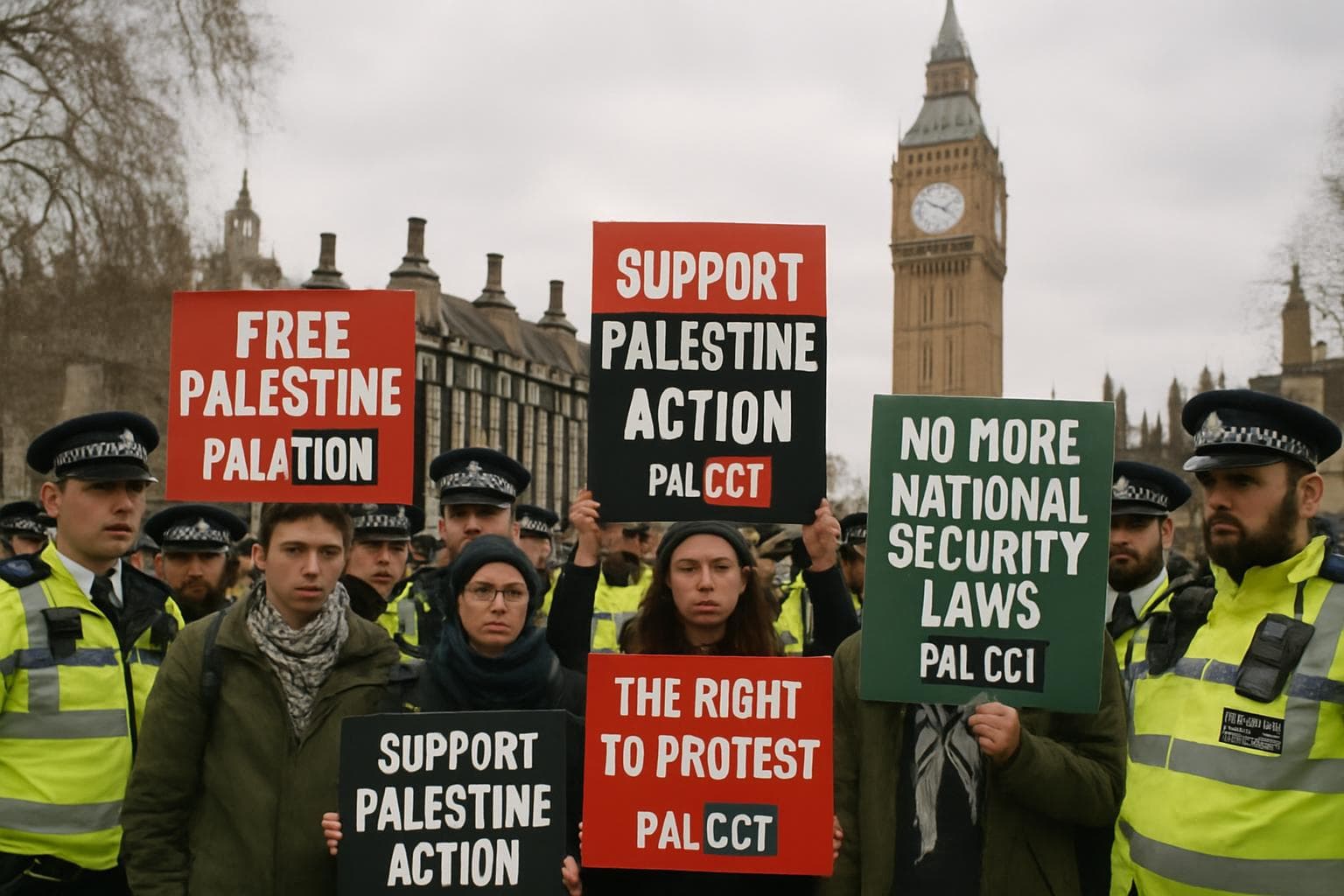
A protest in Parliament Square on August 9 resulted in the arrest of over 500 individuals, reigniting discussions on the balance between national security and free speech in the UK. The demonstration, which saw participants express support for the proscribed group Palestine Action, has raised questions about the legitimacy of the ban and its implications for civil liberties.
Proscription and Legal Context
Palestine Action was designated a terrorist organization in July, making any support for the group a criminal offense punishable by up to 14 years in prison. The decision followed the group's claim of responsibility for £7 million in damages to military jets at RAF Brize Norton. Home Secretary Yvette Cooper defended the proscription, citing the group's involvement in violent activities and significant criminal damage. However, critics argue that the ban stifles free speech and protest rights.
Protest and Arrests
Among those arrested was Paddy Friend, a 25-year-old law student, who acknowledged the potential career repercussions of his actions. "I felt I had to do this," Friend stated, emphasizing his belief in the illegitimacy of the proscription. The protest saw participants holding placards with messages opposing genocide and supporting Palestine Action, deliberately challenging the ban.
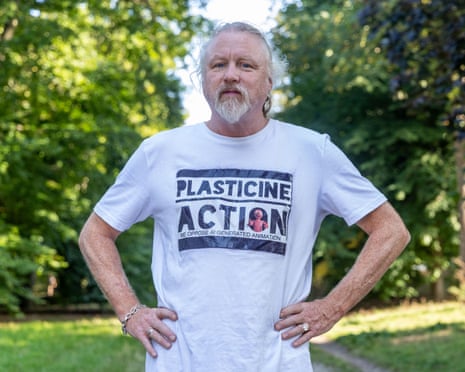
In a separate incident, Miles Pickering, a Brighton engineer, was mistakenly arrested for wearing a "Plasticine Action" T-shirt, which parodied the banned group's logo. The arrest, later reversed, underscored concerns about the enforcement of terrorism laws. Pickering's T-shirt, intended as a satirical statement, has since gained international attention, with proceeds from its sales supporting Medical Aid for Palestinians.
Calls for Legal Review
The Liberal Democrats have called for a review of the terrorism law used to arrest Palestine Action supporters, warning of its potential "chilling effect" on free speech. The Met Police, meanwhile, continue to process the case files of those arrested, with Commissioner Sir Mark Rowley emphasizing the swift legal response to the protest.
WHAT THIS MIGHT MEAN
The upcoming High Court hearing in November will be pivotal in determining the future of Palestine Action's proscription. A ruling in favor of the group could set a precedent for challenging similar bans, potentially reshaping the legal landscape for protest groups in the UK. Conversely, upholding the proscription may reinforce the government's stance on national security, albeit at the risk of further criticism over free speech restrictions.
Legal experts and civil rights advocates will closely monitor the case, as its outcome could influence future legislation and the balance between security and civil liberties. The debate underscores the ongoing tension between maintaining public safety and protecting democratic freedoms in an era of heightened security concerns.
Images from the Web
Related Articles

UK Government to Reform Asylum Seeker Support and Employment Policies

UK Faces Dilemmas Amid Iran Conflict and China Spying Allegations
UK Reinforces Military Presence in Cyprus Amid Middle East Tensions

UK-Iran Tensions: Starmer Defends Cautious Approach Amid Trump Criticism
Persistent Safety Concerns in Nottingham Maternity Services Amidst Calls for Systemic Reform
Diplomatic Tensions Rise as Trump Criticizes Starmer's Iran Policy
Arrests at Parliament Square Protest Spark Debate Over UK Terrorism Laws
In This Article
 Ethan Brooks| Published
 HIGHLIGHTS
- Over 500 individuals were arrested during a protest in Parliament Square on August 9, supporting the banned group Palestine Action.
- The proscription of Palestine Action as a terrorist organization has sparked debate over free speech and the legitimacy of the ban.
- A protester was mistakenly arrested for wearing a "Plasticine Action" T-shirt, highlighting potential overreach in enforcing terrorism laws.
- The High Court is set to hear a challenge against the proscription of Palestine Action in November.
- The Liberal Democrats have called for a review of the terrorism law, citing concerns over its impact on free speech.
A protest in Parliament Square on August 9 resulted in the arrest of over 500 individuals, reigniting discussions on the balance between national security and free speech in the UK. The demonstration, which saw participants express support for the proscribed group Palestine Action, has raised questions about the legitimacy of the ban and its implications for civil liberties.
Proscription and Legal Context
Palestine Action was designated a terrorist organization in July, making any support for the group a criminal offense punishable by up to 14 years in prison. The decision followed the group's claim of responsibility for £7 million in damages to military jets at RAF Brize Norton. Home Secretary Yvette Cooper defended the proscription, citing the group's involvement in violent activities and significant criminal damage. However, critics argue that the ban stifles free speech and protest rights.
Protest and Arrests
Among those arrested was Paddy Friend, a 25-year-old law student, who acknowledged the potential career repercussions of his actions. "I felt I had to do this," Friend stated, emphasizing his belief in the illegitimacy of the proscription. The protest saw participants holding placards with messages opposing genocide and supporting Palestine Action, deliberately challenging the ban.
In a separate incident, Miles Pickering, a Brighton engineer, was mistakenly arrested for wearing a "Plasticine Action" T-shirt, which parodied the banned group's logo. The arrest, later reversed, underscored concerns about the enforcement of terrorism laws. Pickering's T-shirt, intended as a satirical statement, has since gained international attention, with proceeds from its sales supporting Medical Aid for Palestinians.
Calls for Legal Review
The Liberal Democrats have called for a review of the terrorism law used to arrest Palestine Action supporters, warning of its potential "chilling effect" on free speech. The Met Police, meanwhile, continue to process the case files of those arrested, with Commissioner Sir Mark Rowley emphasizing the swift legal response to the protest.
WHAT THIS MIGHT MEAN
The upcoming High Court hearing in November will be pivotal in determining the future of Palestine Action's proscription. A ruling in favor of the group could set a precedent for challenging similar bans, potentially reshaping the legal landscape for protest groups in the UK. Conversely, upholding the proscription may reinforce the government's stance on national security, albeit at the risk of further criticism over free speech restrictions.
Legal experts and civil rights advocates will closely monitor the case, as its outcome could influence future legislation and the balance between security and civil liberties. The debate underscores the ongoing tension between maintaining public safety and protecting democratic freedoms in an era of heightened security concerns.
Images from the Web
Related Articles
UK Government to Reform Asylum Seeker Support and Employment Policies
UK Faces Dilemmas Amid Iran Conflict and China Spying Allegations
UK Reinforces Military Presence in Cyprus Amid Middle East Tensions
UK-Iran Tensions: Starmer Defends Cautious Approach Amid Trump Criticism
Persistent Safety Concerns in Nottingham Maternity Services Amidst Calls for Systemic Reform
Diplomatic Tensions Rise as Trump Criticizes Starmer's Iran Policy