
Pope Leo XIV Calls for Peace in Lebanon Amid Regional Tensions
In This Article
HIGHLIGHTS
- Pope Leo XIV visited Lebanon amid ongoing Israeli airstrikes, urging peace as a priority for the region.
- During his first foreign trip, Pope Leo emphasized the need for a Palestinian state and condemned violence justified by religion.
- In Beirut, he addressed Lebanese leaders, stressing the importance of reconciliation and encouraging citizens to remain in their homeland.
- The Pope's visit follows a four-day trip to Turkey, where he criticized global conflicts and the misuse of religion for violence.
- Lebanon, with its significant Christian population, faces challenges from regional conflicts and a severe economic crisis.
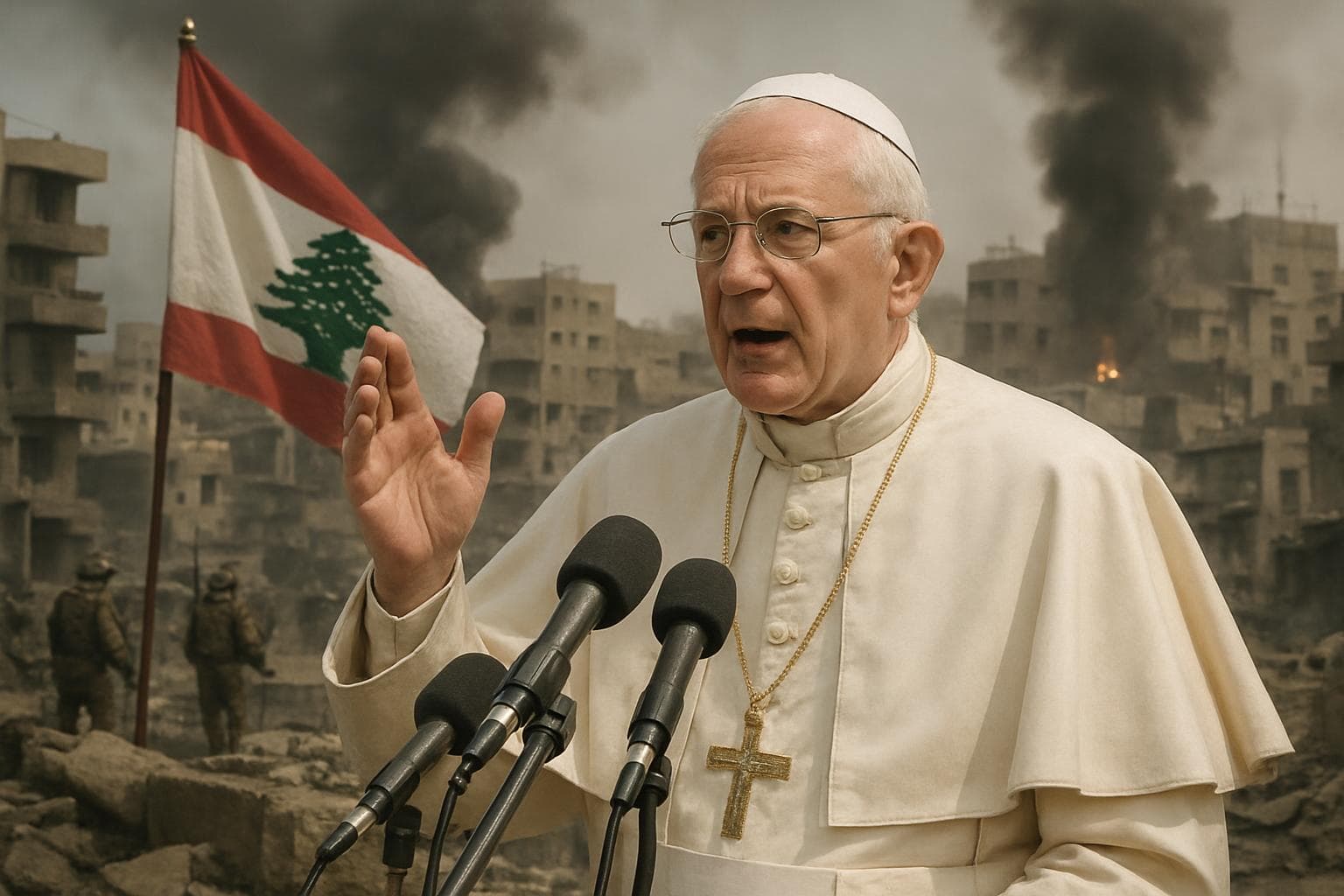
Pope Leo XIV has embarked on his first foreign journey as the head of the Catholic Church, choosing Lebanon as a significant stop amid the backdrop of Israeli airstrikes. Arriving in Beirut, the Pope made a compelling appeal to Lebanese political leaders to prioritize peace in a region fraught with conflict and uncertainty.
A Call for Reconciliation and Stability
Addressing a gathering of politicians and religious leaders at the presidential palace, Pope Leo reiterated the words of Jesus, "Blessed are the peacemakers," urging Lebanon to continue its peace efforts despite the complex regional situation. His speech, attended by President Joseph Aoun and Prime Minister Nawaf Salam, emphasized the necessity of reconciliation, a process largely neglected since Lebanon's civil war ended in 1990.
The Pope encouraged Lebanese citizens to resist the urge to emigrate, acknowledging the courage required to remain and rebuild their nation. "It takes real courage and foresight to stay or return to one’s own country," he stated, urging leaders to serve their people with dedication.
Condemnation of Violence and Advocacy for a Palestinian State
Prior to his arrival in Lebanon, Pope Leo spent four days in Turkey, where he condemned the use of religion to justify violence and warned of the dire consequences of ongoing global conflicts. Standing alongside Turkey's President Recep Tayyip Erdogan, he criticized powerful nations for exacerbating conflicts through economic and military dominance.
On the flight to Beirut, Pope Leo addressed the Israeli-Palestinian conflict, advocating for a solution that includes the establishment of a Palestinian state. His statements reflect a commitment to addressing long-standing issues in the Middle East, where religious and political tensions continue to simmer.
A Region in Crisis
Lebanon, home to the largest Christian population in the Middle East, is grappling with the spillover effects of the war in Gaza and the ongoing conflict between Israel and Hezbollah. The nation also faces a severe economic crisis and hosts over a million Syrian and Palestinian refugees, adding to its challenges.
The Pope's visit has been met with hope and anticipation, with crowds lining the streets to welcome him. Randa Sahyoun, a Lebanese expatriate who returned for the visit, expressed her desire for the Pope to inspire peace among politicians, saying, "We want him to plant peace in the hearts of politicians so that we can live a comfortable life in Lebanon."
WHAT THIS MIGHT MEAN
Pope Leo XIV's visit to Lebanon could serve as a catalyst for renewed peace efforts in the region. His emphasis on reconciliation and dialogue may encourage Lebanese leaders to address internal divisions and work towards stability. However, the ongoing Israeli-Hezbollah tensions and the broader Middle East conflict pose significant challenges to achieving lasting peace.
The Pope's advocacy for a Palestinian state might influence international discourse, potentially prompting renewed diplomatic efforts. Yet, the complex geopolitical landscape requires careful navigation to avoid exacerbating existing tensions. As Lebanon continues to face economic hardships, the Pope's call for citizens to remain and rebuild could inspire a sense of resilience and hope for the future.
Related Articles
Israeli Airstrikes in Lebanon's Bekaa Valley Leave 10 Dead Amid Rising Tensions
Hamas Leadership Vote Amidst Critical Crossroads for the Movement
US Ambassador's Biblical Land Remarks Spark Outcry from Arab Nations
Trump's Board of Peace Pledges $7 Billion for Gaza Amidst International Skepticism

Middle East Conflict Drives UK Energy Prices to New Highs
US and Israel Intensify Military Campaign as Iran's Capabilities Dwindle
Pope Leo XIV Calls for Peace in Lebanon Amid Regional Tensions
In This Article
 James Okoro| Published
 HIGHLIGHTS
- Pope Leo XIV visited Lebanon amid ongoing Israeli airstrikes, urging peace as a priority for the region.
- During his first foreign trip, Pope Leo emphasized the need for a Palestinian state and condemned violence justified by religion.
- In Beirut, he addressed Lebanese leaders, stressing the importance of reconciliation and encouraging citizens to remain in their homeland.
- The Pope's visit follows a four-day trip to Turkey, where he criticized global conflicts and the misuse of religion for violence.
- Lebanon, with its significant Christian population, faces challenges from regional conflicts and a severe economic crisis.
Pope Leo XIV has embarked on his first foreign journey as the head of the Catholic Church, choosing Lebanon as a significant stop amid the backdrop of Israeli airstrikes. Arriving in Beirut, the Pope made a compelling appeal to Lebanese political leaders to prioritize peace in a region fraught with conflict and uncertainty.
A Call for Reconciliation and Stability
Addressing a gathering of politicians and religious leaders at the presidential palace, Pope Leo reiterated the words of Jesus, "Blessed are the peacemakers," urging Lebanon to continue its peace efforts despite the complex regional situation. His speech, attended by President Joseph Aoun and Prime Minister Nawaf Salam, emphasized the necessity of reconciliation, a process largely neglected since Lebanon's civil war ended in 1990.
The Pope encouraged Lebanese citizens to resist the urge to emigrate, acknowledging the courage required to remain and rebuild their nation. "It takes real courage and foresight to stay or return to one’s own country," he stated, urging leaders to serve their people with dedication.
Condemnation of Violence and Advocacy for a Palestinian State
Prior to his arrival in Lebanon, Pope Leo spent four days in Turkey, where he condemned the use of religion to justify violence and warned of the dire consequences of ongoing global conflicts. Standing alongside Turkey's President Recep Tayyip Erdogan, he criticized powerful nations for exacerbating conflicts through economic and military dominance.
On the flight to Beirut, Pope Leo addressed the Israeli-Palestinian conflict, advocating for a solution that includes the establishment of a Palestinian state. His statements reflect a commitment to addressing long-standing issues in the Middle East, where religious and political tensions continue to simmer.
A Region in Crisis
Lebanon, home to the largest Christian population in the Middle East, is grappling with the spillover effects of the war in Gaza and the ongoing conflict between Israel and Hezbollah. The nation also faces a severe economic crisis and hosts over a million Syrian and Palestinian refugees, adding to its challenges.
The Pope's visit has been met with hope and anticipation, with crowds lining the streets to welcome him. Randa Sahyoun, a Lebanese expatriate who returned for the visit, expressed her desire for the Pope to inspire peace among politicians, saying, "We want him to plant peace in the hearts of politicians so that we can live a comfortable life in Lebanon."
WHAT THIS MIGHT MEAN
Pope Leo XIV's visit to Lebanon could serve as a catalyst for renewed peace efforts in the region. His emphasis on reconciliation and dialogue may encourage Lebanese leaders to address internal divisions and work towards stability. However, the ongoing Israeli-Hezbollah tensions and the broader Middle East conflict pose significant challenges to achieving lasting peace.
The Pope's advocacy for a Palestinian state might influence international discourse, potentially prompting renewed diplomatic efforts. Yet, the complex geopolitical landscape requires careful navigation to avoid exacerbating existing tensions. As Lebanon continues to face economic hardships, the Pope's call for citizens to remain and rebuild could inspire a sense of resilience and hope for the future.
Related Articles
Israeli Airstrikes in Lebanon's Bekaa Valley Leave 10 Dead Amid Rising Tensions
Hamas Leadership Vote Amidst Critical Crossroads for the Movement
US Ambassador's Biblical Land Remarks Spark Outcry from Arab Nations
Trump's Board of Peace Pledges $7 Billion for Gaza Amidst International Skepticism
Middle East Conflict Drives UK Energy Prices to New Highs
US and Israel Intensify Military Campaign as Iran's Capabilities Dwindle