
Rachel Reeves Prepares for Potential Tax Rises in Upcoming Budget
In This Article
HIGHLIGHTS
- Chancellor Rachel Reeves is preparing a budget that may include tax rises, potentially breaking Labour's election promise.
- The budget announcement is set for 26 November, with debates and votes to follow over four days.
- UK borrowing costs have risen, with the UK leading the G7 in 30-year sovereign borrowing costs at 5.17%.
- Reeves' budget aims to address a £22bn financial shortfall, with potential tax changes on income, National Insurance, and overseas retailers.
- Prime Minister Keir Starmer emphasizes a "Labour budget" that rejects austerity while protecting the NHS and easing the cost of living.
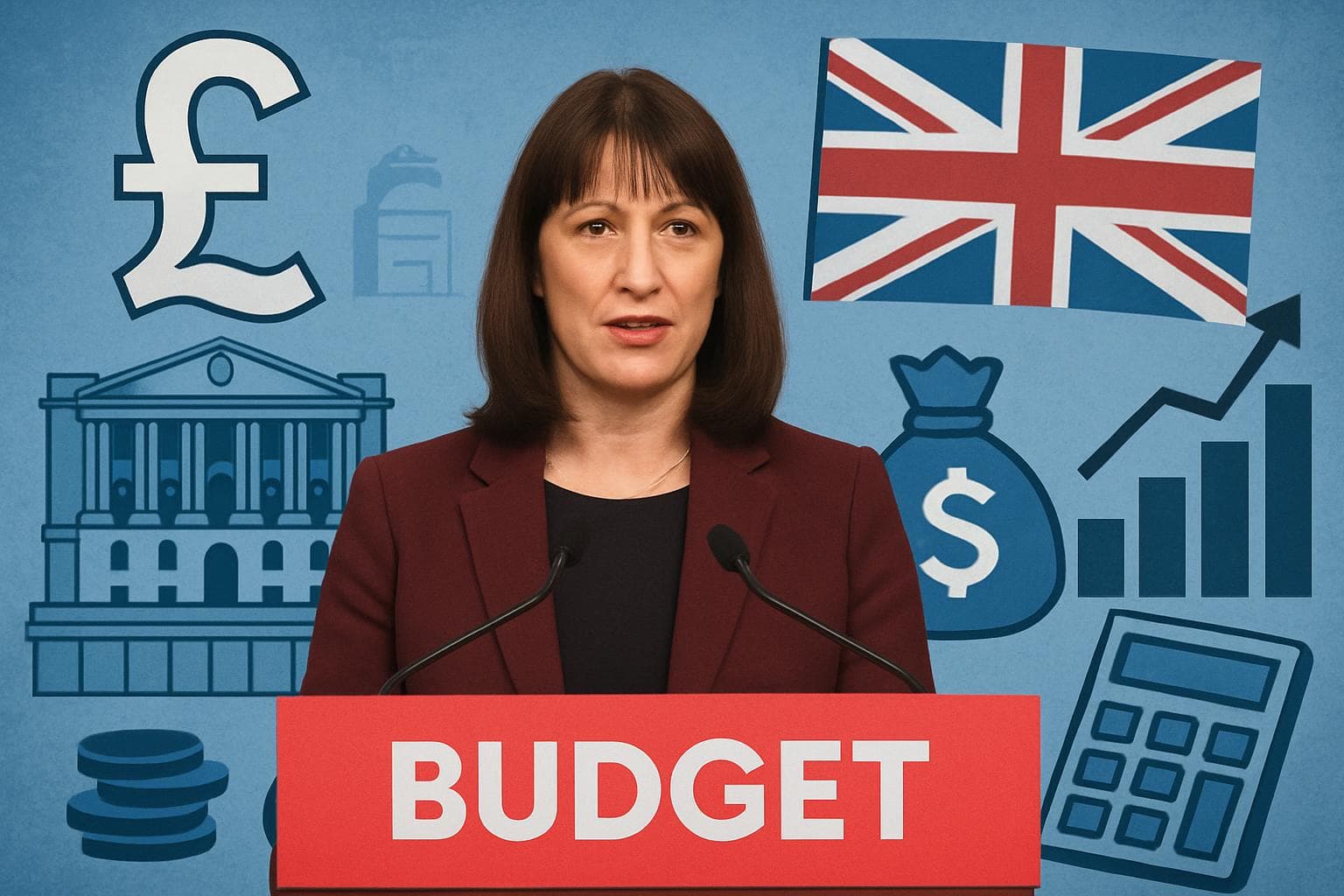
Chancellor Rachel Reeves is poised to deliver a budget that could see tax increases, potentially breaking Labour's election manifesto promise not to raise income tax, VAT, or National Insurance. The budget announcement is scheduled for 26 November, with parliamentary debates and votes to follow over the subsequent four days.
Addressing Financial Shortfalls
The Institute for Fiscal Studies (IFS) has highlighted a £22bn shortfall in the government's finances, suggesting that Reeves will likely need to raise taxes to bridge this gap. While Labour had pledged not to increase certain taxes, the chancellor has not ruled out other tax changes, including higher levies on gambling firms and overseas retailers. Reeves emphasized the necessity of making "tough but fair" decisions to stabilize public finances.
Rising Borrowing Costs
The UK's borrowing costs have surged, with the country now holding the highest 30-year sovereign borrowing costs in the G7 at 5.17%. Analysts attribute this to persistent inflation and the Bank of England's rapid sale of sovereign bonds. The legacy of the 2022 mini-budget under Liz Truss and political challenges in reducing spending are also considered contributing factors.
Political and Economic Context
Prime Minister Keir Starmer has framed the upcoming budget as a "Labour budget built on Labour values," aiming to protect the NHS, reduce debt, and ease the cost of living. Despite potential backlash from Labour MPs over breaking manifesto promises, Starmer and Reeves are committed to rejecting austerity. The budget may include measures to cut VAT on domestic energy bills and address the two-child benefits cap.
WHAT THIS MIGHT MEAN
As the budget announcement approaches, the potential for tax rises could lead to significant political ramifications for the Labour Party. Breaking a key manifesto promise might strain relations within the party and with voters. However, the focus on protecting public services and addressing the cost of living may mitigate some backlash.
Economically, the budget's impact will depend on how effectively it addresses the financial shortfall and manages borrowing costs. If successful, it could stabilize the UK's fiscal position and foster economic optimism. However, failure to meet these challenges could lead to prolonged financial instability and political fallout.
Related Articles

Middle East Conflict Drives UK Energy Prices to New Highs

UK Government to Reform Asylum Seeker Support and Employment Policies

UK Faces Dilemmas Amid Iran Conflict and China Spying Allegations

UK-Iran Tensions: Starmer Defends Cautious Approach Amid Trump Criticism
Persistent Safety Concerns in Nottingham Maternity Services Amidst Calls for Systemic Reform

Diplomatic Tensions Rise as Trump Criticizes Starmer's Iran Policy
Rachel Reeves Prepares for Potential Tax Rises in Upcoming Budget
In This Article
 Daniel Rivera| Published
 HIGHLIGHTS
- Chancellor Rachel Reeves is preparing a budget that may include tax rises, potentially breaking Labour's election promise.
- The budget announcement is set for 26 November, with debates and votes to follow over four days.
- UK borrowing costs have risen, with the UK leading the G7 in 30-year sovereign borrowing costs at 5.17%.
- Reeves' budget aims to address a £22bn financial shortfall, with potential tax changes on income, National Insurance, and overseas retailers.
- Prime Minister Keir Starmer emphasizes a "Labour budget" that rejects austerity while protecting the NHS and easing the cost of living.
Chancellor Rachel Reeves is poised to deliver a budget that could see tax increases, potentially breaking Labour's election manifesto promise not to raise income tax, VAT, or National Insurance. The budget announcement is scheduled for 26 November, with parliamentary debates and votes to follow over the subsequent four days.
Addressing Financial Shortfalls
The Institute for Fiscal Studies (IFS) has highlighted a £22bn shortfall in the government's finances, suggesting that Reeves will likely need to raise taxes to bridge this gap. While Labour had pledged not to increase certain taxes, the chancellor has not ruled out other tax changes, including higher levies on gambling firms and overseas retailers. Reeves emphasized the necessity of making "tough but fair" decisions to stabilize public finances.
Rising Borrowing Costs
The UK's borrowing costs have surged, with the country now holding the highest 30-year sovereign borrowing costs in the G7 at 5.17%. Analysts attribute this to persistent inflation and the Bank of England's rapid sale of sovereign bonds. The legacy of the 2022 mini-budget under Liz Truss and political challenges in reducing spending are also considered contributing factors.
Political and Economic Context
Prime Minister Keir Starmer has framed the upcoming budget as a "Labour budget built on Labour values," aiming to protect the NHS, reduce debt, and ease the cost of living. Despite potential backlash from Labour MPs over breaking manifesto promises, Starmer and Reeves are committed to rejecting austerity. The budget may include measures to cut VAT on domestic energy bills and address the two-child benefits cap.
WHAT THIS MIGHT MEAN
As the budget announcement approaches, the potential for tax rises could lead to significant political ramifications for the Labour Party. Breaking a key manifesto promise might strain relations within the party and with voters. However, the focus on protecting public services and addressing the cost of living may mitigate some backlash.
Economically, the budget's impact will depend on how effectively it addresses the financial shortfall and manages borrowing costs. If successful, it could stabilize the UK's fiscal position and foster economic optimism. However, failure to meet these challenges could lead to prolonged financial instability and political fallout.
Related Articles
Middle East Conflict Drives UK Energy Prices to New Highs
UK Government to Reform Asylum Seeker Support and Employment Policies
UK Faces Dilemmas Amid Iran Conflict and China Spying Allegations
UK-Iran Tensions: Starmer Defends Cautious Approach Amid Trump Criticism
Persistent Safety Concerns in Nottingham Maternity Services Amidst Calls for Systemic Reform
Diplomatic Tensions Rise as Trump Criticizes Starmer's Iran Policy