
Russia Escalates Attacks on Odesa Amid Ongoing Peace Talks
In This Article
HIGHLIGHTS
- Russia has intensified attacks on Odesa, targeting port and energy infrastructure, causing power outages and casualties.
- Ukrainian Deputy Prime Minister Oleksiy Kuleba highlighted Russia's systematic attempts to disrupt maritime logistics.
- A Russian general, Lt Gen Fanil Sarvarov, was killed in a car bombing in Moscow, suspected to be linked to Ukrainian intelligence.
- Emergency power outages have been implemented across Ukraine, with restoration efforts underway amid freezing conditions.
- US-led peace talks continue, with both sides expressing cautious optimism but no significant breakthroughs reported.
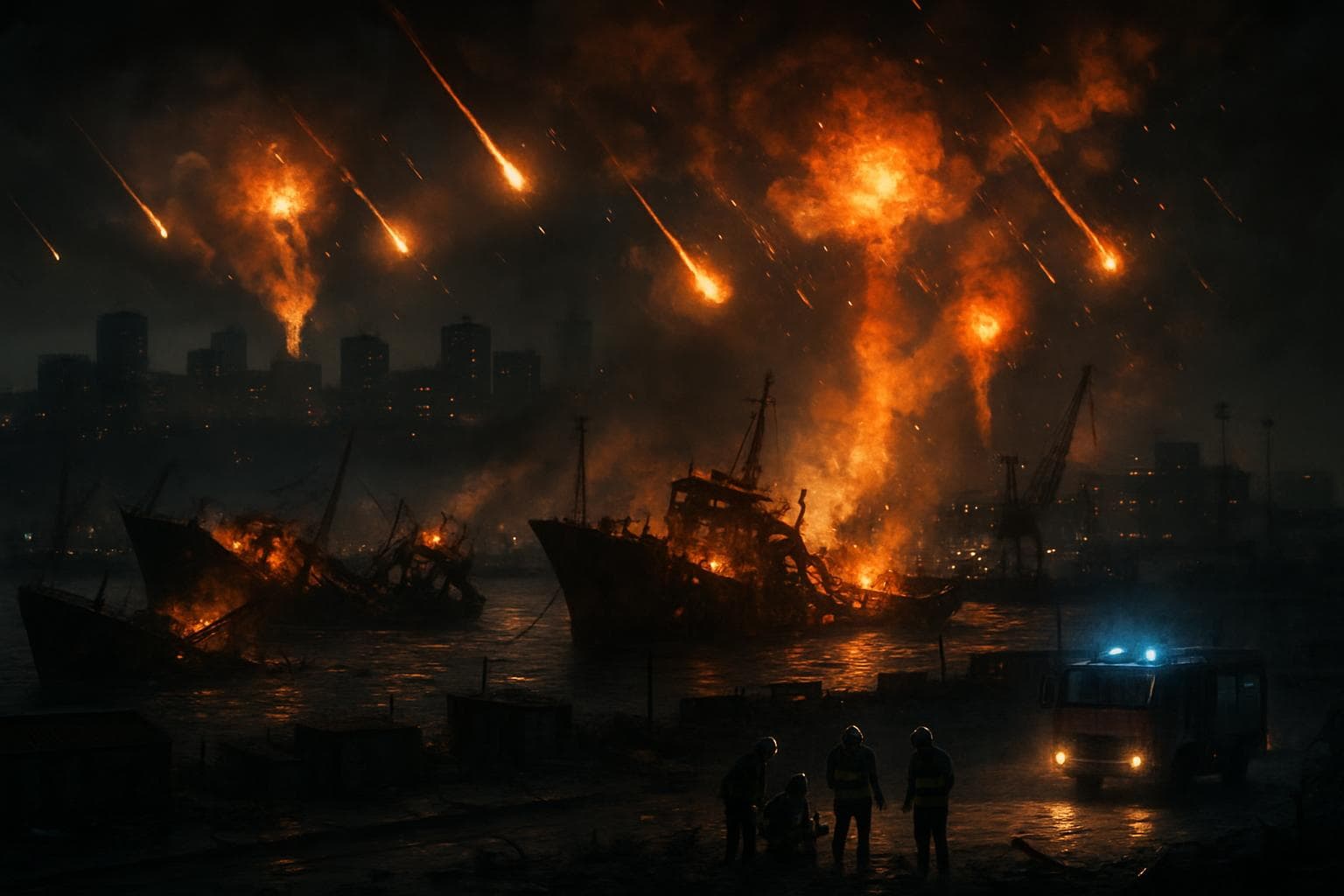
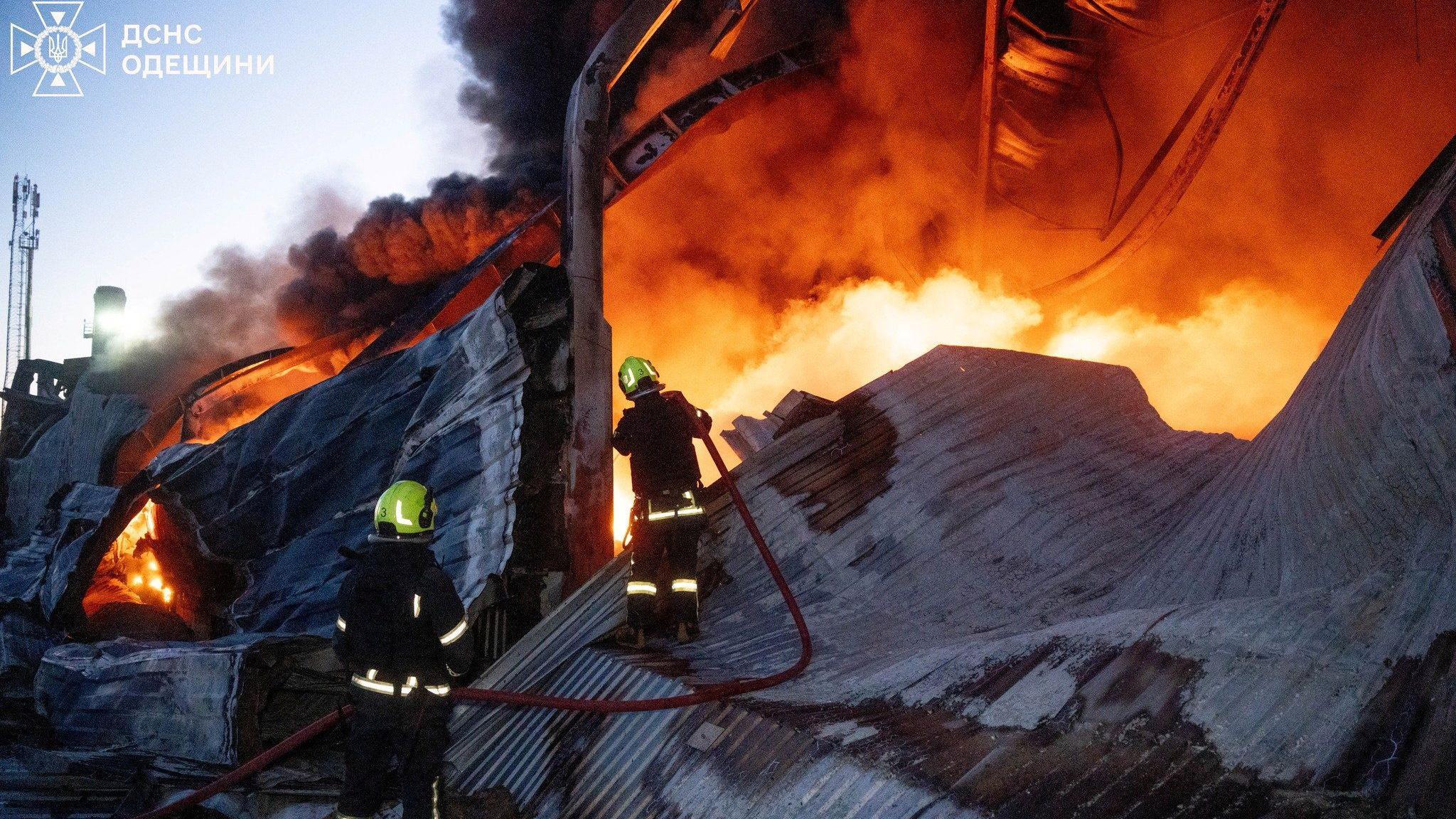
Russia has ramped up its military offensive against the southern Ukrainian region of Odesa, launching a series of strikes that have severely impacted the region's port and energy infrastructure. The attacks have led to widespread power outages and have further strained Ukraine's maritime logistics, a critical component of its economy.
Intensified Strikes on Odesa
Ukrainian Deputy Prime Minister Oleksiy Kuleba has accused Moscow of conducting "systematic" attacks on Odesa, aiming to block Ukraine's access to crucial maritime routes. The region, which serves as a vital export hub for Ukrainian grain, has been under relentless assault, with recent strikes damaging port facilities and civilian vessels. The regional governor reported that emergency crews are working to manage the aftermath, though no casualties were reported in the latest incidents.
Impact on Ukraine's Energy Sector
The attacks have not only targeted maritime infrastructure but have also severely disrupted the energy sector. Emergency power outages have been enforced across several regions, including Kyiv, as temperatures plummet. Ukrenergo, the national energy company, has assured that restoration efforts will commence as soon as safety permits, urging citizens to conserve electricity.
Assassination of Russian General
In a separate development, Lt Gen Fanil Sarvarov, a high-ranking Russian military official, was killed in a car bombing in Moscow. Russian authorities suspect Ukrainian special services may be behind the attack, though Ukraine has not commented. This incident marks the third assassination of a military official in Moscow within a year, escalating tensions further.
Ongoing Peace Negotiations
Amid the escalating conflict, US-led peace talks continue, with both Ukrainian and Russian delegations meeting in Miami. While US President Donald Trump's special envoy, Steve Witkoff, described the discussions as "productive," no substantial progress has been made. Ukrainian President Volodymyr Zelensky expressed cautious optimism, noting that while the US proposals align with many of Kyiv's demands, significant hurdles remain.
WHAT THIS MIGHT MEAN
The intensification of Russian attacks on Odesa could further destabilize Ukraine's economy, particularly its grain exports, which are crucial for global food supply. The assassination of Lt Gen Fanil Sarvarov may lead to increased security measures within Russia and potentially provoke retaliatory actions. As peace talks continue, the lack of a decisive breakthrough suggests that the conflict may persist, with both sides needing to make significant concessions to reach a resolution. The international community's role in mediating and applying pressure on Russia could be pivotal in shaping the conflict's trajectory.
Images from the Web
Related Articles

Tech Giants Pledge to Cover AI Data Center Energy Costs Amid Rising Electricity Concerns
Russian LNG Tanker Sinks in Mediterranean Amid Accusations of Ukrainian Drone Attack

UK-Iran Tensions: Starmer Defends Cautious Approach Amid Trump Criticism

Diplomatic Tensions Rise as Trump Criticizes Starmer's Iran Policy

Canada and Australia Forge Strategic Partnership Amid Global Uncertainty

Congress Subpoenas Attorney General Bondi in Epstein Investigation
Russia Escalates Attacks on Odesa Amid Ongoing Peace Talks
In This Article
 Alex Carter| Published
 HIGHLIGHTS
- Russia has intensified attacks on Odesa, targeting port and energy infrastructure, causing power outages and casualties.
- Ukrainian Deputy Prime Minister Oleksiy Kuleba highlighted Russia's systematic attempts to disrupt maritime logistics.
- A Russian general, Lt Gen Fanil Sarvarov, was killed in a car bombing in Moscow, suspected to be linked to Ukrainian intelligence.
- Emergency power outages have been implemented across Ukraine, with restoration efforts underway amid freezing conditions.
- US-led peace talks continue, with both sides expressing cautious optimism but no significant breakthroughs reported.
Russia has ramped up its military offensive against the southern Ukrainian region of Odesa, launching a series of strikes that have severely impacted the region's port and energy infrastructure. The attacks have led to widespread power outages and have further strained Ukraine's maritime logistics, a critical component of its economy.
Intensified Strikes on Odesa
Ukrainian Deputy Prime Minister Oleksiy Kuleba has accused Moscow of conducting "systematic" attacks on Odesa, aiming to block Ukraine's access to crucial maritime routes. The region, which serves as a vital export hub for Ukrainian grain, has been under relentless assault, with recent strikes damaging port facilities and civilian vessels. The regional governor reported that emergency crews are working to manage the aftermath, though no casualties were reported in the latest incidents.
Impact on Ukraine's Energy Sector
The attacks have not only targeted maritime infrastructure but have also severely disrupted the energy sector. Emergency power outages have been enforced across several regions, including Kyiv, as temperatures plummet. Ukrenergo, the national energy company, has assured that restoration efforts will commence as soon as safety permits, urging citizens to conserve electricity.
Assassination of Russian General
In a separate development, Lt Gen Fanil Sarvarov, a high-ranking Russian military official, was killed in a car bombing in Moscow. Russian authorities suspect Ukrainian special services may be behind the attack, though Ukraine has not commented. This incident marks the third assassination of a military official in Moscow within a year, escalating tensions further.
Ongoing Peace Negotiations
Amid the escalating conflict, US-led peace talks continue, with both Ukrainian and Russian delegations meeting in Miami. While US President Donald Trump's special envoy, Steve Witkoff, described the discussions as "productive," no substantial progress has been made. Ukrainian President Volodymyr Zelensky expressed cautious optimism, noting that while the US proposals align with many of Kyiv's demands, significant hurdles remain.
WHAT THIS MIGHT MEAN
The intensification of Russian attacks on Odesa could further destabilize Ukraine's economy, particularly its grain exports, which are crucial for global food supply. The assassination of Lt Gen Fanil Sarvarov may lead to increased security measures within Russia and potentially provoke retaliatory actions. As peace talks continue, the lack of a decisive breakthrough suggests that the conflict may persist, with both sides needing to make significant concessions to reach a resolution. The international community's role in mediating and applying pressure on Russia could be pivotal in shaping the conflict's trajectory.
Images from the Web
Related Articles
Tech Giants Pledge to Cover AI Data Center Energy Costs Amid Rising Electricity Concerns
Russian LNG Tanker Sinks in Mediterranean Amid Accusations of Ukrainian Drone Attack
UK-Iran Tensions: Starmer Defends Cautious Approach Amid Trump Criticism
Diplomatic Tensions Rise as Trump Criticizes Starmer's Iran Policy
Canada and Australia Forge Strategic Partnership Amid Global Uncertainty
Congress Subpoenas Attorney General Bondi in Epstein Investigation