
Rwanda to Accept 250 US Migrants Amid Controversial Deportation Policy
In This Article
HIGHLIGHTS
- Rwanda has agreed to accept up to 250 migrants from the US under a deal with the Trump administration.
- The agreement allows Rwanda to approve each individual proposed for resettlement, providing them with training, healthcare, and accommodation.
- Human rights experts have raised concerns about the legality of deporting migrants to third countries where they may face risks.
- The US has been negotiating with several African countries, including South Sudan and Eswatini, to accept deported migrants.
- Rwanda's previous migrant agreement with the UK was scrapped after facing legal challenges and a change in government.
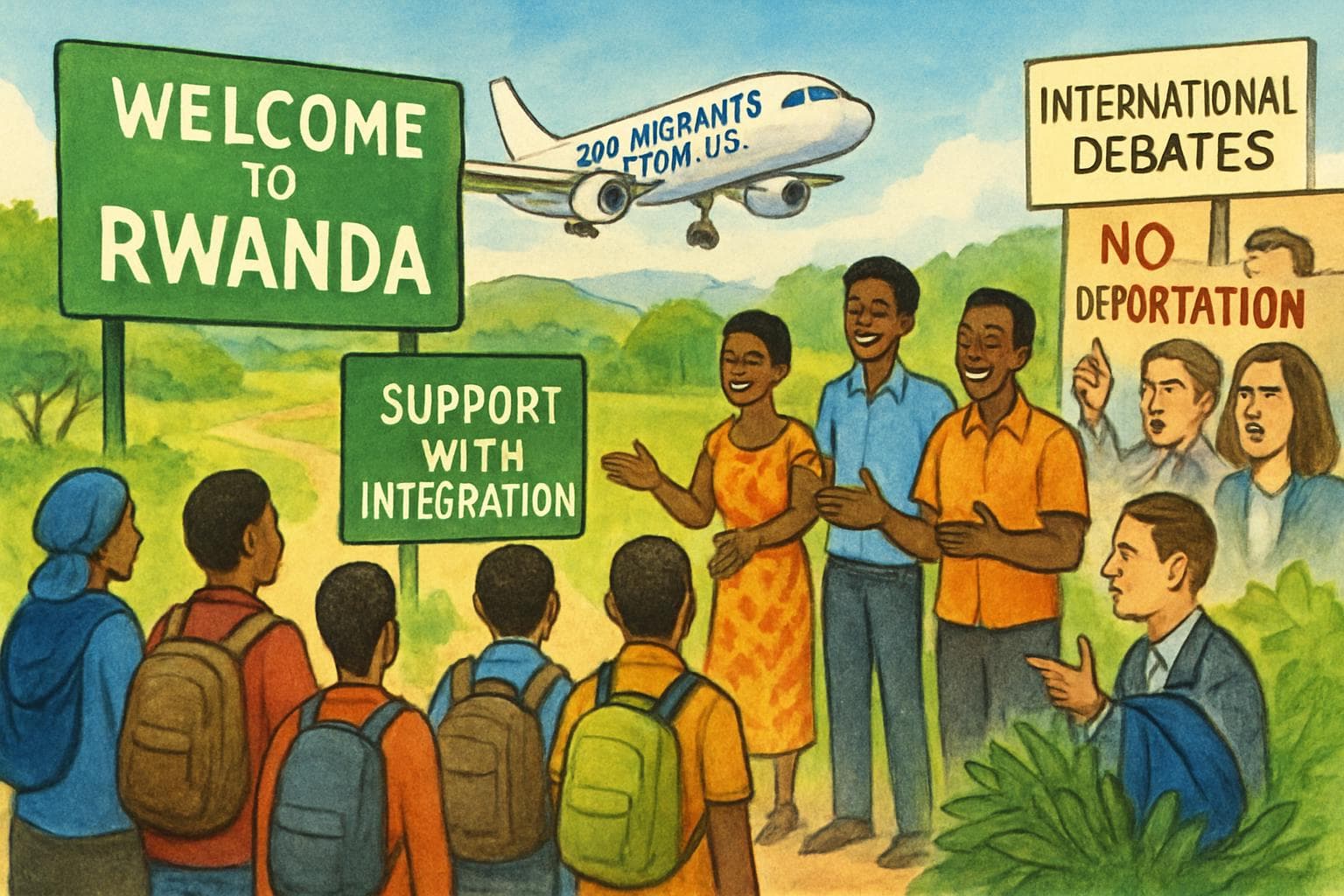
Rwanda has agreed to accept up to 250 migrants from the United States as part of a new resettlement deal with the Trump administration. This development comes amidst a broader US effort to expedite the deportation of undocumented migrants to third countries, a move that has sparked significant international debate.
Details of the Agreement
The Rwandan government, through spokesperson Yolande Makolo, confirmed the arrangement, emphasizing that each individual proposed for resettlement would be subject to approval by Rwanda. The migrants will receive workforce training, healthcare, and accommodation to help them integrate into Rwandan society. Makolo highlighted Rwanda's historical experience with displacement as a motivating factor for the agreement, stating that nearly every Rwandan family has faced such hardships.
Broader Context of US Deportation Policy
Since returning to office in January, President Donald Trump has prioritized a mass deportation initiative aimed at quickly removing undocumented migrants from the US. This policy has included negotiating with countries like South Sudan and Eswatini to accept deportees, particularly when their home countries refuse to take them back. However, the legality of these third-country deportations has been questioned by human rights experts, who warn of potential violations of international law if migrants face risks such as torture or abduction in their new host countries.
Rwanda's Migration History
Rwanda's agreement with the US follows a previously scrapped deal with the UK, which faced legal challenges and was ultimately abandoned after a change in the British government. Despite these setbacks, Rwanda has positioned itself as a stable nation willing to assist in global migration issues. The country, home to 13 million people, has been praised for its modern infrastructure but criticized for its human rights record and involvement in regional conflicts, particularly in the Democratic Republic of the Congo.
WHAT THIS MIGHT MEAN
The Rwanda-US migrant agreement could set a precedent for future third-country resettlement deals, potentially influencing global migration policies. However, the legal and ethical implications of such agreements remain contentious. If successful, this deal may encourage other nations to engage in similar arrangements, but it also risks exacerbating human rights concerns if migrants face unsafe conditions in their new host countries. As the situation develops, international scrutiny and legal challenges may shape the future of these controversial deportation policies.
Related Articles

Tech Giants Pledge to Cover AI Data Center Energy Costs Amid Rising Electricity Concerns

Cuba Faces Widespread Blackout Amid Deepening Fuel Crisis

UK Faces Dilemmas Amid Iran Conflict and China Spying Allegations

China Sets Lowest GDP Growth Target in Decades Amid Economic Challenges

Breakthrough Drug Offers Hope for Children with Severe Epilepsy

Congress Subpoenas Attorney General Bondi in Epstein Investigation
Rwanda to Accept 250 US Migrants Amid Controversial Deportation Policy
In This Article
 James Okoro| Published
 HIGHLIGHTS
- Rwanda has agreed to accept up to 250 migrants from the US under a deal with the Trump administration.
- The agreement allows Rwanda to approve each individual proposed for resettlement, providing them with training, healthcare, and accommodation.
- Human rights experts have raised concerns about the legality of deporting migrants to third countries where they may face risks.
- The US has been negotiating with several African countries, including South Sudan and Eswatini, to accept deported migrants.
- Rwanda's previous migrant agreement with the UK was scrapped after facing legal challenges and a change in government.
Rwanda has agreed to accept up to 250 migrants from the United States as part of a new resettlement deal with the Trump administration. This development comes amidst a broader US effort to expedite the deportation of undocumented migrants to third countries, a move that has sparked significant international debate.
Details of the Agreement
The Rwandan government, through spokesperson Yolande Makolo, confirmed the arrangement, emphasizing that each individual proposed for resettlement would be subject to approval by Rwanda. The migrants will receive workforce training, healthcare, and accommodation to help them integrate into Rwandan society. Makolo highlighted Rwanda's historical experience with displacement as a motivating factor for the agreement, stating that nearly every Rwandan family has faced such hardships.
Broader Context of US Deportation Policy
Since returning to office in January, President Donald Trump has prioritized a mass deportation initiative aimed at quickly removing undocumented migrants from the US. This policy has included negotiating with countries like South Sudan and Eswatini to accept deportees, particularly when their home countries refuse to take them back. However, the legality of these third-country deportations has been questioned by human rights experts, who warn of potential violations of international law if migrants face risks such as torture or abduction in their new host countries.
Rwanda's Migration History
Rwanda's agreement with the US follows a previously scrapped deal with the UK, which faced legal challenges and was ultimately abandoned after a change in the British government. Despite these setbacks, Rwanda has positioned itself as a stable nation willing to assist in global migration issues. The country, home to 13 million people, has been praised for its modern infrastructure but criticized for its human rights record and involvement in regional conflicts, particularly in the Democratic Republic of the Congo.
WHAT THIS MIGHT MEAN
The Rwanda-US migrant agreement could set a precedent for future third-country resettlement deals, potentially influencing global migration policies. However, the legal and ethical implications of such agreements remain contentious. If successful, this deal may encourage other nations to engage in similar arrangements, but it also risks exacerbating human rights concerns if migrants face unsafe conditions in their new host countries. As the situation develops, international scrutiny and legal challenges may shape the future of these controversial deportation policies.
Related Articles
Tech Giants Pledge to Cover AI Data Center Energy Costs Amid Rising Electricity Concerns
Cuba Faces Widespread Blackout Amid Deepening Fuel Crisis
UK Faces Dilemmas Amid Iran Conflict and China Spying Allegations
China Sets Lowest GDP Growth Target in Decades Amid Economic Challenges
Breakthrough Drug Offers Hope for Children with Severe Epilepsy
Congress Subpoenas Attorney General Bondi in Epstein Investigation