
Sheikh Hasina Sentenced to Death: A Turning Point in Bangladesh's Political Landscape
In This Article
HIGHLIGHTS
- Bangladesh's former Prime Minister Sheikh Hasina has been sentenced to death for crimes against humanity related to a crackdown on student protests.
- The verdict was delivered by the International Crimes Tribunal in Dhaka, with Hasina tried in absentia as she resides in India.
- The trial has strained India-Bangladesh relations, with Dhaka requesting Hasina's extradition, which India has not yet agreed to.
- The UN has criticized the death penalty, despite acknowledging the verdict as a significant moment for victims.
- The protests, initially about government job quotas, evolved into a broader movement against Hasina's authoritarian rule.
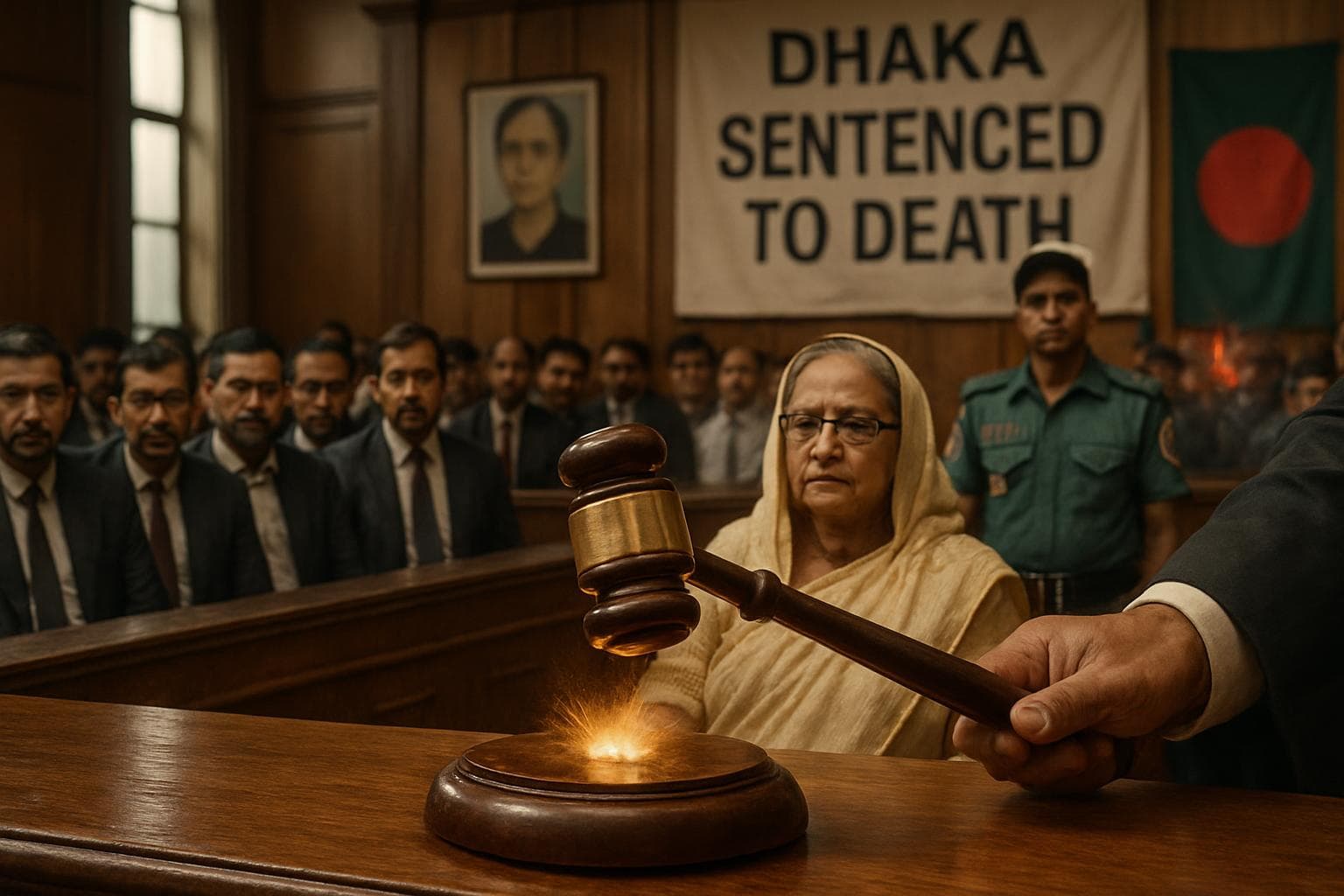
Bangladesh's political climate reached a critical juncture as the International Crimes Tribunal in Dhaka sentenced former Prime Minister Sheikh Hasina to death for crimes against humanity. The verdict, delivered in absentia, stems from her government's brutal response to student-led protests last year, which resulted in approximately 1,400 deaths.
A Controversial Verdict
The tribunal, led by Justice Golam Mortuza Mozumder, found Hasina guilty of incitement, ordering killings, and failing to prevent atrocities during the unrest. The protests, which began as a movement against government job quotas, quickly escalated into a nationwide uprising against Hasina's authoritarian governance. The former leader, who has been living in exile in India since August 2024, has denied all charges, labeling the trial as politically motivated.
Diplomatic Tensions with India
The verdict has further complicated diplomatic relations between Bangladesh and India. Despite a formal request from Dhaka for Hasina's extradition, India has yet to comply, citing the need for judicial consultations. India's reluctance to extradite Hasina highlights the complex diplomatic realities and the potential political motivations behind the charges.
International Reactions and Human Rights Concerns
The United Nations has expressed mixed reactions to the verdict. While recognizing it as an important moment for victims, the UN has opposed the imposition of the death penalty. UN spokesperson Ravina Shamdasani emphasized the need for accountability in accordance with international standards, but regretted the tribunal's decision to impose capital punishment.
Public and Political Repercussions
The sentencing has sparked a range of emotions in Bangladesh, with families of victims expressing both relief and sorrow. The interim government, led by Nobel laureate Muhammad Yunus, has called for calm amidst heightened security measures in Dhaka. The tribunal's decision is seen as a historic moment, yet it underscores the deep divisions within the country.
WHAT THIS MIGHT MEAN
The sentencing of Sheikh Hasina could have profound implications for Bangladesh's political future. If India continues to resist extradition, it may strain bilateral relations and complicate regional diplomacy. Domestically, the verdict may embolden opposition forces and potentially lead to further unrest. Experts suggest that the interim government must navigate these challenges carefully to ensure stability and uphold democratic principles. As Bangladesh grapples with its political identity, the international community will be closely monitoring the unfolding situation.
Related Articles
Indian National Pleads Guilty in US Murder-for-Hire Plot Targeting Sikh Activist
Canada Calls for De-escalation Amid US-Israel Strikes on Iran

India's AI Impact Summit Faces Logistical Hurdles Amid Global AI Discussions

Intensified US-Israel Strikes on Iran Spark Global Outcry
Iran Postpones Khamenei Funeral Amid Escalating US-Israeli Strikes
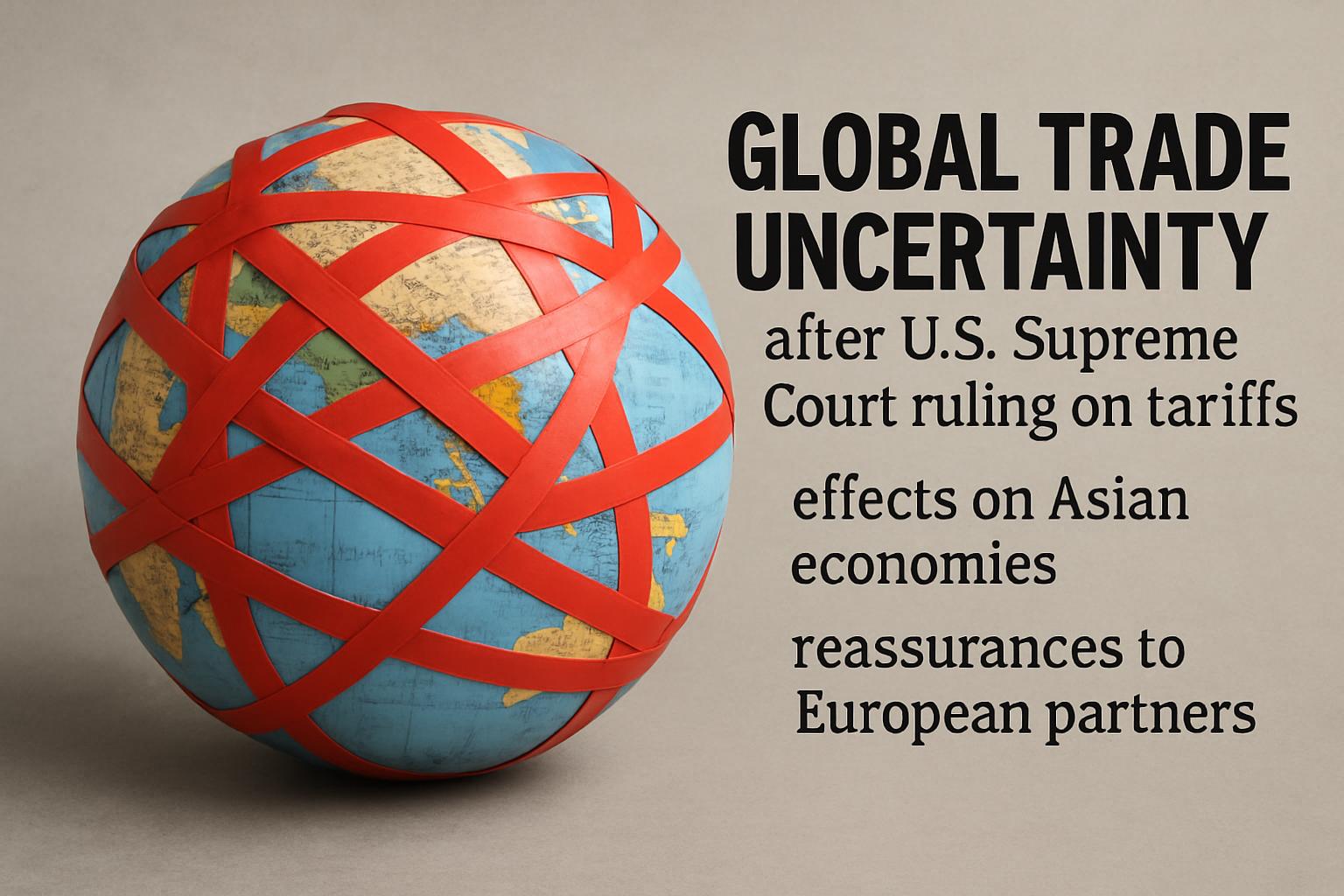
US Supreme Court Ruling Sparks Trade Uncertainty in Asia and Beyond
Sheikh Hasina Sentenced to Death: A Turning Point in Bangladesh's Political Landscape
In This Article
 Sofia Romano| Published
 HIGHLIGHTS
- Bangladesh's former Prime Minister Sheikh Hasina has been sentenced to death for crimes against humanity related to a crackdown on student protests.
- The verdict was delivered by the International Crimes Tribunal in Dhaka, with Hasina tried in absentia as she resides in India.
- The trial has strained India-Bangladesh relations, with Dhaka requesting Hasina's extradition, which India has not yet agreed to.
- The UN has criticized the death penalty, despite acknowledging the verdict as a significant moment for victims.
- The protests, initially about government job quotas, evolved into a broader movement against Hasina's authoritarian rule.
Bangladesh's political climate reached a critical juncture as the International Crimes Tribunal in Dhaka sentenced former Prime Minister Sheikh Hasina to death for crimes against humanity. The verdict, delivered in absentia, stems from her government's brutal response to student-led protests last year, which resulted in approximately 1,400 deaths.
A Controversial Verdict
The tribunal, led by Justice Golam Mortuza Mozumder, found Hasina guilty of incitement, ordering killings, and failing to prevent atrocities during the unrest. The protests, which began as a movement against government job quotas, quickly escalated into a nationwide uprising against Hasina's authoritarian governance. The former leader, who has been living in exile in India since August 2024, has denied all charges, labeling the trial as politically motivated.
Diplomatic Tensions with India
The verdict has further complicated diplomatic relations between Bangladesh and India. Despite a formal request from Dhaka for Hasina's extradition, India has yet to comply, citing the need for judicial consultations. India's reluctance to extradite Hasina highlights the complex diplomatic realities and the potential political motivations behind the charges.
International Reactions and Human Rights Concerns
The United Nations has expressed mixed reactions to the verdict. While recognizing it as an important moment for victims, the UN has opposed the imposition of the death penalty. UN spokesperson Ravina Shamdasani emphasized the need for accountability in accordance with international standards, but regretted the tribunal's decision to impose capital punishment.
Public and Political Repercussions
The sentencing has sparked a range of emotions in Bangladesh, with families of victims expressing both relief and sorrow. The interim government, led by Nobel laureate Muhammad Yunus, has called for calm amidst heightened security measures in Dhaka. The tribunal's decision is seen as a historic moment, yet it underscores the deep divisions within the country.
WHAT THIS MIGHT MEAN
The sentencing of Sheikh Hasina could have profound implications for Bangladesh's political future. If India continues to resist extradition, it may strain bilateral relations and complicate regional diplomacy. Domestically, the verdict may embolden opposition forces and potentially lead to further unrest. Experts suggest that the interim government must navigate these challenges carefully to ensure stability and uphold democratic principles. As Bangladesh grapples with its political identity, the international community will be closely monitoring the unfolding situation.
Related Articles
Indian National Pleads Guilty in US Murder-for-Hire Plot Targeting Sikh Activist
Canada Calls for De-escalation Amid US-Israel Strikes on Iran
India's AI Impact Summit Faces Logistical Hurdles Amid Global AI Discussions
Intensified US-Israel Strikes on Iran Spark Global Outcry
Iran Postpones Khamenei Funeral Amid Escalating US-Israeli Strikes
US Supreme Court Ruling Sparks Trade Uncertainty in Asia and Beyond