
SpaceX Achieves Successful Starship Launch After Multiple Setbacks

In This Article
HIGHLIGHTS
- SpaceX's Starship successfully launched from Texas after multiple delays, marking a significant milestone for the reusable rocket.
- The launch faced setbacks due to weather and technical issues, but ultimately demonstrated key upgrades, including a new heat shield and satellite deployment system.
- NASA plans to use Starship for its Artemis program to send humans to the Moon by 2027, though this timeline may be delayed.
- SpaceX's approach of rapid testing and iteration, despite failures, aims to advance rocket technology for future Mars missions.
- Elon Musk remains optimistic about Starship's potential, envisioning frequent launches and eventual human travel to Mars.
SpaceX has successfully launched its Starship rocket from its Starbase facility in Texas, overcoming a series of delays and technical challenges. The launch, which took place at 6:30 PM local time on Tuesday, marked a pivotal moment for the company’s ambitious plans to develop a fully reusable rocket system capable of carrying humans to the Moon and Mars.
A Journey Through Challenges
The path to this successful launch was fraught with obstacles. Initially scheduled for earlier in the week, the launch was postponed twice due to adverse weather conditions and a liquid oxygen leak at the launchpad. These setbacks were part of a broader pattern of challenges faced by SpaceX this year, including several explosive test failures.
Technical Milestones Achieved
Despite these hurdles, the latest test flight achieved several critical milestones. The Starship rocket, standing at 403 feet tall, successfully separated from its Super Heavy booster and deployed mock Starlink satellites using a new "Pez"-like system. This marked the first successful deployment of its kind for the spacecraft. Additionally, the rocket's new heat shield tiles were tested during reentry, a phase that has previously led to catastrophic failures.
NASA's Lunar Ambitions and SpaceX's Vision
NASA has contracted SpaceX to use a modified version of Starship for its Artemis program, aiming to return humans to the Moon by 2027. However, industry experts suggest that this timeline may be optimistic given the technical complexities involved. Meanwhile, SpaceX CEO Elon Musk remains bullish about the rocket's future, envisioning frequent launches and even uncrewed missions to Mars within the next year.
A Bold Approach to Innovation
SpaceX’s strategy of rapid testing and iteration, often resulting in high-profile failures, contrasts with the more cautious approaches of its competitors. This method, described by Musk as "fail fast, learn fast," is designed to accelerate the development of cutting-edge rocket technology. Despite the risks, SpaceX continues to push the boundaries of what is possible in space exploration.
WHAT THIS MIGHT MEAN
Looking ahead, SpaceX's successful launch could pave the way for more frequent and ambitious test flights, potentially accelerating the timeline for human missions to the Moon and Mars. However, the company must continue to address technical challenges and regulatory hurdles to meet its ambitious goals. The success of the Starship program is also crucial for NASA's Artemis mission, which could redefine human space exploration in the coming decade. As SpaceX refines its technology, the aerospace industry will be watching closely to see if Musk's vision of a multiplanetary future becomes a reality.
Related Articles

Russian Drone Strike Kills 12 Miners in Ukraine Amid Renewed Peace Efforts

Elon Musk Defends Tweets in Twitter Takeover Trial

SpaceX and xAI Merge in $1.25 Trillion Deal to Propel Space-Based AI Innovation

James Talarico Secures Democratic Nomination in Texas Senate Race Amidst Republican Runoff
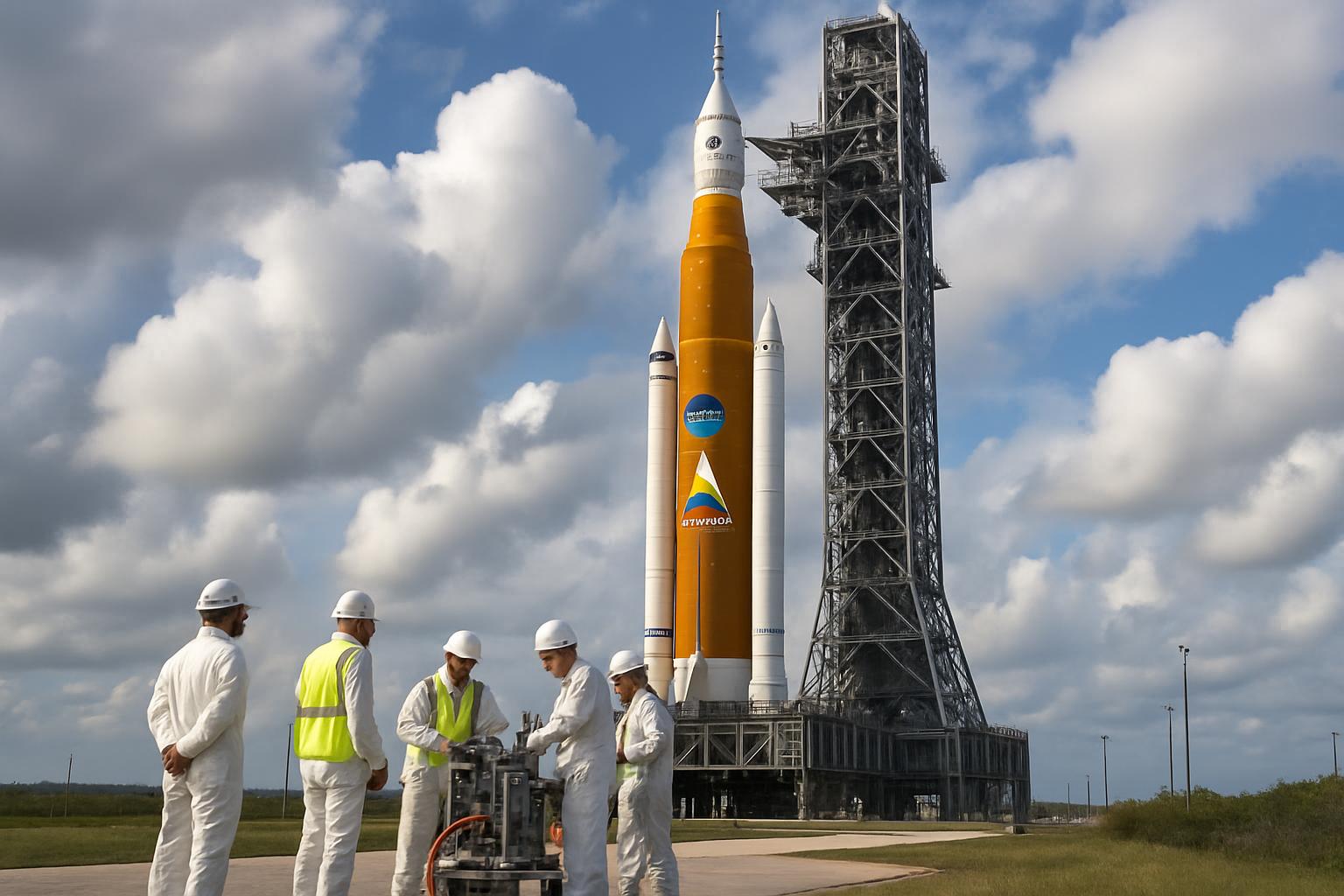
NASA's Artemis II Moon Mission Faces Delay Due to Helium Flow Issue

NASA Sets March Launch for Historic Artemis II Moon Mission
SpaceX Achieves Successful Starship Launch After Multiple Setbacks
In This Article
 Himanshu Kaushik| Published
 HIGHLIGHTS
- SpaceX's Starship successfully launched from Texas after multiple delays, marking a significant milestone for the reusable rocket.
- The launch faced setbacks due to weather and technical issues, but ultimately demonstrated key upgrades, including a new heat shield and satellite deployment system.
- NASA plans to use Starship for its Artemis program to send humans to the Moon by 2027, though this timeline may be delayed.
- SpaceX's approach of rapid testing and iteration, despite failures, aims to advance rocket technology for future Mars missions.
- Elon Musk remains optimistic about Starship's potential, envisioning frequent launches and eventual human travel to Mars.
SpaceX has successfully launched its Starship rocket from its Starbase facility in Texas, overcoming a series of delays and technical challenges. The launch, which took place at 6:30 PM local time on Tuesday, marked a pivotal moment for the company’s ambitious plans to develop a fully reusable rocket system capable of carrying humans to the Moon and Mars.
A Journey Through Challenges
The path to this successful launch was fraught with obstacles. Initially scheduled for earlier in the week, the launch was postponed twice due to adverse weather conditions and a liquid oxygen leak at the launchpad. These setbacks were part of a broader pattern of challenges faced by SpaceX this year, including several explosive test failures.
Technical Milestones Achieved
Despite these hurdles, the latest test flight achieved several critical milestones. The Starship rocket, standing at 403 feet tall, successfully separated from its Super Heavy booster and deployed mock Starlink satellites using a new "Pez"-like system. This marked the first successful deployment of its kind for the spacecraft. Additionally, the rocket's new heat shield tiles were tested during reentry, a phase that has previously led to catastrophic failures.
NASA's Lunar Ambitions and SpaceX's Vision
NASA has contracted SpaceX to use a modified version of Starship for its Artemis program, aiming to return humans to the Moon by 2027. However, industry experts suggest that this timeline may be optimistic given the technical complexities involved. Meanwhile, SpaceX CEO Elon Musk remains bullish about the rocket's future, envisioning frequent launches and even uncrewed missions to Mars within the next year.
A Bold Approach to Innovation
SpaceX’s strategy of rapid testing and iteration, often resulting in high-profile failures, contrasts with the more cautious approaches of its competitors. This method, described by Musk as "fail fast, learn fast," is designed to accelerate the development of cutting-edge rocket technology. Despite the risks, SpaceX continues to push the boundaries of what is possible in space exploration.
WHAT THIS MIGHT MEAN
Looking ahead, SpaceX's successful launch could pave the way for more frequent and ambitious test flights, potentially accelerating the timeline for human missions to the Moon and Mars. However, the company must continue to address technical challenges and regulatory hurdles to meet its ambitious goals. The success of the Starship program is also crucial for NASA's Artemis mission, which could redefine human space exploration in the coming decade. As SpaceX refines its technology, the aerospace industry will be watching closely to see if Musk's vision of a multiplanetary future becomes a reality.
Related Articles
Russian Drone Strike Kills 12 Miners in Ukraine Amid Renewed Peace Efforts
Elon Musk Defends Tweets in Twitter Takeover Trial
SpaceX and xAI Merge in $1.25 Trillion Deal to Propel Space-Based AI Innovation
James Talarico Secures Democratic Nomination in Texas Senate Race Amidst Republican Runoff
NASA's Artemis II Moon Mission Faces Delay Due to Helium Flow Issue
NASA Sets March Launch for Historic Artemis II Moon Mission