
US Supreme Court Upholds Parental Opt-Out Rights for LGBTQ Book Readings
In This Article
HIGHLIGHTS
- The US Supreme Court ruled 6-3 in favor of parents in Maryland seeking to opt their children out of LGBTQ-themed lessons, citing religious rights.
- The court's decision grants a preliminary injunction, allowing parents to exclude their children from specific readings while the case proceeds.
- Justice Samuel Alito emphasized the ruling protects parental rights to direct their children's religious upbringing.
- The Montgomery County Public Schools had removed the opt-out option in 2023 to prevent classroom disruptions and protect LGBTQ students from stigma.
- The decision has sparked debate over religious rights versus educational inclusivity, with Justice Sonia Sotomayor warning of potential chaos in public schools.
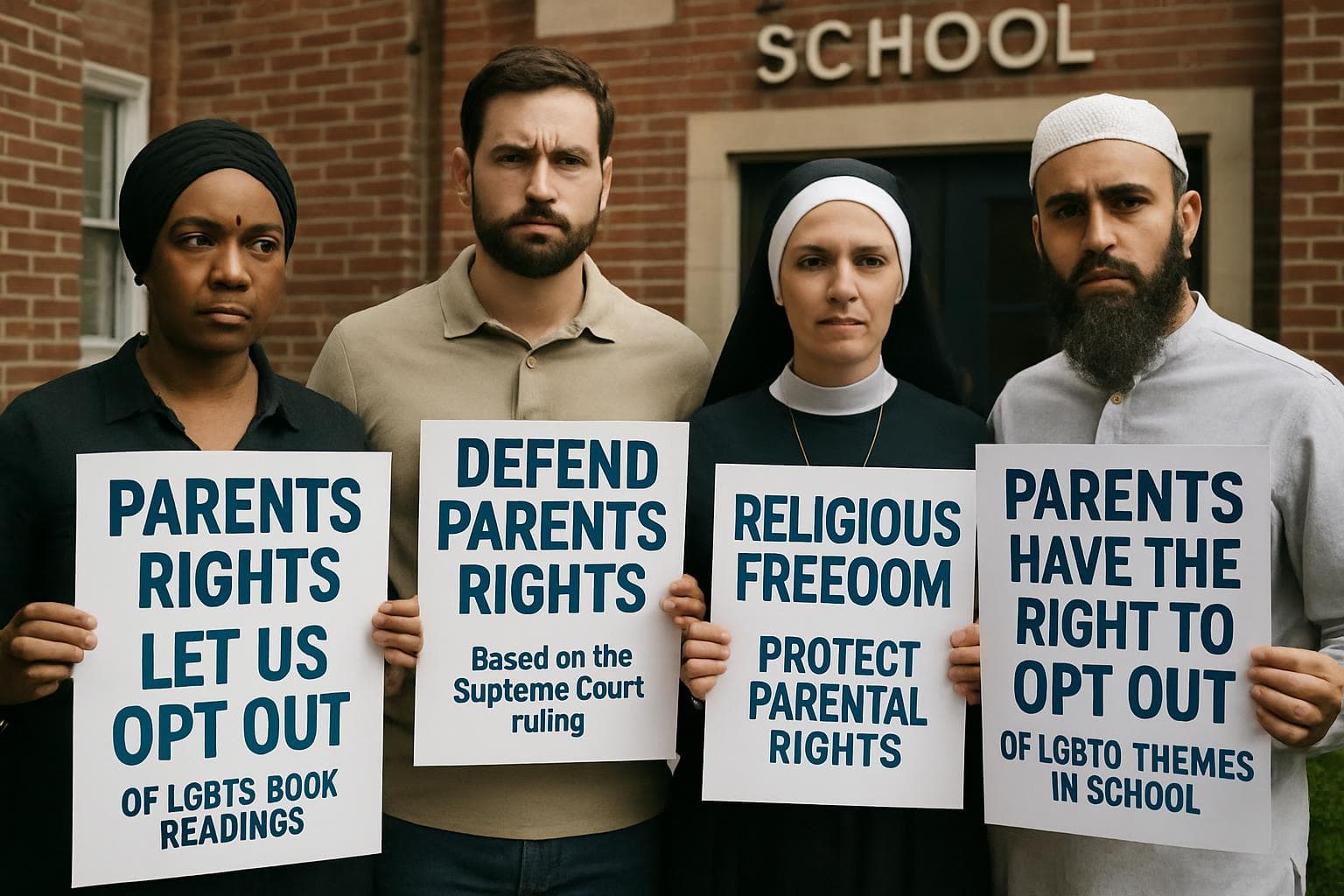
In a landmark decision, the US Supreme Court has ruled in favor of parents in Maryland who wish to opt their children out of lessons featuring LGBTQ-themed books, citing religious rights. The 6-3 ruling grants a preliminary injunction, allowing parents to exclude their children from specific readings while the case continues.
Background and Legal Context
The case, Mahmoud v Taylor, involves parents from diverse religious backgrounds, including Muslims, Roman Catholics, and Orthodox Christians, who argued that the Montgomery County Public Schools' curriculum violated their religious freedoms. The parents objected to books such as "Uncle Bobby's Wedding" and "Born Ready: The True Story of a Boy Named Penelope," which feature gay and transgender characters.
Justice Samuel Alito, writing for the majority, stated that the ruling protects the rights of parents to direct the religious upbringing of their children. He emphasized that government policies should not substantially interfere with this right. The decision requires the school board to notify parents in advance whenever such books are used, allowing them to excuse their children from those lessons.
Reactions and Implications
The ruling has sparked a heated debate over the balance between religious rights and educational inclusivity. Justice Sonia Sotomayor, in her dissent, warned that the decision could lead to chaos in public schools, as it might encourage widespread opt-outs based on conflicting religious beliefs. She argued that public education should serve as a unifying experience, exposing children to diverse ideas and perspectives.
Montgomery County Public Schools, Maryland's largest school system, had previously removed the opt-out option in 2023 to prevent classroom disruptions and protect LGBTQ students from social stigma. The school system introduced the books to promote diversity and inclusivity in its curriculum.
Broader Context
This decision comes amid a broader conservative backlash against LGBTQ content in public schools and libraries across the United States, particularly in Republican-led states. The ruling is seen as a significant victory for religious rights advocates, while LGBTQ rights groups express concern over the message it sends to students about their worth and belonging.
WHAT THIS MIGHT MEAN
The Supreme Court's decision could set a precedent for similar cases nationwide, potentially leading to more challenges against educational content on religious grounds. Legal experts suggest that the ruling may embolden parents in other states to seek similar opt-out provisions, further complicating the landscape of public education.
Politically, the decision may intensify the ongoing cultural debates over LGBTQ rights and religious freedoms in the US. As the case proceeds through the appellate courts, its outcome could influence future educational policies and the extent to which religious beliefs can dictate public school curricula.
Ultimately, the ruling underscores the delicate balance between protecting religious rights and ensuring an inclusive educational environment for all students. As the legal battle continues, schools and policymakers will need to navigate these complex issues carefully to uphold both constitutional rights and educational integrity.
Related Articles

Iran Postpones Khamenei Funeral Amid Escalating US-Israeli Strikes

US-Iran Tensions Escalate Amid Renewed Nuclear Talks and Protests
Trump Criticizes Supreme Court After Tariff Ruling, Imposes New Global Tariff
Canada Calls for De-escalation Amid US-Israel Strikes on Iran
US Supreme Court Ruling Sparks Trade Uncertainty in Asia and Beyond
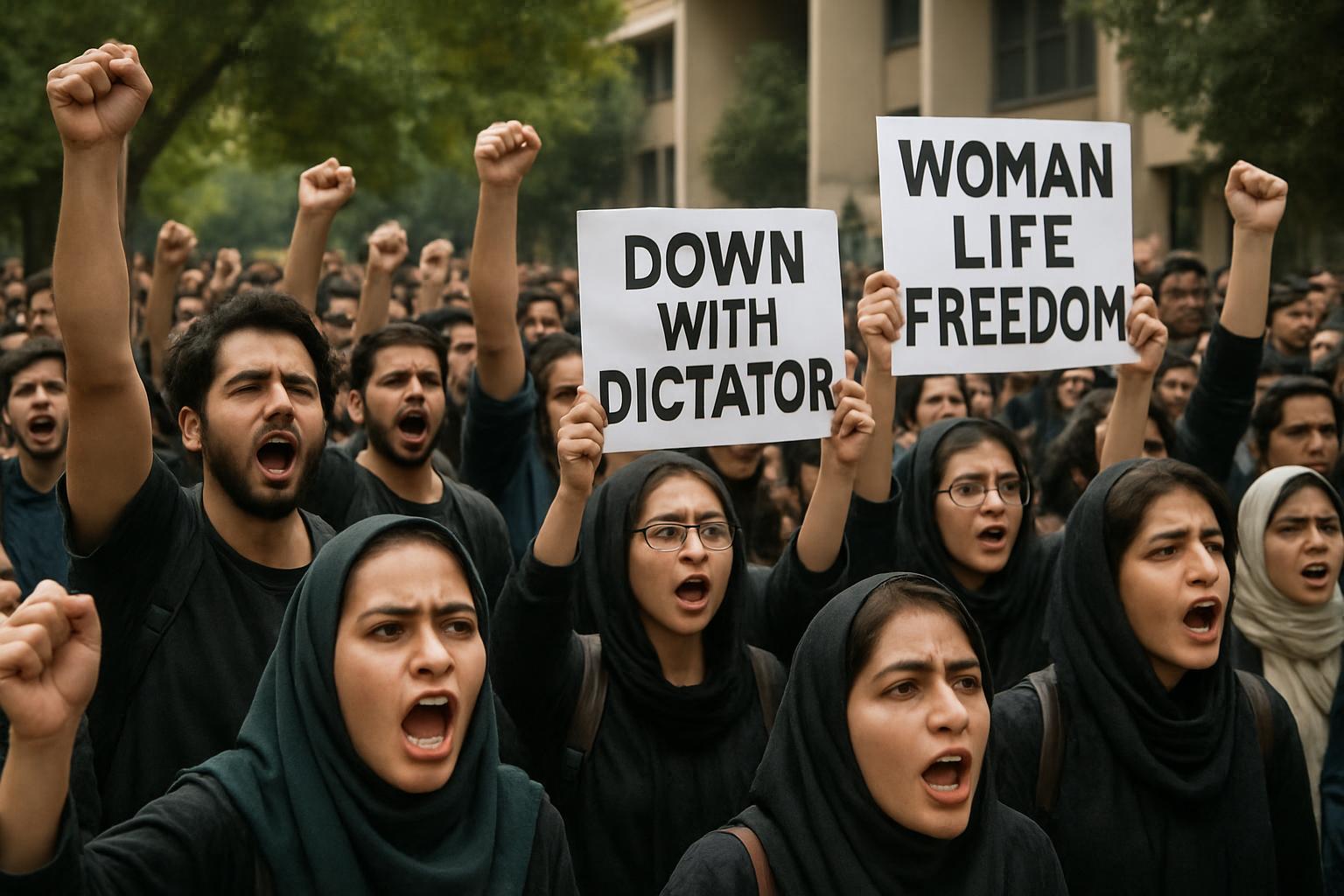
Iranian Students Lead Major Protests Amid Rising US-Iran Tensions
US Supreme Court Upholds Parental Opt-Out Rights for LGBTQ Book Readings
In This Article
 Ethan Brooks| Published
 HIGHLIGHTS
- The US Supreme Court ruled 6-3 in favor of parents in Maryland seeking to opt their children out of LGBTQ-themed lessons, citing religious rights.
- The court's decision grants a preliminary injunction, allowing parents to exclude their children from specific readings while the case proceeds.
- Justice Samuel Alito emphasized the ruling protects parental rights to direct their children's religious upbringing.
- The Montgomery County Public Schools had removed the opt-out option in 2023 to prevent classroom disruptions and protect LGBTQ students from stigma.
- The decision has sparked debate over religious rights versus educational inclusivity, with Justice Sonia Sotomayor warning of potential chaos in public schools.
In a landmark decision, the US Supreme Court has ruled in favor of parents in Maryland who wish to opt their children out of lessons featuring LGBTQ-themed books, citing religious rights. The 6-3 ruling grants a preliminary injunction, allowing parents to exclude their children from specific readings while the case continues.
Background and Legal Context
The case, Mahmoud v Taylor, involves parents from diverse religious backgrounds, including Muslims, Roman Catholics, and Orthodox Christians, who argued that the Montgomery County Public Schools' curriculum violated their religious freedoms. The parents objected to books such as "Uncle Bobby's Wedding" and "Born Ready: The True Story of a Boy Named Penelope," which feature gay and transgender characters.
Justice Samuel Alito, writing for the majority, stated that the ruling protects the rights of parents to direct the religious upbringing of their children. He emphasized that government policies should not substantially interfere with this right. The decision requires the school board to notify parents in advance whenever such books are used, allowing them to excuse their children from those lessons.
Reactions and Implications
The ruling has sparked a heated debate over the balance between religious rights and educational inclusivity. Justice Sonia Sotomayor, in her dissent, warned that the decision could lead to chaos in public schools, as it might encourage widespread opt-outs based on conflicting religious beliefs. She argued that public education should serve as a unifying experience, exposing children to diverse ideas and perspectives.
Montgomery County Public Schools, Maryland's largest school system, had previously removed the opt-out option in 2023 to prevent classroom disruptions and protect LGBTQ students from social stigma. The school system introduced the books to promote diversity and inclusivity in its curriculum.
Broader Context
This decision comes amid a broader conservative backlash against LGBTQ content in public schools and libraries across the United States, particularly in Republican-led states. The ruling is seen as a significant victory for religious rights advocates, while LGBTQ rights groups express concern over the message it sends to students about their worth and belonging.
WHAT THIS MIGHT MEAN
The Supreme Court's decision could set a precedent for similar cases nationwide, potentially leading to more challenges against educational content on religious grounds. Legal experts suggest that the ruling may embolden parents in other states to seek similar opt-out provisions, further complicating the landscape of public education.
Politically, the decision may intensify the ongoing cultural debates over LGBTQ rights and religious freedoms in the US. As the case proceeds through the appellate courts, its outcome could influence future educational policies and the extent to which religious beliefs can dictate public school curricula.
Ultimately, the ruling underscores the delicate balance between protecting religious rights and ensuring an inclusive educational environment for all students. As the legal battle continues, schools and policymakers will need to navigate these complex issues carefully to uphold both constitutional rights and educational integrity.
Related Articles
Iran Postpones Khamenei Funeral Amid Escalating US-Israeli Strikes
US-Iran Tensions Escalate Amid Renewed Nuclear Talks and Protests
Trump Criticizes Supreme Court After Tariff Ruling, Imposes New Global Tariff
Canada Calls for De-escalation Amid US-Israel Strikes on Iran
US Supreme Court Ruling Sparks Trade Uncertainty in Asia and Beyond
Iranian Students Lead Major Protests Amid Rising US-Iran Tensions