
Supreme Court Upholds Same-Sex Marriage Ruling, Rejects Kim Davis Appeal

In This Article
HIGHLIGHTS
- The US Supreme Court declined to revisit the 2015 Obergefell v Hodges decision legalizing same-sex marriage.
- Kim Davis, a former Kentucky clerk, was ordered to pay $360,000 in damages for refusing to issue marriage licenses to same-sex couples.
- Davis argued her religious beliefs exempted her from compliance, but courts ruled against her, citing constitutional rights.
- The Supreme Court's decision not to hear the case maintains the legal precedent set for same-sex marriage.
- The ruling underscores the ongoing tension between religious liberty claims and LGBT rights in the US.
The US Supreme Court has reaffirmed its landmark decision from 2015 that legalized same-sex marriage nationwide by refusing to hear an appeal from Kim Davis, a former Kentucky county clerk. Davis had sought to overturn a lower court's ruling that ordered her to pay $360,000 in damages to a same-sex couple after she denied them a marriage license, citing her Apostolic Christian beliefs.
Background and Legal Context
The case traces back to the historic Obergefell v Hodges ruling, which established the right to same-sex marriage across the United States. Despite this, Davis refused to issue marriage licenses to same-sex couples, arguing that doing so would violate her religious convictions. Her actions led to a civil rights lawsuit filed by David Ermold and David Moore, who accused her of infringing on their constitutional right to marry.
In 2022, federal Judge David Bunning dismissed Davis's defense, stating, "Davis cannot use her own constitutional rights as a shield to violate the constitutional rights of others while performing her duties as an elected official." The 6th US Circuit Court of Appeals upheld this decision, leading to Davis's appeal to the Supreme Court.
Supreme Court's Decision
On Monday, the Supreme Court, without comment, declined to take up Davis's appeal, effectively upholding the lower court's ruling. This decision maintains the legal precedent set by Obergefell v Hodges, despite hopes from some conservatives that the court's current 6-3 conservative majority might reconsider the issue.
Justice Clarence Thomas, one of the original dissenters in the 2015 ruling, has previously expressed a desire to revisit the decision, but the court's refusal to hear Davis's case suggests a reluctance to overturn established legal precedents. Justice Amy Coney Barrett, who joined the court after the Obergefell decision, has indicated that while some past rulings may warrant reconsideration, same-sex marriage might not be one of them due to societal reliance on the decision.
Reactions and Implications
The Human Rights Campaign praised the Supreme Court's decision, with its president, Kelley Robinson, stating, "The supreme court made clear today that refusing to respect the constitutional rights of others does not come without consequences." Davis's case has highlighted the ongoing conflict between religious liberty claims and the rights of the LGBT community, a debate that continues to shape the legal landscape in the United States.
WHAT THIS MIGHT MEAN
The Supreme Court's decision not to hear Kim Davis's appeal reinforces the stability of the Obergefell v Hodges ruling, providing reassurance to same-sex couples who have relied on this legal precedent. However, the tension between religious liberty and LGBT rights remains a contentious issue, with potential for future legal challenges. Legal experts suggest that while the current court may be conservative, its reluctance to revisit this ruling indicates a recognition of the societal reliance on established rights. As the legal landscape evolves, the balance between individual religious beliefs and constitutional rights will likely continue to be a focal point of legal and political discourse in the US.
Related Articles
Trump Criticizes Supreme Court After Tariff Ruling, Imposes New Global Tariff
US House Votes to Overturn Trump's Tariffs on Canada Amid Political Tensions
Supreme Court Upholds California's New Voting Map, Boosting Democratic Prospects
Senate Blocks Resolution to Limit Trump's Military Actions in Iran
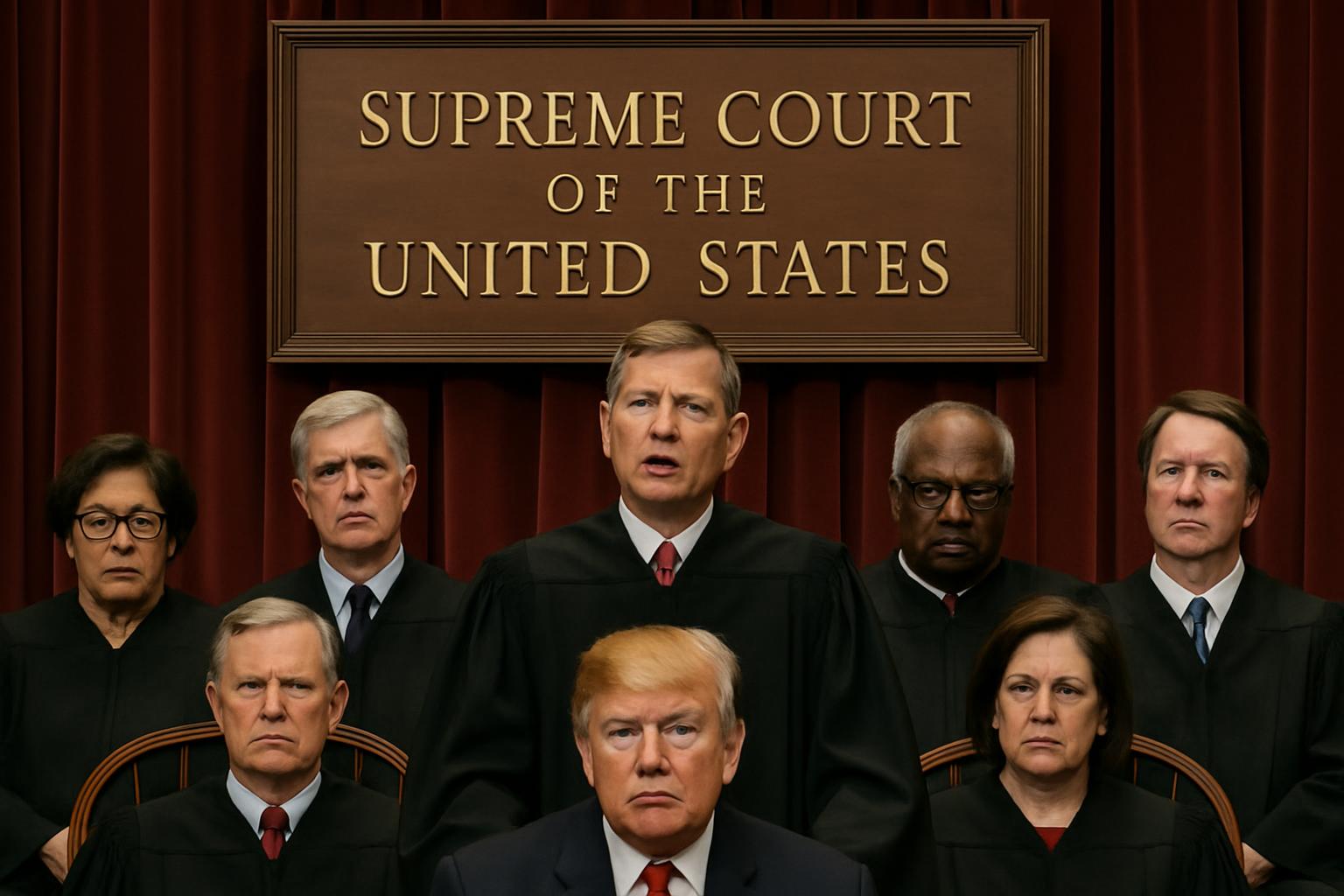
Trump's Tariff Strategy Faces Supreme Court Setback, Sparks New Trade Policy

US Supreme Court Ruling Sparks Trade Uncertainty in Asia and Beyond
Supreme Court Upholds Same-Sex Marriage Ruling, Rejects Kim Davis Appeal
In This Article
 Alex Carter| Published
 HIGHLIGHTS
- The US Supreme Court declined to revisit the 2015 Obergefell v Hodges decision legalizing same-sex marriage.
- Kim Davis, a former Kentucky clerk, was ordered to pay $360,000 in damages for refusing to issue marriage licenses to same-sex couples.
- Davis argued her religious beliefs exempted her from compliance, but courts ruled against her, citing constitutional rights.
- The Supreme Court's decision not to hear the case maintains the legal precedent set for same-sex marriage.
- The ruling underscores the ongoing tension between religious liberty claims and LGBT rights in the US.
The US Supreme Court has reaffirmed its landmark decision from 2015 that legalized same-sex marriage nationwide by refusing to hear an appeal from Kim Davis, a former Kentucky county clerk. Davis had sought to overturn a lower court's ruling that ordered her to pay $360,000 in damages to a same-sex couple after she denied them a marriage license, citing her Apostolic Christian beliefs.
Background and Legal Context
The case traces back to the historic Obergefell v Hodges ruling, which established the right to same-sex marriage across the United States. Despite this, Davis refused to issue marriage licenses to same-sex couples, arguing that doing so would violate her religious convictions. Her actions led to a civil rights lawsuit filed by David Ermold and David Moore, who accused her of infringing on their constitutional right to marry.
In 2022, federal Judge David Bunning dismissed Davis's defense, stating, "Davis cannot use her own constitutional rights as a shield to violate the constitutional rights of others while performing her duties as an elected official." The 6th US Circuit Court of Appeals upheld this decision, leading to Davis's appeal to the Supreme Court.
Supreme Court's Decision
On Monday, the Supreme Court, without comment, declined to take up Davis's appeal, effectively upholding the lower court's ruling. This decision maintains the legal precedent set by Obergefell v Hodges, despite hopes from some conservatives that the court's current 6-3 conservative majority might reconsider the issue.
Justice Clarence Thomas, one of the original dissenters in the 2015 ruling, has previously expressed a desire to revisit the decision, but the court's refusal to hear Davis's case suggests a reluctance to overturn established legal precedents. Justice Amy Coney Barrett, who joined the court after the Obergefell decision, has indicated that while some past rulings may warrant reconsideration, same-sex marriage might not be one of them due to societal reliance on the decision.
Reactions and Implications
The Human Rights Campaign praised the Supreme Court's decision, with its president, Kelley Robinson, stating, "The supreme court made clear today that refusing to respect the constitutional rights of others does not come without consequences." Davis's case has highlighted the ongoing conflict between religious liberty claims and the rights of the LGBT community, a debate that continues to shape the legal landscape in the United States.
WHAT THIS MIGHT MEAN
The Supreme Court's decision not to hear Kim Davis's appeal reinforces the stability of the Obergefell v Hodges ruling, providing reassurance to same-sex couples who have relied on this legal precedent. However, the tension between religious liberty and LGBT rights remains a contentious issue, with potential for future legal challenges. Legal experts suggest that while the current court may be conservative, its reluctance to revisit this ruling indicates a recognition of the societal reliance on established rights. As the legal landscape evolves, the balance between individual religious beliefs and constitutional rights will likely continue to be a focal point of legal and political discourse in the US.
Related Articles
Trump Criticizes Supreme Court After Tariff Ruling, Imposes New Global Tariff
US House Votes to Overturn Trump's Tariffs on Canada Amid Political Tensions
Supreme Court Upholds California's New Voting Map, Boosting Democratic Prospects
Senate Blocks Resolution to Limit Trump's Military Actions in Iran
Trump's Tariff Strategy Faces Supreme Court Setback, Sparks New Trade Policy
US Supreme Court Ruling Sparks Trade Uncertainty in Asia and Beyond