
Swatch Faces Backlash in China Over 'Slanted Eye' Ad

In This Article
HIGHLIGHTS
- Swatch has apologized and removed an ad featuring a model making a "slanted eye" gesture after backlash from Chinese social media users.
- The gesture was criticized as racist, leading to calls for a boycott of Swatch and its associated brands, including Omega and Longines.
- Swatch, which derives about 27% of its revenue from China, has faced declining sales amid the country's economic slowdown.
- The incident is part of a broader trend of Chinese consumer boycotts against foreign brands perceived as culturally insensitive.
- Previous boycotts have targeted brands like H&M, Nike, and Dolce & Gabbana for similar reasons.
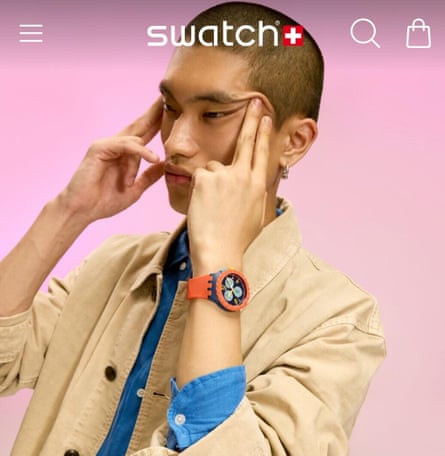
Swiss watchmaker Swatch has found itself at the center of a controversy in China after releasing an advertisement featuring a model making a "slanted eye" gesture. The ad, which quickly went viral, drew accusations of racism and sparked widespread calls for a boycott on Chinese social media platforms.
Ad Controversy and Apology
The contentious advertisement depicted an Asian male model pulling the corners of his eyes, a gesture historically used to mock Asians. Swatch responded to the uproar by issuing an apology and removing the ad globally. "We sincerely apologize for any distress or misunderstanding this may have caused," the company stated on Saturday. Despite the apology, many Chinese consumers remain unsatisfied, with some accusing Swatch of prioritizing profits over cultural sensitivity.
Impact on Swatch's Market Presence
China is a significant market for Swatch, contributing approximately 27% of its revenue. However, the company has been grappling with declining sales in the region amid an economic slowdown. In July, Swatch reported an 11.2% drop in net sales for the first half of the year, attributing the decline to sluggish demand in China. The backlash against the ad could further impact Swatch's market position as consumers call for a boycott of its brands, which include Omega, Longines, and Tissot.
Broader Context of Consumer Boycotts
Swatch's predicament is not an isolated incident. In recent years, Chinese consumers have organized boycotts against foreign brands perceived as culturally insensitive or disrespectful. Notable examples include the backlash against Dolce & Gabbana in 2018 and more recent controversies involving H&M and Nike over their stances on human rights issues in Xinjiang. These incidents highlight the growing importance of cultural sensitivity for international brands operating in China.
WHAT THIS MIGHT MEAN
The Swatch controversy underscores the delicate balance international brands must maintain in navigating cultural sensitivities in China. If Swatch fails to address consumer concerns effectively, it risks further damaging its reputation and market share in one of its largest markets. The incident may prompt other global brands to reassess their advertising strategies to avoid similar pitfalls.
Experts suggest that Swatch and other luxury brands might need to engage more deeply with local cultural norms and values to rebuild trust with Chinese consumers. As the Chinese market continues to evolve, the ability to demonstrate cultural awareness and sensitivity could become a crucial factor in sustaining long-term success for foreign companies.
Images from the Web

Related Articles

US Supreme Court Ruling Sparks Trade Uncertainty in Asia and Beyond

Japan Seizes Chinese Fishing Vessel Amid Rising Diplomatic Tensions
China Sets Lowest GDP Growth Target in Decades Amid Economic Challenges

UK Faces Dilemmas Amid Iran Conflict and China Spying Allegations

Labour MP's Husband Arrested in UK-China Espionage Probe

Trump's New Tariff Strategy Sparks Global Trade Uncertainty
Swatch Faces Backlash in China Over 'Slanted Eye' Ad
In This Article
HIGHLIGHTS
- Swatch has apologized and removed an ad featuring a model making a "slanted eye" gesture after backlash from Chinese social media users.
- The gesture was criticized as racist, leading to calls for a boycott of Swatch and its associated brands, including Omega and Longines.
- Swatch, which derives about 27% of its revenue from China, has faced declining sales amid the country's economic slowdown.
- The incident is part of a broader trend of Chinese consumer boycotts against foreign brands perceived as culturally insensitive.
- Previous boycotts have targeted brands like H&M, Nike, and Dolce & Gabbana for similar reasons.
Swiss watchmaker Swatch has found itself at the center of a controversy in China after releasing an advertisement featuring a model making a "slanted eye" gesture. The ad, which quickly went viral, drew accusations of racism and sparked widespread calls for a boycott on Chinese social media platforms.
Ad Controversy and Apology
The contentious advertisement depicted an Asian male model pulling the corners of his eyes, a gesture historically used to mock Asians. Swatch responded to the uproar by issuing an apology and removing the ad globally. "We sincerely apologize for any distress or misunderstanding this may have caused," the company stated on Saturday. Despite the apology, many Chinese consumers remain unsatisfied, with some accusing Swatch of prioritizing profits over cultural sensitivity.
Impact on Swatch's Market Presence
China is a significant market for Swatch, contributing approximately 27% of its revenue. However, the company has been grappling with declining sales in the region amid an economic slowdown. In July, Swatch reported an 11.2% drop in net sales for the first half of the year, attributing the decline to sluggish demand in China. The backlash against the ad could further impact Swatch's market position as consumers call for a boycott of its brands, which include Omega, Longines, and Tissot.
Broader Context of Consumer Boycotts
Swatch's predicament is not an isolated incident. In recent years, Chinese consumers have organized boycotts against foreign brands perceived as culturally insensitive or disrespectful. Notable examples include the backlash against Dolce & Gabbana in 2018 and more recent controversies involving H&M and Nike over their stances on human rights issues in Xinjiang. These incidents highlight the growing importance of cultural sensitivity for international brands operating in China.
WHAT THIS MIGHT MEAN
The Swatch controversy underscores the delicate balance international brands must maintain in navigating cultural sensitivities in China. If Swatch fails to address consumer concerns effectively, it risks further damaging its reputation and market share in one of its largest markets. The incident may prompt other global brands to reassess their advertising strategies to avoid similar pitfalls.
Experts suggest that Swatch and other luxury brands might need to engage more deeply with local cultural norms and values to rebuild trust with Chinese consumers. As the Chinese market continues to evolve, the ability to demonstrate cultural awareness and sensitivity could become a crucial factor in sustaining long-term success for foreign companies.
Images from the Web
Related Articles
US Supreme Court Ruling Sparks Trade Uncertainty in Asia and Beyond
Japan Seizes Chinese Fishing Vessel Amid Rising Diplomatic Tensions
China Sets Lowest GDP Growth Target in Decades Amid Economic Challenges
UK Faces Dilemmas Amid Iran Conflict and China Spying Allegations
Labour MP's Husband Arrested in UK-China Espionage Probe
Trump's New Tariff Strategy Sparks Global Trade Uncertainty