
Vaping Among Teens: A Gateway to Smoking and Health Risks, Study Finds
In This Article
HIGHLIGHTS
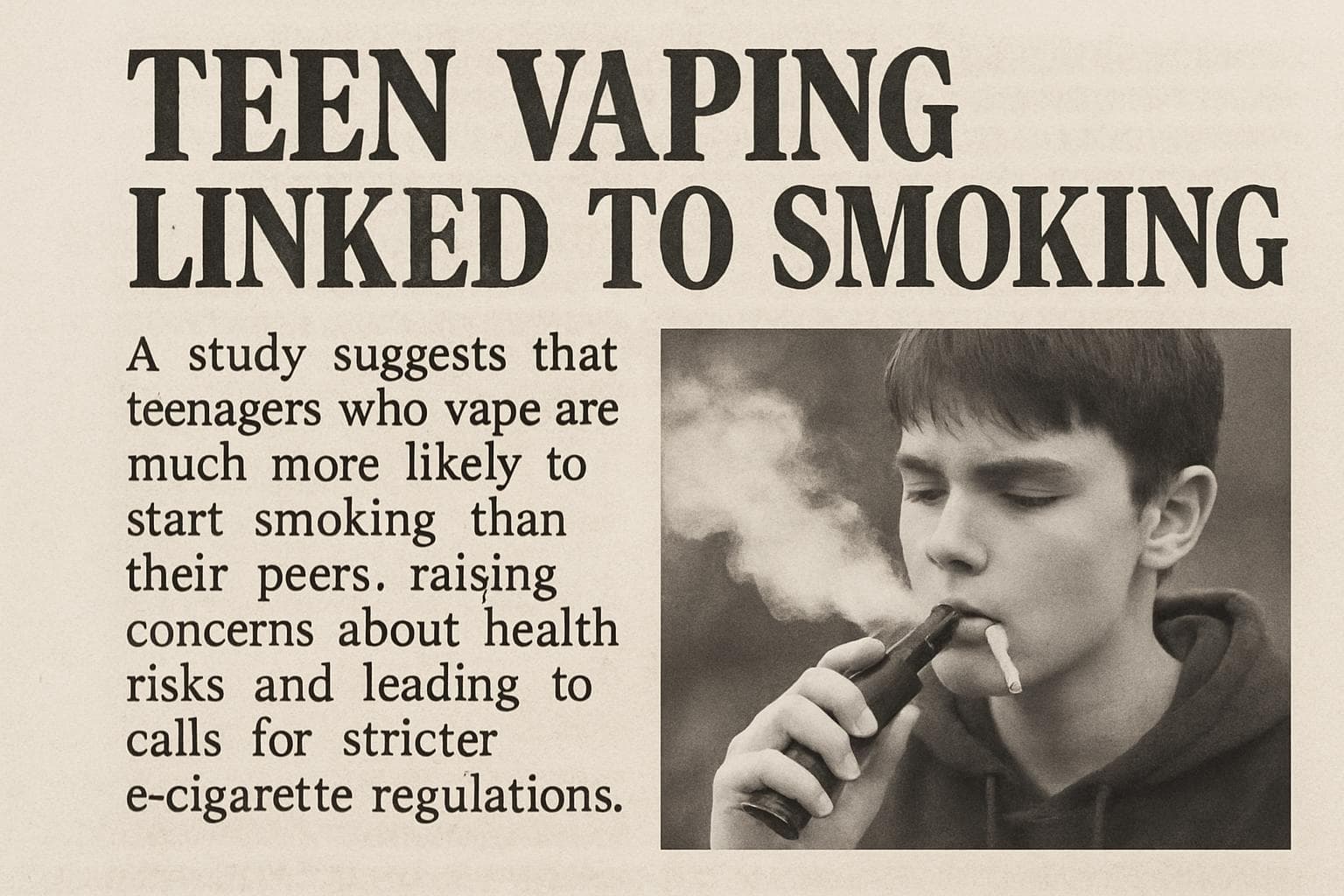
- A comprehensive study reveals that young people who vape are three times more likely to start smoking.
- The research links vaping to increased risks of asthma, poor mental health, and other health issues.
- Experts call for stricter regulations on e-cigarette marketing targeting youth.
- The World Health Organization describes the rise in youth vaping as alarming, with 20% of 11- to 17-year-olds in Great Britain having tried vaping.
- Researchers emphasize the need for further studies to confirm whether vaping acts as a gateway to smoking.
A groundbreaking study has revealed that teenagers who engage in vaping are significantly more likely to transition to smoking, raising alarms about the potential health risks associated with e-cigarettes. Conducted by experts from the University of York and the London School of Hygiene and Tropical Medicine, this extensive review is the largest of its kind, examining the impact of vaping on young people globally.
Health Risks and Concerns
The study found that young vapers are three times more likely to become smokers compared to their non-vaping peers. Additionally, vaping is linked to a range of health issues, including an increased risk of asthma, respiratory diseases, and poor mental health. Dr. Su Golder, an associate professor in health science at the University of York, emphasized the consistency of these findings across multiple studies, advocating for stronger public health measures to mitigate these risks.
Calls for Stricter Regulations
In light of these findings, experts are urging for tighter regulations on the marketing of e-cigarettes, particularly those targeting young people. Dr. Ronny Cheung from the Royal College of Paediatrics highlighted the urgent need for the government to implement the tobacco and vapes bill, which aims to restrict flavors, packaging, and marketing strategies that appeal to youth. The World Health Organization has also expressed concern over the rising trend of vaping among children, describing it as alarming.
The Need for Further Research
While the study underscores the potential gateway effect of vaping leading to smoking, researchers acknowledge the need for further investigation to establish a definitive causal relationship. The evidence, primarily observational, suggests a strong association but stops short of proving causation. Hazel Cheeseman, chief executive of Action on Smoking and Health, stressed the importance of government action to address the concerning rise in teen vaping.
WHAT THIS MIGHT MEAN
The findings of this study could prompt policymakers to expedite the implementation of stricter regulations on e-cigarette marketing and sales to minors. If these measures are enacted, they may significantly reduce the number of young people taking up vaping and, consequently, smoking. However, without concrete evidence of causation, there may be resistance from industry stakeholders who argue that vaping serves as a less harmful alternative for adult smokers. Future research could provide more clarity on the long-term effects of vaping and its role as a potential gateway to smoking, influencing public health policies worldwide.
Related Articles

England Proposes Vaping Ban in Cars with Children to Protect Public Health
Surge in Flu Cases Spurs Urgent Vaccination Efforts Amidst Appointment Shortages Across the UK
WHO Calls for Expanded Access to Obesity Drugs Amid Global Shortage

Delhi's Air Pollution Crisis Sparks Rare Protest Amid Growing Health Concerns

England Launches Home Vaccination Pilot to Boost Child Immunization Rates
Slowing Flu Rates in Wales Amidst Europe's Surge Due to New Strain
Vaping Among Teens: A Gateway to Smoking and Health Risks, Study Finds
In This Article
 Maya Singh| Published
 HIGHLIGHTS
- A comprehensive study reveals that young people who vape are three times more likely to start smoking.
- The research links vaping to increased risks of asthma, poor mental health, and other health issues.
- Experts call for stricter regulations on e-cigarette marketing targeting youth.
- The World Health Organization describes the rise in youth vaping as alarming, with 20% of 11- to 17-year-olds in Great Britain having tried vaping.
- Researchers emphasize the need for further studies to confirm whether vaping acts as a gateway to smoking.
A groundbreaking study has revealed that teenagers who engage in vaping are significantly more likely to transition to smoking, raising alarms about the potential health risks associated with e-cigarettes. Conducted by experts from the University of York and the London School of Hygiene and Tropical Medicine, this extensive review is the largest of its kind, examining the impact of vaping on young people globally.
Health Risks and Concerns
The study found that young vapers are three times more likely to become smokers compared to their non-vaping peers. Additionally, vaping is linked to a range of health issues, including an increased risk of asthma, respiratory diseases, and poor mental health. Dr. Su Golder, an associate professor in health science at the University of York, emphasized the consistency of these findings across multiple studies, advocating for stronger public health measures to mitigate these risks.
Calls for Stricter Regulations
In light of these findings, experts are urging for tighter regulations on the marketing of e-cigarettes, particularly those targeting young people. Dr. Ronny Cheung from the Royal College of Paediatrics highlighted the urgent need for the government to implement the tobacco and vapes bill, which aims to restrict flavors, packaging, and marketing strategies that appeal to youth. The World Health Organization has also expressed concern over the rising trend of vaping among children, describing it as alarming.
The Need for Further Research
While the study underscores the potential gateway effect of vaping leading to smoking, researchers acknowledge the need for further investigation to establish a definitive causal relationship. The evidence, primarily observational, suggests a strong association but stops short of proving causation. Hazel Cheeseman, chief executive of Action on Smoking and Health, stressed the importance of government action to address the concerning rise in teen vaping.
WHAT THIS MIGHT MEAN
The findings of this study could prompt policymakers to expedite the implementation of stricter regulations on e-cigarette marketing and sales to minors. If these measures are enacted, they may significantly reduce the number of young people taking up vaping and, consequently, smoking. However, without concrete evidence of causation, there may be resistance from industry stakeholders who argue that vaping serves as a less harmful alternative for adult smokers. Future research could provide more clarity on the long-term effects of vaping and its role as a potential gateway to smoking, influencing public health policies worldwide.
Related Articles
England Proposes Vaping Ban in Cars with Children to Protect Public Health
Surge in Flu Cases Spurs Urgent Vaccination Efforts Amidst Appointment Shortages Across the UK
WHO Calls for Expanded Access to Obesity Drugs Amid Global Shortage
Delhi's Air Pollution Crisis Sparks Rare Protest Amid Growing Health Concerns
England Launches Home Vaccination Pilot to Boost Child Immunization Rates
Slowing Flu Rates in Wales Amidst Europe's Surge Due to New Strain