
Texas Floods: Absence of Key Officials Raises Questions Amidst Tragedy

In This Article
HIGHLIGHTS
- Over 130 people died in Texas due to flash floods over the Fourth of July weekend, with Kerr County being the hardest hit.
- Key officials, including the emergency management coordinator and the sheriff, were either asleep or out of town when the floods struck.
- Criticism has been directed at the lack of adequate flood warnings and the absence of on-duty leadership during the crisis.
- Emergency management coordinator William B Thomas cited illness as the reason for his absence, while Sheriff Larry Leitha was unaware of the impending disaster.
- Calls for improved flood warning systems, including outdoor sirens, have been made by local officials and residents.
The devastating flash floods that swept through Texas over the Fourth of July weekend have left a trail of destruction and raised serious questions about the preparedness and response of local officials. With over 130 lives lost, including 95 in Kerr County alone, the disaster has become one of the deadliest in the state's history.
Officials Absent During Crisis
As the floodwaters surged, key officials were notably absent. William B Thomas, Kerr County's emergency management coordinator, was at home due to illness, while Sheriff Larry Leitha was asleep, unaware of the impending disaster. Judge Rob Kelly, the county's top executive, was out of town at the time. Their absence during the critical initial hours has drawn sharp criticism from residents and lawmakers alike.
Thomas, in his first public remarks since the floods, explained his absence to state lawmakers in Kerrville, citing a "progressing illness" and a prior commitment to his elderly father. He admitted to missing crucial emergency management calls on July 3, where severe weather forecasts were discussed. Sheriff Leitha, meanwhile, testified that he went to bed with no indication of the looming catastrophe, having only heard positive news about upcoming rain.
Lack of Adequate Warnings
The absence of these officials has been compounded by the lack of adequate flood warnings. Many residents reported receiving no alerts before the Guadalupe River surged to record levels, sweeping away homes and vehicles. Thomas defended the county's actions, stating that additional alerts would have been redundant given the National Weather Service's warnings. However, survivors and local officials have called for a more robust warning system, including outdoor sirens, to prevent future tragedies.
Calls for Improved Systems
Kerrville's Mayor Joe Herring has urged state lawmakers to assist in designing and installing a comprehensive flood warning system before the next summer. The need for stronger communication and better broadband infrastructure has been emphasized to ensure timely alerts in flood-prone areas.
WHAT THIS MIGHT MEAN
The aftermath of the Texas floods has highlighted significant gaps in emergency management and communication systems. Moving forward, local and state officials will need to address these deficiencies to prevent similar tragedies. The implementation of a robust flood warning system, as advocated by local leaders, could be a crucial step in safeguarding communities. Additionally, the incident may prompt a reevaluation of emergency protocols and leadership responsibilities during natural disasters. As investigations continue, the focus will likely shift towards accountability and the development of more effective disaster response strategies.
Related Articles

Historic Nor'easter Storm Paralyzes US North-East with Blizzard Warnings and Travel Bans
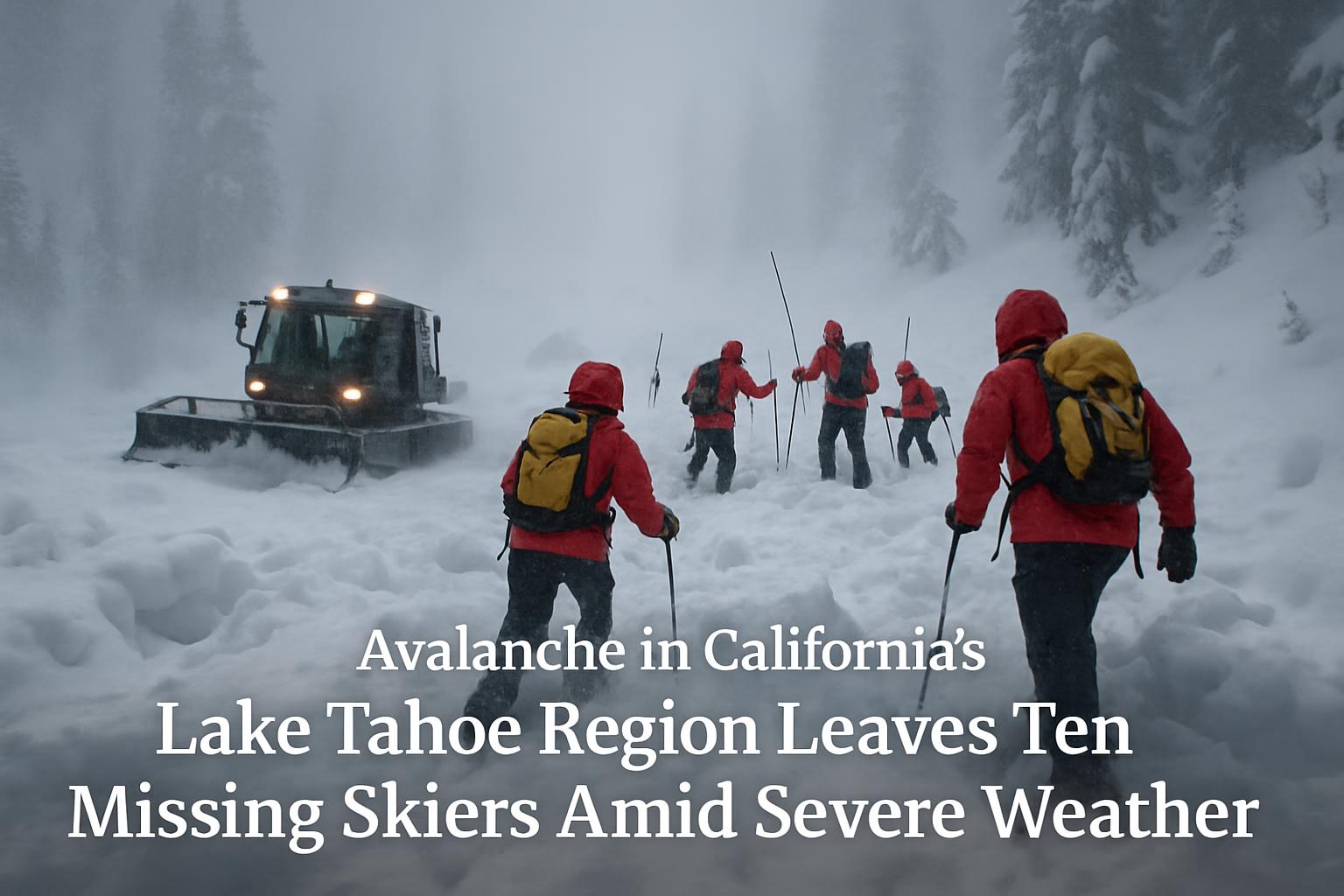
California Avalanche Leaves Ten Skiers Missing Amid Severe Weather

Historic Cold Snap in New York City Claims 18 Lives

Bomb Cyclone Paralyzes Eastern US with Snow and Freezing Temperatures

James Talarico Secures Democratic Nomination in Texas Senate Race Amidst Republican Runoff

House Passes Controversial SAVE America Act Amid Voter Suppression Concerns
Texas Floods: Absence of Key Officials Raises Questions Amidst Tragedy
In This Article
 Leila Hassan| Published
 HIGHLIGHTS
- Over 130 people died in Texas due to flash floods over the Fourth of July weekend, with Kerr County being the hardest hit.
- Key officials, including the emergency management coordinator and the sheriff, were either asleep or out of town when the floods struck.
- Criticism has been directed at the lack of adequate flood warnings and the absence of on-duty leadership during the crisis.
- Emergency management coordinator William B Thomas cited illness as the reason for his absence, while Sheriff Larry Leitha was unaware of the impending disaster.
- Calls for improved flood warning systems, including outdoor sirens, have been made by local officials and residents.
The devastating flash floods that swept through Texas over the Fourth of July weekend have left a trail of destruction and raised serious questions about the preparedness and response of local officials. With over 130 lives lost, including 95 in Kerr County alone, the disaster has become one of the deadliest in the state's history.
Officials Absent During Crisis
As the floodwaters surged, key officials were notably absent. William B Thomas, Kerr County's emergency management coordinator, was at home due to illness, while Sheriff Larry Leitha was asleep, unaware of the impending disaster. Judge Rob Kelly, the county's top executive, was out of town at the time. Their absence during the critical initial hours has drawn sharp criticism from residents and lawmakers alike.
Thomas, in his first public remarks since the floods, explained his absence to state lawmakers in Kerrville, citing a "progressing illness" and a prior commitment to his elderly father. He admitted to missing crucial emergency management calls on July 3, where severe weather forecasts were discussed. Sheriff Leitha, meanwhile, testified that he went to bed with no indication of the looming catastrophe, having only heard positive news about upcoming rain.
Lack of Adequate Warnings
The absence of these officials has been compounded by the lack of adequate flood warnings. Many residents reported receiving no alerts before the Guadalupe River surged to record levels, sweeping away homes and vehicles. Thomas defended the county's actions, stating that additional alerts would have been redundant given the National Weather Service's warnings. However, survivors and local officials have called for a more robust warning system, including outdoor sirens, to prevent future tragedies.
Calls for Improved Systems
Kerrville's Mayor Joe Herring has urged state lawmakers to assist in designing and installing a comprehensive flood warning system before the next summer. The need for stronger communication and better broadband infrastructure has been emphasized to ensure timely alerts in flood-prone areas.
WHAT THIS MIGHT MEAN
The aftermath of the Texas floods has highlighted significant gaps in emergency management and communication systems. Moving forward, local and state officials will need to address these deficiencies to prevent similar tragedies. The implementation of a robust flood warning system, as advocated by local leaders, could be a crucial step in safeguarding communities. Additionally, the incident may prompt a reevaluation of emergency protocols and leadership responsibilities during natural disasters. As investigations continue, the focus will likely shift towards accountability and the development of more effective disaster response strategies.
Related Articles
Historic Nor'easter Storm Paralyzes US North-East with Blizzard Warnings and Travel Bans
California Avalanche Leaves Ten Skiers Missing Amid Severe Weather
Historic Cold Snap in New York City Claims 18 Lives
Bomb Cyclone Paralyzes Eastern US with Snow and Freezing Temperatures
James Talarico Secures Democratic Nomination in Texas Senate Race Amidst Republican Runoff
House Passes Controversial SAVE America Act Amid Voter Suppression Concerns