
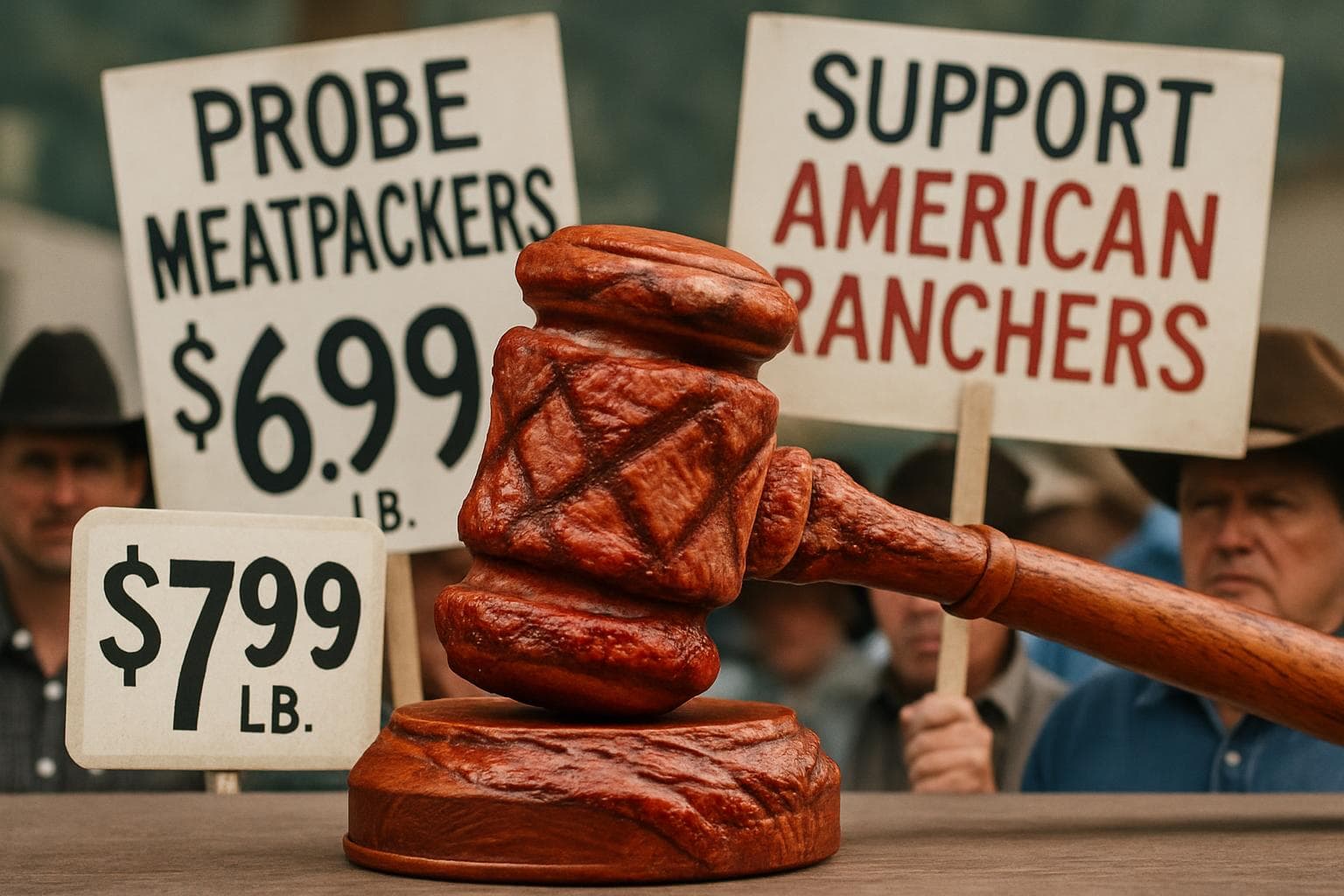
Trump Demands Investigation into Meat Packers Amid Rising Beef Prices
In This Article
HIGHLIGHTS
- President Trump has called for a Justice Department investigation into meat-packing companies over alleged price fixing and collusion.
- Beef prices have surged, with retail prices for beef mince rising by 12.9% and steaks by 16.6% over the past year.
- Trump’s accusations target foreign-owned meat packers, claiming they artificially inflate prices, affecting the US food supply.
- The US cattle inventory is at its lowest in nearly 75 years, exacerbated by drought and industry contraction.
- The meat processing industry is dominated by four companies, raising concerns over market competition and potential antitrust violations.
President Donald Trump has urged the Department of Justice to investigate meat-packing companies, alleging they are responsible for the soaring beef prices affecting American consumers. This call for a probe comes as beef prices have become a focal point in political debates, especially following Republican losses in recent elections where economic concerns were pivotal.
Allegations of Price Manipulation
On social media, Trump accused the meat-packing industry of engaging in "Illicit Collusion, Price Fixing, and Price Manipulation," suggesting that foreign-owned companies are inflating prices and jeopardizing the nation's food security. "We will always protect our American Ranchers," Trump stated, emphasizing the need to combat illegal monopolies and protect consumers.
Economic and Industry Context
The surge in beef prices is significant, with government data showing a 12.9% increase in beef mince prices and a 16.6% rise in beef steaks over the past year. These increases far outpace general food inflation, which stands at 3.1%. The US cattle inventory has reached its lowest level in nearly 75 years, a situation worsened by prolonged droughts and industry contraction.
Market Dynamics and Political Reactions
The meat processing industry is heavily concentrated, with four companies—Tyson, JBS, Cargill, and National Beef—controlling over 80% of the market. This consolidation has drawn bipartisan scrutiny, with previous administrations also seeking to address rising food prices by increasing market competition. Trump's recent proposal to import more beef from Argentina has sparked backlash among US ranchers, who fear it could undermine their livelihoods without significantly reducing consumer prices.
Public and Political Discourse
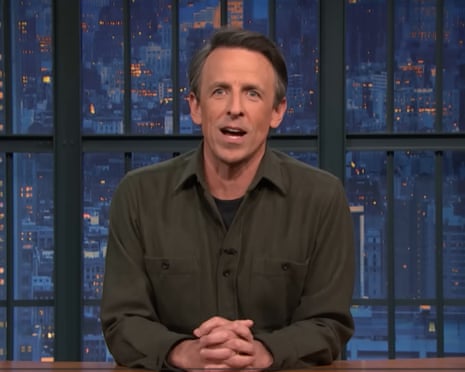
The issue of rising grocery prices, including beef, has been a recurring theme in political discourse. Late-night host Seth Meyers highlighted public frustration over economic issues, noting that grocery prices remain a significant concern for voters. Trump's comments on the matter have been criticized as out of touch, with Meyers humorously pointing out the disconnect between Trump's statements and the everyday experiences of Americans.
WHAT THIS MIGHT MEAN
The investigation into meat packers, if pursued, could lead to significant legal and regulatory actions against major players in the industry. Should evidence of collusion or price fixing be found, it could result in substantial fines and a push for increased competition within the market. Politically, Trump's focus on beef prices may resonate with voters concerned about the cost of living, potentially influencing future elections. However, his proposals, such as importing beef from Argentina, may continue to face opposition from domestic ranchers, complicating efforts to address food inflation effectively.
Images from the Web
Related Articles
Congress Subpoenas Attorney General Bondi in Epstein Investigation

Tech Giants Pledge to Cover AI Data Center Energy Costs Amid Rising Electricity Concerns
Cuba Faces Widespread Blackout Amid Deepening Fuel Crisis

UK Faces Dilemmas Amid Iran Conflict and China Spying Allegations
Senate Blocks Resolution to Limit Trump's Military Actions in Iran

UK-Iran Tensions: Starmer Defends Cautious Approach Amid Trump Criticism
Trump Demands Investigation into Meat Packers Amid Rising Beef Prices
In This Article
 Aya Nakamura| Published
 HIGHLIGHTS
- President Trump has called for a Justice Department investigation into meat-packing companies over alleged price fixing and collusion.
- Beef prices have surged, with retail prices for beef mince rising by 12.9% and steaks by 16.6% over the past year.
- Trump’s accusations target foreign-owned meat packers, claiming they artificially inflate prices, affecting the US food supply.
- The US cattle inventory is at its lowest in nearly 75 years, exacerbated by drought and industry contraction.
- The meat processing industry is dominated by four companies, raising concerns over market competition and potential antitrust violations.
President Donald Trump has urged the Department of Justice to investigate meat-packing companies, alleging they are responsible for the soaring beef prices affecting American consumers. This call for a probe comes as beef prices have become a focal point in political debates, especially following Republican losses in recent elections where economic concerns were pivotal.
Allegations of Price Manipulation
On social media, Trump accused the meat-packing industry of engaging in "Illicit Collusion, Price Fixing, and Price Manipulation," suggesting that foreign-owned companies are inflating prices and jeopardizing the nation's food security. "We will always protect our American Ranchers," Trump stated, emphasizing the need to combat illegal monopolies and protect consumers.
Economic and Industry Context
The surge in beef prices is significant, with government data showing a 12.9% increase in beef mince prices and a 16.6% rise in beef steaks over the past year. These increases far outpace general food inflation, which stands at 3.1%. The US cattle inventory has reached its lowest level in nearly 75 years, a situation worsened by prolonged droughts and industry contraction.
Market Dynamics and Political Reactions
The meat processing industry is heavily concentrated, with four companies—Tyson, JBS, Cargill, and National Beef—controlling over 80% of the market. This consolidation has drawn bipartisan scrutiny, with previous administrations also seeking to address rising food prices by increasing market competition. Trump's recent proposal to import more beef from Argentina has sparked backlash among US ranchers, who fear it could undermine their livelihoods without significantly reducing consumer prices.
Public and Political Discourse
The issue of rising grocery prices, including beef, has been a recurring theme in political discourse. Late-night host Seth Meyers highlighted public frustration over economic issues, noting that grocery prices remain a significant concern for voters. Trump's comments on the matter have been criticized as out of touch, with Meyers humorously pointing out the disconnect between Trump's statements and the everyday experiences of Americans.
WHAT THIS MIGHT MEAN
The investigation into meat packers, if pursued, could lead to significant legal and regulatory actions against major players in the industry. Should evidence of collusion or price fixing be found, it could result in substantial fines and a push for increased competition within the market. Politically, Trump's focus on beef prices may resonate with voters concerned about the cost of living, potentially influencing future elections. However, his proposals, such as importing beef from Argentina, may continue to face opposition from domestic ranchers, complicating efforts to address food inflation effectively.
Images from the Web
Related Articles
Congress Subpoenas Attorney General Bondi in Epstein Investigation
Tech Giants Pledge to Cover AI Data Center Energy Costs Amid Rising Electricity Concerns
Cuba Faces Widespread Blackout Amid Deepening Fuel Crisis
UK Faces Dilemmas Amid Iran Conflict and China Spying Allegations
Senate Blocks Resolution to Limit Trump's Military Actions in Iran
UK-Iran Tensions: Starmer Defends Cautious Approach Amid Trump Criticism