
Trump Weighs Military Action Against Iran Amid Rising Middle East Tensions

In This Article
HIGHLIGHTS
- President Donald Trump has approved plans for a potential strike on Iran but remains undecided on executing the attack.
- Iran's Supreme Leader Ayatollah Ali Khamenei warned the US of "irreparable damage" if it intervenes militarily.
- Israel has launched attacks on Iran, anticipating US involvement, while Trump maintains ambiguity about his next steps.
- US military assets, including aircraft carriers, are being positioned in the Middle East amid rising tensions.
- Diplomatic efforts continue, with European foreign ministers planning to meet Iranian officials in Geneva.
President Donald Trump has approved a plan for a potential military strike on Iran, though he has yet to make a final decision on whether to proceed. This development comes amid escalating tensions in the Middle East, following Israel's recent attacks on Iranian targets. The US president's indecision has left both allies and adversaries uncertain about America's next move.
Rising Tensions and Military Posturing
The situation intensified after Israel launched pre-emptive strikes on Iranian nuclear sites, anticipating US support. Israeli Prime Minister Benjamin Netanyahu has expressed confidence in US backing, stating that Israeli forces are "progressing step by step" in neutralizing threats from Iran's nuclear and missile capabilities. Meanwhile, US military assets, including the USS Nimitz and USS Carl Vinson aircraft carriers, are being deployed to the region, signaling a potential escalation.
Diplomatic Efforts and Iranian Response
Despite the military build-up, diplomatic channels remain open. European foreign ministers are set to meet with Iranian officials in Geneva, aiming for a diplomatic breakthrough. However, Iran's Supreme Leader Ayatollah Ali Khamenei has issued a stern warning to the US, cautioning that any military intervention would result in "irreparable damage." Iran has also prepared its missile systems to target US bases if necessary, according to intelligence reports.
Trump's Ambiguous Stance
President Trump has maintained an ambiguous stance, stating, "I may do it, I may not do it," regarding military action against Iran. This uncertainty reflects his strategy of keeping all options open to exert maximum pressure on Tehran. Trump's approach has drawn criticism and skepticism, with Iran's mission to the United Nations mocking his threats as "cowardly."
The Role of Diplomacy
Amidst the military and rhetorical posturing, diplomatic efforts continue. Qatar and Oman are reportedly mediating a ceasefire, and European leaders are engaging in talks with Iran. These efforts underscore the international community's desire to avoid further escalation and find a peaceful resolution to the crisis.
WHAT THIS MIGHT MEAN
The coming days are crucial as President Trump weighs his options. If the US decides to intervene militarily, it could lead to a significant escalation in the region, potentially drawing in other global powers. Conversely, successful diplomatic negotiations could de-escalate tensions and pave the way for a new agreement on Iran's nuclear program. Experts suggest that Trump's decision will likely hinge on both domestic political considerations and international diplomatic developments. As the situation unfolds, the world watches closely, aware that the stakes are high in this volatile geopolitical landscape.
Related Articles
Intensified US-Israel Strikes on Iran Spark Global Outcry

Senate Blocks Resolution to Limit Trump's Military Actions in Iran
Spain's Sánchez Stands Firm Against Trump's Trade Threat Over Iran Stance
Iran Postpones Khamenei Funeral Amid Escalating US-Israeli Strikes
US and Israel Intensify Military Campaign as Iran's Capabilities Dwindle
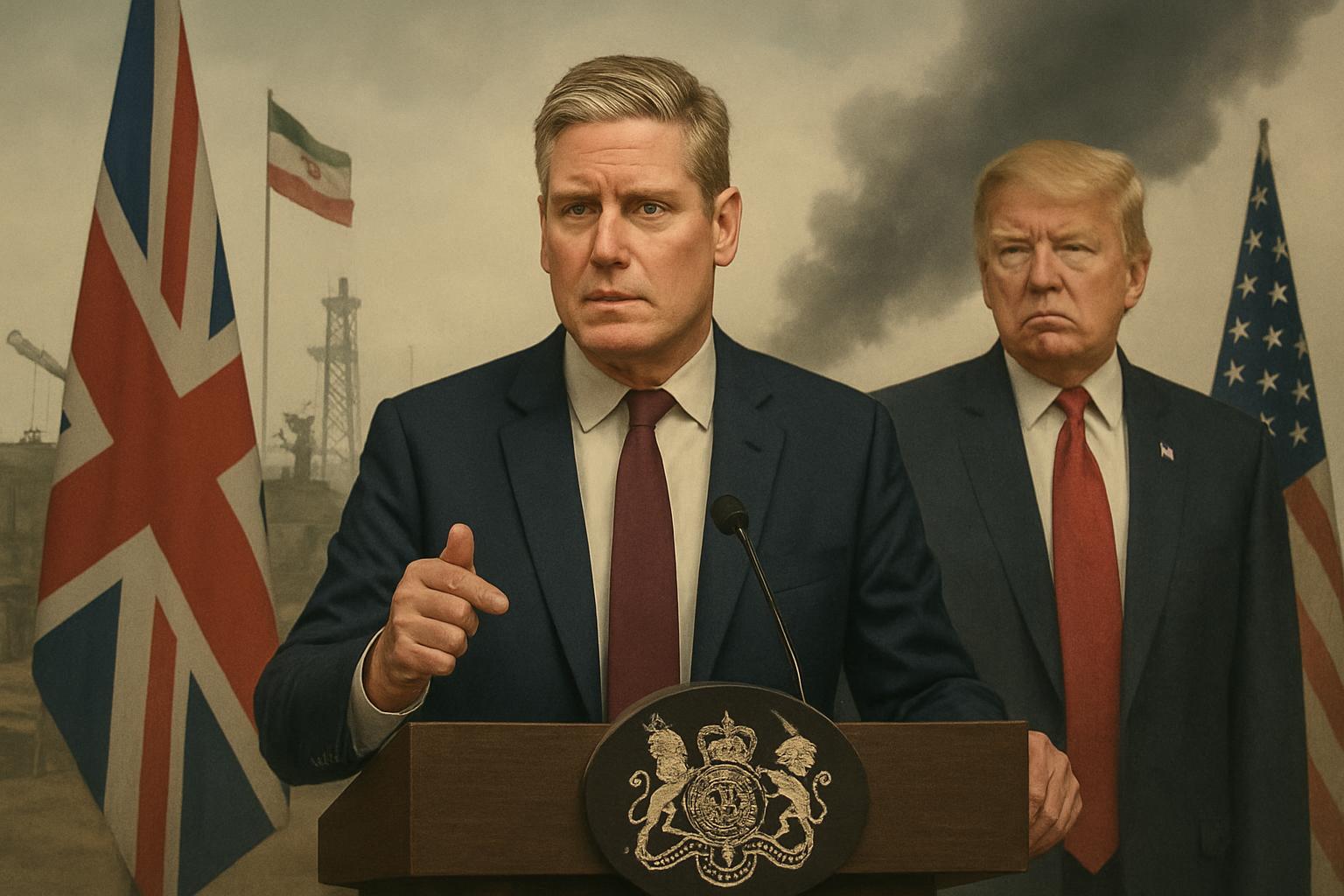
UK-Iran Tensions: Starmer Defends Cautious Approach Amid Trump Criticism
Trump Weighs Military Action Against Iran Amid Rising Middle East Tensions
In This Article
 Ethan Brooks| Published
 HIGHLIGHTS
- President Donald Trump has approved plans for a potential strike on Iran but remains undecided on executing the attack.
- Iran's Supreme Leader Ayatollah Ali Khamenei warned the US of "irreparable damage" if it intervenes militarily.
- Israel has launched attacks on Iran, anticipating US involvement, while Trump maintains ambiguity about his next steps.
- US military assets, including aircraft carriers, are being positioned in the Middle East amid rising tensions.
- Diplomatic efforts continue, with European foreign ministers planning to meet Iranian officials in Geneva.
President Donald Trump has approved a plan for a potential military strike on Iran, though he has yet to make a final decision on whether to proceed. This development comes amid escalating tensions in the Middle East, following Israel's recent attacks on Iranian targets. The US president's indecision has left both allies and adversaries uncertain about America's next move.
Rising Tensions and Military Posturing
The situation intensified after Israel launched pre-emptive strikes on Iranian nuclear sites, anticipating US support. Israeli Prime Minister Benjamin Netanyahu has expressed confidence in US backing, stating that Israeli forces are "progressing step by step" in neutralizing threats from Iran's nuclear and missile capabilities. Meanwhile, US military assets, including the USS Nimitz and USS Carl Vinson aircraft carriers, are being deployed to the region, signaling a potential escalation.
Diplomatic Efforts and Iranian Response
Despite the military build-up, diplomatic channels remain open. European foreign ministers are set to meet with Iranian officials in Geneva, aiming for a diplomatic breakthrough. However, Iran's Supreme Leader Ayatollah Ali Khamenei has issued a stern warning to the US, cautioning that any military intervention would result in "irreparable damage." Iran has also prepared its missile systems to target US bases if necessary, according to intelligence reports.
Trump's Ambiguous Stance
President Trump has maintained an ambiguous stance, stating, "I may do it, I may not do it," regarding military action against Iran. This uncertainty reflects his strategy of keeping all options open to exert maximum pressure on Tehran. Trump's approach has drawn criticism and skepticism, with Iran's mission to the United Nations mocking his threats as "cowardly."
The Role of Diplomacy
Amidst the military and rhetorical posturing, diplomatic efforts continue. Qatar and Oman are reportedly mediating a ceasefire, and European leaders are engaging in talks with Iran. These efforts underscore the international community's desire to avoid further escalation and find a peaceful resolution to the crisis.
WHAT THIS MIGHT MEAN
The coming days are crucial as President Trump weighs his options. If the US decides to intervene militarily, it could lead to a significant escalation in the region, potentially drawing in other global powers. Conversely, successful diplomatic negotiations could de-escalate tensions and pave the way for a new agreement on Iran's nuclear program. Experts suggest that Trump's decision will likely hinge on both domestic political considerations and international diplomatic developments. As the situation unfolds, the world watches closely, aware that the stakes are high in this volatile geopolitical landscape.
Related Articles
Intensified US-Israel Strikes on Iran Spark Global Outcry
Senate Blocks Resolution to Limit Trump's Military Actions in Iran
Spain's Sánchez Stands Firm Against Trump's Trade Threat Over Iran Stance
Iran Postpones Khamenei Funeral Amid Escalating US-Israeli Strikes
US and Israel Intensify Military Campaign as Iran's Capabilities Dwindle
UK-Iran Tensions: Starmer Defends Cautious Approach Amid Trump Criticism