
Trump Defends Envoy Amid Controversy Over Ukraine Peace Plan
In This Article
HIGHLIGHTS
- Donald Trump defended his envoy Steve Witkoff amid backlash over a leaked call advising Russia on how to appeal to Trump regarding a Ukraine peace plan.
- The US-authored 28-point peace proposal, criticized for favoring Russia, has been revised to better reflect Ukraine's interests.
- Ukrainian President Volodymyr Zelenskyy expressed readiness to discuss the peace plan's sensitive points with Trump, seeking European allies' involvement.
- The leaked call revealed Witkoff suggesting that Russia should gain control of Donetsk, sparking outrage among US officials and veterans involved in Ukraine.
- Diplomatic efforts continue with US and Russian officials meeting, but skepticism remains about the plan's potential to achieve lasting peace.
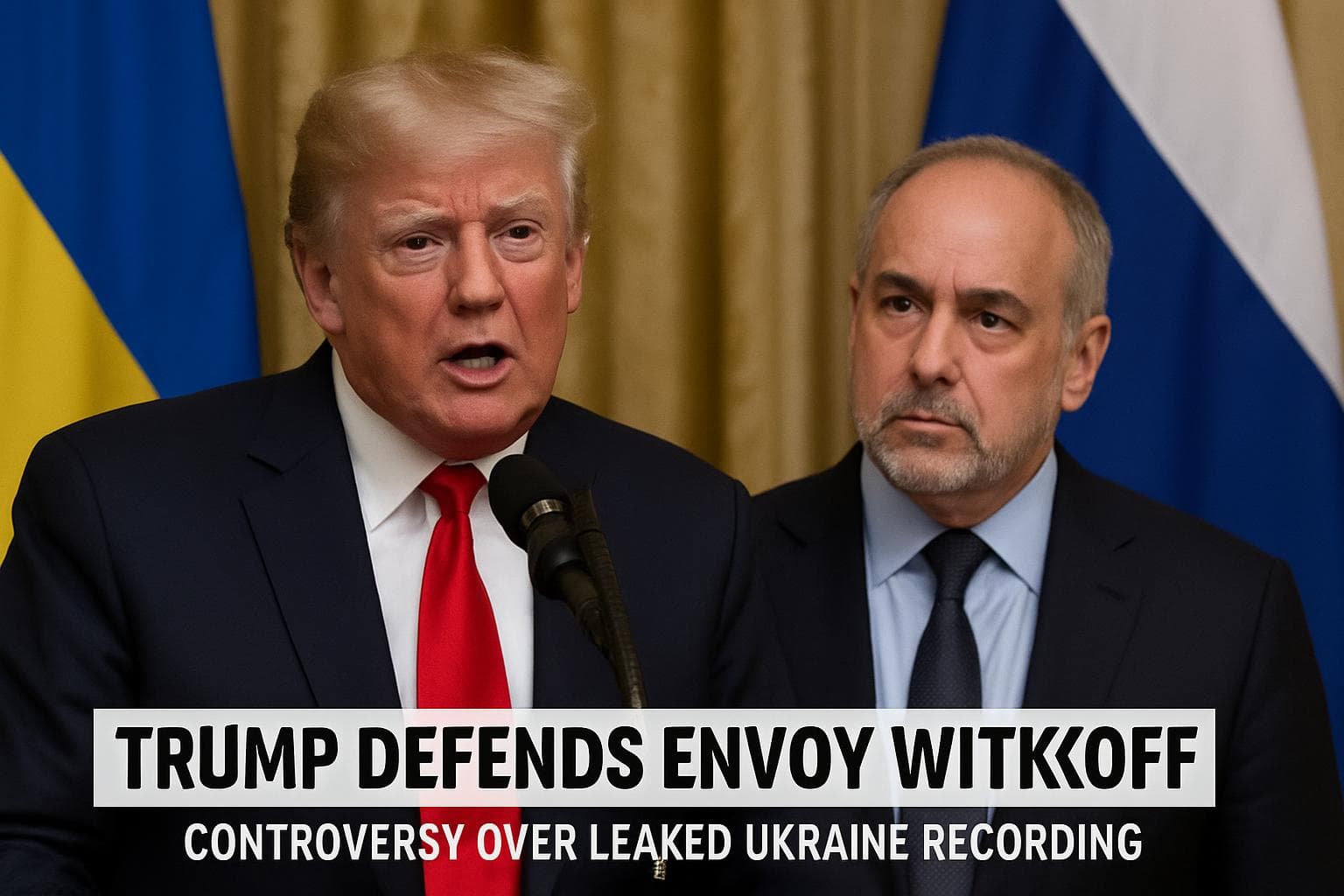
Former US President Donald Trump has come to the defense of his special envoy, Steve Witkoff, following the release of a controversial recording that has sparked criticism over the US's approach to resolving the Ukraine conflict. The recording, which surfaced last month, features Witkoff advising a senior Kremlin official on how to engage with Trump regarding a US-drafted peace plan that has faced backlash for its perceived bias towards Russia.
Leaked Call Fuels Criticism
The leaked conversation between Witkoff and Yuri Ushakov, a top aide to Russian President Vladimir Putin, has drawn ire from both US officials and veterans involved in the Ukrainian war effort. In the call, Witkoff suggested that achieving peace would require Russia to gain control of Donetsk, a proposal that many see as a concession to Russian demands. The 28-point peace plan, initially criticized for favoring Russia, has since been revised to better align with Ukraine's interests.
Diplomatic Efforts and Reactions
Despite the controversy, diplomatic efforts continue. Witkoff is set to meet with Putin in Moscow, while US Army Secretary Dan Driscoll engages with Ukrainian officials. Trump has indicated that his son-in-law, Jared Kushner, might also participate in the discussions. Meanwhile, Ukrainian President Volodymyr Zelenskyy has expressed his willingness to discuss the plan's sensitive points with Trump, emphasizing the need for European allies' involvement.
Outrage and Defense
The leaked call has provoked strong reactions from US lawmakers and veterans. Republican Representative Don Bacon called for Witkoff's dismissal, labeling the envoy as favoring Russian interests. Democratic Representative Ted Lieu went further, describing Witkoff as a "traitor." In contrast, Trump defended Witkoff's actions as standard negotiation tactics, asserting that Witkoff's role is to sell the peace plan to both Ukraine and Russia.
WHAT THIS MIGHT MEAN
The unfolding situation presents several potential outcomes. If the revised peace plan gains traction, it could pave the way for a negotiated settlement, albeit with significant concessions from Ukraine. However, the plan's success hinges on its acceptance by all parties involved, including European allies who have expressed concerns over territorial concessions. Should the plan falter, it could lead to prolonged conflict and further strain US-Russia relations. Experts suggest that any lasting resolution will require a balanced approach that addresses the core interests of both Ukraine and Russia while securing international support.
Related Articles
Russian LNG Tanker Sinks in Mediterranean Amid Accusations of Ukrainian Drone Attack
US-Iran Tensions Escalate Amid Renewed Nuclear Talks and Protests

Senate Blocks Resolution to Limit Trump's Military Actions in Iran
Spain's Sánchez Stands Firm Against Trump's Trade Threat Over Iran Stance

Greenland Politely Declines Trump's Hospital Ship Offer Amid Healthcare Debate
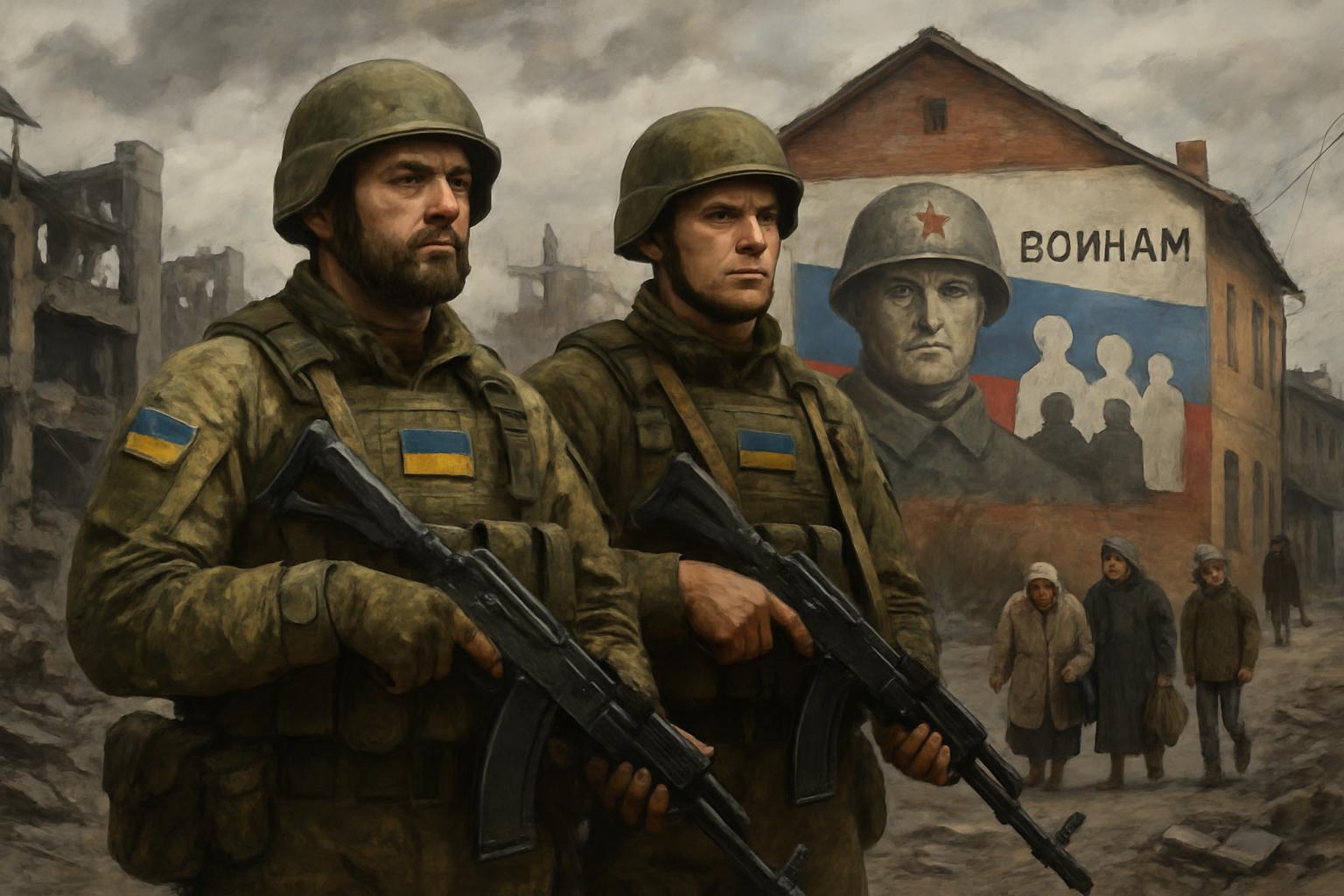
Russia-Ukraine Conflict: Four Years of Unyielding Struggle and Human Resilience
Trump Defends Envoy Amid Controversy Over Ukraine Peace Plan
In This Article
 Ethan Brooks| Published
 HIGHLIGHTS
- Donald Trump defended his envoy Steve Witkoff amid backlash over a leaked call advising Russia on how to appeal to Trump regarding a Ukraine peace plan.
- The US-authored 28-point peace proposal, criticized for favoring Russia, has been revised to better reflect Ukraine's interests.
- Ukrainian President Volodymyr Zelenskyy expressed readiness to discuss the peace plan's sensitive points with Trump, seeking European allies' involvement.
- The leaked call revealed Witkoff suggesting that Russia should gain control of Donetsk, sparking outrage among US officials and veterans involved in Ukraine.
- Diplomatic efforts continue with US and Russian officials meeting, but skepticism remains about the plan's potential to achieve lasting peace.
Former US President Donald Trump has come to the defense of his special envoy, Steve Witkoff, following the release of a controversial recording that has sparked criticism over the US's approach to resolving the Ukraine conflict. The recording, which surfaced last month, features Witkoff advising a senior Kremlin official on how to engage with Trump regarding a US-drafted peace plan that has faced backlash for its perceived bias towards Russia.
Leaked Call Fuels Criticism
The leaked conversation between Witkoff and Yuri Ushakov, a top aide to Russian President Vladimir Putin, has drawn ire from both US officials and veterans involved in the Ukrainian war effort. In the call, Witkoff suggested that achieving peace would require Russia to gain control of Donetsk, a proposal that many see as a concession to Russian demands. The 28-point peace plan, initially criticized for favoring Russia, has since been revised to better align with Ukraine's interests.
Diplomatic Efforts and Reactions
Despite the controversy, diplomatic efforts continue. Witkoff is set to meet with Putin in Moscow, while US Army Secretary Dan Driscoll engages with Ukrainian officials. Trump has indicated that his son-in-law, Jared Kushner, might also participate in the discussions. Meanwhile, Ukrainian President Volodymyr Zelenskyy has expressed his willingness to discuss the plan's sensitive points with Trump, emphasizing the need for European allies' involvement.
Outrage and Defense
The leaked call has provoked strong reactions from US lawmakers and veterans. Republican Representative Don Bacon called for Witkoff's dismissal, labeling the envoy as favoring Russian interests. Democratic Representative Ted Lieu went further, describing Witkoff as a "traitor." In contrast, Trump defended Witkoff's actions as standard negotiation tactics, asserting that Witkoff's role is to sell the peace plan to both Ukraine and Russia.
WHAT THIS MIGHT MEAN
The unfolding situation presents several potential outcomes. If the revised peace plan gains traction, it could pave the way for a negotiated settlement, albeit with significant concessions from Ukraine. However, the plan's success hinges on its acceptance by all parties involved, including European allies who have expressed concerns over territorial concessions. Should the plan falter, it could lead to prolonged conflict and further strain US-Russia relations. Experts suggest that any lasting resolution will require a balanced approach that addresses the core interests of both Ukraine and Russia while securing international support.
Related Articles
Russian LNG Tanker Sinks in Mediterranean Amid Accusations of Ukrainian Drone Attack
US-Iran Tensions Escalate Amid Renewed Nuclear Talks and Protests
Senate Blocks Resolution to Limit Trump's Military Actions in Iran
Spain's Sánchez Stands Firm Against Trump's Trade Threat Over Iran Stance
Greenland Politely Declines Trump's Hospital Ship Offer Amid Healthcare Debate
Russia-Ukraine Conflict: Four Years of Unyielding Struggle and Human Resilience